



@storiesfromtheart.bsky.social
How often did Artemisia paint herself? Models were costly and frowned upon for female artists, so many, like her, used self-portraits as both practicality and promotion. This was a bold act of empowerment, asserting her identity and strength in a male-dominated world.


December 1, 2025 at 8:01 AM
How often did Artemisia paint herself? Models were costly and frowned upon for female artists, so many, like her, used self-portraits as both practicality and promotion. This was a bold act of empowerment, asserting her identity and strength in a male-dominated world.
We end with Artemisia’s later Susanna and the Elders, signed faintly at the balustrade. Here, Susanna is no longer vulnerable but assertive—resisting with courage and dignity. This final version reflects Artemisia’s growth, portraying female strength and resilience against injustice.


November 28, 2025 at 8:01 AM
We end with Artemisia’s later Susanna and the Elders, signed faintly at the balustrade. Here, Susanna is no longer vulnerable but assertive—resisting with courage and dignity. This final version reflects Artemisia’s growth, portraying female strength and resilience against injustice.
Though Artemisia’s signature appears, this small, intimate painting’s authorship is debated. Its softer style may reflect a deliberate shift inspired by Guido Reni to suit a patron’s taste. The Virgin, in red, hangs a rosary before the Christ Child, their tender gaze revealing deep maternal love.


November 25, 2025 at 8:00 AM
Though Artemisia’s signature appears, this small, intimate painting’s authorship is debated. Its softer style may reflect a deliberate shift inspired by Guido Reni to suit a patron’s taste. The Virgin, in red, hangs a rosary before the Christ Child, their tender gaze revealing deep maternal love.
This Susanna is shown descending a stone stairway, shielding herself from two leering elders. The scene is tense and claustrophobic. Artemisia reused figure studies from earlier works, linking Susanna’s head to St. Catherine and other figures from her previous paintings.


November 22, 2025 at 8:00 AM
This Susanna is shown descending a stone stairway, shielding herself from two leering elders. The scene is tense and claustrophobic. Artemisia reused figure studies from earlier works, linking Susanna’s head to St. Catherine and other figures from her previous paintings.
Venus reclines nude on a bed draped in deep blue fabric, with Cupid nuzzling her shoulder. The rich drapery and golden bedding create a tender, maternal mood. Gentileschi’s Venus is sensuous yet grounded, engaged with her child, while diagonal lines guide the viewer’s gaze across the scene.


November 19, 2025 at 8:01 AM
Venus reclines nude on a bed draped in deep blue fabric, with Cupid nuzzling her shoulder. The rich drapery and golden bedding create a tender, maternal mood. Gentileschi’s Venus is sensuous yet grounded, engaged with her child, while diagonal lines guide the viewer’s gaze across the scene.
Artemisia’s final depiction of Lucretia shows the assault’s raw moment. In a dark chamber, Lucretia lies on a claw-footed bed as Tarquinius grips her knee, dagger raised. A servant pulls back the curtain exposing the crime. The scene’s intensity echoes Titian but feels more immediate and charged.


November 16, 2025 at 8:00 AM
Artemisia’s final depiction of Lucretia shows the assault’s raw moment. In a dark chamber, Lucretia lies on a claw-footed bed as Tarquinius grips her knee, dagger raised. A servant pulls back the curtain exposing the crime. The scene’s intensity echoes Titian but feels more immediate and charged.
Apollonia shows the elderly deaconess in calm resolve, holding a single tooth in metal tweezers, a chilling symbol of her torture. Emerging from shadows, she gazes heavenward, dressed in mauve velvet and pearls. It reflects Artemisia's late style focused on women’s strength amid suffering.


November 13, 2025 at 8:01 AM
Apollonia shows the elderly deaconess in calm resolve, holding a single tooth in metal tweezers, a chilling symbol of her torture. Emerging from shadows, she gazes heavenward, dressed in mauve velvet and pearls. It reflects Artemisia's late style focused on women’s strength amid suffering.
Painted in London for Queen Henrietta Maria, this Susanna and the Elders shows Susanna descending a stone stairway, shielding herself from two leering elders. The scene is tense and claustrophobic. Artemisia reused figure studies from earlier works.


November 10, 2025 at 8:01 AM
Painted in London for Queen Henrietta Maria, this Susanna and the Elders shows Susanna descending a stone stairway, shielding herself from two leering elders. The scene is tense and claustrophobic. Artemisia reused figure studies from earlier works.
Inspired by Cesare Ripa’s Iconologia, Artemisia painted this in London in 1638. Though not a true self-portrait, it’s deeply self-referential, showing her with a sull mask, gold chain, and worn hands. Her initials sit beneath the palette, capturing the artist’s raw, introspective presence.


November 7, 2025 at 8:01 AM
Inspired by Cesare Ripa’s Iconologia, Artemisia painted this in London in 1638. Though not a true self-portrait, it’s deeply self-referential, showing her with a sull mask, gold chain, and worn hands. Her initials sit beneath the palette, capturing the artist’s raw, introspective presence.
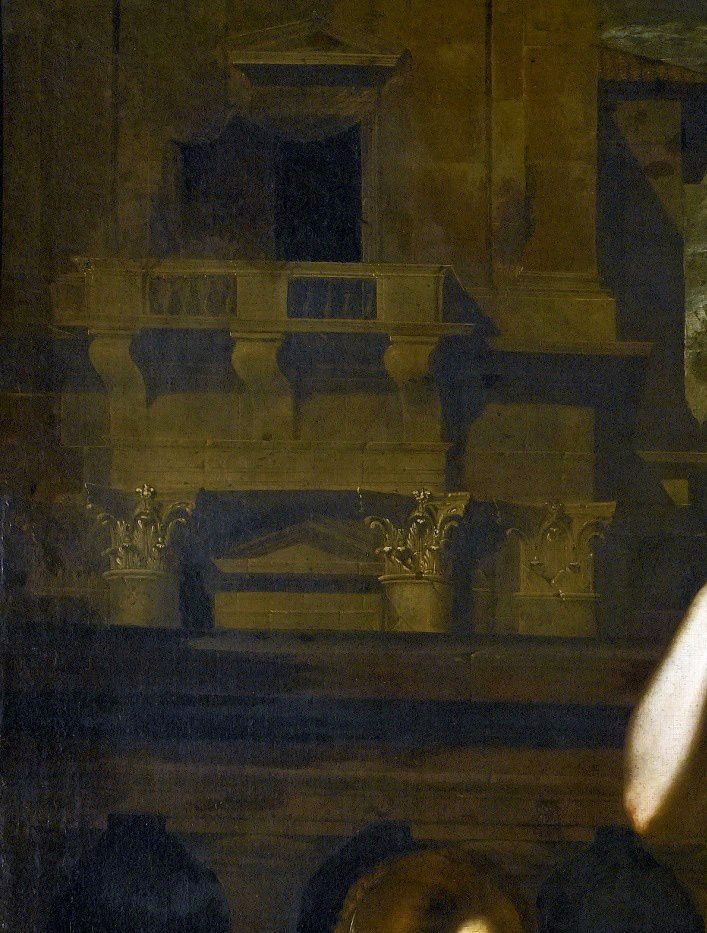
The next year, Artemisia revisits Bathsheba mid-bath, upper body exposed and draped in a yellow gown. She combs her red hair while a maid dries her legs. The dark background highlights Bathsheba, with no King David present. This version, painted c.1640–45, remains in a private collection.



November 4, 2025 at 8:01 AM
The next year, Artemisia revisits Bathsheba mid-bath, upper body exposed and draped in a yellow gown. She combs her red hair while a maid dries her legs. The dark background highlights Bathsheba, with no King David present. This version, painted c.1640–45, remains in a private collection.
From the Second Book of Samuel, this scene shows Bathsheba bathing as King David spies on her. Artemisia focuses on Bathsheba’s calm poise, while David is a tiny, distant figure. The work reflects Bolognese classicism over Caravaggio’s tenebrism. Artemisia revisited this subject multiple times.


November 1, 2025 at 8:01 AM
From the Second Book of Samuel, this scene shows Bathsheba bathing as King David spies on her. Artemisia focuses on Bathsheba’s calm poise, while David is a tiny, distant figure. The work reflects Bolognese classicism over Caravaggio’s tenebrism. Artemisia revisited this subject multiple times.
Saint Proculus, Deacon of Pozzuoli, is shown here with his mother, Saint Nicea. Both hold martyrs’ palms, gazing upward in divine presence. Set in a vaulted interior with a tiled floor, this rare architectural detail adds solemnity, making the scene sacred and reflective within Artemisia’s work.


October 29, 2025 at 8:01 AM
Saint Proculus, Deacon of Pozzuoli, is shown here with his mother, Saint Nicea. Both hold martyrs’ palms, gazing upward in divine presence. Set in a vaulted interior with a tiled floor, this rare architectural detail adds solemnity, making the scene sacred and reflective within Artemisia’s work.
Artemisia’s second painting for Pozzuoli Cathedral’s choir stalls, The Adoration of the Magi, shows Mary as a tender, approachable figure presenting her child to the richly dressed kings. Dramatic skies and detailed fabrics highlight her skill, while a glowing star adds intimacy to the scene.


October 26, 2025 at 8:01 AM
Artemisia’s second painting for Pozzuoli Cathedral’s choir stalls, The Adoration of the Magi, shows Mary as a tender, approachable figure presenting her child to the richly dressed kings. Dramatic skies and detailed fabrics highlight her skill, while a glowing star adds intimacy to the scene.
Artemisia painted this work for Pozzuoli Cathedral’s choir stalls during renovations. It shows Saint Januarius, saved from wild animals in the amphitheatre, with a kneeling Proculus. Though damaged by fire in 1964, Artemisia’s signature was found beneath the lion’s tail, affirming her legacy.


October 23, 2025 at 7:02 AM
Artemisia painted this work for Pozzuoli Cathedral’s choir stalls during renovations. It shows Saint Januarius, saved from wild animals in the amphitheatre, with a kneeling Proculus. Though damaged by fire in 1964, Artemisia’s signature was found beneath the lion’s tail, affirming her legacy.
Based on Genesis, Artemisia depicts Lot fleeing sinful Sodom with his wife and daughters. His wife turns to salt for disobedience, shown in the background. Believing they’re alone, his daughters get him drunk to preserve their line. The painting explores survival, sin, and psychological tension.


October 20, 2025 at 7:02 AM
Based on Genesis, Artemisia depicts Lot fleeing sinful Sodom with his wife and daughters. His wife turns to salt for disobedience, shown in the background. Believing they’re alone, his daughters get him drunk to preserve their line. The painting explores survival, sin, and psychological tension.
Artemisia’s painting, commissioned for San Juan Bautista’s hermitage by the Viceroy of Naples, depicts a scene from Luke’s Gospel. Zacharias, struck speechless, regains his voice when naming his son John, while midwives debate the name. It’s part of a series on St John the Baptist.


October 17, 2025 at 7:02 AM
Artemisia’s painting, commissioned for San Juan Bautista’s hermitage by the Viceroy of Naples, depicts a scene from Luke’s Gospel. Zacharias, struck speechless, regains his voice when naming his son John, while midwives debate the name. It’s part of a series on St John the Baptist.
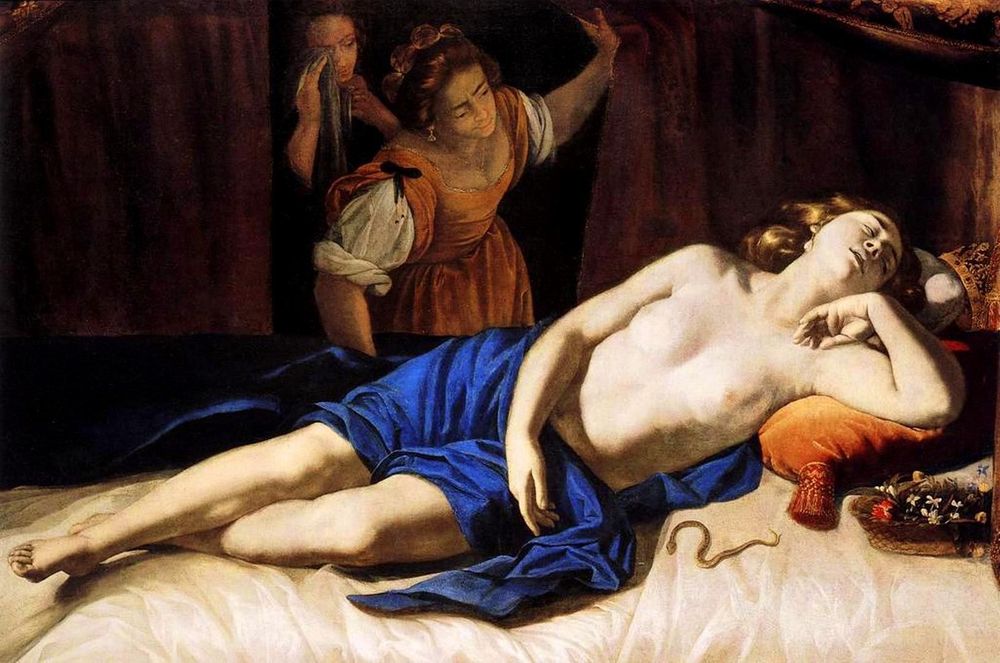
Artemisia’s haunting Naples-period painting shows Cleopatra’s final moments: pale and lifeless, head tilted back, the asp slithering away. Two women part a curtain, one wiping tears. The fallen crown and blue lips evoke themes of female power and autonomy, even in death.


October 14, 2025 at 7:01 AM
Artemisia’s haunting Naples-period painting shows Cleopatra’s final moments: pale and lifeless, head tilted back, the asp slithering away. Two women part a curtain, one wiping tears. The fallen crown and blue lips evoke themes of female power and autonomy, even in death.
Clio, muse of history, is shown with a laurel crown, trumpet, and book, following Cesare Ripa’s Iconologia. Artemisia’s warm light illuminates her face as she signs an open book, writing herself into history. The painting bears the signature of François de Rosières, linked to the Duke of Guise.


October 11, 2025 at 7:01 AM
Clio, muse of history, is shown with a laurel crown, trumpet, and book, following Cesare Ripa’s Iconologia. Artemisia’s warm light illuminates her face as she signs an open book, writing herself into history. The painting bears the signature of François de Rosières, linked to the Duke of Guise.
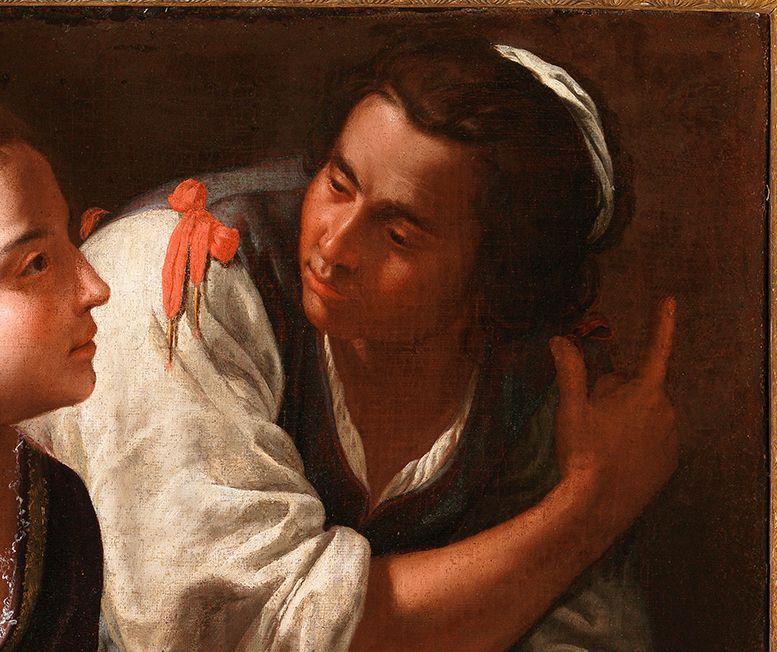
In a dark scene, Samson rests on Delilah’s lap, unaware as she cuts his hair—his source of strength. Delilah, holding scissors, looks to a third figure urging her to leave. Painted in Artemisia’s Naples period, the tense moment captures betrayal, trust, and the loss of power.


October 8, 2025 at 7:01 AM
In a dark scene, Samson rests on Delilah’s lap, unaware as she cuts his hair—his source of strength. Delilah, holding scissors, looks to a third figure urging her to leave. Painted in Artemisia’s Naples period, the tense moment captures betrayal, trust, and the loss of power.
Based on Il Pastor Fido, this dramatic scene shows Corisca fleeing a satyr’s assault. After offering gifts, she escapes when he grabs her wig, leaving him grasping hair alone. Dressed in gold and purple, she looks back as she runs. Artemisia’s signature appears on a tree trunk.


October 5, 2025 at 7:00 AM
Based on Il Pastor Fido, this dramatic scene shows Corisca fleeing a satyr’s assault. After offering gifts, she escapes when he grabs her wig, leaving him grasping hair alone. Dressed in gold and purple, she looks back as she runs. Artemisia’s signature appears on a tree trunk.
A contemplative Saint Catherine from Artemisia’s Neapolitan period. Seated with steady gaze, she holds a book symbolising wisdom; a palm on the stone marks her martyrdom. Dressed in royal purple silk and bathed in soft light, she embodies quiet strength and divine inspiration.


October 2, 2025 at 7:01 AM
A contemplative Saint Catherine from Artemisia’s Neapolitan period. Seated with steady gaze, she holds a book symbolising wisdom; a palm on the stone marks her martyrdom. Dressed in royal purple silk and bathed in soft light, she embodies quiet strength and divine inspiration.
Painted in Artemisia’s Naples period, this likely altarpiece shows Mary bowed with a hand on her heart, opposite the archangel Gabriel in saffron robes holding a lily. Divine light with a descending dove shines down. Cherubs hover above, and Artemisia’s signed slip lies on the floor.


September 29, 2025 at 7:02 AM
Painted in Artemisia’s Naples period, this likely altarpiece shows Mary bowed with a hand on her heart, opposite the archangel Gabriel in saffron robes holding a lily. Divine light with a descending dove shines down. Cherubs hover above, and Artemisia’s signed slip lies on the floor.
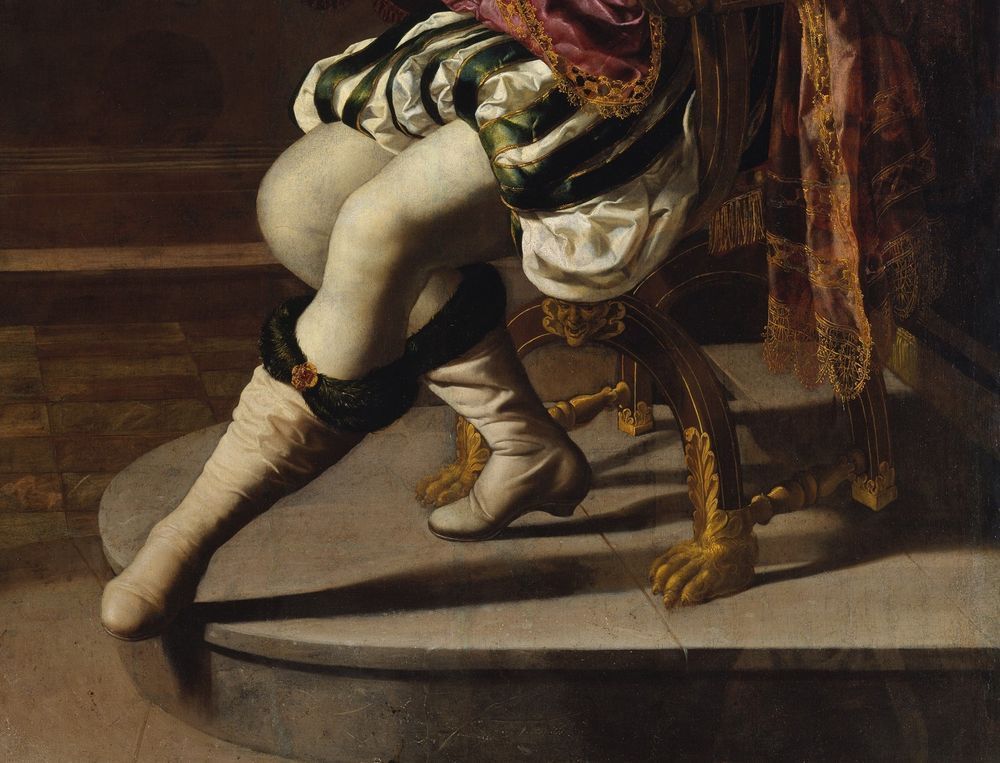
Queen Esther collapses before King Ahasuerus, pleading for her people’s survival. Artemisia highlights Esther in yellow, while the king is cloaked in shadow. Removed details focus on Esther’s bravery. The contemporary setting makes this biblical moment feel immediate and powerful.



September 26, 2025 at 7:01 AM
Queen Esther collapses before King Ahasuerus, pleading for her people’s survival. Artemisia highlights Esther in yellow, while the king is cloaked in shadow. Removed details focus on Esther’s bravery. The contemporary setting makes this biblical moment feel immediate and powerful.
Aurora, goddess of dawn, stands with outstretched hands and a serious gaze. Her bronze gown billows, her hair crowned with jewels. A cherub holds maroon flowers, symbols of renewal. Behind them, a dark sky breaks with golden light, evoking divine inspiration and the arrival of a new day.


September 23, 2025 at 7:01 AM
Aurora, goddess of dawn, stands with outstretched hands and a serious gaze. Her bronze gown billows, her hair crowned with jewels. A cherub holds maroon flowers, symbols of renewal. Behind them, a dark sky breaks with golden light, evoking divine inspiration and the arrival of a new day.
Venus drifts to sleep upon blue fabric and a crimson pillow, draped in sheer linen. Cupid fans her with peacock feathers. A moonlit temple appears through the window. Venus’s features resemble Artemisia’s, hinting this may be a self-portrait. The costly lapis lazuli bedding signals a wealthy patron.


September 20, 2025 at 7:01 AM
Venus drifts to sleep upon blue fabric and a crimson pillow, draped in sheer linen. Cupid fans her with peacock feathers. A moonlit temple appears through the window. Venus’s features resemble Artemisia’s, hinting this may be a self-portrait. The costly lapis lazuli bedding signals a wealthy patron.