




Maria Glarou
@mglarou.bsky.social
PhD fellow at the University of Iceland, studying cetacean ecophysiology and bioenergetics using drones 🐋🐬🌈
Drone footage from the field at http://instagram.com/seagullseyeview
Drone footage from the field at http://instagram.com/seagullseyeview
Pinned
Maria Glarou
@mglarou.bsky.social
· Dec 17
Respiration rates and inferred mass-specific field metabolic rates decline with body size among five sympatric cetaceans
rdcu.be
New paper published at the Journal of Comparative Physiology B @springernature.com 🚨📃 We estimated field metabolic rates for five sympatric cetacean species by combining drone photogrammetry and breathing rates. Energy expenditure scaled with body size across species 🐬🐋 Read more: rdcu.be/eUoIG
New paper published at the Journal of Comparative Physiology B @springernature.com 🚨📃 We estimated field metabolic rates for five sympatric cetacean species by combining drone photogrammetry and breathing rates. Energy expenditure scaled with body size across species 🐬🐋 Read more: rdcu.be/eUoIG
Respiration rates and inferred mass-specific field metabolic rates decline with body size among five sympatric cetaceans
rdcu.be
December 17, 2025 at 4:35 PM
New paper published at the Journal of Comparative Physiology B @springernature.com 🚨📃 We estimated field metabolic rates for five sympatric cetacean species by combining drone photogrammetry and breathing rates. Energy expenditure scaled with body size across species 🐬🐋 Read more: rdcu.be/eUoIG
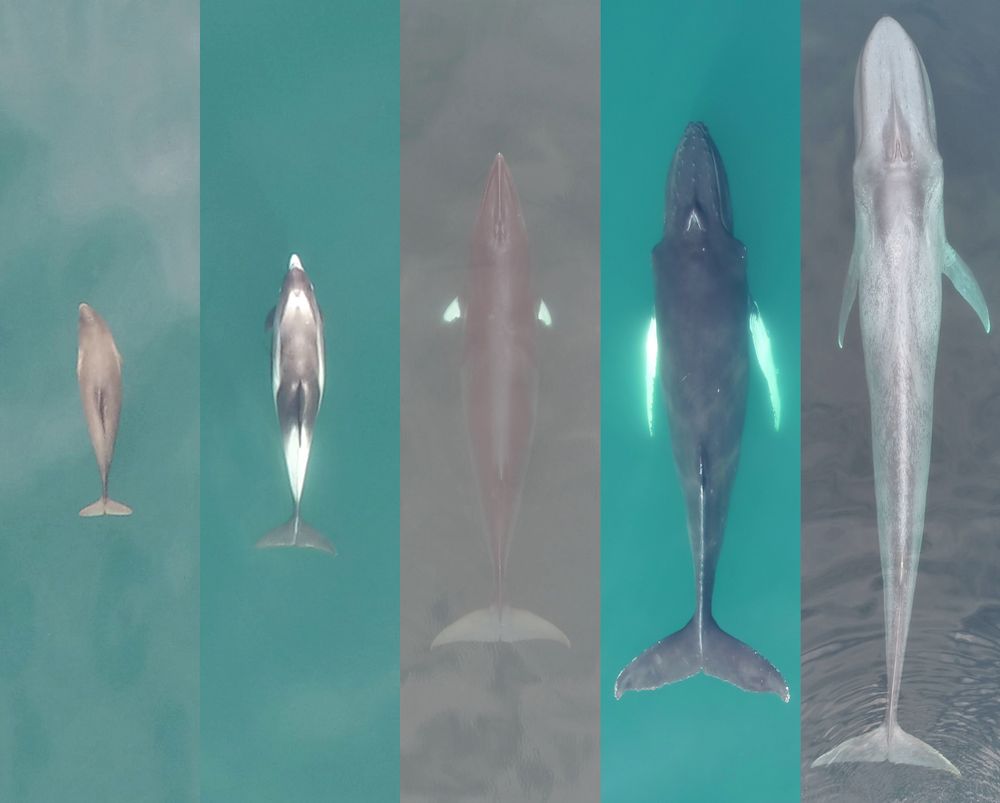
📢 New paper alert! 🐋❄️ How do different-sized #cetaceans stay warm in cold waters? Our latest study in @jexpbiol.bsky.social revealed that smaller species rely on thicker blubber, while larger ones offset heat loss simply by being big. Read more: doi.org/10.1242/jeb.... #UAVs
April 18, 2025 at 7:36 PM
📢 New paper alert! 🐋❄️ How do different-sized #cetaceans stay warm in cold waters? Our latest study in @jexpbiol.bsky.social revealed that smaller species rely on thicker blubber, while larger ones offset heat loss simply by being big. Read more: doi.org/10.1242/jeb.... #UAVs
Reposted by Maria Glarou
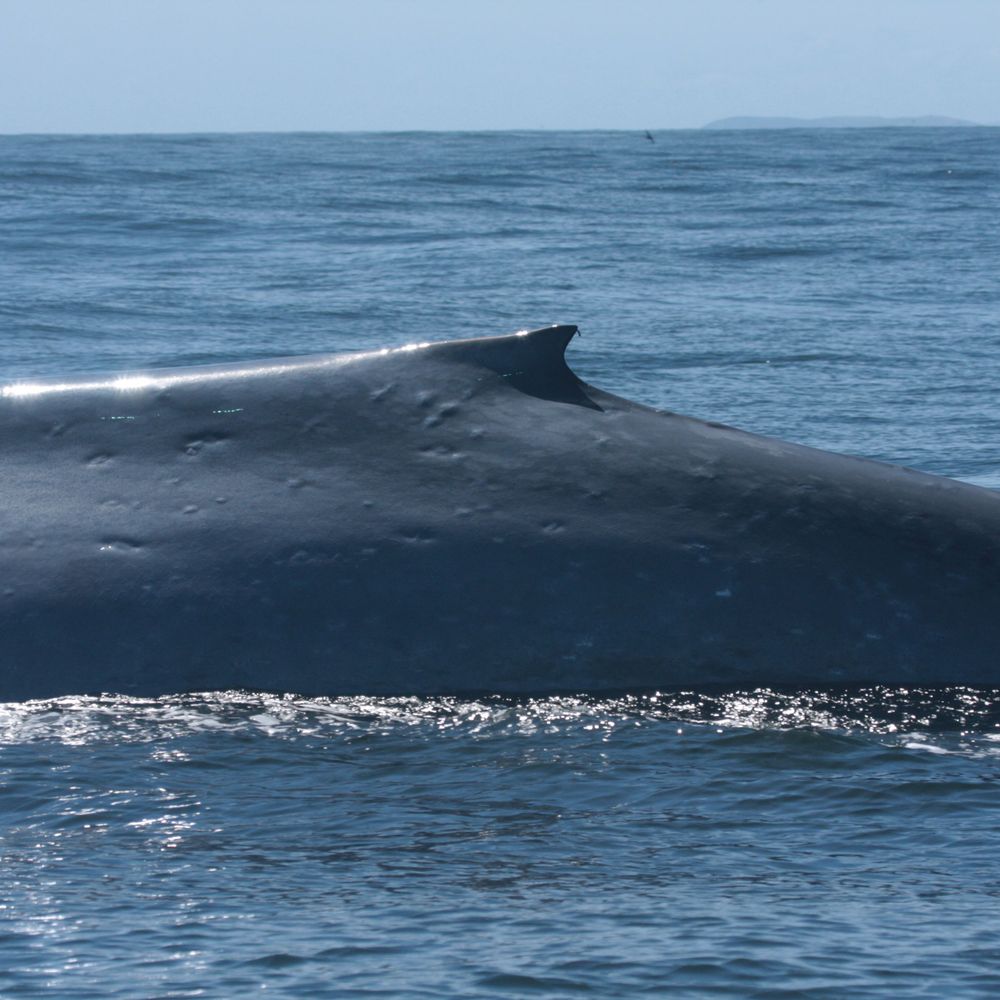
Blue whales are a lot skinnier than minke or humpback whales, but their surface area to volume ratio is very low
doi.org/10.1242/jeb....
doi.org/10.1242/jeb....


April 3, 2025 at 5:35 AM
Blue whales are a lot skinnier than minke or humpback whales, but their surface area to volume ratio is very low
doi.org/10.1242/jeb....
doi.org/10.1242/jeb....
Reposted by Maria Glarou
Although blue whales are predicted to have high absolute heat loss; when scaled by body volume, heat loss is lower than for minke or humpback whales
doi.org/10.1242/jeb....
doi.org/10.1242/jeb....

April 3, 2025 at 5:42 AM
Although blue whales are predicted to have high absolute heat loss; when scaled by body volume, heat loss is lower than for minke or humpback whales
doi.org/10.1242/jeb....
doi.org/10.1242/jeb....