




Morgan Fouesneau
@mfouesneau.bsky.social
Reposted by Morgan Fouesneau

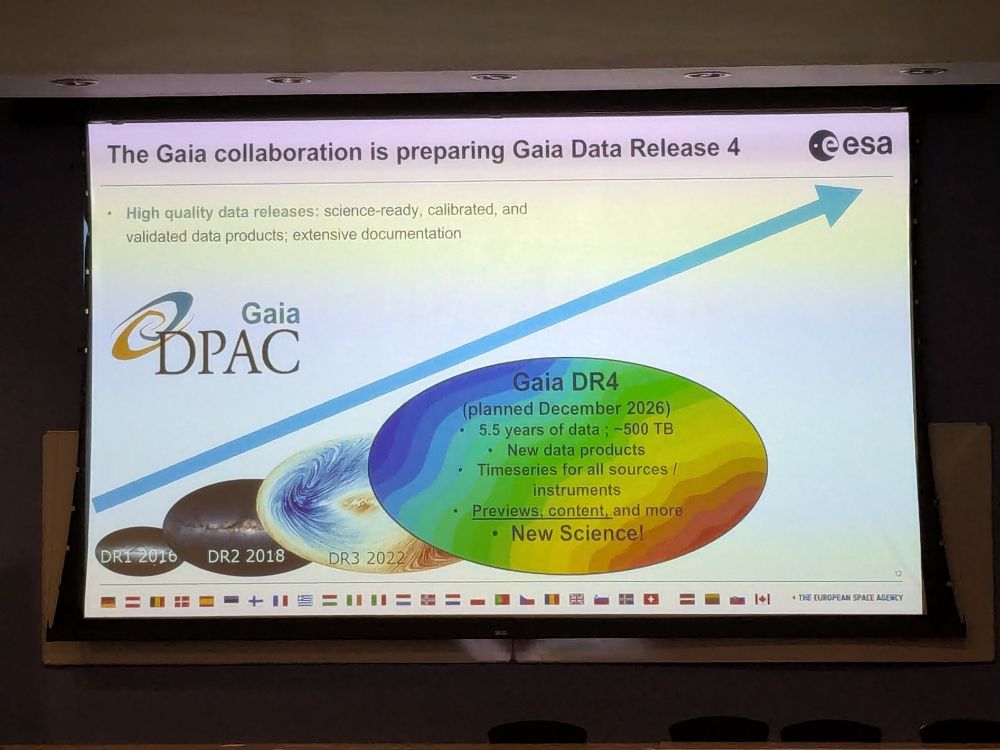
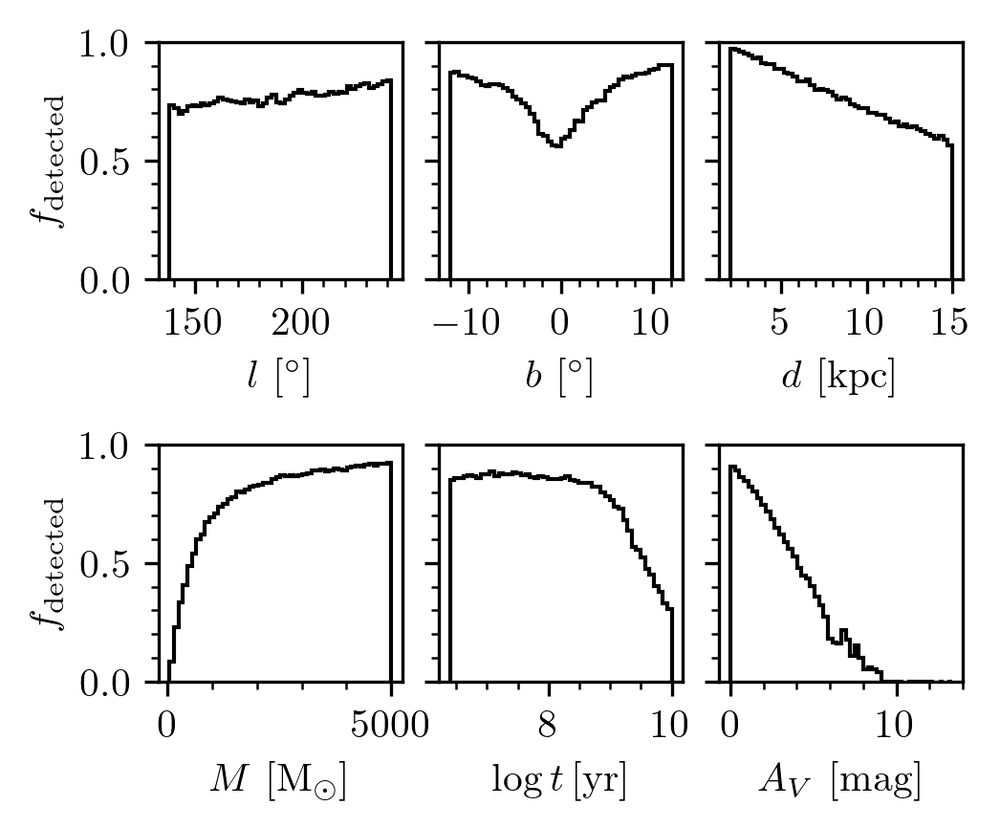
Finding out about Gaia at #EAS2025Cork! ☄️
Just announced: Gaia DR4 will be released in December 2026!
Just announced: Gaia DR4 will be released in December 2026!
June 26, 2025 at 2:11 PM
Finding out about Gaia at #EAS2025Cork! ☄️
Just announced: Gaia DR4 will be released in December 2026!
Just announced: Gaia DR4 will be released in December 2026!
Reposted by Morgan Fouesneau

The 5 year mission plan for @nasaromantelescope.bsky.social summarized in an easy to read press release with some snazzy graphics. Which part are you most excited about? #NASARoman #LongLiveRoman
www.nasa.gov/missions/rom...
www.nasa.gov/missions/rom...

NASA’s Roman Mission Shares Detailed Plans to Scour Skies - NASA
NASA’s Nancy Grace Roman Space Telescope team shared Thursday the designs for the three core surveys the mission will conduct after launch. These observation
www.nasa.gov
April 25, 2025 at 11:58 AM
The 5 year mission plan for @nasaromantelescope.bsky.social summarized in an easy to read press release with some snazzy graphics. Which part are you most excited about? #NASARoman #LongLiveRoman
www.nasa.gov/missions/rom...
www.nasa.gov/missions/rom...
Reposted by Morgan Fouesneau

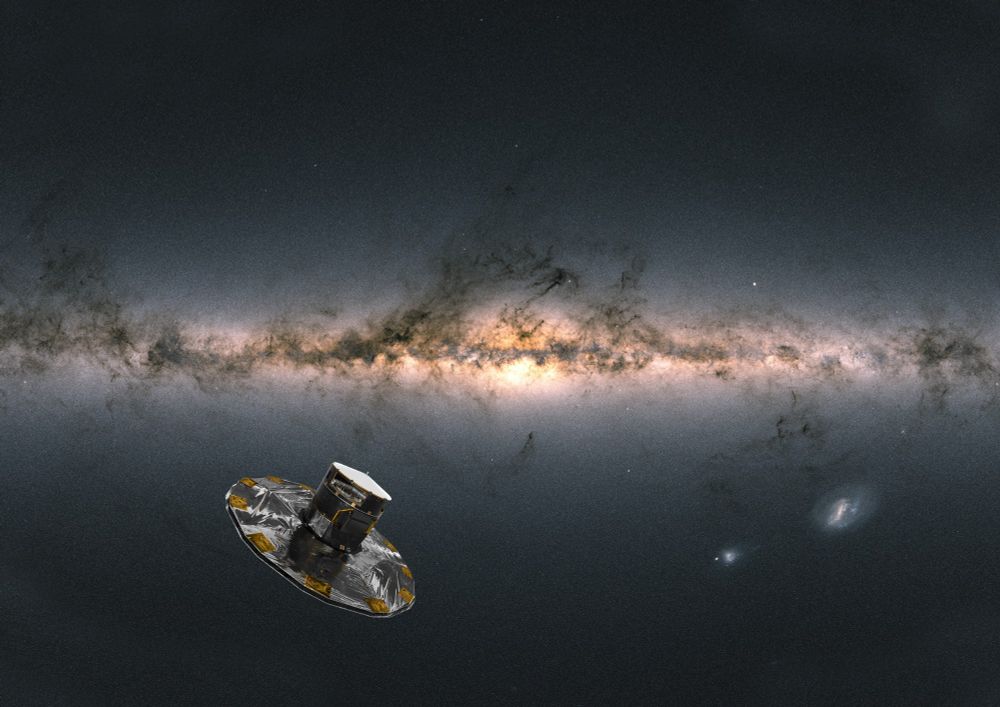
Today we say goodbye to ESA’s Milky Way-mapper Gaia! The Gaia spacecraft has completed its sky-scanning and will be switched off this morning.
March 27, 2025 at 6:09 AM
Today we say goodbye to ESA’s Milky Way-mapper Gaia! The Gaia spacecraft has completed its sky-scanning and will be switched off this morning.
Reposted by Morgan Fouesneau
Cloudflare have developed a way to trap bots scraping the internet for AI data in a honeypot labyrinth.
Hilariously, they used AI to generate realistic-looking webpages that have many many many links and can trap AI scraping bots in place:
Hilariously, they used AI to generate realistic-looking webpages that have many many many links and can trap AI scraping bots in place:

Trapping misbehaving bots in an AI Labyrinth
How Cloudflare uses generative AI to slow down, confuse, and waste the resources of AI Crawlers and other bots that don’t respect “no crawl” directives.
blog.cloudflare.com
March 23, 2025 at 8:50 AM
Cloudflare have developed a way to trap bots scraping the internet for AI data in a honeypot labyrinth.
Hilariously, they used AI to generate realistic-looking webpages that have many many many links and can trap AI scraping bots in place:
Hilariously, they used AI to generate realistic-looking webpages that have many many many links and can trap AI scraping bots in place:
Reposted by Morgan Fouesneau

The disappearance of Gaia

Final goodbye to Gaia from China
YouTube video by ESA Gaia Mission
youtu.be
March 23, 2025 at 3:56 PM
The disappearance of Gaia
Reposted by Morgan Fouesneau

Le satellite Gaia vient de faire ses dernières observations hier, après avoir observé 2 milliards d'astres! Cet instrument, dont on ne parle pas assez, est une véritable révolution pour l'astronomie. Ça vous dit d'en savoir plus et de connaître les principaux résultats?
Thread👇
Thread👇

January 16, 2025 at 1:09 PM
Le satellite Gaia vient de faire ses dernières observations hier, après avoir observé 2 milliards d'astres! Cet instrument, dont on ne parle pas assez, est une véritable révolution pour l'astronomie. Ça vous dit d'en savoir plus et de connaître les principaux résultats?
Thread👇
Thread👇