



Gan Lab
@liganlab.bsky.social
Group of passionate scientists unraveling the mysteries of neurodegeneration at Weill Cornell Medicine 🧠 | Tackling Alzheimer’s, FTD, PD & related diseases 🧬 | Focused on tau, innate immunity, & targeted therapeutics using iPSC & transcriptomics🔬
Pinned
Gan Lab
@liganlab.bsky.social
· Dec 10

DAP12 deletion reduces neuronal SLIT2 and demyelination and enhances brain resilience in female tauopathy mice - Molecular Neurodegeneration
Background Pathogenic tau accumulation drives neurodegeneration in Alzheimer’s disease (AD). Enhancing the aging brain’s resilience to tau pathology would lead to novel therapeutic strategies. DAP12 (...
link.springer.com
Our new study in @molneurodegen.bsky.social shows that microglial DAP12 controls tau buildup and drives myelin loss by mediating a harmful tau-induced SLIT2 signal from neurons to oligodendrocytes link.springer.com/article/10.1...
Excited to share our new study identifying soluble DLK1 as a novel microglia-derived senescence factor. sDLK1 induced hypomyelination, oligodendrocyte dysfunction, & altered neuronal activity in iPSC-derived neurons @gladstoneinst.bsky.social
www.biorxiv.org/content/10.6...
www.biorxiv.org/content/10.6...

January 16, 2026 at 7:25 PM
Excited to share our new study identifying soluble DLK1 as a novel microglia-derived senescence factor. sDLK1 induced hypomyelination, oligodendrocyte dysfunction, & altered neuronal activity in iPSC-derived neurons @gladstoneinst.bsky.social
www.biorxiv.org/content/10.6...
www.biorxiv.org/content/10.6...
Proud to announce our collaboration with @blurtonjoneslab.bsky.social & the Paz lab showing that transplanted human iPSC-derived microglia in a PGRN KO mouse model restores progranulin in microglia and rescues pathology, circuitry, and behavior. Preprint out now: www.biorxiv.org/cgi/content/...

Transplantation of Human IPSC-derived Microglia Ameliorates Neuropathology and Circuit Dysfunction in Progranulin-Deficient Mice
Frontotemporal dementia (FTD) is a major cause of early-onset neurodegeneration characterized by progressive behavioral, emotional, and cognitive decline. Progranulin haploinsufficiency, a leading gen...
www.biorxiv.org
January 14, 2026 at 6:57 PM
Proud to announce our collaboration with @blurtonjoneslab.bsky.social & the Paz lab showing that transplanted human iPSC-derived microglia in a PGRN KO mouse model restores progranulin in microglia and rescues pathology, circuitry, and behavior. Preprint out now: www.biorxiv.org/cgi/content/...
🌲Season’s greetings from the Gan Lab!🌲
Warm wishes for a restful, connected, & rejuvenating turn of the year.
For a glimpse into our lab life and research this year, check out: www.ganlab.org
Warm wishes for a restful, connected, & rejuvenating turn of the year.
For a glimpse into our lab life and research this year, check out: www.ganlab.org

December 22, 2025 at 9:27 PM
🌲Season’s greetings from the Gan Lab!🌲
Warm wishes for a restful, connected, & rejuvenating turn of the year.
For a glimpse into our lab life and research this year, check out: www.ganlab.org
Warm wishes for a restful, connected, & rejuvenating turn of the year.
For a glimpse into our lab life and research this year, check out: www.ganlab.org
AD genetic risk links microglial immunity and cholesterol. Our new BioRxiv study identifies CH25H-derived 25-HC as a toxic lipid downstream of cGAS–STING–IFN that drives tau spread, inflammation, and neurodegeneration, offering a tractable therapeutic pathway. www.biorxiv.org/cgi/content/...
STING_IFN_CH25H lipid axis links innate immune activation to tau pathology
Genetic risk for Alzheimers disease is strongly enriched in pathways governing microglial activation and cholesterol metabolism, yet how these processes converge to drive neurodegeneration remains unc...
www.biorxiv.org
December 19, 2025 at 3:54 PM
AD genetic risk links microglial immunity and cholesterol. Our new BioRxiv study identifies CH25H-derived 25-HC as a toxic lipid downstream of cGAS–STING–IFN that drives tau spread, inflammation, and neurodegeneration, offering a tractable therapeutic pathway. www.biorxiv.org/cgi/content/...
Congratulations, Dr. Caitlin Castagnola! Last Friday, Dr. Castagnola defended her thesis on microglia-neuron interactions. Her humble manner, as always, belied the magnitude of work she’s accomplished in the Gan lab. We are so proud of her and excited for all her future chapters!🥳👩🔬🧪

December 16, 2025 at 9:31 PM
Congratulations, Dr. Caitlin Castagnola! Last Friday, Dr. Castagnola defended her thesis on microglia-neuron interactions. Her humble manner, as always, belied the magnitude of work she’s accomplished in the Gan lab. We are so proud of her and excited for all her future chapters!🥳👩🔬🧪
Our new study in @molneurodegen.bsky.social shows that microglial DAP12 controls tau buildup and drives myelin loss by mediating a harmful tau-induced SLIT2 signal from neurons to oligodendrocytes link.springer.com/article/10.1...
DAP12 deletion reduces neuronal SLIT2 and demyelination and enhances brain resilience in female tauopathy mice - Molecular Neurodegeneration
Background Pathogenic tau accumulation drives neurodegeneration in Alzheimer’s disease (AD). Enhancing the aging brain’s resilience to tau pathology would lead to novel therapeutic strategies. DAP12 (...
link.springer.com
December 10, 2025 at 4:53 PM
Our new study in @molneurodegen.bsky.social shows that microglial DAP12 controls tau buildup and drives myelin loss by mediating a harmful tau-induced SLIT2 signal from neurons to oligodendrocytes link.springer.com/article/10.1...
New study in Neuron: ApoE2 and ApoE3 Christchurch-containing lipid particles protect neurons from ferroptosis by effluxing oxidized lipids through ABCA7. This rescues lysosomal defects, shields ApoE4 hippocampi from lipid toxicity, and restores neural activity www.cell.com/neuron/abstr...

Protective ApoE variants support neuronal function by effluxing oxidized phospholipids
Ralhan et al. show that ApoE2 and ApoE3 Christchurch on lipid particles efflux oxidized
phospholipids from neurons via the ABCA7 transporter. This reduces the burden of oxidized
lipids, which improves...
www.cell.com
December 9, 2025 at 9:05 PM
New study in Neuron: ApoE2 and ApoE3 Christchurch-containing lipid particles protect neurons from ferroptosis by effluxing oxidized lipids through ABCA7. This rescues lysosomal defects, shields ApoE4 hippocampi from lipid toxicity, and restores neural activity www.cell.com/neuron/abstr...
New study from Jiang group gives clues to Down syndrome patients' resilience to AD: a DS-linked myeloid mutation (CSF2RB A455D) protects engrafted human microglia against tau by suppressing harmful IFN signaling, boosting phagocytosis, & reducing microglial senescence www.nature.com/articles/s41...

A myeloid trisomy 21-associated gene variant is protective from Alzheimer’s disease - Nature Neuroscience
Engineering human microglia with a Down-syndrome-linked myeloid gene variant resists tau-induced dysfunction and protects neurons in chimeric brains, offering proof of concept for transformative micro...
www.nature.com
November 26, 2025 at 10:16 PM
New study from Jiang group gives clues to Down syndrome patients' resilience to AD: a DS-linked myeloid mutation (CSF2RB A455D) protects engrafted human microglia against tau by suppressing harmful IFN signaling, boosting phagocytosis, & reducing microglial senescence www.nature.com/articles/s41...
🍁Feeling grateful. Happy Thanksgiving from the Gan lab & Appel Institute!🍁

November 26, 2025 at 7:49 PM
🍁Feeling grateful. Happy Thanksgiving from the Gan lab & Appel Institute!🍁
A study from the Sun lab reveals that biased CCKBR–Gq/Gi signaling regulates AD pathology & a synthesized CCKBR–Gq agonist (3r1) provides therapeutic benefits by upregulating ADAM10 & PLCB4. This work highlights CCKBR biased signaling as a promising drug target for AD
www.cell.com/cell/fulltex...
www.cell.com/cell/fulltex...

Elucidating pathway-selective biased CCKBR agonism for Alzheimer’s disease treatment
Clinical evidence from AD patients reveals an association between impaired CCKBR-Gq
signaling and disease severity, guiding structure-based design of a Gq-biased agonist
that rescues memory and pathol...
www.cell.com
November 26, 2025 at 7:09 PM
A study from the Sun lab reveals that biased CCKBR–Gq/Gi signaling regulates AD pathology & a synthesized CCKBR–Gq agonist (3r1) provides therapeutic benefits by upregulating ADAM10 & PLCB4. This work highlights CCKBR biased signaling as a promising drug target for AD
www.cell.com/cell/fulltex...
www.cell.com/cell/fulltex...
New in Science!: Microglial FPR1 is a CNS-specific driver of demyelination. Deletion in MG or CNS macrophages protects against myelin loss, while peripheral deletion helps only partly. CNS-penetrant FPR1 antagonist (T0080) reduces ROS, inflammation & disease severity www.science.org/doi/10.1126/...

Targeting formyl peptide receptor 1 reduces brain inflammation and neurodegeneration
Multiple sclerosis (MS) progresses through brain region–specific inflammation and degeneration, with poorly defined mechanisms. In individuals with MS, we identified increased expression of formyl pep...
www.science.org
November 20, 2025 at 12:55 AM
New in Science!: Microglial FPR1 is a CNS-specific driver of demyelination. Deletion in MG or CNS macrophages protects against myelin loss, while peripheral deletion helps only partly. CNS-penetrant FPR1 antagonist (T0080) reduces ROS, inflammation & disease severity www.science.org/doi/10.1126/...
Reposted by Gan Lab
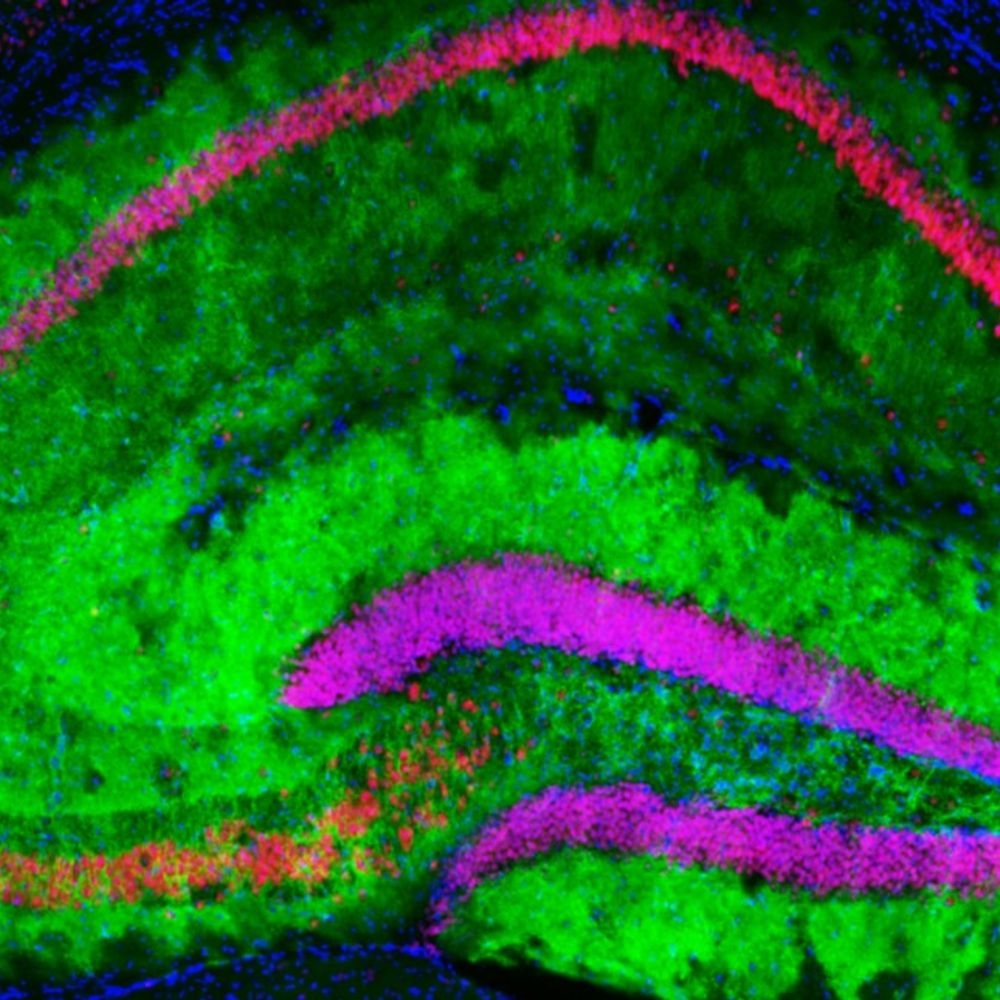
Thrilled to publish our new study on #mitochondrial ROS coming from complex III, revealing this key site in #astrocytes 🎯as a crucial immunometabolic signal transducer🤯 and potential therapeutic target for #dementia #FTD 💊 rdcu.be/eOc0m 👈💪 Great commentary by H. Pan and F. Yin🤩! tinyurl.com/4hdytw4c

November 4, 2025 at 6:30 PM
Thrilled to publish our new study on #mitochondrial ROS coming from complex III, revealing this key site in #astrocytes 🎯as a crucial immunometabolic signal transducer🤯 and potential therapeutic target for #dementia #FTD 💊 rdcu.be/eOc0m 👈💪 Great commentary by H. Pan and F. Yin🤩! tinyurl.com/4hdytw4c
Two separate studies from Gitler & Fratta labs reveal nuclear loss of TDP-43 disrupts RNA processing by altering alternative 3′ end cleavage & polyadenylation. They uncover new molecular signatures & shed new light on TDP-43 pathology
www.nature.com/articles/s41...
www.nature.com/articles/s41...
www.nature.com/articles/s41...
www.nature.com/articles/s41...

TDP-43 loss induces cryptic polyadenylation in ALS/FTD - Nature Neuroscience
The authors find that TDP-43 loss of function—the pathology defining the neurodegenerative conditions ALS and FTD—induces novel mRNA polyadenylation events, which have different effects, including an ...
www.nature.com
October 31, 2025 at 6:22 PM
Two separate studies from Gitler & Fratta labs reveal nuclear loss of TDP-43 disrupts RNA processing by altering alternative 3′ end cleavage & polyadenylation. They uncover new molecular signatures & shed new light on TDP-43 pathology
www.nature.com/articles/s41...
www.nature.com/articles/s41...
www.nature.com/articles/s41...
www.nature.com/articles/s41...
Reposted by Gan Lab

New article @natneuro.nature.com by @yaleneuro.bsky.social Suzhou Yang & @kavliatyale.bsky.social Postdoc Fellow @zhenlei.bsky.social, highlighting studies by @frattalab.bsky.social Gitler & La Spada labs on the role of TDP-43 on mRNA 3' end in ALS @yalerna.bsky.social www.nature.com/articles/s41...

TDP-43 loss brings RNA to a twist ending - Nature Neuroscience
In amyotrophic lateral sclerosis (ALS), nuclear depletion and cytoplasmic aggregation of the RNA-binding protein TDP-43 cause widespread dysregulation of mRNA splicing. Two recent studies have now rev...
www.nature.com
October 21, 2025 at 12:16 PM
New article @natneuro.nature.com by @yaleneuro.bsky.social Suzhou Yang & @kavliatyale.bsky.social Postdoc Fellow @zhenlei.bsky.social, highlighting studies by @frattalab.bsky.social Gitler & La Spada labs on the role of TDP-43 on mRNA 3' end in ALS @yalerna.bsky.social www.nature.com/articles/s41...
Fascinating study from the Mao & Jiang lab: four amino acid residues unique to naked mole-rat cGAS, but absent in humans, are critical for efficient DNA repair, delaying aging and expanding life span. www.science.org/doi/epdf/10....

A cGAS-mediated mechanism in naked mole-rats potentiates DNA repair and delays aging
Efficient DNA repair might make possible the longevity of naked mole-rats. However, whether they have distinctive mechanisms to optimize functions of DNA repair suppressors is unclear. We find that na...
www.science.org
October 16, 2025 at 11:50 PM
Fascinating study from the Mao & Jiang lab: four amino acid residues unique to naked mole-rat cGAS, but absent in humans, are critical for efficient DNA repair, delaying aging and expanding life span. www.science.org/doi/epdf/10....
Mao, Han & Dawson labs reveal air pollutant PM2.5 triggers αSyn misfolding, forming a pathogenic strain (PM-PFF) that drives Lewy body dementia. This study illuminates the link between air pollution & neurodegenerative disease, offering insights for public health
www.science.org/doi/10.1126/...
www.science.org/doi/10.1126/...

Lewy body dementia promotion by air pollutants
Evidence links air pollution to dementia, yet its role in Lewy body dementia (LBD) remains unclear. In this work, we showed in a cohort of 56.5 million individuals across the United States that fine p...
www.science.org
October 10, 2025 at 8:26 PM
Mao, Han & Dawson labs reveal air pollutant PM2.5 triggers αSyn misfolding, forming a pathogenic strain (PM-PFF) that drives Lewy body dementia. This study illuminates the link between air pollution & neurodegenerative disease, offering insights for public health
www.science.org/doi/10.1126/...
www.science.org/doi/10.1126/...
Collaborative work from Zhang, Cai & Peng labs identifies a glia-neuron protein co-expression subnetwork as a central driver of AD from multiscale genetic and proteomic analyses. AHNAK emerges as a key astrocytic driver whose downregulation reduces pTau & Aβ levels. www.cell.com/cell/fulltex...

Multiscale proteomic modeling reveals protein networks driving Alzheimer’s disease pathogenesis
Multiscale proteomic network modeling of Alzheimer's disease integrates large-scale
proteomic and genetic data from vulnerable brain regions and reveals key driver proteins
such as AHNAK within a glia...
www.cell.com
October 3, 2025 at 9:09 PM
Collaborative work from Zhang, Cai & Peng labs identifies a glia-neuron protein co-expression subnetwork as a central driver of AD from multiscale genetic and proteomic analyses. AHNAK emerges as a key astrocytic driver whose downregulation reduces pTau & Aβ levels. www.cell.com/cell/fulltex...
Wu lab discovers early neuronal hyperactivity in TDP-43 induces rod-shaped microglia, which attenuates cortical hyperactivity, suggesting a neuroprotective role. Coincidentally, TREM2 signaling also promotes rod-shaped MG & neuroprotection. www.cell.com/immunity/abs...

Rod-shaped microglia interact with neuronal dendrites to attenuate cortical excitability during TDP-43-related neurodegeneration
While microglial activation is a hallmark in neurodegeneration, the specific role
of microglia in disease-related cortical excitability remains unknown. Xie et al.
reveal that rod-shaped microglia for...
www.cell.com
September 22, 2025 at 7:53 PM
Wu lab discovers early neuronal hyperactivity in TDP-43 induces rod-shaped microglia, which attenuates cortical hyperactivity, suggesting a neuroprotective role. Coincidentally, TREM2 signaling also promotes rod-shaped MG & neuroprotection. www.cell.com/immunity/abs...
New study from Yu & Sun identifies TFEB as a molecular link between neurons & oligodendrocytes (OL) in myelination. Neuronal signals trap TFEB in OL's cytoplasm, keeping TFEB from entering nucleus & repressing cholesterol biosynthesis genes, which causes hypomyelination
www.cell.com/cell-reports...
www.cell.com/cell-reports...

Neurons sequester the cholesterol-inhibiting TFEB in oligodendrocyte cytoplasm to safeguard myelination and neural function
Zhang et al. identify TFEB as a molecular link that connects extrinsic neuronal cues
to intrinsic oligodendrocyte transcriptional programs. TFEB directly binds to and
represses numerous cholesterol bi...
www.cell.com
September 11, 2025 at 10:41 PM
New study from Yu & Sun identifies TFEB as a molecular link between neurons & oligodendrocytes (OL) in myelination. Neuronal signals trap TFEB in OL's cytoplasm, keeping TFEB from entering nucleus & repressing cholesterol biosynthesis genes, which causes hypomyelination
www.cell.com/cell-reports...
www.cell.com/cell-reports...
Interesting study from Xu, Zhang & Mo labs: oxidized mtDNA can transform into Z-DNA & activate ZBP1–RIPK1–dependent inflammation in AD microglia. This highlights ZBP1–RIPK1 as a key regulatory axis of neuroinflammation & offers novel insights on AD inflammatory networks www.cell.com/immunity/ful...

Innate immune sensing of Z-nucleic acids by ZBP1-RIPK1 axis drives neuroinflammation in Alzheimer’s disease
Microglia-mediated neuroinflammation drives Alzheimer's disease (AD) pathogenesis,
yet the underlying mechanism is poorly understood. Song et al. demonstrate that toxic
amyloid-β induces oxidation and...
www.cell.com
September 6, 2025 at 9:51 PM
Interesting study from Xu, Zhang & Mo labs: oxidized mtDNA can transform into Z-DNA & activate ZBP1–RIPK1–dependent inflammation in AD microglia. This highlights ZBP1–RIPK1 as a key regulatory axis of neuroinflammation & offers novel insights on AD inflammatory networks www.cell.com/immunity/ful...
Reposted by Gan Lab

🏆🏆🏆 CONGRATULATIONS to the winner of the PBL Assay Science Best Speaker Award Sarah Naguib @sarahnaguib.bsky.social
Title: Elucidating the neuroprotective mechanisms of human microglial replacement therapy in FTD and PD
Thank you PBL Assay Science for sponsoring the award
Title: Elucidating the neuroprotective mechanisms of human microglial replacement therapy in FTD and PD
Thank you PBL Assay Science for sponsoring the award

August 26, 2025 at 6:02 PM
🏆🏆🏆 CONGRATULATIONS to the winner of the PBL Assay Science Best Speaker Award Sarah Naguib @sarahnaguib.bsky.social
Title: Elucidating the neuroprotective mechanisms of human microglial replacement therapy in FTD and PD
Thank you PBL Assay Science for sponsoring the award
Title: Elucidating the neuroprotective mechanisms of human microglial replacement therapy in FTD and PD
Thank you PBL Assay Science for sponsoring the award
The Kolachama Lab is tackling the PET scan bottleneck in Alzheimer’s diagnosis with an AI model that predicts amyloid-β & tau status from 12,185 patients across 7 cohorts, offering a scalable alternative for pre-screening & guiding PET imaging. www.nature.com/articles/s41...
AI-driven fusion of multimodal data for Alzheimer’s disease biomarker assessment - Nature Communications
A flexible AI framework integrates multimodal neurology work-up data to estimate amyloid and tau burden, supporting scalable biomarker stratification for Alzheimer’s disease research and trial screeni...
www.nature.com
August 25, 2025 at 5:42 PM
The Kolachama Lab is tackling the PET scan bottleneck in Alzheimer’s diagnosis with an AI model that predicts amyloid-β & tau status from 12,185 patients across 7 cohorts, offering a scalable alternative for pre-screening & guiding PET imaging. www.nature.com/articles/s41...
Exciting finding: Endogenous lithium is essential for brain health and its deficiency contributes to the onset and progression of Alzheimer’s disease, by activating GSK3β—leading to impaired Aβ clearance and synapse loss
🧠 Led by Dr. Bruce Yankner @harvardmed.bsky.social
🔗 doi.org/10.1038/s415...
🧠 Led by Dr. Bruce Yankner @harvardmed.bsky.social
🔗 doi.org/10.1038/s415...

Lithium deficiency and the onset of Alzheimer’s disease - Nature
Lithium has an essential role in the brain and is deficient early in Alzheimer’s disease, which can be recapitulated in mice and treated with a novel lithium salt that restores the physiological level...
doi.org
August 8, 2025 at 6:53 PM
Exciting finding: Endogenous lithium is essential for brain health and its deficiency contributes to the onset and progression of Alzheimer’s disease, by activating GSK3β—leading to impaired Aβ clearance and synapse loss
🧠 Led by Dr. Bruce Yankner @harvardmed.bsky.social
🔗 doi.org/10.1038/s415...
🧠 Led by Dr. Bruce Yankner @harvardmed.bsky.social
🔗 doi.org/10.1038/s415...
By developing an antibody-based method using mass spec, this study uncovered >200 UFMylation sites across mouse tissues—including on myosin. Myosin UFMylation is elevated in skeletal muscle from people with ALS, suggesting in vivo UFMylation is more dynamic than expected www.cell.com/cell-reports...

Site-specific quantification of the in vivo UFMylome reveals myosin modification in ALS
UFMylation is the post-translational modification of Ubiquitin Fold Modifier1 (UFM1)
applied to substrate proteins. Blazev et al. develop an antibody-based enrichment
approach followed by LC-MS/MS to ...
www.cell.com
August 6, 2025 at 8:04 PM
By developing an antibody-based method using mass spec, this study uncovered >200 UFMylation sites across mouse tissues—including on myosin. Myosin UFMylation is elevated in skeletal muscle from people with ALS, suggesting in vivo UFMylation is more dynamic than expected www.cell.com/cell-reports...
Fascinating study from Hyman, Alberti & Mittal labs reveals how stress granules promote TDP-43 aggregation through intra-condensate demixing driven by Cys oxidation & hydrophobic patch contacts, marking the crucial role of stress granules & opening new doors for therapy.
www.cell.com/cell/fulltex...
www.cell.com/cell/fulltex...

Intra-condensate demixing of TDP-43 inside stress granules generates pathological aggregates
Stress granules promote TDP-43 aggregation via intra-condensate demixing, a pathway
triggered by its up-concentration and oxidation within condensates. Blocking this
demixing pathway prevents TDP-43 a...
www.cell.com
August 5, 2025 at 2:50 PM
Fascinating study from Hyman, Alberti & Mittal labs reveals how stress granules promote TDP-43 aggregation through intra-condensate demixing driven by Cys oxidation & hydrophobic patch contacts, marking the crucial role of stress granules & opening new doors for therapy.
www.cell.com/cell/fulltex...
www.cell.com/cell/fulltex...