




Jonathan Lodge
@jjlodge.bsky.social
Finalist Astronomy Photographer of the Year 2023 x2 and 2024 x2
NASA APOD x4
All images have been processed by me, mostly from remote observatory data, animations are my own work, not AI
Instagram https://www.instagram.com/jjlodge/
NASA APOD x4
All images have been processed by me, mostly from remote observatory data, animations are my own work, not AI
Instagram https://www.instagram.com/jjlodge/
The Small Magellanic Cloud (SMC) is a dwarf irregular galaxy close to our own Milky Way.
🌍
At a distance of about 200,000 light-years from earth, the SMC is among the nearest intergalactic neighbours of the Milky Way and is one of the most distant objects visible to the naked eye.
#Astronomy
🌍
At a distance of about 200,000 light-years from earth, the SMC is among the nearest intergalactic neighbours of the Milky Way and is one of the most distant objects visible to the naked eye.
#Astronomy

July 4, 2025 at 9:05 AM
The Small Magellanic Cloud (SMC) is a dwarf irregular galaxy close to our own Milky Way.
🌍
At a distance of about 200,000 light-years from earth, the SMC is among the nearest intergalactic neighbours of the Milky Way and is one of the most distant objects visible to the naked eye.
#Astronomy
🌍
At a distance of about 200,000 light-years from earth, the SMC is among the nearest intergalactic neighbours of the Milky Way and is one of the most distant objects visible to the naked eye.
#Astronomy
Centaurus A, also known as NGC 5128 is one of the closest radio galaxies to Earth, so its active galactic nucleus has been extensively studied by professional astronomers.
⭐
The galaxy is also the fifth-brightest in the sky and the centre of the galaxy contains a supermassive black hole
#Astronomy
⭐
The galaxy is also the fifth-brightest in the sky and the centre of the galaxy contains a supermassive black hole
#Astronomy

July 1, 2025 at 9:05 AM
Centaurus A, also known as NGC 5128 is one of the closest radio galaxies to Earth, so its active galactic nucleus has been extensively studied by professional astronomers.
⭐
The galaxy is also the fifth-brightest in the sky and the centre of the galaxy contains a supermassive black hole
#Astronomy
⭐
The galaxy is also the fifth-brightest in the sky and the centre of the galaxy contains a supermassive black hole
#Astronomy
NGC 3324 is an open cluster in the southern constellation Carina, at a distance of 9100 light years from Earth. It is closely associated with the emission nebula IC 2599 which has been nicknamed the "Gabriela Mistral Nebula" due to its resemblance to the Chilean poet.
#Astronomy
#Astronomy

June 26, 2025 at 3:35 PM
NGC 3324 is an open cluster in the southern constellation Carina, at a distance of 9100 light years from Earth. It is closely associated with the emission nebula IC 2599 which has been nicknamed the "Gabriela Mistral Nebula" due to its resemblance to the Chilean poet.
#Astronomy
#Astronomy
Not currently visible to most of the planet...
🌌
One of the most famous vistas in the sky, in the period May–July (summer in the Northern Hemisphere, winter in the Southern Hemisphere), Orion is in the daytime sky and thus invisible at most latitudes, except Antartica.
#Astronomy
🌌
One of the most famous vistas in the sky, in the period May–July (summer in the Northern Hemisphere, winter in the Southern Hemisphere), Orion is in the daytime sky and thus invisible at most latitudes, except Antartica.
#Astronomy


June 24, 2025 at 5:31 PM
Not currently visible to most of the planet...
🌌
One of the most famous vistas in the sky, in the period May–July (summer in the Northern Hemisphere, winter in the Southern Hemisphere), Orion is in the daytime sky and thus invisible at most latitudes, except Antartica.
#Astronomy
🌌
One of the most famous vistas in the sky, in the period May–July (summer in the Northern Hemisphere, winter in the Southern Hemisphere), Orion is in the daytime sky and thus invisible at most latitudes, except Antartica.
#Astronomy
💍Lindsay-Shapley Ring AM0644-741, the rim of the blue galaxy is an immense ring-like structure 150,000 light years in diameter composed of newly formed, extremely bright, massive stars.
#astronomy
#astronomy


June 20, 2025 at 9:05 AM
💍Lindsay-Shapley Ring AM0644-741, the rim of the blue galaxy is an immense ring-like structure 150,000 light years in diameter composed of newly formed, extremely bright, massive stars.
#astronomy
#astronomy
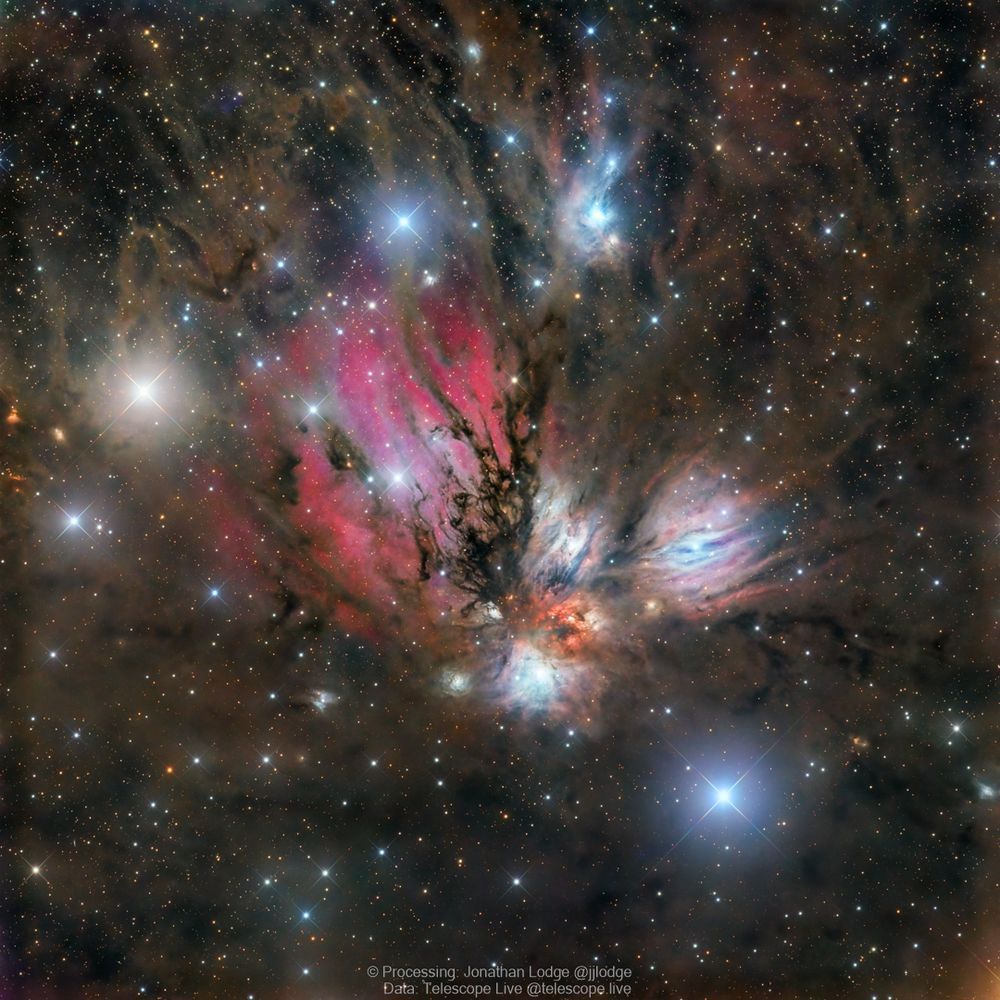
The Angel Nebula, also known as NGC 2170.
⬅️
Swipe left to see a view with a to scale Full Moon superimposed to show how big NGC 2170 would appear in the sky if our eyes were sensitive enough to see it. I also included a crop to show a closer view of the diffraction spikes on the stars.
#Astronomy
⬅️
Swipe left to see a view with a to scale Full Moon superimposed to show how big NGC 2170 would appear in the sky if our eyes were sensitive enough to see it. I also included a crop to show a closer view of the diffraction spikes on the stars.
#Astronomy


June 12, 2025 at 9:05 AM
The Angel Nebula, also known as NGC 2170.
⬅️
Swipe left to see a view with a to scale Full Moon superimposed to show how big NGC 2170 would appear in the sky if our eyes were sensitive enough to see it. I also included a crop to show a closer view of the diffraction spikes on the stars.
#Astronomy
⬅️
Swipe left to see a view with a to scale Full Moon superimposed to show how big NGC 2170 would appear in the sky if our eyes were sensitive enough to see it. I also included a crop to show a closer view of the diffraction spikes on the stars.
#Astronomy
The Lagoon Nebula (aka Messier 8, NGC 6523,
Sharpless 25, RCW 146, and Gum 72) is a giant
interstellar cloud in the constellation of Sagittarius. It is
classified as an emission nebula and as an H II region.
⭐️
It is estimated to be between 4,000–6,000 light-years
away from the Earth.
#Astronomy
Sharpless 25, RCW 146, and Gum 72) is a giant
interstellar cloud in the constellation of Sagittarius. It is
classified as an emission nebula and as an H II region.
⭐️
It is estimated to be between 4,000–6,000 light-years
away from the Earth.
#Astronomy

June 5, 2025 at 9:05 AM
The Lagoon Nebula (aka Messier 8, NGC 6523,
Sharpless 25, RCW 146, and Gum 72) is a giant
interstellar cloud in the constellation of Sagittarius. It is
classified as an emission nebula and as an H II region.
⭐️
It is estimated to be between 4,000–6,000 light-years
away from the Earth.
#Astronomy
Sharpless 25, RCW 146, and Gum 72) is a giant
interstellar cloud in the constellation of Sagittarius. It is
classified as an emission nebula and as an H II region.
⭐️
It is estimated to be between 4,000–6,000 light-years
away from the Earth.
#Astronomy
Southern Beehive, made with data from
@telescope.live ASA 500N/FLI PL16803, processed by
Jonathan Lodge.
🌟
The Southern Beehive (aka The Sprinter, NGC 2516,
Caldwell 96) is an open star cluster in the southern sky
in the constellation Carina.
#Astronomy
@telescope.live ASA 500N/FLI PL16803, processed by
Jonathan Lodge.
🌟
The Southern Beehive (aka The Sprinter, NGC 2516,
Caldwell 96) is an open star cluster in the southern sky
in the constellation Carina.
#Astronomy


June 3, 2025 at 9:05 AM
Southern Beehive, made with data from
@telescope.live ASA 500N/FLI PL16803, processed by
Jonathan Lodge.
🌟
The Southern Beehive (aka The Sprinter, NGC 2516,
Caldwell 96) is an open star cluster in the southern sky
in the constellation Carina.
#Astronomy
@telescope.live ASA 500N/FLI PL16803, processed by
Jonathan Lodge.
🌟
The Southern Beehive (aka The Sprinter, NGC 2516,
Caldwell 96) is an open star cluster in the southern sky
in the constellation Carina.
#Astronomy
Reflection Nebula NGC 5367 in Cometary Globule 12.
🔭
NGC 5367 is a reflection nebula (blue area close to the end of the structure) around 2500 light years away in Centaurus. It is embedded in the Cometary Globule CG 12 (large brown structure).
#Astronomy
🔭
NGC 5367 is a reflection nebula (blue area close to the end of the structure) around 2500 light years away in Centaurus. It is embedded in the Cometary Globule CG 12 (large brown structure).
#Astronomy


May 29, 2025 at 9:05 AM
Reflection Nebula NGC 5367 in Cometary Globule 12.
🔭
NGC 5367 is a reflection nebula (blue area close to the end of the structure) around 2500 light years away in Centaurus. It is embedded in the Cometary Globule CG 12 (large brown structure).
#Astronomy
🔭
NGC 5367 is a reflection nebula (blue area close to the end of the structure) around 2500 light years away in Centaurus. It is embedded in the Cometary Globule CG 12 (large brown structure).
#Astronomy
NGC 2626 is a reflection nebula, emission nebula, and absorption nebula which lies within a complex of dusty molecular clouds called the Vela Molecular Ridge about 3200 light years away, in the constellation Vela.
🔭
#Astronomy
🔭
#Astronomy

May 27, 2025 at 9:05 AM
NGC 2626 is a reflection nebula, emission nebula, and absorption nebula which lies within a complex of dusty molecular clouds called the Vela Molecular Ridge about 3200 light years away, in the constellation Vela.
🔭
#Astronomy
🔭
#Astronomy
Polaris.
🌟
It is a star in the northern circumpolar constellation of Ursa Minor, it is the brightest star in the constellation and is readily visible to the naked eye at night. It is designated α Ursae Minoris and is commonly called the North Star or Pole Star.
#Astronomy
🌟
It is a star in the northern circumpolar constellation of Ursa Minor, it is the brightest star in the constellation and is readily visible to the naked eye at night. It is designated α Ursae Minoris and is commonly called the North Star or Pole Star.
#Astronomy

May 23, 2025 at 9:05 AM
Polaris.
🌟
It is a star in the northern circumpolar constellation of Ursa Minor, it is the brightest star in the constellation and is readily visible to the naked eye at night. It is designated α Ursae Minoris and is commonly called the North Star or Pole Star.
#Astronomy
🌟
It is a star in the northern circumpolar constellation of Ursa Minor, it is the brightest star in the constellation and is readily visible to the naked eye at night. It is designated α Ursae Minoris and is commonly called the North Star or Pole Star.
#Astronomy
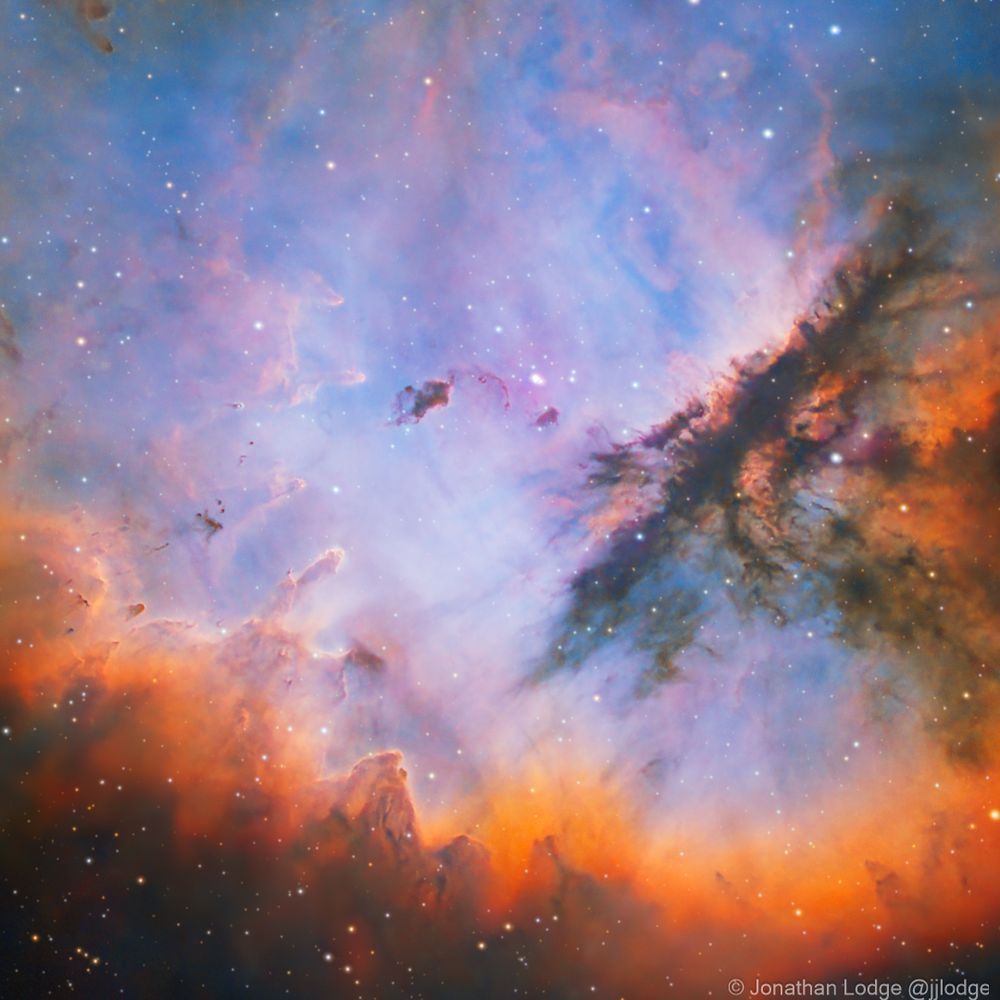
Pacman Nebula, that I took myself back in 2018,
this is the third time I've processed it.
🌌
It is a bright emission nebula in Cassiopeia and resides
in the Milky Way's Perseus Arm and gets it's name
from it's resemblance to the video game character.
#astronomy
this is the third time I've processed it.
🌌
It is a bright emission nebula in Cassiopeia and resides
in the Milky Way's Perseus Arm and gets it's name
from it's resemblance to the video game character.
#astronomy

May 21, 2025 at 5:30 PM
Pacman Nebula, that I took myself back in 2018,
this is the third time I've processed it.
🌌
It is a bright emission nebula in Cassiopeia and resides
in the Milky Way's Perseus Arm and gets it's name
from it's resemblance to the video game character.
#astronomy
this is the third time I've processed it.
🌌
It is a bright emission nebula in Cassiopeia and resides
in the Milky Way's Perseus Arm and gets it's name
from it's resemblance to the video game character.
#astronomy
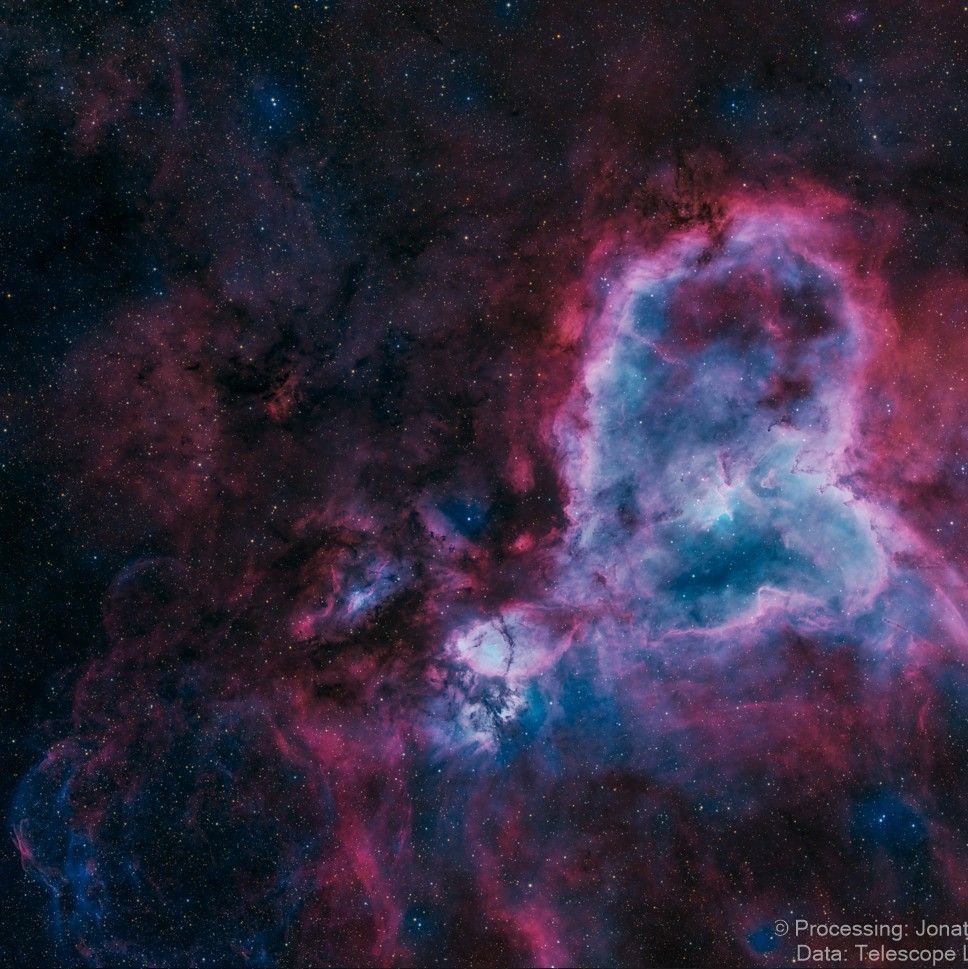
💖 The Heart and Soul Nebulae ⬅️Swipe left for the full view, made with data from @telescope.live Takahashi FSQ-106/FLI PL 16803 processed by Jonathan Lodge.
💗
Located in the constellation of Cassiopeia and around 7500 light years away from Earth.
#astronomy
💗
Located in the constellation of Cassiopeia and around 7500 light years away from Earth.
#astronomy


May 19, 2025 at 5:30 PM
💖 The Heart and Soul Nebulae ⬅️Swipe left for the full view, made with data from @telescope.live Takahashi FSQ-106/FLI PL 16803 processed by Jonathan Lodge.
💗
Located in the constellation of Cassiopeia and around 7500 light years away from Earth.
#astronomy
💗
Located in the constellation of Cassiopeia and around 7500 light years away from Earth.
#astronomy
The Baby Eagle Nebula [left] (AKA LBN 777) is a giant molecular cloud consisting of cosmic dust and molecular gas, with an average density of 100-1000 particles per cubic centimetre.
🦅
Barnard 7 [lower centre] is a dusty dark nebula region containing a small reflection nebula LBN 782.
🌌
#astronomy
🦅
Barnard 7 [lower centre] is a dusty dark nebula region containing a small reflection nebula LBN 782.
🌌
#astronomy


May 17, 2025 at 9:05 AM
The Baby Eagle Nebula [left] (AKA LBN 777) is a giant molecular cloud consisting of cosmic dust and molecular gas, with an average density of 100-1000 particles per cubic centimetre.
🦅
Barnard 7 [lower centre] is a dusty dark nebula region containing a small reflection nebula LBN 782.
🌌
#astronomy
🦅
Barnard 7 [lower centre] is a dusty dark nebula region containing a small reflection nebula LBN 782.
🌌
#astronomy
The Wolf's Cave nebula gets it's name from the German astronomer Max Wolf (1863 – 1932), who believed that the complex looked like a cave, hence it became known as 'Wolf's Cave'.
Part of a 3 panel mosaic with a total integration time of 31 hours.
Part of a 3 panel mosaic with a total integration time of 31 hours.


May 15, 2025 at 5:30 PM
The Wolf's Cave nebula gets it's name from the German astronomer Max Wolf (1863 – 1932), who believed that the complex looked like a cave, hence it became known as 'Wolf's Cave'.
Part of a 3 panel mosaic with a total integration time of 31 hours.
Part of a 3 panel mosaic with a total integration time of 31 hours.
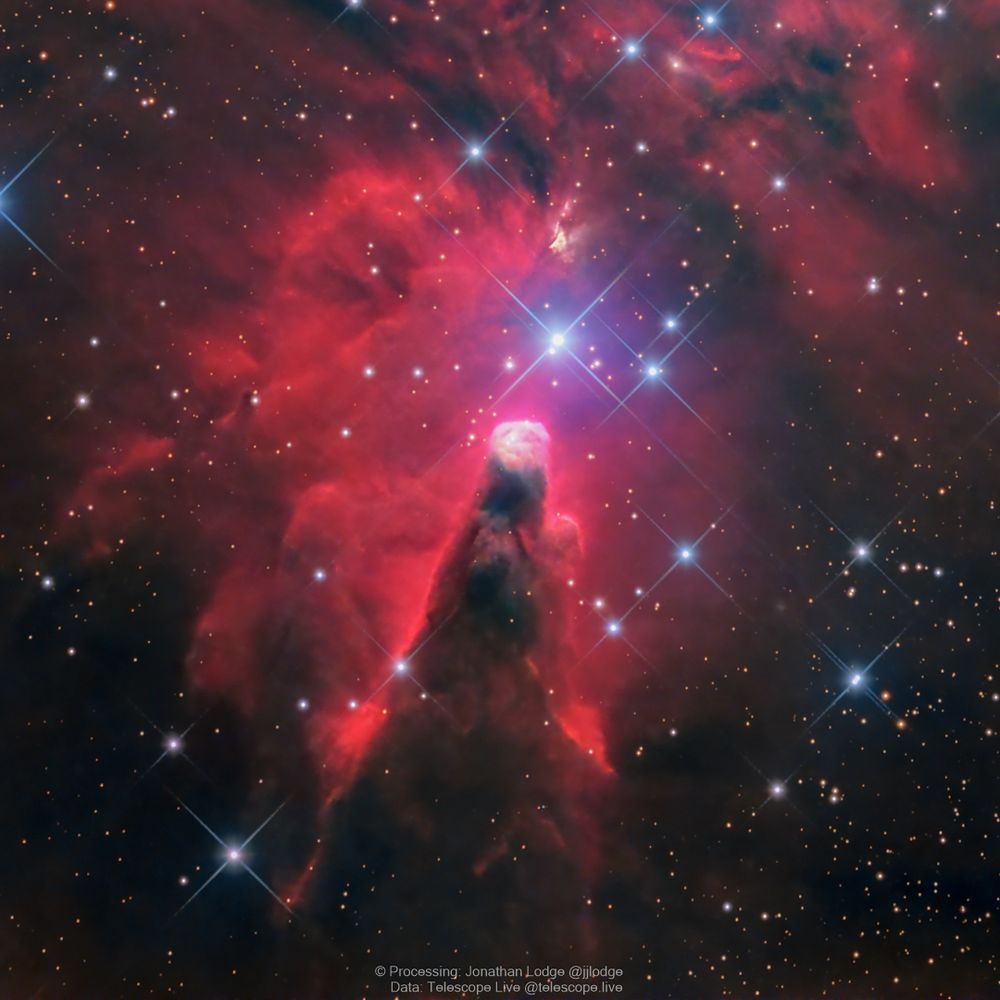
The Christmas Tree cluster and the Cone Nebula (top and ⬅️ second pic closeup) are collectively designated as NGC 2264, and is located around 2300 light years from Earth in the Monoceros (Unicorn) constellation.🦄
🦊
The Fox Fur Nebula can be seen in the middle (third closeup) #Astronomy
🦊
The Fox Fur Nebula can be seen in the middle (third closeup) #Astronomy


February 6, 2025 at 10:05 AM
The Christmas Tree cluster and the Cone Nebula (top and ⬅️ second pic closeup) are collectively designated as NGC 2264, and is located around 2300 light years from Earth in the Monoceros (Unicorn) constellation.🦄
🦊
The Fox Fur Nebula can be seen in the middle (third closeup) #Astronomy
🦊
The Fox Fur Nebula can be seen in the middle (third closeup) #Astronomy
The Cocoon Nebula (aka IC 5146, Sh 2-125 and Barnard 168 - upper right) is a reflection/emission nebula and Caldwell object in the constellation Cygnus. The NGC description refers to IC 5146 as a cluster of 9.5 mag stars involved in a bright and dark nebula.
#Astronomy
#Astronomy


February 5, 2025 at 6:30 PM
The Cocoon Nebula (aka IC 5146, Sh 2-125 and Barnard 168 - upper right) is a reflection/emission nebula and Caldwell object in the constellation Cygnus. The NGC description refers to IC 5146 as a cluster of 9.5 mag stars involved in a bright and dark nebula.
#Astronomy
#Astronomy
The Great Barred Spiral Galaxy (NGC 1365) is located around 75 million light years away in the constellation of Fornax.
Astronomers think that the prominent bar plays an important part in the galaxy's evolution, attracting gas and dust into the central supermassive black hole.
#Astrophotography
Astronomers think that the prominent bar plays an important part in the galaxy's evolution, attracting gas and dust into the central supermassive black hole.
#Astrophotography


January 30, 2025 at 10:05 AM
The Great Barred Spiral Galaxy (NGC 1365) is located around 75 million light years away in the constellation of Fornax.
Astronomers think that the prominent bar plays an important part in the galaxy's evolution, attracting gas and dust into the central supermassive black hole.
#Astrophotography
Astronomers think that the prominent bar plays an important part in the galaxy's evolution, attracting gas and dust into the central supermassive black hole.
#Astrophotography
The Butterfly Nebula (aka Bug Nebula, NGC 6302) is a bipolar planetary nebula on the constellation of Scorpius. It has one of the most complex structures ever seen in planetary nebulae.
#Astrophotography
#Astrophotography


January 29, 2025 at 10:05 AM
The Butterfly Nebula (aka Bug Nebula, NGC 6302) is a bipolar planetary nebula on the constellation of Scorpius. It has one of the most complex structures ever seen in planetary nebulae.
#Astrophotography
#Astrophotography
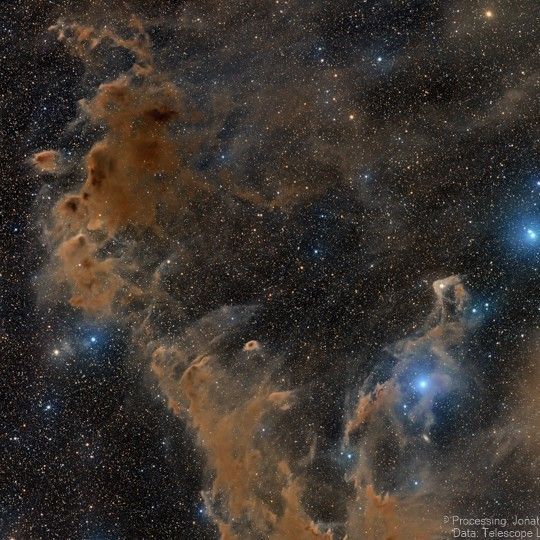
Chamaeleon Cloud Complex, Swipe ⬅️ for the full vista
🦎
Sometimes the dark dust of interstellar space has an angular elegance, as is the case here toward the far-south constellation of Chamaeleon.
#Astrophotography
🦎
Sometimes the dark dust of interstellar space has an angular elegance, as is the case here toward the far-south constellation of Chamaeleon.
#Astrophotography



January 23, 2025 at 6:30 PM
Chamaeleon Cloud Complex, Swipe ⬅️ for the full vista
🦎
Sometimes the dark dust of interstellar space has an angular elegance, as is the case here toward the far-south constellation of Chamaeleon.
#Astrophotography
🦎
Sometimes the dark dust of interstellar space has an angular elegance, as is the case here toward the far-south constellation of Chamaeleon.
#Astrophotography
The Andromeda Galaxy (Messier 31), is our nearest major galaxy neighbour and is heading towards us at 80 miles per second (130km per second), but don't worry at 2.5 million light years away, it won't reach us for another 4 to 5 billion years, by which time the Sun will have become a Red Giant.

January 22, 2025 at 6:30 PM
The Andromeda Galaxy (Messier 31), is our nearest major galaxy neighbour and is heading towards us at 80 miles per second (130km per second), but don't worry at 2.5 million light years away, it won't reach us for another 4 to 5 billion years, by which time the Sun will have become a Red Giant.
The Leo Triplet of Galaxies (also known as the M66 Group) is a small group of interacting galaxies about 35 million light-years away in the constellation Leo. This galaxy group consists of the spiral galaxies M65 (yellow one, bottom), M66 (blue one, top), and NGC 3628 (Hamburger galaxy).

December 19, 2024 at 10:05 AM
The Leo Triplet of Galaxies (also known as the M66 Group) is a small group of interacting galaxies about 35 million light-years away in the constellation Leo. This galaxy group consists of the spiral galaxies M65 (yellow one, bottom), M66 (blue one, top), and NGC 3628 (Hamburger galaxy).
NGC 1532, also known as Haley's Coronet, is an edge-on barred spiral galaxy located approximately 50 million light-years from the Solar System in the constellation Eridanus. NGC 1531 (above the core of NGC 1532) is is a dwarf galaxy that is interacting with the larger spiral galaxy #astrophotography

December 17, 2024 at 10:57 AM
NGC 1532, also known as Haley's Coronet, is an edge-on barred spiral galaxy located approximately 50 million light-years from the Solar System in the constellation Eridanus. NGC 1531 (above the core of NGC 1532) is is a dwarf galaxy that is interacting with the larger spiral galaxy #astrophotography
Here I have combined data from the Hubble Space Telescope, the Chandra X-ray Observatory and ground based Officina Stellare ProRC 700 under dark skies in Spain.
The Cat's Eye Nebula (also known as NGC 6543) is a planetary nebula in the northern constellation of Draco.
The Cat's Eye Nebula (also known as NGC 6543) is a planetary nebula in the northern constellation of Draco.


December 12, 2024 at 6:30 PM
Here I have combined data from the Hubble Space Telescope, the Chandra X-ray Observatory and ground based Officina Stellare ProRC 700 under dark skies in Spain.
The Cat's Eye Nebula (also known as NGC 6543) is a planetary nebula in the northern constellation of Draco.
The Cat's Eye Nebula (also known as NGC 6543) is a planetary nebula in the northern constellation of Draco.
Reposted by Jonathan Lodge
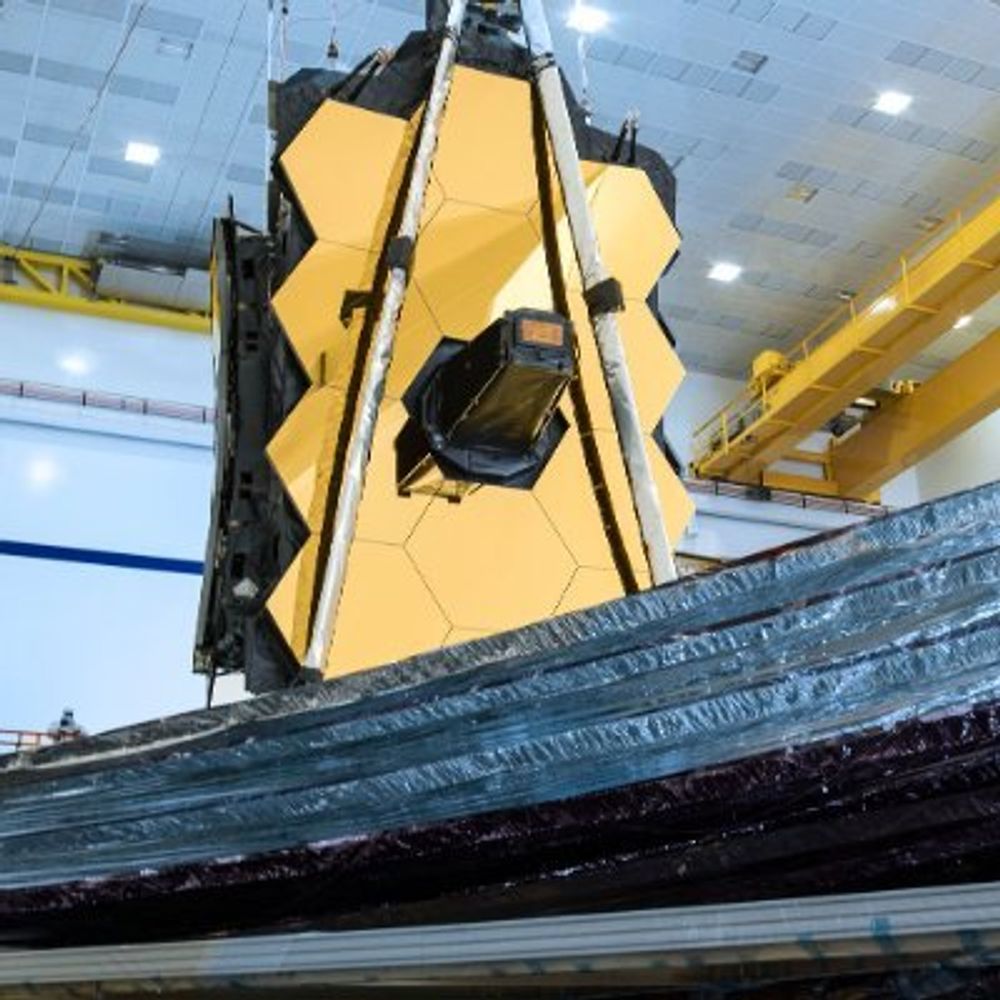
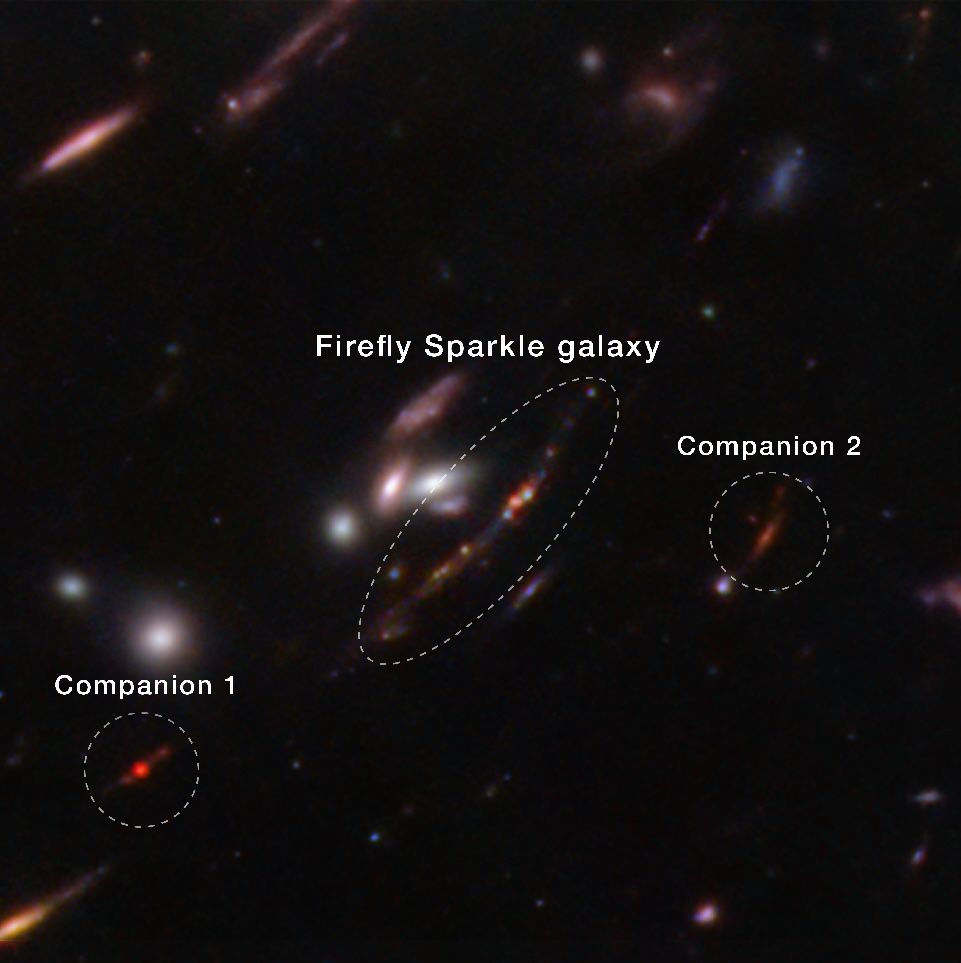
Someone struck a match against the night…
Webb discerned distinct star clusters in the Firefly Sparkle galaxy, which existed 600 million years after the big bang - the first discovery of an actively forming galaxy as lightweight as the young Milky Way. https://t.co/cJenCOWLsc https://t.co/BWCarE
Webb discerned distinct star clusters in the Firefly Sparkle galaxy, which existed 600 million years after the big bang - the first discovery of an actively forming galaxy as lightweight as the young Milky Way. https://t.co/cJenCOWLsc https://t.co/BWCarE
December 11, 2024 at 4:35 PM
Someone struck a match against the night…
Webb discerned distinct star clusters in the Firefly Sparkle galaxy, which existed 600 million years after the big bang - the first discovery of an actively forming galaxy as lightweight as the young Milky Way. https://t.co/cJenCOWLsc https://t.co/BWCarE
Webb discerned distinct star clusters in the Firefly Sparkle galaxy, which existed 600 million years after the big bang - the first discovery of an actively forming galaxy as lightweight as the young Milky Way. https://t.co/cJenCOWLsc https://t.co/BWCarE