



Julio Iturra-Sanhueza
@jciturras.bsky.social
Chile, bikes & Sociology @udeconcepcion | stratification, networks, inequality attitudes and social cohesion | @BIGSSS_Bremen
@CentroCOES |
Con todas las fuerzas de la historia
@CentroCOES |
Con todas las fuerzas de la historia
Pinned

Class-based network segregation, economic inequality, and redistributive preferences across societies
Abstract. Rising economic inequality has renewed interest in how class-based social networks shape redistributive preferences across societies. While previ
doi.org
1/
My new article in European Sociological Review (@europeansocreview.bsky.social) examines how class-based network segregation and national-level inequality shape support for redistribution, using data from 32,717 individuals across 31 countries.
DOI: doi.org/10.1093/esr/...
👇
My new article in European Sociological Review (@europeansocreview.bsky.social) examines how class-based network segregation and national-level inequality shape support for redistribution, using data from 32,717 individuals across 31 countries.
DOI: doi.org/10.1093/esr/...
👇
Reposted by Julio Iturra-Sanhueza

How are contemporary cleavage structures stabilized in times of declining mass social and political organizations?
In this new paper with @davidattewell6.bsky.social @bjpols.bsky.social, we suggest that homogeneous social (educational) networks provide part of the answer.
tinyurl.com/49cs8jwp
In this new paper with @davidattewell6.bsky.social @bjpols.bsky.social, we suggest that homogeneous social (educational) networks provide part of the answer.
tinyurl.com/49cs8jwp
Educational Networks, Social Closure, and Cleavage Stabilization | British Journal of Political Science | Cambridge Core
Educational Networks, Social Closure, and Cleavage Stabilization - Volume 55
tinyurl.com
November 6, 2025 at 8:28 AM
How are contemporary cleavage structures stabilized in times of declining mass social and political organizations?
In this new paper with @davidattewell6.bsky.social @bjpols.bsky.social, we suggest that homogeneous social (educational) networks provide part of the answer.
tinyurl.com/49cs8jwp
In this new paper with @davidattewell6.bsky.social @bjpols.bsky.social, we suggest that homogeneous social (educational) networks provide part of the answer.
tinyurl.com/49cs8jwp
1/
My new article in European Sociological Review (@europeansocreview.bsky.social) examines how class-based network segregation and national-level inequality shape support for redistribution, using data from 32,717 individuals across 31 countries.
DOI: doi.org/10.1093/esr/...
👇
My new article in European Sociological Review (@europeansocreview.bsky.social) examines how class-based network segregation and national-level inequality shape support for redistribution, using data from 32,717 individuals across 31 countries.
DOI: doi.org/10.1093/esr/...
👇
Class-based network segregation, economic inequality, and redistributive preferences across societies
Abstract. Rising economic inequality has renewed interest in how class-based social networks shape redistributive preferences across societies. While previ
doi.org
November 25, 2025 at 7:11 PM
1/
My new article in European Sociological Review (@europeansocreview.bsky.social) examines how class-based network segregation and national-level inequality shape support for redistribution, using data from 32,717 individuals across 31 countries.
DOI: doi.org/10.1093/esr/...
👇
My new article in European Sociological Review (@europeansocreview.bsky.social) examines how class-based network segregation and national-level inequality shape support for redistribution, using data from 32,717 individuals across 31 countries.
DOI: doi.org/10.1093/esr/...
👇
Reposted by Julio Iturra-Sanhueza

🧵1/6
New paper out in @sociologicalsci.bsky.social with @marckeuschnigg.bsky.social and Peter Hedström! We identify a social-influence mechanism that widens individuals' behavioral repertoires and breaks the link between individuals' initial preferences and the collective outcomes they bring about.
New paper out in @sociologicalsci.bsky.social with @marckeuschnigg.bsky.social and Peter Hedström! We identify a social-influence mechanism that widens individuals' behavioral repertoires and breaks the link between individuals' initial preferences and the collective outcomes they bring about.

Wide Social Influence and the Emergence of the Unexpected: An Empirical Test Using Spotify Data
Article: Wide Social Influence and the Emergence of the Unexpected: An Empirical Test Using Spotify Data | Sociological Science | Posted October 23, 2025
sociologicalscience.com
October 27, 2025 at 12:38 PM
🧵1/6
New paper out in @sociologicalsci.bsky.social with @marckeuschnigg.bsky.social and Peter Hedström! We identify a social-influence mechanism that widens individuals' behavioral repertoires and breaks the link between individuals' initial preferences and the collective outcomes they bring about.
New paper out in @sociologicalsci.bsky.social with @marckeuschnigg.bsky.social and Peter Hedström! We identify a social-influence mechanism that widens individuals' behavioral repertoires and breaks the link between individuals' initial preferences and the collective outcomes they bring about.
Reposted by Julio Iturra-Sanhueza

At BIGSSS we are currently looking for two PhD students (four years of DAAD funding) in our program Contentious Politics in the Digital Age (CoPoDi). Apply until 27 October 2025, more information here: www.bigsss-bremen.de/static/uploa...
www.bigsss-bremen.de
October 7, 2025 at 4:17 PM
At BIGSSS we are currently looking for two PhD students (four years of DAAD funding) in our program Contentious Politics in the Digital Age (CoPoDi). Apply until 27 October 2025, more information here: www.bigsss-bremen.de/static/uploa...
Reposted by Julio Iturra-Sanhueza

Find out more about the implementation of a climate change panel #survey fielded in Munich 🇩🇪 and Paris 🇫🇷 in 2023-24.
Diana Zavala-Rojas and Agustin Blanco Bosco (@upf.edu 🇪🇸) presented findings from a three-wave longitudinal survey that explored views on #climate change policies.
Diana Zavala-Rojas and Agustin Blanco Bosco (@upf.edu 🇪🇸) presented findings from a three-wave longitudinal survey that explored views on #climate change policies.

Insights from the ESS ICOS Cities Panel
Diana Zavala-Rojas and Agustin Blanco Bosco (Universitat Pompeu Fabra) delivered a survey method webinar on 17 September 2025.
youtu.be
October 2, 2025 at 4:15 PM
Reposted by Julio Iturra-Sanhueza

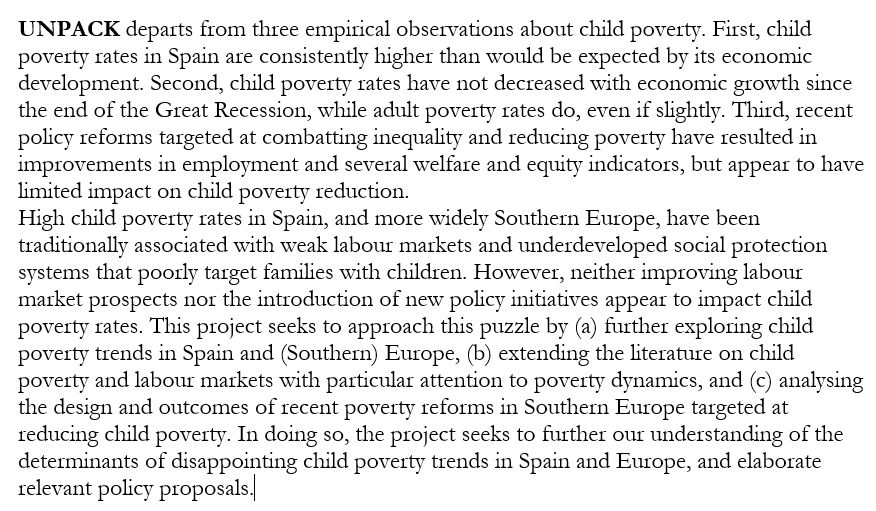
October 1st we will publish the call for a funded PhD student to work @demosocupf.bsky.social in the project 'Unpacking the Puzzle of Child Poverty: Why Child Poverty Persists Despite Economic Recovery and Declining Inequality', funded by the Spanish Research Agency. Interested? Get in touch!
September 26, 2025 at 12:58 PM
October 1st we will publish the call for a funded PhD student to work @demosocupf.bsky.social in the project 'Unpacking the Puzzle of Child Poverty: Why Child Poverty Persists Despite Economic Recovery and Declining Inequality', funded by the Spanish Research Agency. Interested? Get in touch!
Reposted by Julio Iturra-Sanhueza

📣We have exciting news!📣 that the first partial release of the international ISSP 2022 Family and Changing Gender Roles V data file (ZA10000_v1.0.0), which includes data from 22 ISSP member countries is now available for download online via GESIS Search at:
search.gesis.org/research_dat...
search.gesis.org/research_dat...
GESIS-Suche
search.gesis.org
May 16, 2025 at 9:00 AM
📣We have exciting news!📣 that the first partial release of the international ISSP 2022 Family and Changing Gender Roles V data file (ZA10000_v1.0.0), which includes data from 22 ISSP member countries is now available for download online via GESIS Search at:
search.gesis.org/research_dat...
search.gesis.org/research_dat...
Reposted by Julio Iturra-Sanhueza

In this new study, Kenneth Nelson and I find that higher social assistance - which raises the income floor for the most disadvantaged - can strengthen public support for ambitious but regressive climate measures like fossil fuel taxes.
Open access @reggovjournal.bsky.social: doi.org/10.1111/rego...
Open access @reggovjournal.bsky.social: doi.org/10.1111/rego...
September 9, 2025 at 3:44 PM
In this new study, Kenneth Nelson and I find that higher social assistance - which raises the income floor for the most disadvantaged - can strengthen public support for ambitious but regressive climate measures like fossil fuel taxes.
Open access @reggovjournal.bsky.social: doi.org/10.1111/rego...
Open access @reggovjournal.bsky.social: doi.org/10.1111/rego...
Reposted by Julio Iturra-Sanhueza

Correlational & experimental evidence from China finds that during the COVID pandemic, system justification was associated with an increased sense of personal control, decreased anxiety and negative affect, and increased positive affect. #palliative
bpspsychub.onlinelibrary.wiley.com/doi/pdfdirec...
bpspsychub.onlinelibrary.wiley.com/doi/pdfdirec...

<em>British Journal of Social Psychology</em> | Wiley Online Library
The coronavirus disease 2019 (COVID-19) pandemic has had a detrimental effect on people's mental health. Drawing on the palliative function of ideologies, we suggest that people rely on system-justif...
bpspsychub.onlinelibrary.wiley.com
August 4, 2025 at 1:12 PM
Correlational & experimental evidence from China finds that during the COVID pandemic, system justification was associated with an increased sense of personal control, decreased anxiety and negative affect, and increased positive affect. #palliative
bpspsychub.onlinelibrary.wiley.com/doi/pdfdirec...
bpspsychub.onlinelibrary.wiley.com/doi/pdfdirec...
Reposted by Julio Iturra-Sanhueza

How has Wall Street increased income and wealth disparities? @pkrugman.bsky.social explains why the financialization of the U.S. economy has been a major driver of inequality.
stonecenter.gc.cuny.edu/predatory-fi...
stonecenter.gc.cuny.edu/predatory-fi...
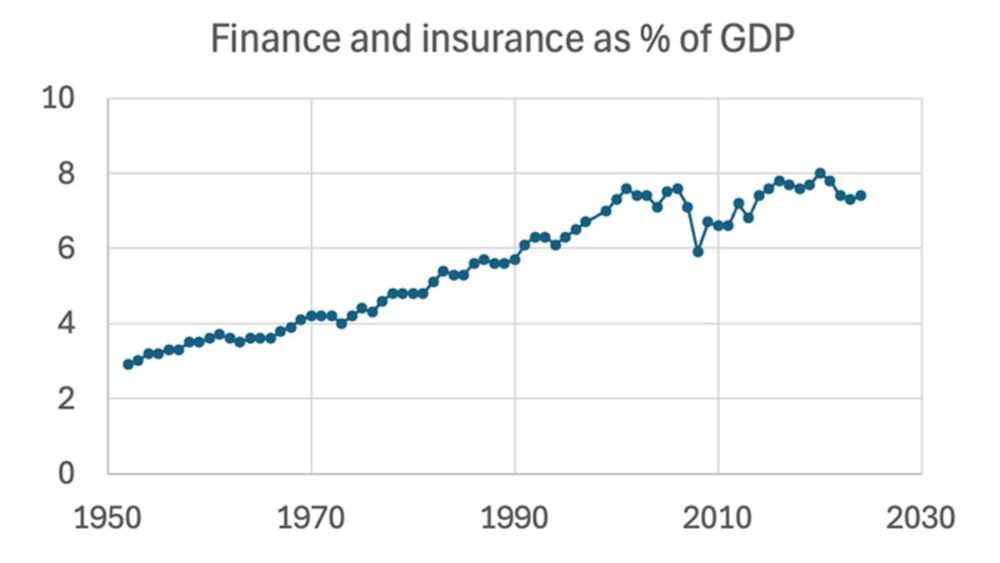
Predatory Financialization. Paul Krugman, Understanding Inequality: Part V - Stone Center on Socio-Economic Inequality
Part V of Stone Center Senior Scholar Paul Krugman’s series “Understanding Inequality,” which originally appeared on his Substack newsletter.
stonecenter.gc.cuny.edu
August 4, 2025 at 4:08 PM
How has Wall Street increased income and wealth disparities? @pkrugman.bsky.social explains why the financialization of the U.S. economy has been a major driver of inequality.
stonecenter.gc.cuny.edu/predatory-fi...
stonecenter.gc.cuny.edu/predatory-fi...
Reposted by Julio Iturra-Sanhueza

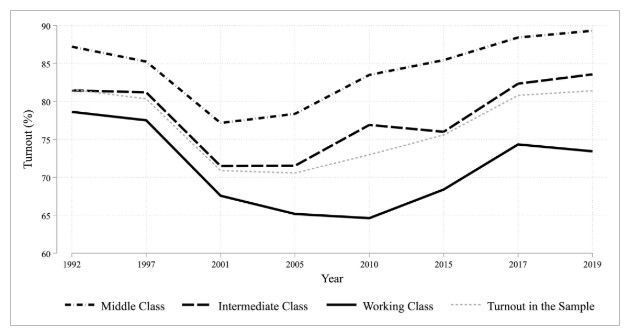
Social mobility, self-selection, and the persistence of class inequality in electoral participation
doi.org/10.1111/1468...
Paper in @bjsociology.bsky.social by Giacomo Melli and @nuffieldcollege.bsky.social Fellows Nan Dirk de Graaf & Geoffrey Evans
doi.org/10.1111/1468...
Paper in @bjsociology.bsky.social by Giacomo Melli and @nuffieldcollege.bsky.social Fellows Nan Dirk de Graaf & Geoffrey Evans
August 4, 2025 at 1:00 PM
Social mobility, self-selection, and the persistence of class inequality in electoral participation
doi.org/10.1111/1468...
Paper in @bjsociology.bsky.social by Giacomo Melli and @nuffieldcollege.bsky.social Fellows Nan Dirk de Graaf & Geoffrey Evans
doi.org/10.1111/1468...
Paper in @bjsociology.bsky.social by Giacomo Melli and @nuffieldcollege.bsky.social Fellows Nan Dirk de Graaf & Geoffrey Evans
Reposted by Julio Iturra-Sanhueza

Proper thread after the summer break– but if you were looking for a beach read about political reasoning in today's working class, look no further: journals.sagepub.com/doi/10.1177/...

August 4, 2025 at 9:53 AM
Proper thread after the summer break– but if you were looking for a beach read about political reasoning in today's working class, look no further: journals.sagepub.com/doi/10.1177/...
Reposted by Julio Iturra-Sanhueza

Attn: the special issue of SMR on Generative AI in Sociology is now online. The whole issue is fire, but the introduction by @thomasdavidson.bsky.social and Danny Karell is a must read, covering prompting, measurement, and simulations. It's a road map for soc sci research in the genAI era. +

Integrating Generative Artificial Intelligence into Social Science Research: Measurement, Prompting, and Simulation - Thomas Davidson, Daniel Karell, 2025
Generative artificial intelligence (AI) offers new capabilities for analyzing data, creating synthetic media, and simulating realistic social interactions. This...
journals.sagepub.com
May 26, 2025 at 9:49 PM
Attn: the special issue of SMR on Generative AI in Sociology is now online. The whole issue is fire, but the introduction by @thomasdavidson.bsky.social and Danny Karell is a must read, covering prompting, measurement, and simulations. It's a road map for soc sci research in the genAI era. +
Reposted by Julio Iturra-Sanhueza

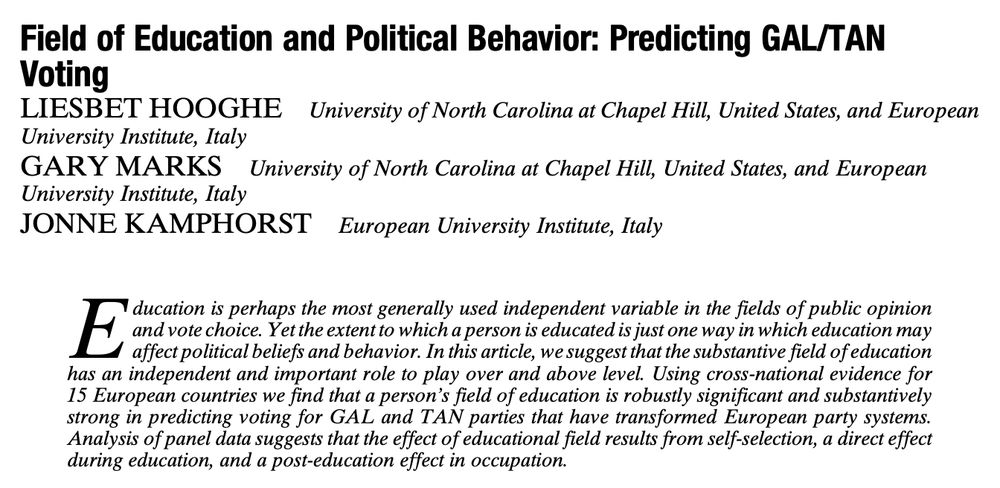
From our new issue: "Field of Education and Political Behavior: Predicting GAL/TAN Voting" by Liesbet Hooghe, Gary Marks, and Jonne Kamphorst. #APSRNewIssue www.cambridge.org/core/journal...
May 23, 2025 at 10:54 AM
From our new issue: "Field of Education and Political Behavior: Predicting GAL/TAN Voting" by Liesbet Hooghe, Gary Marks, and Jonne Kamphorst. #APSRNewIssue www.cambridge.org/core/journal...
Reposted by Julio Iturra-Sanhueza
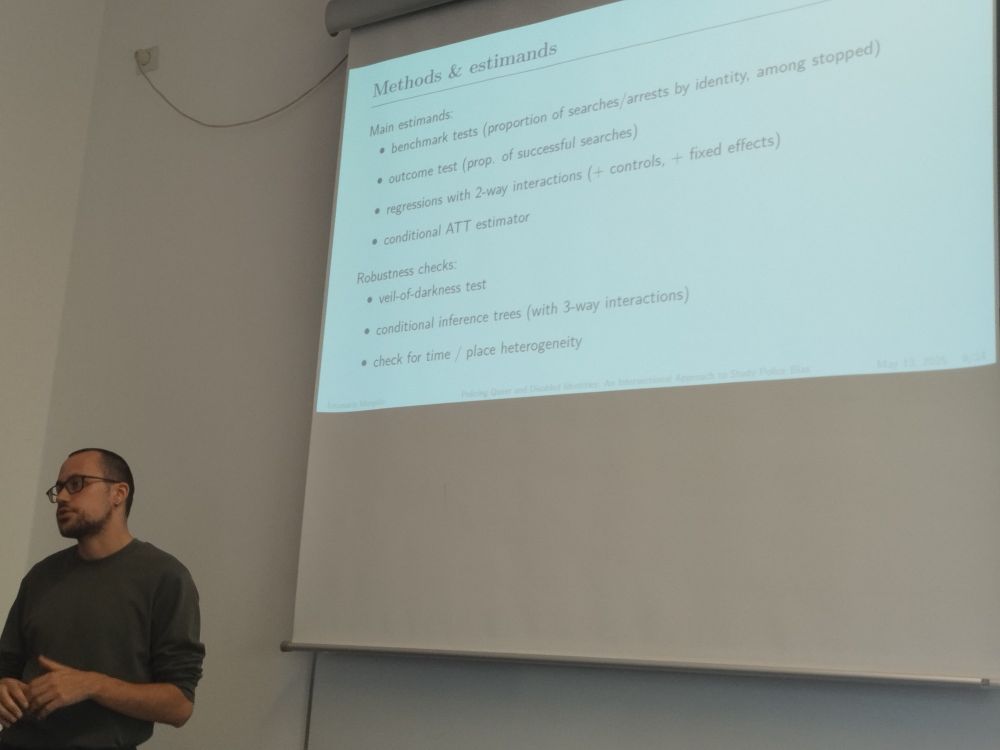
Policing queer and disabled identities. Innovative research with administrative data by @emanuelemurgolo.bsky.social @demosocupf.bsky.social @upf.edu
May 13, 2025 at 10:22 AM
Policing queer and disabled identities. Innovative research with administrative data by @emanuelemurgolo.bsky.social @demosocupf.bsky.social @upf.edu
Reposted by Julio Iturra-Sanhueza

📚 NEW BOOK - open access!
Leading scholars explore how individual life trajectories, societal norms, and legal frameworks are shaping modern #relationships.
Co-edited by CPC member @briennaph.bsky.social
🔖 www.e-elgar.com/shop/gbp/res...
@bspsuk.bsky.social @populationeu.bsky.social
Leading scholars explore how individual life trajectories, societal norms, and legal frameworks are shaping modern #relationships.
Co-edited by CPC member @briennaph.bsky.social
🔖 www.e-elgar.com/shop/gbp/res...
@bspsuk.bsky.social @populationeu.bsky.social

April 25, 2025 at 2:04 PM
📚 NEW BOOK - open access!
Leading scholars explore how individual life trajectories, societal norms, and legal frameworks are shaping modern #relationships.
Co-edited by CPC member @briennaph.bsky.social
🔖 www.e-elgar.com/shop/gbp/res...
@bspsuk.bsky.social @populationeu.bsky.social
Leading scholars explore how individual life trajectories, societal norms, and legal frameworks are shaping modern #relationships.
Co-edited by CPC member @briennaph.bsky.social
🔖 www.e-elgar.com/shop/gbp/res...
@bspsuk.bsky.social @populationeu.bsky.social
Reposted by Julio Iturra-Sanhueza

writing another review where I point to the Table 2 Fallacy (doi.org/10.1093/aje/... and doi.org/10.1017/psrm...) and say stop interpreting every single coefficient
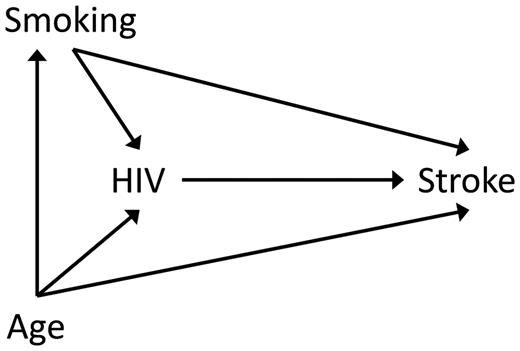
The Table 2 Fallacy: Presenting and Interpreting Confounder and Modifier Coefficients
Abstract. It is common to present multiple adjusted effect estimates from a single model in a single table. For example, a table might show odds ratios for
doi.org
March 23, 2025 at 2:10 AM
writing another review where I point to the Table 2 Fallacy (doi.org/10.1093/aje/... and doi.org/10.1017/psrm...) and say stop interpreting every single coefficient
Reposted by Julio Iturra-Sanhueza

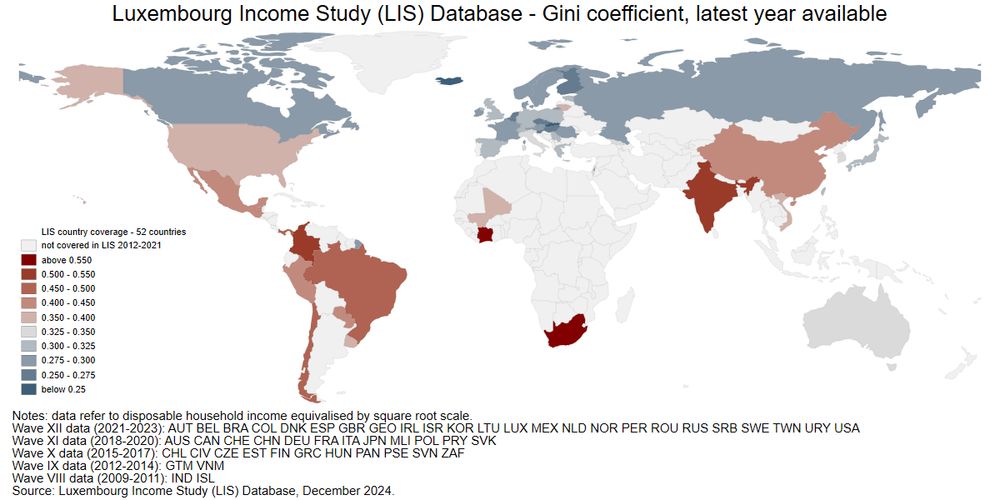
Latest income inequality estimates from the LIS Database.
Find more indicators here:
▶️Inequality and Poverty Key Figures www.lisdatacenter.org/lis-ikf-weba...
▶️DART dart.lisdatacenter.org
▶️Our World in Data (OWID) inequality explorers
www.lisdatacenter.org/data-access/...
Find more indicators here:
▶️Inequality and Poverty Key Figures www.lisdatacenter.org/lis-ikf-weba...
▶️DART dart.lisdatacenter.org
▶️Our World in Data (OWID) inequality explorers
www.lisdatacenter.org/data-access/...
February 21, 2025 at 9:58 AM
Latest income inequality estimates from the LIS Database.
Find more indicators here:
▶️Inequality and Poverty Key Figures www.lisdatacenter.org/lis-ikf-weba...
▶️DART dart.lisdatacenter.org
▶️Our World in Data (OWID) inequality explorers
www.lisdatacenter.org/data-access/...
Find more indicators here:
▶️Inequality and Poverty Key Figures www.lisdatacenter.org/lis-ikf-weba...
▶️DART dart.lisdatacenter.org
▶️Our World in Data (OWID) inequality explorers
www.lisdatacenter.org/data-access/...
Reposted by Julio Iturra-Sanhueza

Is there a gender youth gap in far-right voting and cultural attitudes across EU countries? 🚻🇪🇺
With Amy Alexander and Nicholas Charron, we have a new Gender Update out in @ejpgjournal.bsky.social. We find much cross-country variation, but... 🧵
bristoluniversitypressdigital.com/view/journal...
With Amy Alexander and Nicholas Charron, we have a new Gender Update out in @ejpgjournal.bsky.social. We find much cross-country variation, but... 🧵
bristoluniversitypressdigital.com/view/journal...
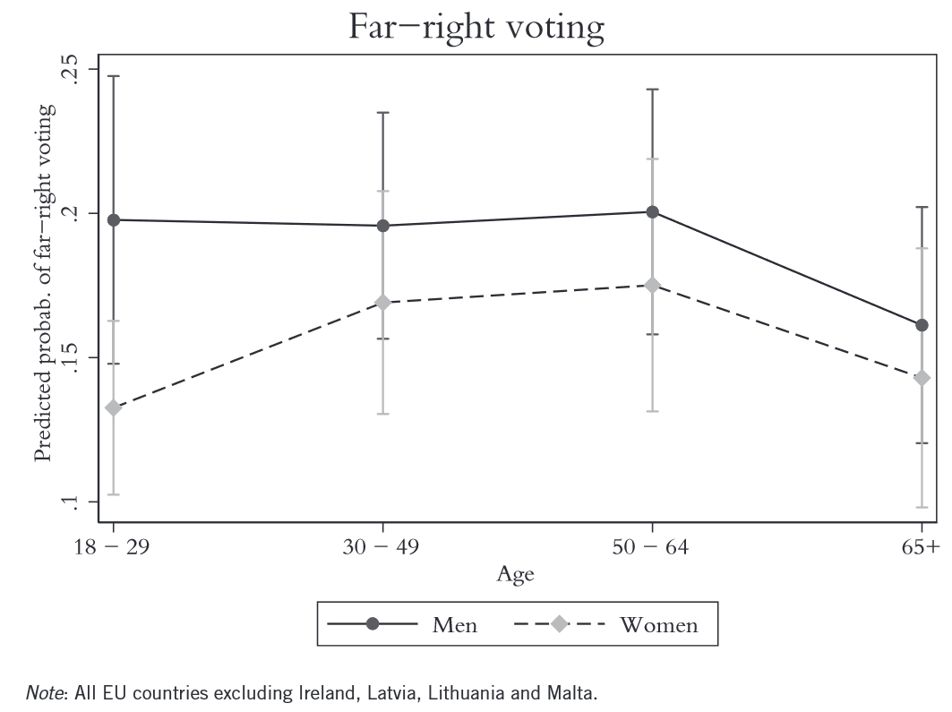
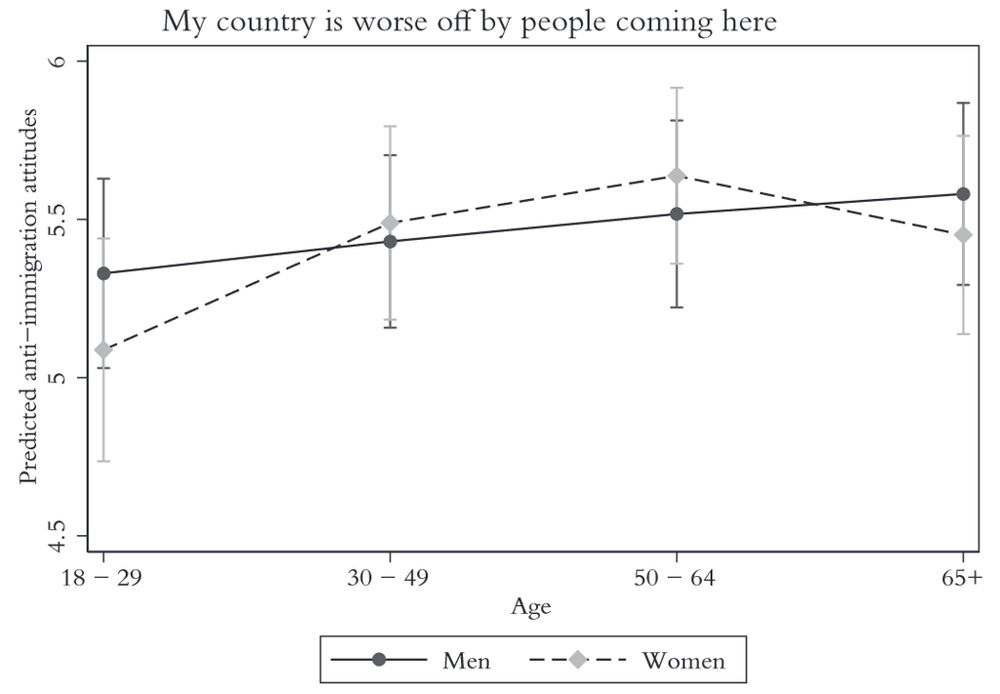
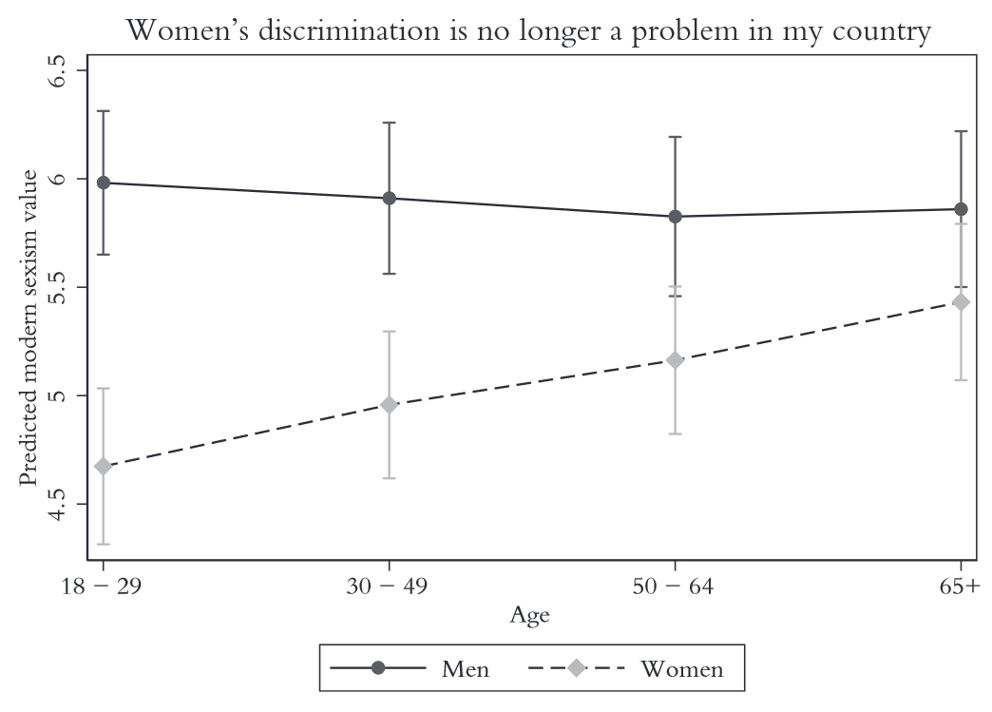
February 8, 2025 at 7:12 PM
Is there a gender youth gap in far-right voting and cultural attitudes across EU countries? 🚻🇪🇺
With Amy Alexander and Nicholas Charron, we have a new Gender Update out in @ejpgjournal.bsky.social. We find much cross-country variation, but... 🧵
bristoluniversitypressdigital.com/view/journal...
With Amy Alexander and Nicholas Charron, we have a new Gender Update out in @ejpgjournal.bsky.social. We find much cross-country variation, but... 🧵
bristoluniversitypressdigital.com/view/journal...
Reposted by Julio Iturra-Sanhueza

Political trust is likely in global decline. What are the consequences? Our experiment suggests low-trusters more often accept info saying immigration threatens the welfare state. Trust matters more than most economic, cultural, and contextual factors - with @finseraas.bsky.social & Atle Haugsgjerd
Immigration and welfare state sustainability: whose perception is affected by fiscal cost cues?
Who reacts politically to fiscally costly immigration? A political economy tradition holds that reactions depend on economic self-interest, whereas a social psychology tradition emphasizes generali...
doi.org
February 6, 2025 at 4:17 PM
Political trust is likely in global decline. What are the consequences? Our experiment suggests low-trusters more often accept info saying immigration threatens the welfare state. Trust matters more than most economic, cultural, and contextual factors - with @finseraas.bsky.social & Atle Haugsgjerd
Reposted by Julio Iturra-Sanhueza

📢📢 PUB DAY!
Ever wondered how low emission zones affect academic performance?
You are lucky! Our new #OA paper in Population & Environment with amazing @marespadafor.bsky.social and @conteristo.bsky.social within the Mapineq project explores this.
🔗 doi.org/10.1007/s111...
Curious? Read on!
Ever wondered how low emission zones affect academic performance?
You are lucky! Our new #OA paper in Population & Environment with amazing @marespadafor.bsky.social and @conteristo.bsky.social within the Mapineq project explores this.
🔗 doi.org/10.1007/s111...
Curious? Read on!
January 24, 2025 at 7:58 AM
📢📢 PUB DAY!
Ever wondered how low emission zones affect academic performance?
You are lucky! Our new #OA paper in Population & Environment with amazing @marespadafor.bsky.social and @conteristo.bsky.social within the Mapineq project explores this.
🔗 doi.org/10.1007/s111...
Curious? Read on!
Ever wondered how low emission zones affect academic performance?
You are lucky! Our new #OA paper in Population & Environment with amazing @marespadafor.bsky.social and @conteristo.bsky.social within the Mapineq project explores this.
🔗 doi.org/10.1007/s111...
Curious? Read on!
Hello there 👋🏼 I decided to migrate here from Twitter. I won't delete my account, but probably it will be slowly falling into disuse.
January 12, 2025 at 11:13 AM
Hello there 👋🏼 I decided to migrate here from Twitter. I won't delete my account, but probably it will be slowly falling into disuse.