



Health Response Alliance
@healthresponsealliance.org
Reposted by Health Response Alliance

Federal support for hospital disaster readiness is on the line. Here’s what states and local leaders should do now in case HPP goes away:
Link: healthresponsealliance.org/preparing-fo...
Link: healthresponsealliance.org/preparing-fo...

Preparing for a Future Without HPP: What States and Emergency Managers Need to Do Now | Health Response Alliance
As the federal budget process moves forward, the proposed elimination of the Hospital Preparedness Program (HPP) has sent shockwaves through public health and emergency management communities. For ove...
healthresponsealliance.org
May 27, 2025 at 5:34 PM
Federal support for hospital disaster readiness is on the line. Here’s what states and local leaders should do now in case HPP goes away:
Link: healthresponsealliance.org/preparing-fo...
Link: healthresponsealliance.org/preparing-fo...
Reposted by Health Response Alliance
The Hospital Preparedness Program is one of the only federal tools that helps evacuate hospitals during disasters.
Cutting it won’t save money. It will cost lives.
I spoke with E&E News about what’s at stake.
www.eenews.net/articles/hos...
Cutting it won’t save money. It will cost lives.
I spoke with E&E News about what’s at stake.
www.eenews.net/articles/hos...

Hospitals use this program to evacuate in disasters. Trump wants to cut it.
The Hospital Preparedness Program helps hospitals and emergency managers save lives in wildfires, tornadoes, pandemics and other mass-casualty events.
www.eenews.net
May 9, 2025 at 3:16 PM
The Hospital Preparedness Program is one of the only federal tools that helps evacuate hospitals during disasters.
Cutting it won’t save money. It will cost lives.
I spoke with E&E News about what’s at stake.
www.eenews.net/articles/hos...
Cutting it won’t save money. It will cost lives.
I spoke with E&E News about what’s at stake.
www.eenews.net/articles/hos...
Hospitals can’t coordinate or surge on their own in a crisis. Here’s what that means for readiness across the country:
The Hospital Preparedness Program (HPP) helped hospitals stay operational during the pandemic, wildfires, and mass casualty events.
The new budget cuts it entirely.
Our recent analysis explains why this matters - and what comes next.
🔗 healthresponsealliance.org/breakdown-th...
The new budget cuts it entirely.
Our recent analysis explains why this matters - and what comes next.
🔗 healthresponsealliance.org/breakdown-th...

Breakdown: The Hospital Preparedness Program and the FY2026 Budget Threat | Health Response Alliance
While still in draft form, the leaked FY2026 HHS budget proposal outlines major changes to how the federal government supports emergency preparedness in the healthcare system. Among the most significa...
healthresponsealliance.org
May 5, 2025 at 2:13 PM
Hospitals can’t coordinate or surge on their own in a crisis. Here’s what that means for readiness across the country:
The White House released its FY26 budget proposal today. Big cuts to emergency preparedness: hospital readiness, CDC EOC, SAMHSA programs. We broke it down by what it means for disaster response: healthresponsealliance.org/breaking-fy-...

BREAKING: FY 2026 White House Budget Proposal: What Emergency Managers Need to Know | Health Response Alliance
Proposed cuts to hospital readiness, CDC emergency operations, and mental health surge programs could weaken national response capacity just as threats are growing. Here's what emergency managers and ...
healthresponsealliance.org
May 2, 2025 at 4:25 PM
The White House released its FY26 budget proposal today. Big cuts to emergency preparedness: hospital readiness, CDC EOC, SAMHSA programs. We broke it down by what it means for disaster response: healthresponsealliance.org/breaking-fy-...
AmeriCorps' end is a major blow to emergency management and public health.
These members have been a hidden backbone for community readiness for decades.
Our breakdown looks at the impact - and what happens next: healthresponsealliance.org/breakdown-th...
These members have been a hidden backbone for community readiness for decades.
Our breakdown looks at the impact - and what happens next: healthresponsealliance.org/breakdown-th...

Breakdown: The End of AmeriCorps and the Implications for Emergency Management and Public Health Readiness | Health Response Alliance
The dismantling of AmeriCorps represents more than a shift in national service programs - it poses a significant threat to emergency preparedness, public health response, and recovery capacity across ...
healthresponsealliance.org
April 28, 2025 at 5:51 PM
AmeriCorps' end is a major blow to emergency management and public health.
These members have been a hidden backbone for community readiness for decades.
Our breakdown looks at the impact - and what happens next: healthresponsealliance.org/breakdown-th...
These members have been a hidden backbone for community readiness for decades.
Our breakdown looks at the impact - and what happens next: healthresponsealliance.org/breakdown-th...
Reposted by Health Response Alliance

Breaking news: The United States faces millions of measles cases over the next 25 years if vaccination rates for the disease drop 10 percent, according to new research published Thursday.
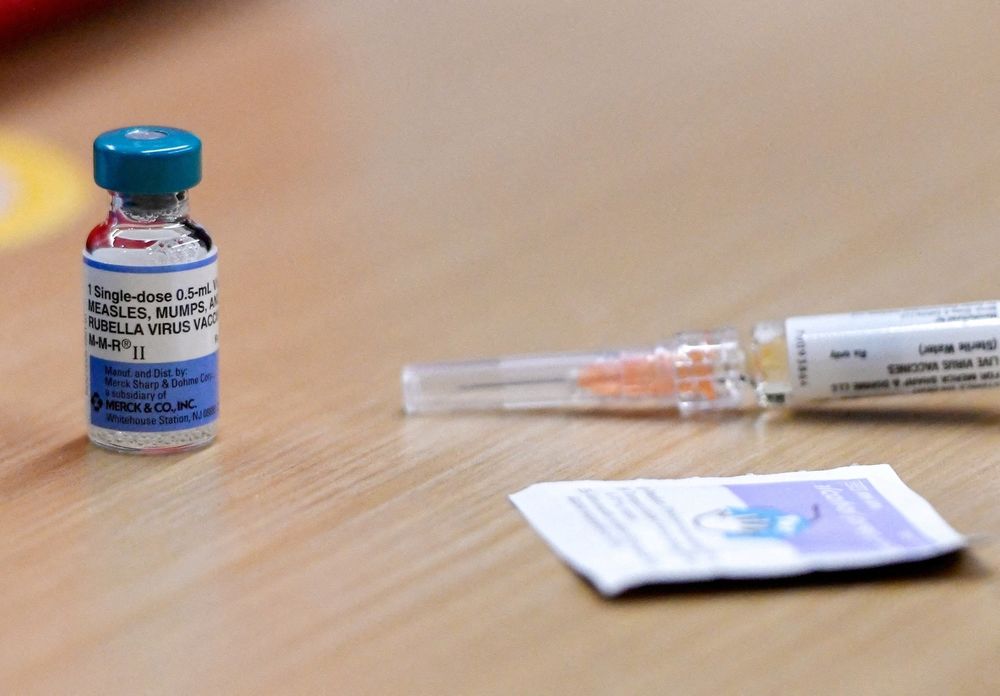
Millions of U.S. measles cases forecast over 25 years if shots decline
Measles, once virtually wiped out in the United States, could become commonplace again if declining vaccination rates continue, a new model shows.
www.washingtonpost.com
April 24, 2025 at 3:21 PM
Breaking news: The United States faces millions of measles cases over the next 25 years if vaccination rates for the disease drop 10 percent, according to new research published Thursday.
ASPR now reports to CDC—and that has real consequences for how this country prepares for and responds to emergencies.
This blog still holds up. Maybe more than ever.
🔗 healthresponsealliance.org/evaluating-t...
This blog still holds up. Maybe more than ever.
🔗 healthresponsealliance.org/evaluating-t...

Evaluating the Move: What ASPR's Integration into the CDC Means for U.S. Emergency Preparedness | Health Response Alliance
Earlier this month, the U.S. Department of Health and Human Services (HHS) announced a broad restructuring, including the transfer of the Administration for Strategic Preparedness and Response (ASPR) ...
healthresponsealliance.org
April 24, 2025 at 5:41 PM
ASPR now reports to CDC—and that has real consequences for how this country prepares for and responds to emergencies.
This blog still holds up. Maybe more than ever.
🔗 healthresponsealliance.org/evaluating-t...
This blog still holds up. Maybe more than ever.
🔗 healthresponsealliance.org/evaluating-t...
Reposted by Health Response Alliance
Federal preparedness programs are disappearing. MRC. HPP. H-CORE.
Public-private partnerships aren’t optional anymore - they’re essential.
HRA is helping local govs get ahead of the next crisis - not wait for D.C. to act.
Read: healthresponsealliance.org/breakdown-bu...
Public-private partnerships aren’t optional anymore - they’re essential.
HRA is helping local govs get ahead of the next crisis - not wait for D.C. to act.
Read: healthresponsealliance.org/breakdown-bu...

Breakdown: Building Smarter Partnerships for Local Resilience Amid Federal Cuts | Health Response Alliance
State and local governments face an uncertain future in public health preparedness following the leaked details of the 2026 HHS budget proposal, which outlines significant reductions and eliminations ...
healthresponsealliance.org
April 23, 2025 at 1:39 PM
Federal preparedness programs are disappearing. MRC. HPP. H-CORE.
Public-private partnerships aren’t optional anymore - they’re essential.
HRA is helping local govs get ahead of the next crisis - not wait for D.C. to act.
Read: healthresponsealliance.org/breakdown-bu...
Public-private partnerships aren’t optional anymore - they’re essential.
HRA is helping local govs get ahead of the next crisis - not wait for D.C. to act.
Read: healthresponsealliance.org/breakdown-bu...
Reposted by Health Response Alliance
Hospitals don’t magically coordinate disaster response. That takes investment.
The Hospital Preparedness Program makes it possible.
The leaked HHS budget would kill it.
This isn’t belt-tightening. It’s pulling out the foundation and pretending the building will stand.
Read our breakdown:
The Hospital Preparedness Program makes it possible.
The leaked HHS budget would kill it.
This isn’t belt-tightening. It’s pulling out the foundation and pretending the building will stand.
Read our breakdown:

Breakdown: The Hospital Preparedness Program and the FY2026 Budget Threat | Health Response Alliance
While still in draft form, the leaked FY2026 HHS budget proposal outlines major changes to how the federal government supports emergency preparedness in the healthcare system. Among the most significa...
healthresponsealliance.org
April 22, 2025 at 12:58 PM
Hospitals don’t magically coordinate disaster response. That takes investment.
The Hospital Preparedness Program makes it possible.
The leaked HHS budget would kill it.
This isn’t belt-tightening. It’s pulling out the foundation and pretending the building will stand.
Read our breakdown:
The Hospital Preparedness Program makes it possible.
The leaked HHS budget would kill it.
This isn’t belt-tightening. It’s pulling out the foundation and pretending the building will stand.
Read our breakdown:
No MRC means fewer responders. Fewer shelter staff. Fewer vaccine lines. Fewer people when everything else is stretched thin.
That’s what this budget proposal does. Read the breakdown:
That’s what this budget proposal does. Read the breakdown:
No MRC means fewer responders. Fewer shelter staff. Fewer vaccine lines. Fewer people when everything else is stretched thin.
That’s what this budget proposal does. Read the breakdown:
healthresponsealliance.org/breakdown-wh...
That’s what this budget proposal does. Read the breakdown:
healthresponsealliance.org/breakdown-wh...

Breakdown: What the Leaked HHS Budget Proposal Means for the Medical Reserve Corps (MRC) | Health Response Alliance
The leaked HHS budget proposal for FY2026 outlines deep cuts to federal public health programs. Among the most consequential is the proposed elimination of the Medical Reserve Corps (MRC) - a move tha...
healthresponsealliance.org
April 21, 2025 at 12:45 PM
No MRC means fewer responders. Fewer shelter staff. Fewer vaccine lines. Fewer people when everything else is stretched thin.
That’s what this budget proposal does. Read the breakdown:
That’s what this budget proposal does. Read the breakdown:
The leaked @HHSGov
FY26 budget proposes over $40B in cuts. Programs like HPP and @asprgov.bsky.social H-CORE would be eliminated. Surge response and public health coordination are at risk.
Full analysis: healthresponsealliance.org/what-the-lea...
FY26 budget proposes over $40B in cuts. Programs like HPP and @asprgov.bsky.social H-CORE would be eliminated. Surge response and public health coordination are at risk.
Full analysis: healthresponsealliance.org/what-the-lea...

What the Leaked HHS Budget Means for U.S. Emergency Preparedness | Health Response Alliance
While still in the draft stage, the recently leaked Department of Health and Human Services (HHS) budget proposal for fiscal year 2026 provides a revealing look into the administration’s current prior...
healthresponsealliance.org
April 18, 2025 at 5:44 PM
The leaked @HHSGov
FY26 budget proposes over $40B in cuts. Programs like HPP and @asprgov.bsky.social H-CORE would be eliminated. Surge response and public health coordination are at risk.
Full analysis: healthresponsealliance.org/what-the-lea...
FY26 budget proposes over $40B in cuts. Programs like HPP and @asprgov.bsky.social H-CORE would be eliminated. Surge response and public health coordination are at risk.
Full analysis: healthresponsealliance.org/what-the-lea...
Washington State met FEMA’s disaster relief criteria after a $34M storm. 43 days later, FEMA said no - without explanation.
Our new analysis shows this isn’t isolated. It’s part of a pattern.
Read more:
healthresponsealliance.org/femas-denial...
Our new analysis shows this isn’t isolated. It’s part of a pattern.
Read more:
healthresponsealliance.org/femas-denial...

FEMA's Denial of Washington State Disaster Relief: A Troubling Shift in Federal Emergency Response | Health Response Alliance
When Washington State’s disaster declaration was denied by FEMA after a devastating bomb cyclone, it sent shockwaves through the emergency management community. This in-depth analysis breaks down how ...
healthresponsealliance.org
April 16, 2025 at 6:43 PM
Washington State met FEMA’s disaster relief criteria after a $34M storm. 43 days later, FEMA said no - without explanation.
Our new analysis shows this isn’t isolated. It’s part of a pattern.
Read more:
healthresponsealliance.org/femas-denial...
Our new analysis shows this isn’t isolated. It’s part of a pattern.
Read more:
healthresponsealliance.org/femas-denial...
ICE presence in shelters or clinics disrupts care - delays response - breaks trust.
Health leaders and emergency managers need a plan, regardless of policy stance.
What to do now to protect access and operations: healthresponsealliance.org/why-emergenc...
Health leaders and emergency managers need a plan, regardless of policy stance.
What to do now to protect access and operations: healthresponsealliance.org/why-emergenc...

Why Emergency Leaders Must Prepare for ICE Presence in Shelters and Medical Facilities | Health Response Alliance
As the new federal administration doubles down on immigration enforcement, emergency managers and healthcare leaders face a critical - and largely overlooked - gap in preparedness planning: how to han...
healthresponsealliance.org
April 9, 2025 at 1:57 PM
ICE presence in shelters or clinics disrupts care - delays response - breaks trust.
Health leaders and emergency managers need a plan, regardless of policy stance.
What to do now to protect access and operations: healthresponsealliance.org/why-emergenc...
Health leaders and emergency managers need a plan, regardless of policy stance.
What to do now to protect access and operations: healthresponsealliance.org/why-emergenc...
Health systems are running on fumes in too many places - and disasters keep coming.
Preparedness can't depend on the market.
Read why that mindset is failing communities, and what to do about it. healthresponsealliance.org/emergencies-...
Preparedness can't depend on the market.
Read why that mindset is failing communities, and what to do about it. healthresponsealliance.org/emergencies-...

Emergencies Don't Care About the Economy | Health Response Alliance
As the 2025 hurricane season looms, emergency managers and public health professionals are facing a double threat: natural disasters on the horizon and a potential economic recession already taking sh...
healthresponsealliance.org
April 7, 2025 at 1:37 PM
Health systems are running on fumes in too many places - and disasters keep coming.
Preparedness can't depend on the market.
Read why that mindset is failing communities, and what to do about it. healthresponsealliance.org/emergencies-...
Preparedness can't depend on the market.
Read why that mindset is failing communities, and what to do about it. healthresponsealliance.org/emergencies-...
Cuts to HHS don’t just impact today—they open the door to tomorrow’s outbreaks. www.chiefhealthcareexecutive.com/view/how-hhs...

April 3, 2025 at 1:12 PM
Cuts to HHS don’t just impact today—they open the door to tomorrow’s outbreaks. www.chiefhealthcareexecutive.com/view/how-hhs...
Tariffs on medical goods aren’t just economic policy. They’re a threat to health system readiness.
Our latest assessment outlines how proposed tariffs could disrupt care and response capacity:
🔗 healthresponsealliance.org/trumps-tarif...
Our latest assessment outlines how proposed tariffs could disrupt care and response capacity:
🔗 healthresponsealliance.org/trumps-tarif...

Trump's Tariffs: The Impending Crisis for Healthcare and Patient Care | Health Response Alliance
President Trump's tariff announcement on April 2, 2025, has set the stage for significant disruptions in the U.S. medical device industry and broader healthcare sector. These tariffs present immediate...
healthresponsealliance.org
April 3, 2025 at 1:11 PM
Tariffs on medical goods aren’t just economic policy. They’re a threat to health system readiness.
Our latest assessment outlines how proposed tariffs could disrupt care and response capacity:
🔗 healthresponsealliance.org/trumps-tarif...
Our latest assessment outlines how proposed tariffs could disrupt care and response capacity:
🔗 healthresponsealliance.org/trumps-tarif...
HHS layoffs signal instability in federal preparedness support. Local ESF8 planners can’t wait for answers. Here are 6 urgent steps to protect your jurisdiction now.
🔗 healthresponsealliance.org/critical-act...
🔗 healthresponsealliance.org/critical-act...

Critical Actions for ESF8 Planners Amid HHS Layoffs | Health Response Alliance
The recent wave of layoffs at the U.S. Department of Health and Human Services (HHS) is more than just a staffing shakeup - it’s a warning sign. Federal support for public health and emergency prepare...
healthresponsealliance.org
April 2, 2025 at 1:53 PM
HHS layoffs signal instability in federal preparedness support. Local ESF8 planners can’t wait for answers. Here are 6 urgent steps to protect your jurisdiction now.
🔗 healthresponsealliance.org/critical-act...
🔗 healthresponsealliance.org/critical-act...
Proposed HHS cuts could weaken the nation's ability to respond to disasters.
Our CEO @tomcotterer.bsky.social spoke with on why ASPR’s independence matters — and why states need strong federal coordination.
Read the piece: www.chiefhealthcareexecutive.com/view/how-hhs...
Our CEO @tomcotterer.bsky.social spoke with on why ASPR’s independence matters — and why states need strong federal coordination.
Read the piece: www.chiefhealthcareexecutive.com/view/how-hhs...

How HHS cuts could hurt emergency response
Tom Cotter, CEO of the Health Response Alliance, said the reductions could undermine efforts to track diseases and prepare for future pandemics. He’s worried about a preparedness program for hospitals...
www.chiefhealthcareexecutive.com
March 28, 2025 at 12:50 PM
Proposed HHS cuts could weaken the nation's ability to respond to disasters.
Our CEO @tomcotterer.bsky.social spoke with on why ASPR’s independence matters — and why states need strong federal coordination.
Read the piece: www.chiefhealthcareexecutive.com/view/how-hhs...
Our CEO @tomcotterer.bsky.social spoke with on why ASPR’s independence matters — and why states need strong federal coordination.
Read the piece: www.chiefhealthcareexecutive.com/view/how-hhs...
Reposted by Health Response Alliance
ASPR was built for speed and coordination.
Moving it under CDC risks slowing critical emergency response.
Here’s why this restructuring deserves scrutiny in our latest blog: healthresponsealliance.org/evaluating-t...
Moving it under CDC risks slowing critical emergency response.
Here’s why this restructuring deserves scrutiny in our latest blog: healthresponsealliance.org/evaluating-t...

Evaluating the Move: What ASPR's Integration into the CDC Means for U.S. Emergency Preparedness | Health Response Alliance
Earlier this month, the U.S. Department of Health and Human Services (HHS) announced a broad restructuring, including the transfer of the Administration for Strategic Preparedness and Response (ASPR) ...
healthresponsealliance.org
March 27, 2025 at 3:08 PM
ASPR was built for speed and coordination.
Moving it under CDC risks slowing critical emergency response.
Here’s why this restructuring deserves scrutiny in our latest blog: healthresponsealliance.org/evaluating-t...
Moving it under CDC risks slowing critical emergency response.
Here’s why this restructuring deserves scrutiny in our latest blog: healthresponsealliance.org/evaluating-t...
🚨 HHS is restructuring. ASPR will be moved under CDC.
This could undermine the nation’s emergency preparedness capacity.
Our breakdown and official response:
This could undermine the nation’s emergency preparedness capacity.
Our breakdown and official response:

Evaluating the Move: What ASPR's Integration into the CDC Means for U.S. Emergency Preparedness | Health Response Alliance
Earlier this month, the U.S. Department of Health and Human Services (HHS) announced a broad restructuring, including the transfer of the Administration for Strategic Preparedness and Response (ASPR) ...
healthresponsealliance.org
March 27, 2025 at 3:09 PM
🚨 HHS is restructuring. ASPR will be moved under CDC.
This could undermine the nation’s emergency preparedness capacity.
Our breakdown and official response:
This could undermine the nation’s emergency preparedness capacity.
Our breakdown and official response:
The Dept of Education quietly leads school recovery after disasters.
Trauma support, funding, stability — gone if it's dismantled.
This isn’t just about education. It’s about resilience.
healthresponsealliance.org/the-unseen-c...
Trauma support, funding, stability — gone if it's dismantled.
This isn’t just about education. It’s about resilience.
healthresponsealliance.org/the-unseen-c...

The Unseen Consequences: Dismantling the Department of Education's Impact on Disaster Recovery | Health Response Alliance
On March 20, 2025, President Trump signed an executive order initiating the dismantling of the U.S. Department of Education, aiming to transfer educational authority back to states and local communiti...
healthresponsealliance.org
March 21, 2025 at 2:49 PM
The Dept of Education quietly leads school recovery after disasters.
Trauma support, funding, stability — gone if it's dismantled.
This isn’t just about education. It’s about resilience.
healthresponsealliance.org/the-unseen-c...
Trauma support, funding, stability — gone if it's dismantled.
This isn’t just about education. It’s about resilience.
healthresponsealliance.org/the-unseen-c...
Misinformation spreads faster than hurricanes. During the 2024 season, false reports of hospital closures, fake evacuation orders, and misleading disease warnings put lives at risk. We must do more to stop it before the next disaster.
Read more: t.co/0XrQiYZCd7
Read more: t.co/0XrQiYZCd7
https://healthresponsealliance.org/misinformation-challenges-during-the-2024-hurricane-season
t.co
March 11, 2025 at 6:12 PM
Misinformation spreads faster than hurricanes. During the 2024 season, false reports of hospital closures, fake evacuation orders, and misleading disease warnings put lives at risk. We must do more to stop it before the next disaster.
Read more: t.co/0XrQiYZCd7
Read more: t.co/0XrQiYZCd7
Over 80M people in the U.S. live in areas with little to no healthcare access. Some counties have no hospitals or full-time doctors.
When disasters strike, the consequences are severe—delayed care, higher mortality, and long-term health impacts.
More: t.co/SWMAU2jIZE
When disasters strike, the consequences are severe—delayed care, higher mortality, and long-term health impacts.
More: t.co/SWMAU2jIZE
https://healthresponsealliance.org/americas-medical-deserts-what-happens-when-disaster-strikes-and-theres-no-hospital
t.co
March 10, 2025 at 3:11 PM
Over 80M people in the U.S. live in areas with little to no healthcare access. Some counties have no hospitals or full-time doctors.
When disasters strike, the consequences are severe—delayed care, higher mortality, and long-term health impacts.
More: t.co/SWMAU2jIZE
When disasters strike, the consequences are severe—delayed care, higher mortality, and long-term health impacts.
More: t.co/SWMAU2jIZE
When disasters strike, chronic disease management often breaks down leaving millions without access to meds, power for medical devices, or routine care.
Emergency managers & public health professionals must plan for these challenges. Read our latest blog: healthresponsealliance.org/chronic-dise...
Emergency managers & public health professionals must plan for these challenges. Read our latest blog: healthresponsealliance.org/chronic-dise...

Chronic Disease Management in Emergencies | Health Response Alliance
When disasters strike, the immediate focus is on acute injuries and infectious disease outbreaks. But for millions of people living with chronic conditions like diabetes, heart disease, asthma, and hy...
healthresponsealliance.org
March 6, 2025 at 2:58 PM
When disasters strike, chronic disease management often breaks down leaving millions without access to meds, power for medical devices, or routine care.
Emergency managers & public health professionals must plan for these challenges. Read our latest blog: healthresponsealliance.org/chronic-dise...
Emergency managers & public health professionals must plan for these challenges. Read our latest blog: healthresponsealliance.org/chronic-dise...
Community health workers (CHWs) are essential in emergencies—but too often overlooked.
They provide care, build trust, and connect communities to lifesaving resources. Our latest blog explores their critical role in disaster response and how we can better support them. t.co/dzGViuC0n5
They provide care, build trust, and connect communities to lifesaving resources. Our latest blog explores their critical role in disaster response and how we can better support them. t.co/dzGViuC0n5

The Role of Community Health Workers in Emergency Response | Health Response Alliance
Community Health Workers (CHWs) have long been the backbone of local healthcare systems, serving as trusted liaisons between healthcare providers and underserved populations. Their ability to navigate...
healthresponsealliance.org
March 5, 2025 at 5:55 PM
Community health workers (CHWs) are essential in emergencies—but too often overlooked.
They provide care, build trust, and connect communities to lifesaving resources. Our latest blog explores their critical role in disaster response and how we can better support them. t.co/dzGViuC0n5
They provide care, build trust, and connect communities to lifesaving resources. Our latest blog explores their critical role in disaster response and how we can better support them. t.co/dzGViuC0n5