



John P. Friel, Ph.D.
@friel.bsky.social
Director of the Alabama Museum of Natural History • He/Him • 🐟Zoologist 🦈 • https://linktr.ee/john.friel
Reposted by John P. Friel, Ph.D.

Jumping on this thread to recommend: Minorities in Shark Sciences: Diverse voices in shark research.
Currently on sale! 🧪🦑🌍🦈
www.routledge.com/Minorities-i...
Currently on sale! 🧪🦑🌍🦈
www.routledge.com/Minorities-i...
February 11, 2026 at 3:29 PM
Jumping on this thread to recommend: Minorities in Shark Sciences: Diverse voices in shark research.
Currently on sale! 🧪🦑🌍🦈
www.routledge.com/Minorities-i...
Currently on sale! 🧪🦑🌍🦈
www.routledge.com/Minorities-i...
Reposted by John P. Friel, Ph.D.
After teaching my motor control lecture, I was pleasantly surprised to run into some Muybridge originals at the Birmingham Museum of art (for free)!
Before his photos in 1878, we didn't know how horses galloped because it was too fast to capture, which is why they look so odd in old paintings! 🧪
Before his photos in 1878, we didn't know how horses galloped because it was too fast to capture, which is why they look so odd in old paintings! 🧪


February 11, 2026 at 3:22 PM
After teaching my motor control lecture, I was pleasantly surprised to run into some Muybridge originals at the Birmingham Museum of art (for free)!
Before his photos in 1878, we didn't know how horses galloped because it was too fast to capture, which is why they look so odd in old paintings! 🧪
Before his photos in 1878, we didn't know how horses galloped because it was too fast to capture, which is why they look so odd in old paintings! 🧪
Reposted by John P. Friel, Ph.D.
Elga Mark-Kurik, Estonian fish palaeontologist, is responsible for making these charming memable jawless fish museum models.


February 11, 2026 at 11:06 AM
Elga Mark-Kurik, Estonian fish palaeontologist, is responsible for making these charming memable jawless fish museum models.
Reposted by John P. Friel, Ph.D.
It is International Day of Women in Science! For this ocassion, a thread on influential women that illustrate prehistoric life🧵
Marta Szubert. Creator of one of the first to-scale feathered dinosar models (1997). If you've been to Poland or Slovakia, you've probably seen her models on display.
Marta Szubert. Creator of one of the first to-scale feathered dinosar models (1997). If you've been to Poland or Slovakia, you've probably seen her models on display.


February 11, 2026 at 2:42 AM
It is International Day of Women in Science! For this ocassion, a thread on influential women that illustrate prehistoric life🧵
Marta Szubert. Creator of one of the first to-scale feathered dinosar models (1997). If you've been to Poland or Slovakia, you've probably seen her models on display.
Marta Szubert. Creator of one of the first to-scale feathered dinosar models (1997). If you've been to Poland or Slovakia, you've probably seen her models on display.
Reposted by John P. Friel, Ph.D.
This Valentine's Day, remember the blind goby (Typhlogobius californiensis), who mates for life. I guess lacking eyes aids in this life-long commitment 🤣 Proof that love is blind!
www.youtube.com/watch?v=hhsj...
www.youtube.com/watch?v=hhsj...

Blind Gobies of California: Love and Adaptation in the Intertidal
YouTube video by FishEvolutionLab-Edu
www.youtube.com
February 10, 2026 at 9:47 PM
This Valentine's Day, remember the blind goby (Typhlogobius californiensis), who mates for life. I guess lacking eyes aids in this life-long commitment 🤣 Proof that love is blind!
www.youtube.com/watch?v=hhsj...
www.youtube.com/watch?v=hhsj...
Reposted by John P. Friel, Ph.D.

The idea that humans sit atop an evolutionary hierarchy dates back to 1866, when a scientist drew the first tree of life with "Man" at the top.
This inaccurate view still shapes how we think of the animal world, despite decades of genomic evidence proving evolution has no hierarchy.
buff.ly/dpXwi1r
This inaccurate view still shapes how we think of the animal world, despite decades of genomic evidence proving evolution has no hierarchy.
buff.ly/dpXwi1r

No animal alive today is ‘primitive’ – why are so many still labeled that way?
All species alive today, from chimpanzees to bacteria, are cousins that each have equally long lineages, rather than ancestors or descendants of one another.
buff.ly
February 10, 2026 at 8:48 PM
The idea that humans sit atop an evolutionary hierarchy dates back to 1866, when a scientist drew the first tree of life with "Man" at the top.
This inaccurate view still shapes how we think of the animal world, despite decades of genomic evidence proving evolution has no hierarchy.
buff.ly/dpXwi1r
This inaccurate view still shapes how we think of the animal world, despite decades of genomic evidence proving evolution has no hierarchy.
buff.ly/dpXwi1r
Reposted by John P. Friel, Ph.D.

Remarkable. Report of a Brazilian spiny-rayed fish dating to the Barremian stage of the Early Cretaceous, preceding the oldest known acanthomorphs by ~20 million years. Gondwanacanthus extends the roots of one of today's most prominent vertebrate radiations: onlinelibrary.wiley.com/doi/10.1002/...

February 10, 2026 at 2:48 PM
Remarkable. Report of a Brazilian spiny-rayed fish dating to the Barremian stage of the Early Cretaceous, preceding the oldest known acanthomorphs by ~20 million years. Gondwanacanthus extends the roots of one of today's most prominent vertebrate radiations: onlinelibrary.wiley.com/doi/10.1002/...
Reposted by John P. Friel, Ph.D.

Reposted by John P. Friel, Ph.D.
I had such a great time hosting my former PI, Dr. Joy Reidenberg this week for the Darden lecture series at UA! I didn't realize how much I missed her infectious energy and love for biology 🫁🐳🩻

February 7, 2026 at 2:59 PM
I had such a great time hosting my former PI, Dr. Joy Reidenberg this week for the Darden lecture series at UA! I didn't realize how much I missed her infectious energy and love for biology 🫁🐳🩻
Reposted by John P. Friel, Ph.D.
Study on the diversification of jaw shape in pelagiarian/scombriform fishes led by @knapprew.bsky.social out in Evolution Letters as Editor's Choice. Gorgeous trichiuroid render by co-author @sternarchella.bsky.social nabbed the cover! Open access: academic.oup.com/evlett/artic...

February 7, 2026 at 6:52 PM
Study on the diversification of jaw shape in pelagiarian/scombriform fishes led by @knapprew.bsky.social out in Evolution Letters as Editor's Choice. Gorgeous trichiuroid render by co-author @sternarchella.bsky.social nabbed the cover! Open access: academic.oup.com/evlett/artic...
Reposted by John P. Friel, Ph.D.
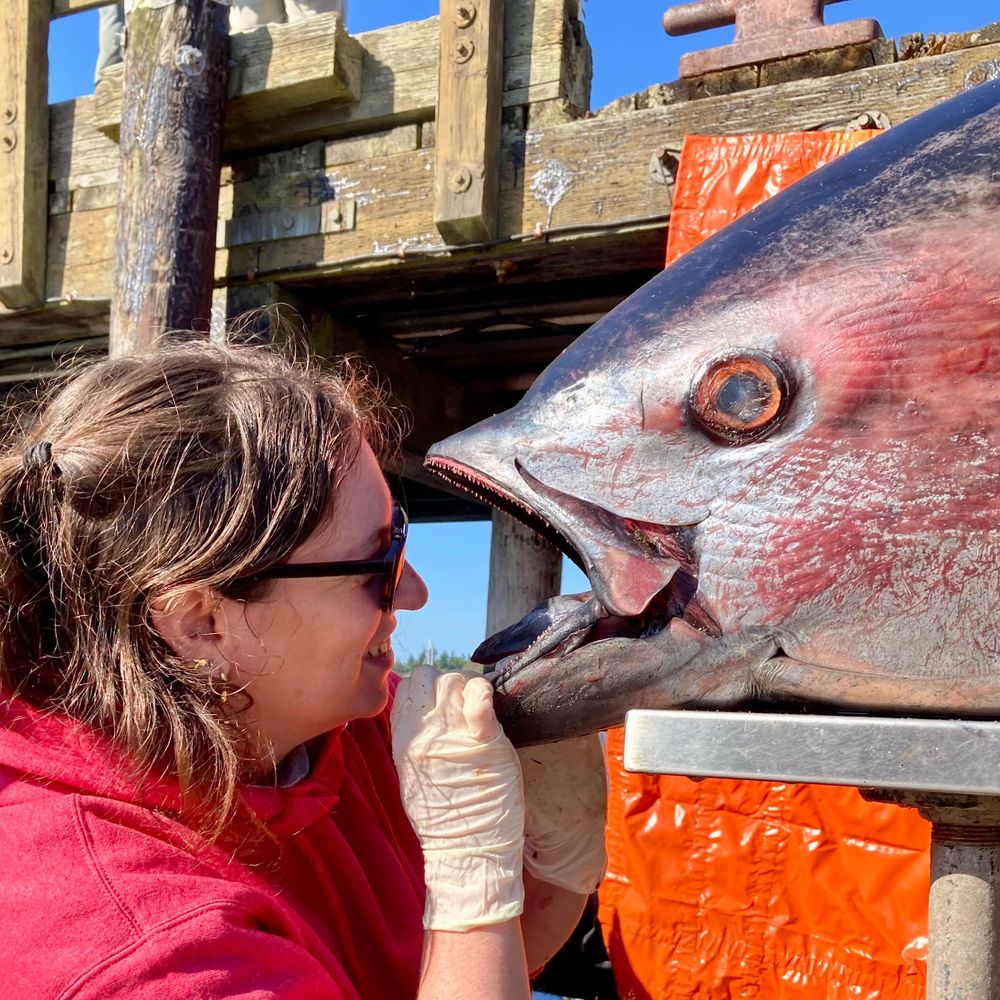
Priority deadline (Feb 16) for this years Fish Class at Friday Harbor is coming up quick! Get your applications in for what will be an amazing summer filled with great science, people, and tools!
Financial aid is available!!
@cmdonatelli.bsky.social @fishguy.bsky.social @karlycohen.bsky.social
Financial aid is available!!
@cmdonatelli.bsky.social @fishguy.bsky.social @karlycohen.bsky.social

February 6, 2026 at 8:27 PM
Priority deadline (Feb 16) for this years Fish Class at Friday Harbor is coming up quick! Get your applications in for what will be an amazing summer filled with great science, people, and tools!
Financial aid is available!!
@cmdonatelli.bsky.social @fishguy.bsky.social @karlycohen.bsky.social
Financial aid is available!!
@cmdonatelli.bsky.social @fishguy.bsky.social @karlycohen.bsky.social
Reposted by John P. Friel, Ph.D.

The digitisation and labelling of specimens is a time-consuming and error-prone process as labels are often hand-cut.
This paper proposes a low-cost solution - the Cricut Maker® 3 - which automatically and precisely cuts entomological labels: doi.org/10.3897/nhcm.3.179306
This paper proposes a low-cost solution - the Cricut Maker® 3 - which automatically and precisely cuts entomological labels: doi.org/10.3897/nhcm.3.179306

February 6, 2026 at 8:22 AM
The digitisation and labelling of specimens is a time-consuming and error-prone process as labels are often hand-cut.
This paper proposes a low-cost solution - the Cricut Maker® 3 - which automatically and precisely cuts entomological labels: doi.org/10.3897/nhcm.3.179306
This paper proposes a low-cost solution - the Cricut Maker® 3 - which automatically and precisely cuts entomological labels: doi.org/10.3897/nhcm.3.179306
Reposted by John P. Friel, Ph.D.
Here is a 400BCE plate from souther Italy for serving fish. Three species of sparids (sea bream) are shown. Sea bream were among the first farmed fish this plate represents a common group of species from that area.
🧪🐡
🧪🐡


February 4, 2026 at 8:37 AM
Here is a 400BCE plate from souther Italy for serving fish. Three species of sparids (sea bream) are shown. Sea bream were among the first farmed fish this plate represents a common group of species from that area.
🧪🐡
🧪🐡
Reposted by John P. Friel, Ph.D.

The Helicoprion puzzled scientists for years, who couldn't figure out where to place its spiral-shaped jaw loaded with teeth.
Dr. Nathan Lujan (Curator of Fishes) @potamophile.bsky.social sheds some light on this mysterious, extinct shark. Learn more at Sharks, on now through March 22!
Dr. Nathan Lujan (Curator of Fishes) @potamophile.bsky.social sheds some light on this mysterious, extinct shark. Learn more at Sharks, on now through March 22!
February 3, 2026 at 11:16 PM
The Helicoprion puzzled scientists for years, who couldn't figure out where to place its spiral-shaped jaw loaded with teeth.
Dr. Nathan Lujan (Curator of Fishes) @potamophile.bsky.social sheds some light on this mysterious, extinct shark. Learn more at Sharks, on now through March 22!
Dr. Nathan Lujan (Curator of Fishes) @potamophile.bsky.social sheds some light on this mysterious, extinct shark. Learn more at Sharks, on now through March 22!
Reposted by John P. Friel, Ph.D.
#OnThisDay 70 years ago, Autherine Lucy took the first steps towards a more equitable education. Smith Hall and the Alabama Museum of Natural History stood witness to this historic moment and our installation offers a portal between 1956 and 2026. These images will be on view beginning February 6.
February 3, 2026 at 7:08 PM
#OnThisDay 70 years ago, Autherine Lucy took the first steps towards a more equitable education. Smith Hall and the Alabama Museum of Natural History stood witness to this historic moment and our installation offers a portal between 1956 and 2026. These images will be on view beginning February 6.
Reposted by John P. Friel, Ph.D.
As per always on this most holy of mammal holidays, Groundhog's Day, March Mammal Madness launches our annual tournament page! #2026MMM @mmmletsgo.bsky.social libguides.asu.edu/MarchMammalM...

February 2, 2026 at 5:39 PM
As per always on this most holy of mammal holidays, Groundhog's Day, March Mammal Madness launches our annual tournament page! #2026MMM @mmmletsgo.bsky.social libguides.asu.edu/MarchMammalM...
Reposted by John P. Friel, Ph.D.
From 1,750–2,000 m deep, we collected one of the rarest deepsea fishes out there: a one-jaw eel (family Monognathidae). Only ~100 specimens of this group are known worldwide and we hold the largest collection (~46), most just a few inches long… The one we collected though, 6 inches or 154 mm!

February 2, 2026 at 12:39 PM
From 1,750–2,000 m deep, we collected one of the rarest deepsea fishes out there: a one-jaw eel (family Monognathidae). Only ~100 specimens of this group are known worldwide and we hold the largest collection (~46), most just a few inches long… The one we collected though, 6 inches or 154 mm!
Reposted by John P. Friel, Ph.D.
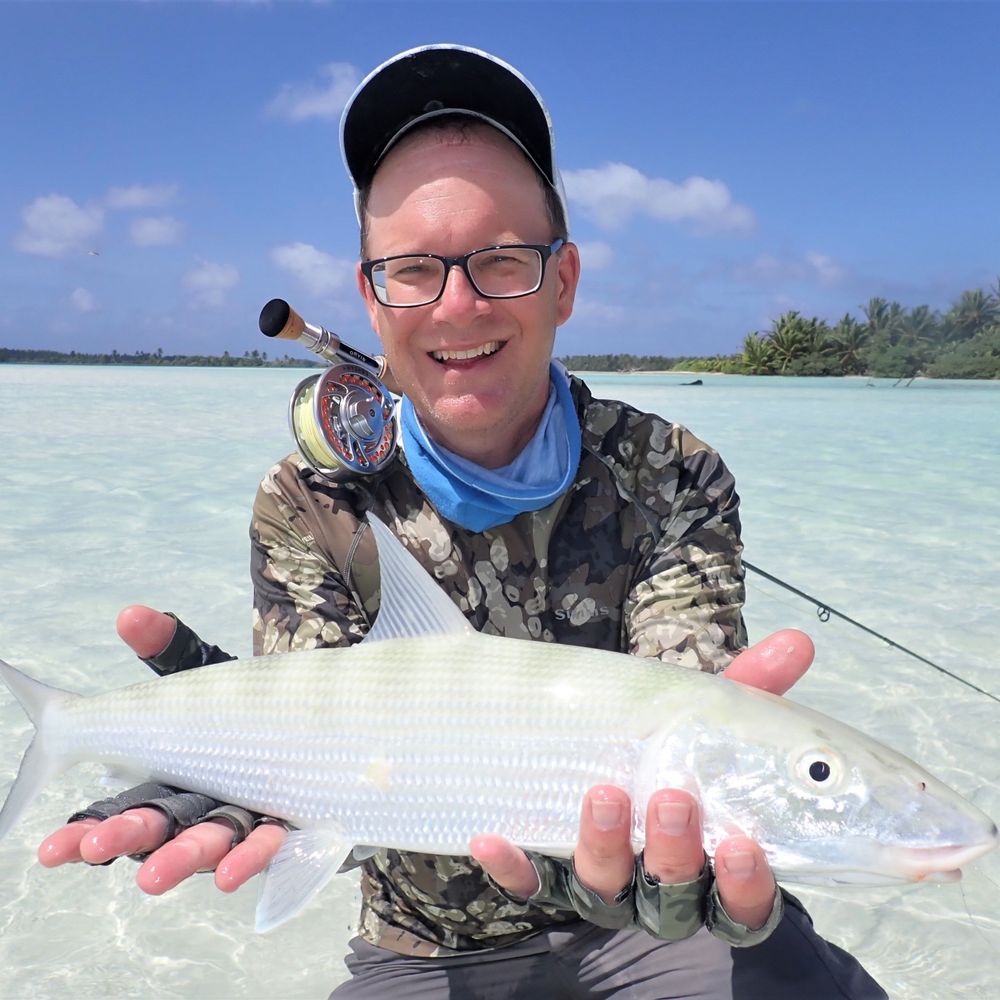
My adventures in shark fishing for science.

Catching Sharks for Science
On Long Beach Island, volunteer anglers help researchers uncover the hidden journeys of sharks in threatened salt marsh ecosystems.
blog.nature.org
February 2, 2026 at 2:42 PM
My adventures in shark fishing for science.
Reposted by John P. Friel, Ph.D.
🐎Protohippus gidleyi lived millions of years ago in Alabama!
This three-toed, ancient horse shows early adaptations to grasslands. Its worn teeth helped
grind plants, and its fossils tell the story of horse evolution in our state.
#aumnh #auburnuniversity #YearOfTheHorse #FossilFriday
This three-toed, ancient horse shows early adaptations to grasslands. Its worn teeth helped
grind plants, and its fossils tell the story of horse evolution in our state.
#aumnh #auburnuniversity #YearOfTheHorse #FossilFriday


January 30, 2026 at 6:27 PM
🐎Protohippus gidleyi lived millions of years ago in Alabama!
This three-toed, ancient horse shows early adaptations to grasslands. Its worn teeth helped
grind plants, and its fossils tell the story of horse evolution in our state.
#aumnh #auburnuniversity #YearOfTheHorse #FossilFriday
This three-toed, ancient horse shows early adaptations to grasslands. Its worn teeth helped
grind plants, and its fossils tell the story of horse evolution in our state.
#aumnh #auburnuniversity #YearOfTheHorse #FossilFriday
Reposted by John P. Friel, Ph.D.

New paper story time. 👁️🐟🦴🩻
Here is your gormless jawless relative Jamoytius:
[1/8]
Here is your gormless jawless relative Jamoytius:
[1/8]

January 28, 2026 at 10:31 AM
New paper story time. 👁️🐟🦴🩻
Here is your gormless jawless relative Jamoytius:
[1/8]
Here is your gormless jawless relative Jamoytius:
[1/8]
Extremophile molds are invading art #museums and devouring their collections. Stigma and climate change have fueled their spread.

Meet the extremophile molds wreaking havoc in museums
Extremophile molds are invading art museums and devouring their collections. Stigma and climate change have fueled their spread
www.scientificamerican.com
January 30, 2026 at 1:41 PM
Extremophile molds are invading art #museums and devouring their collections. Stigma and climate change have fueled their spread.
Reposted by John P. Friel, Ph.D.
Want to do a postdoc at Friday Harbor Labs? We have two positions open. Apply by March 1st. I am happy to discuss potential projects with fish people.
apply.interfolio.com/180092
🧪
apply.interfolio.com/180092
🧪

January 28, 2026 at 6:16 PM
Want to do a postdoc at Friday Harbor Labs? We have two positions open. Apply by March 1st. I am happy to discuss potential projects with fish people.
apply.interfolio.com/180092
🧪
apply.interfolio.com/180092
🧪
Bumping to the Fishes! and Science feeds🐟🧪
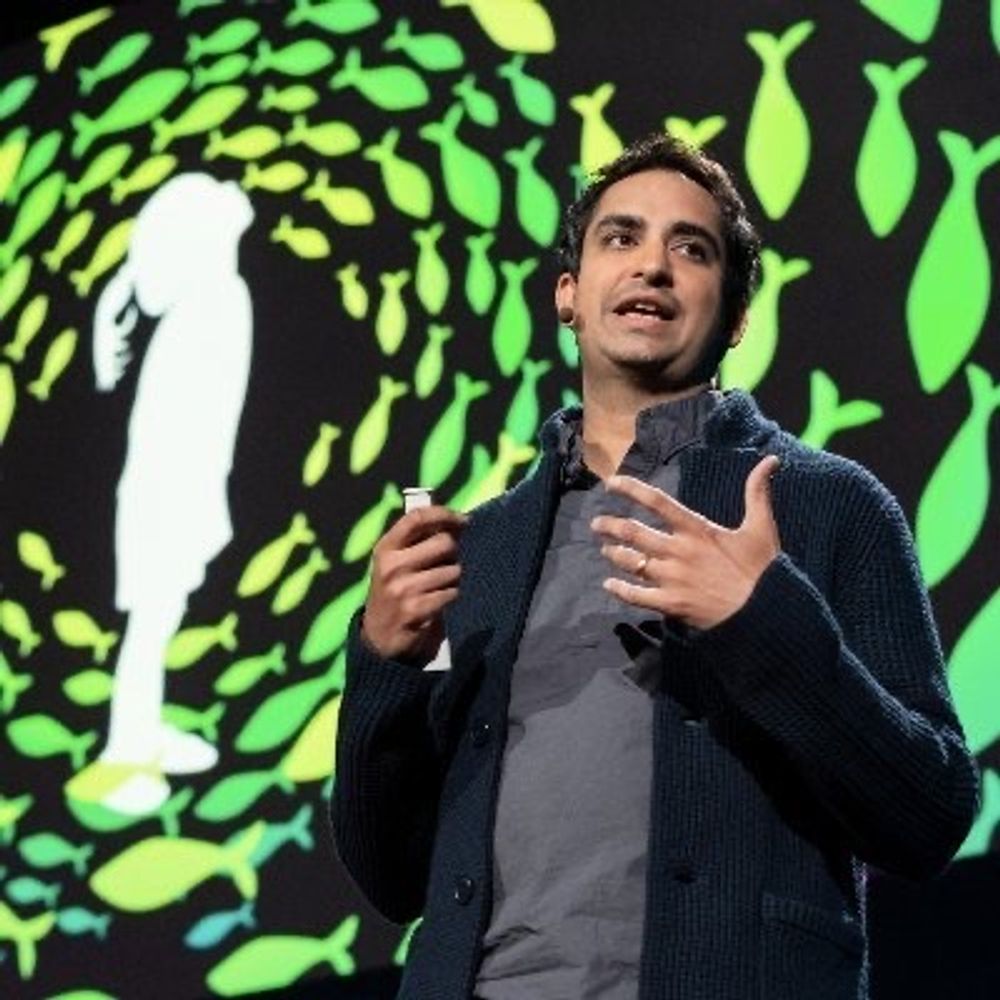
New #OA paper from my lab, led by the amazing @sheifishy.bsky.social, writing about her native Cuba and other Greater Antillean ichthyofauna
'Fine-Scale Bioregionalization in a Complex Island System:
A Freshwater Perspective From the Greater Antilles"
onlinelibrary.wiley.com/doi/epdf/10....
'Fine-Scale Bioregionalization in a Complex Island System:
A Freshwater Perspective From the Greater Antilles"
onlinelibrary.wiley.com/doi/epdf/10....
Fine‐Scale Bioregionalization in a Complex Island System: A Freshwater Perspective From the Greater Antilles
You have to enable JavaScript in your browser's settings in order to use the eReader.
onlinelibrary.wiley.com
January 28, 2026 at 5:55 PM
Bumping to the Fishes! and Science feeds🐟🧪
Reposted by John P. Friel, Ph.D.
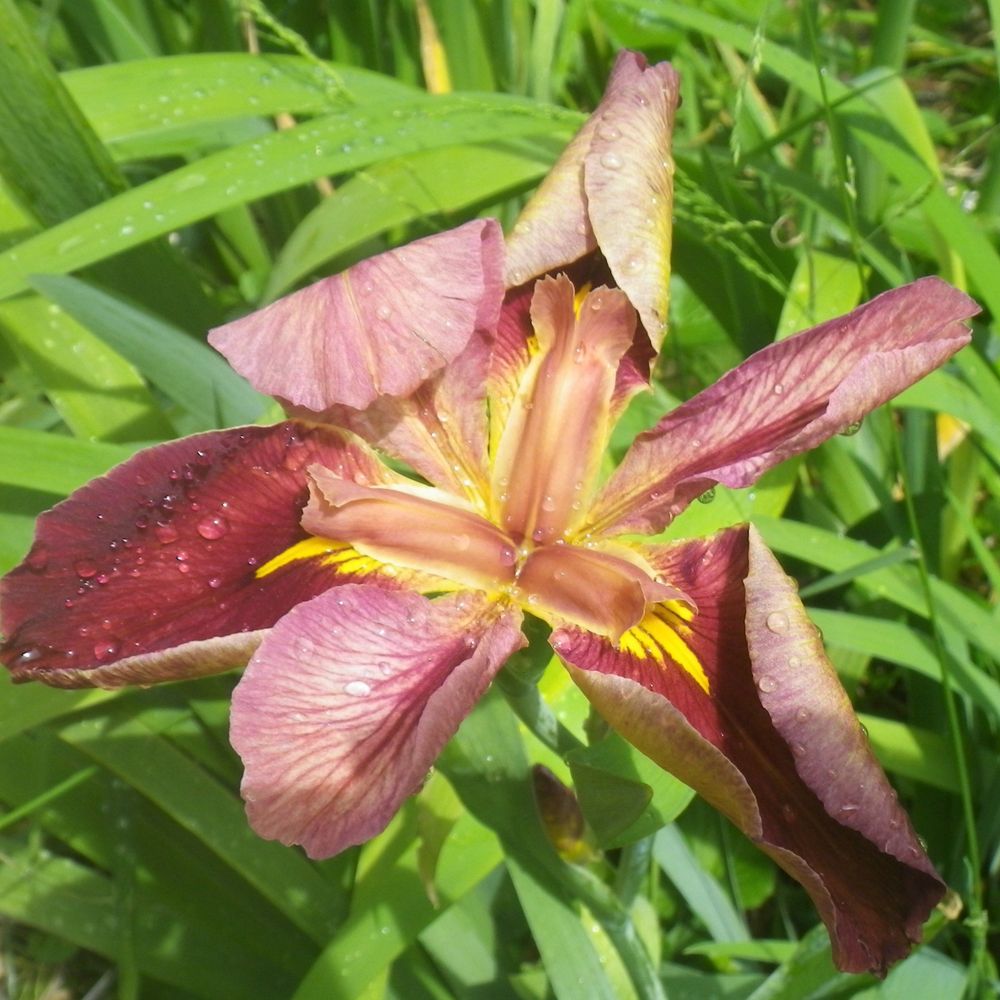
This is a short story by WSFA in Montgomery, Alabama, covering the press release about the Stippled Studfish, Fundulus bifax, now being considered for protected status under the US Endangered Species Act. I'll be interviewed by the station about this tomorrow morning. 🐟🌍🧪 #TeamFish

Fish species found only in Alabama moves closer to endangered status
The stippled studfish, a freshwater species found only in Alabama, is “swimming closer to Endangered Species Act protection” according to a release from the Center for Biological Diversity.
www.wsfa.com
January 28, 2026 at 1:29 AM
This is a short story by WSFA in Montgomery, Alabama, covering the press release about the Stippled Studfish, Fundulus bifax, now being considered for protected status under the US Endangered Species Act. I'll be interviewed by the station about this tomorrow morning. 🐟🌍🧪 #TeamFish
Reposted by John P. Friel, Ph.D.
January 23, 2026 at 5:44 PM