


Environmental Science
@envsci.rsc.org
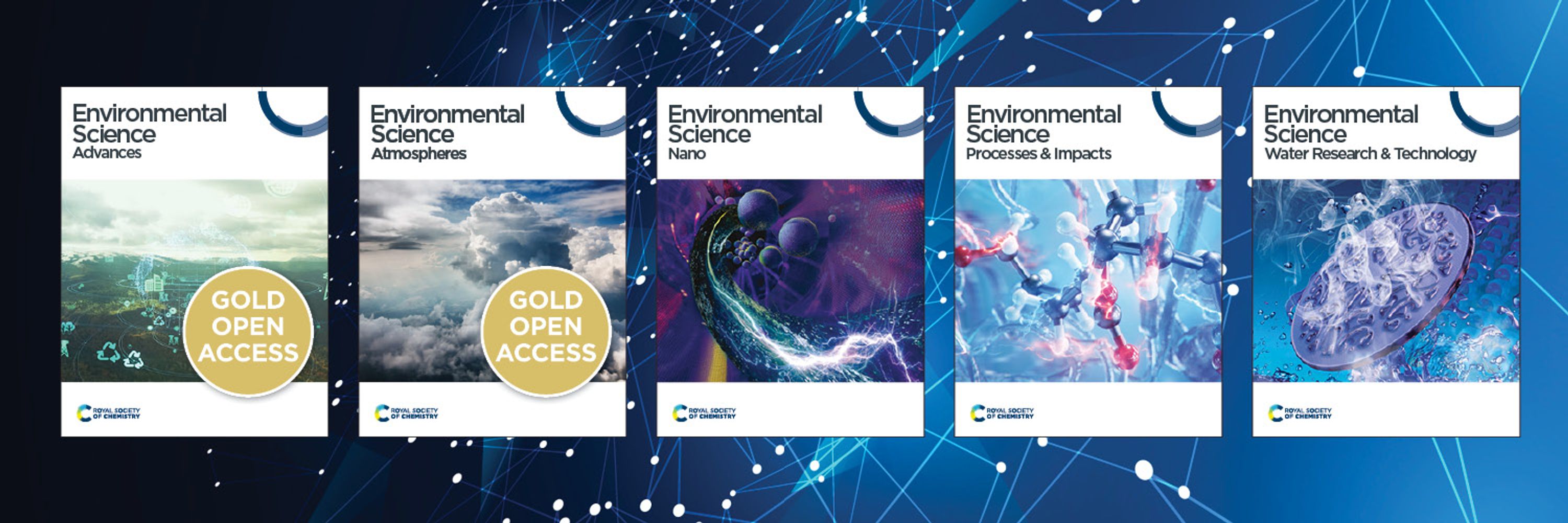
Royal Society of Chemistry Environmental Science journal portfolio. Together our five environmental science journals harness the power of interdisciplinary science to preserve our environment.
Published by @rsc.org 🌐 Website: rsc.li/envsci
Published by @rsc.org 🌐 Website: rsc.li/envsci
A simple and sustainable one-pot method has been developed to fabricate a gold nanoparticle–integrated hydrogel. This strategy offers a promising pathway toward accessible environmental remediation and biomedical applications.
Read more in 𝘌𝘚: 𝘕𝘢𝘯𝘰 ➡️
Read more in 𝘌𝘚: 𝘕𝘢𝘯𝘰 ➡️

Facile room-temperature one-pot synthesis of a gold nanoparticle-embedded hydrogel for recyclable dye degradation and antimicrobial applications
This work reports a sustainable and equipment-free one-pot strategy for the synthesis of gold nanoparticles (Au NPs) embedded within a hydrogel matrix at room temperature. In this method, Au NPs are formed in situ through simple mixing of aqueous sodium alginate (Alg, 3 wt%), citric acid (CA, 0.5 M), and chloroauri
pubs.rsc.org
February 12, 2026 at 1:30 PM
A simple and sustainable one-pot method has been developed to fabricate a gold nanoparticle–integrated hydrogel. This strategy offers a promising pathway toward accessible environmental remediation and biomedical applications.
Read more in 𝘌𝘚: 𝘕𝘢𝘯𝘰 ➡️
Read more in 𝘌𝘚: 𝘕𝘢𝘯𝘰 ➡️
𝘌𝘯𝘷𝘪𝘳𝘰𝘯𝘮𝘦𝘯𝘵𝘢𝘭 𝘚𝘤𝘪𝘦𝘯𝘤𝘦: 𝘗𝘳𝘰𝘤𝘦𝘴𝘴𝘦𝘴 & 𝘐𝘮𝘱𝘢𝘤𝘵𝘴 HOT articles of the week! ❤️🔥
1. Shaping a dynamic open platform for the holistic assessment of micro- and nano-plastic emissions from plastic products (Chunjiang 𝘦𝘵 𝘢𝘭.) ➡️ pubs.rsc.org/en/cont...
1/2
1. Shaping a dynamic open platform for the holistic assessment of micro- and nano-plastic emissions from plastic products (Chunjiang 𝘦𝘵 𝘢𝘭.) ➡️ pubs.rsc.org/en/cont...
1/2

Shaping a dynamic open platform for the holistic assessment of micro- and nano-plastic emissions from plastic products
The widespread use of plastics and their improper disposal have released a large number of micro- and nano-plastics (MNPs) into various environmental media. Although the release of MNPs from individual plastic products has been widely reported, there is a lack of a holistic assessment framework to determine the ove
pubs.rsc.org
February 11, 2026 at 1:00 PM
𝘌𝘯𝘷𝘪𝘳𝘰𝘯𝘮𝘦𝘯𝘵𝘢𝘭 𝘚𝘤𝘪𝘦𝘯𝘤𝘦: 𝘗𝘳𝘰𝘤𝘦𝘴𝘴𝘦𝘴 & 𝘐𝘮𝘱𝘢𝘤𝘵𝘴 HOT articles of the week! ❤️🔥
1. Shaping a dynamic open platform for the holistic assessment of micro- and nano-plastic emissions from plastic products (Chunjiang 𝘦𝘵 𝘢𝘭.) ➡️ pubs.rsc.org/en/cont...
1/2
1. Shaping a dynamic open platform for the holistic assessment of micro- and nano-plastic emissions from plastic products (Chunjiang 𝘦𝘵 𝘢𝘭.) ➡️ pubs.rsc.org/en/cont...
1/2
📢 Explore polyoxometalates' (POMs) role in tackling air/water pollutants, sensing, and energy storage through catalysis and adsorption in the latest 𝘌𝘯𝘷𝘪𝘳𝘰𝘯𝘮𝘦𝘯𝘵𝘢𝘭 𝘚𝘤𝘪𝘦𝘯𝘤𝘦: 𝘕𝘢𝘯𝘰 review on POMs!
Read here➡️pubs.rsc.org/en/Cont...
#Polyoxometalates #EnvironmentalRemediation
Read here➡️pubs.rsc.org/en/Cont...
#Polyoxometalates #EnvironmentalRemediation
February 10, 2026 at 1:06 PM
📢 Explore polyoxometalates' (POMs) role in tackling air/water pollutants, sensing, and energy storage through catalysis and adsorption in the latest 𝘌𝘯𝘷𝘪𝘳𝘰𝘯𝘮𝘦𝘯𝘵𝘢𝘭 𝘚𝘤𝘪𝘦𝘯𝘤𝘦: 𝘕𝘢𝘯𝘰 review on POMs!
Read here➡️pubs.rsc.org/en/Cont...
#Polyoxometalates #EnvironmentalRemediation
Read here➡️pubs.rsc.org/en/Cont...
#Polyoxometalates #EnvironmentalRemediation
𝘌𝘯𝘷𝘪𝘳𝘰𝘯𝘮𝘦𝘯𝘵𝘢𝘭 𝘚𝘤𝘪𝘦𝘯𝘤𝘦: 𝘈𝘥𝘷𝘢𝘯𝘤𝘦𝘴 HOT article of the week! ❤️🔥
Toluene adsorption and capacity regeneration using zeolite-based monolith and activated carbon fiber felt (Moses-DeBusk 𝘦𝘵 𝘢𝘭.) ➡️ pubs.rsc.org/en/cont...
#EnvironmentalScience #ESAdvances #EnvSci
Toluene adsorption and capacity regeneration using zeolite-based monolith and activated carbon fiber felt (Moses-DeBusk 𝘦𝘵 𝘢𝘭.) ➡️ pubs.rsc.org/en/cont...
#EnvironmentalScience #ESAdvances #EnvSci

Toluene adsorption and capacity regeneration using zeolite-based monolith and activated carbon fiber felt
Common adsorbents studied to remove volatile organic compounds (VOCs) from indoor air can release previously adsorbed VOCs back into the indoor space when the adsorbent is saturated or if the VOC concentration fluctuates. A durable adsorbent with a continuous regeneration strategy could prevent this recontam
pubs.rsc.org
February 10, 2026 at 11:44 AM
𝘌𝘯𝘷𝘪𝘳𝘰𝘯𝘮𝘦𝘯𝘵𝘢𝘭 𝘚𝘤𝘪𝘦𝘯𝘤𝘦: 𝘈𝘥𝘷𝘢𝘯𝘤𝘦𝘴 HOT article of the week! ❤️🔥
Toluene adsorption and capacity regeneration using zeolite-based monolith and activated carbon fiber felt (Moses-DeBusk 𝘦𝘵 𝘢𝘭.) ➡️ pubs.rsc.org/en/cont...
#EnvironmentalScience #ESAdvances #EnvSci
Toluene adsorption and capacity regeneration using zeolite-based monolith and activated carbon fiber felt (Moses-DeBusk 𝘦𝘵 𝘢𝘭.) ➡️ pubs.rsc.org/en/cont...
#EnvironmentalScience #ESAdvances #EnvSci
Our (@rsc.org) first sustainability strategy has launched, outlining how chemistry can drive progress toward the UN Sustainable Development Goals (SDGs), creating a safer and more sustainable future. ▶️ https://rsc.li/3ZMSAV7
#UNSDGs #Chemistry #Sustainability
#UNSDGs #Chemistry #Sustainability

February 4, 2026 at 9:35 AM
Our (@rsc.org) first sustainability strategy has launched, outlining how chemistry can drive progress toward the UN Sustainable Development Goals (SDGs), creating a safer and more sustainable future. ▶️ https://rsc.li/3ZMSAV7
#UNSDGs #Chemistry #Sustainability
#UNSDGs #Chemistry #Sustainability
Check out the 𝘌𝘯𝘷𝘪𝘳𝘰𝘯𝘮𝘦𝘯𝘵𝘢𝘭 𝘚𝘤𝘪𝘦𝘯𝘤𝘦: 𝘕𝘢𝘯𝘰 HOT articles of the week! ❤️🔥
1. Efficient adsorption of 1, 4-naphthoquinone on covalent organic frameworks (Xia 𝘦𝘵 𝘢𝘭.) ➡️ pubs.rsc.org/en/cont...
#EnvSci #EnvironmentalScience #Nanoscience #Chemistry
1/2
1. Efficient adsorption of 1, 4-naphthoquinone on covalent organic frameworks (Xia 𝘦𝘵 𝘢𝘭.) ➡️ pubs.rsc.org/en/cont...
#EnvSci #EnvironmentalScience #Nanoscience #Chemistry
1/2
Efficient adsorption of 1, 4-naphthoquinone on covalent organic frameworks - Environmental Science: Nano (RSC Publishing)
1, 4-Naphthoquinone is a widely used intermediate in the fields of medicine and chemical engineering. However, they are moderately toxic and can cause serious pollution to water, soil, and air. Thus, the selective removal of 1, 4-naphthoquinone from the environment has become an urgent issue. Covalent organi
HOT articles from Environmental Science: Nano
pubs.rsc.org
February 3, 2026 at 4:55 PM
Check out the 𝘌𝘯𝘷𝘪𝘳𝘰𝘯𝘮𝘦𝘯𝘵𝘢𝘭 𝘚𝘤𝘪𝘦𝘯𝘤𝘦: 𝘕𝘢𝘯𝘰 HOT articles of the week! ❤️🔥
1. Efficient adsorption of 1, 4-naphthoquinone on covalent organic frameworks (Xia 𝘦𝘵 𝘢𝘭.) ➡️ pubs.rsc.org/en/cont...
#EnvSci #EnvironmentalScience #Nanoscience #Chemistry
1/2
1. Efficient adsorption of 1, 4-naphthoquinone on covalent organic frameworks (Xia 𝘦𝘵 𝘢𝘭.) ➡️ pubs.rsc.org/en/cont...
#EnvSci #EnvironmentalScience #Nanoscience #Chemistry
1/2
‼️Today marks the launch of a new UK governmental plan on tackling PFAS - an important issue that the Royal Society of Chemistry (@rsc.org) will continue to work with the government on in order for a safer future. #RSCPolicy #PFAS #EnvironmentalScience
Read more here ➡️
Read more here ➡️

'Forever chemical' testing to be ramped up amid growing concerns.
Increasing testing for PFAS is part of the UK's first ever national plan for tackling the substances.
www.bbc.co.uk
February 3, 2026 at 2:03 PM
‼️Today marks the launch of a new UK governmental plan on tackling PFAS - an important issue that the Royal Society of Chemistry (@rsc.org) will continue to work with the government on in order for a safer future. #RSCPolicy #PFAS #EnvironmentalScience
Read more here ➡️
Read more here ➡️
📢 Cross-journal open call (𝘌𝘚: 𝘗𝘳𝘰𝘤𝘦𝘴𝘴𝘦𝘴 & 𝘐𝘮𝘱𝘢𝘤𝘵𝘴 and 𝘙𝘚𝘊 𝘚𝘶𝘴𝘵𝘢𝘪𝘯𝘢𝘣𝘪𝘭𝘪𝘵𝘺) on 𝗟𝗶𝗳𝗲 𝗰𝘆𝗰𝗹𝗲 𝗼𝗳 𝗰𝗵𝗲𝗺𝗶𝗰𝗮𝗹𝘀 𝗶𝗻 𝘁𝗵𝗲 𝘁𝗿𝗮𝗻𝘀𝗶𝘁𝗶𝗼𝗻 𝘁𝗼 𝗮 𝘀𝘂𝘀𝘁𝗮𝗶𝗻𝗮𝗯𝗹𝗲 𝘀𝗼𝗰𝗶𝗲𝘁𝘆
⏰ Deadline: 28 February 2026
➡️ www.rsc.org/publishi...
⏰ Deadline: 28 February 2026
➡️ www.rsc.org/publishi...
February 2, 2026 at 3:47 PM
📢 Cross-journal open call (𝘌𝘚: 𝘗𝘳𝘰𝘤𝘦𝘴𝘴𝘦𝘴 & 𝘐𝘮𝘱𝘢𝘤𝘵𝘴 and 𝘙𝘚𝘊 𝘚𝘶𝘴𝘵𝘢𝘪𝘯𝘢𝘣𝘪𝘭𝘪𝘵𝘺) on 𝗟𝗶𝗳𝗲 𝗰𝘆𝗰𝗹𝗲 𝗼𝗳 𝗰𝗵𝗲𝗺𝗶𝗰𝗮𝗹𝘀 𝗶𝗻 𝘁𝗵𝗲 𝘁𝗿𝗮𝗻𝘀𝗶𝘁𝗶𝗼𝗻 𝘁𝗼 𝗮 𝘀𝘂𝘀𝘁𝗮𝗶𝗻𝗮𝗯𝗹𝗲 𝘀𝗼𝗰𝗶𝗲𝘁𝘆
⏰ Deadline: 28 February 2026
➡️ www.rsc.org/publishi...
⏰ Deadline: 28 February 2026
➡️ www.rsc.org/publishi...
To celebrate 𝗪𝗼𝗿𝗹𝗱 𝗪𝗲𝘁𝗹𝗮𝗻𝗱𝘀 𝗗𝗮𝘆 𝟮𝟬𝟮𝟲 and raise awareness about the importance of wetlands for people and the planet, we would like to highlight some relevant articles from our Environmental Science journals (www.rsc.org/publishi...)🌱
#WorldWetlandsDay #EnvironmentalScience
1/7
#WorldWetlandsDay #EnvironmentalScience
1/7
Environmental Science portfolio
Publish your own research or read cutting-edge work of the highest quality
www.rsc.org
February 2, 2026 at 1:30 PM
To celebrate 𝗪𝗼𝗿𝗹𝗱 𝗪𝗲𝘁𝗹𝗮𝗻𝗱𝘀 𝗗𝗮𝘆 𝟮𝟬𝟮𝟲 and raise awareness about the importance of wetlands for people and the planet, we would like to highlight some relevant articles from our Environmental Science journals (www.rsc.org/publishi...)🌱
#WorldWetlandsDay #EnvironmentalScience
1/7
#WorldWetlandsDay #EnvironmentalScience
1/7
Check out the 𝘌𝘚: 𝘗𝘳𝘰𝘤𝘦𝘴𝘴𝘦𝘴 & 𝘐𝘮𝘱𝘢𝘤𝘵𝘴 HOT articles of the week! ❤️🔥
Comprehensive comparison of sampling methods for evaluating hexamethylene diisocyanate (HDI) in the air of an automotive collision repair facility (Aubin 𝘦𝘵 𝘢𝘭.) ➡️ pubs.rsc.org/en/cont...
#EnvSci
1/3
Comprehensive comparison of sampling methods for evaluating hexamethylene diisocyanate (HDI) in the air of an automotive collision repair facility (Aubin 𝘦𝘵 𝘢𝘭.) ➡️ pubs.rsc.org/en/cont...
#EnvSci
1/3

Comprehensive comparison of sampling methods for evaluating hexamethylene diisocyanate (HDI) in the air of an automotive collision repair facility
Isocyanates are recognized as potent irritants and sensitizing agents. Accurate quantification of their airborne concentrations in occupational settings remains a significant analytical challenge due to their high chemical reactivity and semi-volatile nature, that is, their capacity to exist simultaneously airborne
pubs.rsc.org
January 30, 2026 at 1:00 PM
Check out the 𝘌𝘚: 𝘗𝘳𝘰𝘤𝘦𝘴𝘴𝘦𝘴 & 𝘐𝘮𝘱𝘢𝘤𝘵𝘴 HOT articles of the week! ❤️🔥
Comprehensive comparison of sampling methods for evaluating hexamethylene diisocyanate (HDI) in the air of an automotive collision repair facility (Aubin 𝘦𝘵 𝘢𝘭.) ➡️ pubs.rsc.org/en/cont...
#EnvSci
1/3
Comprehensive comparison of sampling methods for evaluating hexamethylene diisocyanate (HDI) in the air of an automotive collision repair facility (Aubin 𝘦𝘵 𝘢𝘭.) ➡️ pubs.rsc.org/en/cont...
#EnvSci
1/3
📢 A new review in 𝘌𝘚: 𝘈𝘵𝘮𝘰𝘴𝘱𝘩𝘦𝘳𝘦𝘴 systematically compares laboratory approaches used to simulate and characterize open biomass burning aerosol emissions.
Read here ➡️ pubs.rsc.org/en/cont...
#EnvSci #AtmosphericScience
Read here ➡️ pubs.rsc.org/en/cont...
#EnvSci #AtmosphericScience
Comparative Review of Laboratory Approaches for Simulating and Characterizing Open Biomass Burning Aerosol Emissions - Environmental Science: Atmospheres (RSC Publishing)
Open biomass burning (BB) is a major global source of atmospheric particulate matter, yet laboratory studies often report divergent aerosol aging outcomes that are difficult to compare across experiments. While such variability is frequently attributed to fuel properties or oxidation conditions, the influenc
Environmental Science Atmospheres Recent Review Articles
pubs.rsc.org
January 29, 2026 at 1:26 PM
📢 A new review in 𝘌𝘚: 𝘈𝘵𝘮𝘰𝘴𝘱𝘩𝘦𝘳𝘦𝘴 systematically compares laboratory approaches used to simulate and characterize open biomass burning aerosol emissions.
Read here ➡️ pubs.rsc.org/en/cont...
#EnvSci #AtmosphericScience
Read here ➡️ pubs.rsc.org/en/cont...
#EnvSci #AtmosphericScience
Check out the 𝘌𝘯𝘷𝘪𝘳𝘰𝘯𝘮𝘦𝘯𝘵𝘢𝘭 𝘚𝘤𝘪𝘦𝘯𝘤𝘦: 𝘈𝘵𝘮𝘰𝘴𝘱𝘩𝘦𝘳𝘦𝘴 HOT articles of the week! ❤️🔥
1. Idealized modeling of stratospheric aerosol injection deployment scenarios with two non-cooperative actors (Määttänen 𝘦𝘵 𝘢𝘭.) ➡️ pubs.rsc.org/en/cont...
#EnvSci
1/2
1. Idealized modeling of stratospheric aerosol injection deployment scenarios with two non-cooperative actors (Määttänen 𝘦𝘵 𝘢𝘭.) ➡️ pubs.rsc.org/en/cont...
#EnvSci
1/2
January 29, 2026 at 11:16 AM
Check out the 𝘌𝘯𝘷𝘪𝘳𝘰𝘯𝘮𝘦𝘯𝘵𝘢𝘭 𝘚𝘤𝘪𝘦𝘯𝘤𝘦: 𝘈𝘵𝘮𝘰𝘴𝘱𝘩𝘦𝘳𝘦𝘴 HOT articles of the week! ❤️🔥
1. Idealized modeling of stratospheric aerosol injection deployment scenarios with two non-cooperative actors (Määttänen 𝘦𝘵 𝘢𝘭.) ➡️ pubs.rsc.org/en/cont...
#EnvSci
1/2
1. Idealized modeling of stratospheric aerosol injection deployment scenarios with two non-cooperative actors (Määttänen 𝘦𝘵 𝘢𝘭.) ➡️ pubs.rsc.org/en/cont...
#EnvSci
1/2
Don't miss out on contributing to this exciting new themed collection on PFAS alternatives!
Submit your research by 30th April 2026 ⏰
#ChemSky #SustainableChemistry #EnvironmentalChemistry
Submit your research by 30th April 2026 ⏰
#ChemSky #SustainableChemistry #EnvironmentalChemistry
We're excited to announce this exciting new cross-journal collection that will be dedicated to advancing the science and application of alternatives to per- and polyfluoroalkyl substances (PFAS).
Deadline: 30th April 2026
Find out more: blogs.rsc.org/va/2025/10/1...
#Environment
Deadline: 30th April 2026
Find out more: blogs.rsc.org/va/2025/10/1...
#Environment

January 26, 2026 at 11:42 AM
Don't miss out on contributing to this exciting new themed collection on PFAS alternatives!
Submit your research by 30th April 2026 ⏰
#ChemSky #SustainableChemistry #EnvironmentalChemistry
Submit your research by 30th April 2026 ⏰
#ChemSky #SustainableChemistry #EnvironmentalChemistry
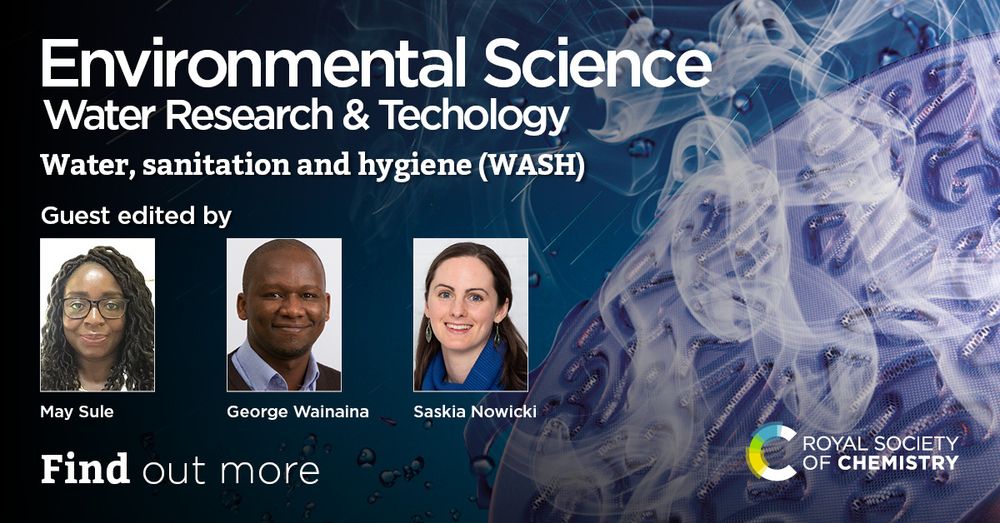
New #ESWRT themed collection exploring transformation and innovation for resilient equitable Water, Sanitation and Hygiene (WASH) services is now OPEN for submissions!
Find out more: blogs.rsc.org/ew/2025/07/0...
⏰ Submission deadline: February 2026
#Chemsky #EnvironmentalScience
Find out more: blogs.rsc.org/ew/2025/07/0...
⏰ Submission deadline: February 2026
#Chemsky #EnvironmentalScience
January 26, 2026 at 11:02 AM
New research paper by Nasrullah 𝘦𝘵 𝘢𝘭. in 𝘌𝘚: 𝘈𝘥𝘷𝘢𝘯𝘤𝘦𝘴 reports how process intensification via resonant vibratory mixing improves Sm–Co magnet leaching using deep eutectic solvents, offering a greener and sustainable recycling pathway for critical metals ➡️

Process intensification by resonant vibratory mixing for samarium–cobalt magnet leaching with deep eutectic solvents
Due to limited primary resources and to fulfil the demand for renewable energy in the automobile industry, defence applications, and other high-tech applications, recycling rare earth elements (REEs) and other critical elements from their secondary resources is imperative. Rigorous research and development for viab
pubs.rsc.org
January 22, 2026 at 1:30 PM
New research paper by Nasrullah 𝘦𝘵 𝘢𝘭. in 𝘌𝘚: 𝘈𝘥𝘷𝘢𝘯𝘤𝘦𝘴 reports how process intensification via resonant vibratory mixing improves Sm–Co magnet leaching using deep eutectic solvents, offering a greener and sustainable recycling pathway for critical metals ➡️
Reposted by Environmental Science
Calling all young scientists! 📣
The 𝘠𝘰𝘶𝘯𝘨 𝘝𝘰𝘪𝘤𝘦𝘴 𝘪𝘯 𝘵𝘩𝘦 𝘊𝘩𝘦𝘮𝘪𝘤𝘢𝘭 𝘚𝘤𝘪𝘦𝘯𝘤𝘦𝘴 𝘧𝘰𝘳 𝘚𝘶𝘴𝘵𝘢𝘪𝘯𝘢𝘣𝘪𝘭𝘪𝘵𝘺 global essay competition is back for 2026!
Theme: "𝗛𝗼𝘄 𝗰𝗮𝗻 𝘁𝗵𝗲 𝗰𝗵𝗲𝗺𝗶𝗰𝗮𝗹 𝘀𝗰𝗶𝗲𝗻𝗰𝗲𝘀 𝗲𝗻𝘀𝘂𝗿𝗲 𝘀𝘂𝘀𝘁𝗮𝗶𝗻𝗮𝗯𝗹𝗲 𝗮𝗰𝗰𝗲𝘀𝘀 𝘁𝗼 𝗰𝗹𝗲𝗮𝗻 𝘄𝗮𝘁𝗲𝗿 𝗳𝗼𝗿 𝗮𝗹𝗹 𝗻𝗲𝗲𝗱𝘀?”
🔗 www.iocd.org/v3_site/Essa...
#ChemSky #SustainableChemistry
The 𝘠𝘰𝘶𝘯𝘨 𝘝𝘰𝘪𝘤𝘦𝘴 𝘪𝘯 𝘵𝘩𝘦 𝘊𝘩𝘦𝘮𝘪𝘤𝘢𝘭 𝘚𝘤𝘪𝘦𝘯𝘤𝘦𝘴 𝘧𝘰𝘳 𝘚𝘶𝘴𝘵𝘢𝘪𝘯𝘢𝘣𝘪𝘭𝘪𝘵𝘺 global essay competition is back for 2026!
Theme: "𝗛𝗼𝘄 𝗰𝗮𝗻 𝘁𝗵𝗲 𝗰𝗵𝗲𝗺𝗶𝗰𝗮𝗹 𝘀𝗰𝗶𝗲𝗻𝗰𝗲𝘀 𝗲𝗻𝘀𝘂𝗿𝗲 𝘀𝘂𝘀𝘁𝗮𝗶𝗻𝗮𝗯𝗹𝗲 𝗮𝗰𝗰𝗲𝘀𝘀 𝘁𝗼 𝗰𝗹𝗲𝗮𝗻 𝘄𝗮𝘁𝗲𝗿 𝗳𝗼𝗿 𝗮𝗹𝗹 𝗻𝗲𝗲𝗱𝘀?”
🔗 www.iocd.org/v3_site/Essa...
#ChemSky #SustainableChemistry

January 21, 2026 at 11:31 AM
Calling all young scientists! 📣
The 𝘠𝘰𝘶𝘯𝘨 𝘝𝘰𝘪𝘤𝘦𝘴 𝘪𝘯 𝘵𝘩𝘦 𝘊𝘩𝘦𝘮𝘪𝘤𝘢𝘭 𝘚𝘤𝘪𝘦𝘯𝘤𝘦𝘴 𝘧𝘰𝘳 𝘚𝘶𝘴𝘵𝘢𝘪𝘯𝘢𝘣𝘪𝘭𝘪𝘵𝘺 global essay competition is back for 2026!
Theme: "𝗛𝗼𝘄 𝗰𝗮𝗻 𝘁𝗵𝗲 𝗰𝗵𝗲𝗺𝗶𝗰𝗮𝗹 𝘀𝗰𝗶𝗲𝗻𝗰𝗲𝘀 𝗲𝗻𝘀𝘂𝗿𝗲 𝘀𝘂𝘀𝘁𝗮𝗶𝗻𝗮𝗯𝗹𝗲 𝗮𝗰𝗰𝗲𝘀𝘀 𝘁𝗼 𝗰𝗹𝗲𝗮𝗻 𝘄𝗮𝘁𝗲𝗿 𝗳𝗼𝗿 𝗮𝗹𝗹 𝗻𝗲𝗲𝗱𝘀?”
🔗 www.iocd.org/v3_site/Essa...
#ChemSky #SustainableChemistry
The 𝘠𝘰𝘶𝘯𝘨 𝘝𝘰𝘪𝘤𝘦𝘴 𝘪𝘯 𝘵𝘩𝘦 𝘊𝘩𝘦𝘮𝘪𝘤𝘢𝘭 𝘚𝘤𝘪𝘦𝘯𝘤𝘦𝘴 𝘧𝘰𝘳 𝘚𝘶𝘴𝘵𝘢𝘪𝘯𝘢𝘣𝘪𝘭𝘪𝘵𝘺 global essay competition is back for 2026!
Theme: "𝗛𝗼𝘄 𝗰𝗮𝗻 𝘁𝗵𝗲 𝗰𝗵𝗲𝗺𝗶𝗰𝗮𝗹 𝘀𝗰𝗶𝗲𝗻𝗰𝗲𝘀 𝗲𝗻𝘀𝘂𝗿𝗲 𝘀𝘂𝘀𝘁𝗮𝗶𝗻𝗮𝗯𝗹𝗲 𝗮𝗰𝗰𝗲𝘀𝘀 𝘁𝗼 𝗰𝗹𝗲𝗮𝗻 𝘄𝗮𝘁𝗲𝗿 𝗳𝗼𝗿 𝗮𝗹𝗹 𝗻𝗲𝗲𝗱𝘀?”
🔗 www.iocd.org/v3_site/Essa...
#ChemSky #SustainableChemistry
New themed collection on Solar Radiation Management ☀️
This #ESATMOS collection brings together recent research and governance perspectives from leading experts, including featured cover artwork and critical reviews. Explore the collection here: pubs.rsc.org/en/journals/...
#ChemSky #EnvSci
This #ESATMOS collection brings together recent research and governance perspectives from leading experts, including featured cover artwork and critical reviews. Explore the collection here: pubs.rsc.org/en/journals/...
#ChemSky #EnvSci


January 22, 2026 at 10:48 AM
New themed collection on Solar Radiation Management ☀️
This #ESATMOS collection brings together recent research and governance perspectives from leading experts, including featured cover artwork and critical reviews. Explore the collection here: pubs.rsc.org/en/journals/...
#ChemSky #EnvSci
This #ESATMOS collection brings together recent research and governance perspectives from leading experts, including featured cover artwork and critical reviews. Explore the collection here: pubs.rsc.org/en/journals/...
#ChemSky #EnvSci
New route for treating industrial wastewaters proposed in new 𝘌𝘚: 𝘞𝘢𝘵𝘦𝘳 𝘙𝘦𝘴𝘦𝘢𝘳𝘤𝘩 & 𝘛𝘦𝘤𝘩𝘯𝘰𝘭𝘰𝘨𝘺 article: 𝗧𝗼𝘄𝗮𝗿𝗱𝘀 𝗦𝗰𝗮𝗹𝗮𝗯𝗹𝗲 𝗘𝗹𝗲𝗰𝘁𝗿𝗼𝗰𝗵𝗲𝗺𝗶𝗰𝗮𝗹 𝗥𝗲𝗱𝘂𝗰𝘁𝗶𝗼𝗻 𝗖𝗲𝗹𝗹𝘀 𝗳𝗼𝗿 𝗛𝗲𝘅𝗮𝘃𝗮𝗹𝗲𝗻𝘁 𝗖𝗵𝗿𝗼𝗺𝗶𝘂𝗺 ➡️

Towards scalable electrochemical reduction cells for hexavalent chromium
The ability of electrochemical cells with carbon-based anodes and cathodes to reduce hexavalent chromium (Cr(vi)) to trivalent chromium (Cr(iii)) was investigated over a range of applied potentials and feed pH values. These cells reduced >99% of the 200 ppm Cr(vi) present with a residence time below one minute when
pubs.rsc.org
January 21, 2026 at 3:23 PM
New route for treating industrial wastewaters proposed in new 𝘌𝘚: 𝘞𝘢𝘵𝘦𝘳 𝘙𝘦𝘴𝘦𝘢𝘳𝘤𝘩 & 𝘛𝘦𝘤𝘩𝘯𝘰𝘭𝘰𝘨𝘺 article: 𝗧𝗼𝘄𝗮𝗿𝗱𝘀 𝗦𝗰𝗮𝗹𝗮𝗯𝗹𝗲 𝗘𝗹𝗲𝗰𝘁𝗿𝗼𝗰𝗵𝗲𝗺𝗶𝗰𝗮𝗹 𝗥𝗲𝗱𝘂𝗰𝘁𝗶𝗼𝗻 𝗖𝗲𝗹𝗹𝘀 𝗳𝗼𝗿 𝗛𝗲𝘅𝗮𝘃𝗮𝗹𝗲𝗻𝘁 𝗖𝗵𝗿𝗼𝗺𝗶𝘂𝗺 ➡️
A range of lower input remediation techniques exist that can manage risks more sustainably and potentially at lower cost, allowing the treatment of stalled sites that are less economically feasible under current market conditions. Find out more in 𝘌𝘚: 𝘈𝘥𝘷𝘢𝘯𝘤𝘦𝘴➡️

Beyond single nanomaterial exposure: investigating the fate of a TiO2 and CeO2 nanomaterial mixture in freshwater mesocosms
Assessing the environmental risks of emerging contaminants related to new technologies remains a major challenge due to the diversity of pollutants, their complex interactions, and the limitations of conventional testing frameworks. Among these contaminants, engineered nanomaterials (ENMs) stand out for their uniqu
pubs.rsc.org
January 21, 2026 at 2:00 PM
A range of lower input remediation techniques exist that can manage risks more sustainably and potentially at lower cost, allowing the treatment of stalled sites that are less economically feasible under current market conditions. Find out more in 𝘌𝘚: 𝘈𝘥𝘷𝘢𝘯𝘤𝘦𝘴➡️
Moving beyond single contaminant exposure: A new study in 𝘌𝘯𝘷𝘪𝘳𝘰𝘯𝘮𝘦𝘯𝘵𝘢𝘭 𝘚𝘤𝘪𝘦𝘯𝘤𝘦: 𝘕𝘢𝘯𝘰 from Ouaksel 𝘦𝘵 𝘢𝘭. investigates the potential cocktail effects of an engineered nanomaterial mixture (TiO2 and CeO2) in aquatic environments. ➡️ pubs.rsc.org/en/cont...
#Nanoscience
#Nanoscience
Beyond single nanomaterial exposure: investigating the fate of a TiO2 and CeO2 nanomaterial mixture in freshwater mesocosms
Assessing the environmental risks of emerging contaminants related to new technologies remains a major challenge due to the diversity of pollutants, their complex interactions, and the limitations of conventional testing frameworks. Among these contaminants, engineered nanomaterials (ENMs) stand out for their uniqu
pubs.rsc.org
January 20, 2026 at 2:00 PM
Moving beyond single contaminant exposure: A new study in 𝘌𝘯𝘷𝘪𝘳𝘰𝘯𝘮𝘦𝘯𝘵𝘢𝘭 𝘚𝘤𝘪𝘦𝘯𝘤𝘦: 𝘕𝘢𝘯𝘰 from Ouaksel 𝘦𝘵 𝘢𝘭. investigates the potential cocktail effects of an engineered nanomaterial mixture (TiO2 and CeO2) in aquatic environments. ➡️ pubs.rsc.org/en/cont...
#Nanoscience
#Nanoscience
Sustainability meets innovation: Explore biopolymer-clay hydrogels for a cleaner future in new 𝘌𝘯𝘷𝘪𝘳𝘰𝘯𝘮𝘦𝘯𝘵𝘢𝘭 𝘚𝘤𝘪𝘦𝘯𝘤𝘦: 𝘞𝘢𝘵𝘦𝘳 𝘙𝘦𝘴𝘦𝘢𝘳𝘤𝘩 & 𝘛𝘦𝘤𝘩𝘯𝘰𝘭𝘰𝘨𝘺 review! ➡️ pubs.rsc.org/en/cont...
#EnvSci #WaterTechnology #WaterResearch
#EnvSci #WaterTechnology #WaterResearch
Biopolymer-Clay Hybrid Hydrogels in Pharmaceutical Wastewater Treatment: A Critical Review of Modification, Mechanisms and Economic Viability - Environmental Science: Water Research & Technology (RSC Publishing)
The growing presence of pharmaceutical residues in aquatic ecosystems presents a pressing challenge for environmental and public health, underscoring the need for remediation technologies that are not only effective but also sustainable and economically feasible. Clay-based bio-hydrogels have recently emerge
pubs.rsc.org
January 20, 2026 at 10:26 AM
Sustainability meets innovation: Explore biopolymer-clay hydrogels for a cleaner future in new 𝘌𝘯𝘷𝘪𝘳𝘰𝘯𝘮𝘦𝘯𝘵𝘢𝘭 𝘚𝘤𝘪𝘦𝘯𝘤𝘦: 𝘞𝘢𝘵𝘦𝘳 𝘙𝘦𝘴𝘦𝘢𝘳𝘤𝘩 & 𝘛𝘦𝘤𝘩𝘯𝘰𝘭𝘰𝘨𝘺 review! ➡️ pubs.rsc.org/en/cont...
#EnvSci #WaterTechnology #WaterResearch
#EnvSci #WaterTechnology #WaterResearch
Check out this week's 𝘌𝘯𝘷𝘪𝘳𝘰𝘯𝘮𝘦𝘯𝘵𝘢𝘭 𝘚𝘤𝘪𝘦𝘯𝘤𝘦: 𝘞𝘢𝘵𝘦𝘳 𝘙𝘦𝘴𝘦𝘢𝘳𝘤𝘩 & 𝘛𝘦𝘤𝘩𝘯𝘰𝘭𝘰𝘨𝘺 HOT article! 🔥
Floc Density-Driven Bacterial Community Succession Orchestrates Antibiotic Resistance Dissemination in Activated Sludge (Chen 𝘦𝘵 𝘢𝘭.) ➡️
Floc Density-Driven Bacterial Community Succession Orchestrates Antibiotic Resistance Dissemination in Activated Sludge (Chen 𝘦𝘵 𝘢𝘭.) ➡️
Floc Density-Driven Bacterial Community Succession Orchestrates Antibiotic Resistance Dissemination in Activated Sludge - Environmental Science: Water Research & Technology (RSC Publishing)
In biological wastewater treatment units, bacteria can self-assemble into flocs with heterogeneous structural characteristics. These flocs, varying in density, create dynamic microenvironments that reshape bacterial community assembly and influence the dissemination of antibiotic resistance, a process that i
HOT articles from Environmental Science: Water Research & Technology
pubs.rsc.org
January 19, 2026 at 2:30 PM
Check out this week's 𝘌𝘯𝘷𝘪𝘳𝘰𝘯𝘮𝘦𝘯𝘵𝘢𝘭 𝘚𝘤𝘪𝘦𝘯𝘤𝘦: 𝘞𝘢𝘵𝘦𝘳 𝘙𝘦𝘴𝘦𝘢𝘳𝘤𝘩 & 𝘛𝘦𝘤𝘩𝘯𝘰𝘭𝘰𝘨𝘺 HOT article! 🔥
Floc Density-Driven Bacterial Community Succession Orchestrates Antibiotic Resistance Dissemination in Activated Sludge (Chen 𝘦𝘵 𝘢𝘭.) ➡️
Floc Density-Driven Bacterial Community Succession Orchestrates Antibiotic Resistance Dissemination in Activated Sludge (Chen 𝘦𝘵 𝘢𝘭.) ➡️
Check out the 𝘌𝘯𝘷𝘪𝘳𝘰𝘯𝘮𝘦𝘯𝘵𝘢𝘭 𝘚𝘤𝘪𝘦𝘯𝘤𝘦: 𝘕𝘢𝘯𝘰 HOT articles of the week! ❤️🔥
1. Co-assembly of Structurally Different Biomacromolecules-modified Maghemite Nanoparticles with Nitrate Sequestration Potential (Ghosh 𝘦𝘵 𝘢𝘭.) ➡️doi.org/10.1039/D5EN...
#EnvSci #Nanoscience
1/3
1. Co-assembly of Structurally Different Biomacromolecules-modified Maghemite Nanoparticles with Nitrate Sequestration Potential (Ghosh 𝘦𝘵 𝘢𝘭.) ➡️doi.org/10.1039/D5EN...
#EnvSci #Nanoscience
1/3

Co-assembly of structurally different biomacromolecule-modified maghemite nanoparticles with nitrate sequestration potential
The co-assembly of humic acid (HA)-coated maghemite nanoparticles (H-GFeNPs) and bovine serum albumin (BSA)-modified maghemite nanoparticles (B-GFeNPs) and sequestration of NO3− within the colloidal crystals were investigated. The π–π interaction between aromatic moieties of the adsorbed BSA and HA controlled the c
doi.org
January 19, 2026 at 12:01 PM
Check out the 𝘌𝘯𝘷𝘪𝘳𝘰𝘯𝘮𝘦𝘯𝘵𝘢𝘭 𝘚𝘤𝘪𝘦𝘯𝘤𝘦: 𝘕𝘢𝘯𝘰 HOT articles of the week! ❤️🔥
1. Co-assembly of Structurally Different Biomacromolecules-modified Maghemite Nanoparticles with Nitrate Sequestration Potential (Ghosh 𝘦𝘵 𝘢𝘭.) ➡️doi.org/10.1039/D5EN...
#EnvSci #Nanoscience
1/3
1. Co-assembly of Structurally Different Biomacromolecules-modified Maghemite Nanoparticles with Nitrate Sequestration Potential (Ghosh 𝘦𝘵 𝘢𝘭.) ➡️doi.org/10.1039/D5EN...
#EnvSci #Nanoscience
1/3
𝙉𝙚𝙬 𝙀𝙎: 𝙒𝙖𝙩𝙚𝙧 𝙍𝙚𝙨𝙚𝙖𝙧𝙘𝙝 & 𝙏𝙚𝙘𝙝𝙣𝙤𝙡𝙤𝙜𝙮 𝙖𝙧𝙩𝙞𝙘𝙡𝙚! 💧
"This perspective paper spotlights breakthrough biological processes that remove nitrogen without needing lots of oxygen that lowers energy use onsite wastewater treatment"➡️pubs.rsc.org/en/Cont...
#EnvSci
"This perspective paper spotlights breakthrough biological processes that remove nitrogen without needing lots of oxygen that lowers energy use onsite wastewater treatment"➡️pubs.rsc.org/en/Cont...
#EnvSci
What to Breathe? Steering Microbial Electron Acceptors for Sustainable Onsite Wastewater Treatment - Environmental Science: Water Research & Technology (RSC Publishing)
Onsite wastewater treatment systems which collectively manage ~12 % of global wastewater remain a preferred choice in rural and low-density communities. However, conventional systems such as septic tanks often exhibit limited treatment efficiency for nutrients and emerging contaminants and are flood prone, r
REV articles from Environmental Science: Water Research & Technology
pubs.rsc.org
January 14, 2026 at 2:05 PM
𝙉𝙚𝙬 𝙀𝙎: 𝙒𝙖𝙩𝙚𝙧 𝙍𝙚𝙨𝙚𝙖𝙧𝙘𝙝 & 𝙏𝙚𝙘𝙝𝙣𝙤𝙡𝙤𝙜𝙮 𝙖𝙧𝙩𝙞𝙘𝙡𝙚! 💧
"This perspective paper spotlights breakthrough biological processes that remove nitrogen without needing lots of oxygen that lowers energy use onsite wastewater treatment"➡️pubs.rsc.org/en/Cont...
#EnvSci
"This perspective paper spotlights breakthrough biological processes that remove nitrogen without needing lots of oxygen that lowers energy use onsite wastewater treatment"➡️pubs.rsc.org/en/Cont...
#EnvSci
Check out the 𝘌𝘯𝘷𝘪𝘳𝘰𝘯𝘮𝘦𝘯𝘵𝘢𝘭 𝘚𝘤𝘪𝘦𝘯𝘤𝘦: 𝘞𝘢𝘵𝘦𝘳 𝘙𝘦𝘴𝘦𝘢𝘳𝘤𝘩 & 𝘛𝘦𝘤𝘩𝘯𝘰𝘭𝘰𝘨𝘺 HOT article of the week! 🔥
Assessing the Impact of Semiconductor Wastewater on Biological Nutrient Removal Wastewater Treatment ➡️ (Coats 𝘦𝘵 𝘢𝘭.) ➡️ pubs.rsc.org/en/cont...
#EnvSci
Assessing the Impact of Semiconductor Wastewater on Biological Nutrient Removal Wastewater Treatment ➡️ (Coats 𝘦𝘵 𝘢𝘭.) ➡️ pubs.rsc.org/en/cont...
#EnvSci

Assessing the impact of semiconductor wastewater on biological nutrient removal wastewater treatment
With passage of the CHIPS (Creating Helpful Incentives to Produce Semiconductors) and Science Act of 2022, growth of semiconductor facilities in the U.S. will increase, which will demand the need for treating industrial wastewater rich in xenobiotic compounds. One wastewater management option is disposal to municip
pubs.rsc.org
January 12, 2026 at 3:29 PM
Check out the 𝘌𝘯𝘷𝘪𝘳𝘰𝘯𝘮𝘦𝘯𝘵𝘢𝘭 𝘚𝘤𝘪𝘦𝘯𝘤𝘦: 𝘞𝘢𝘵𝘦𝘳 𝘙𝘦𝘴𝘦𝘢𝘳𝘤𝘩 & 𝘛𝘦𝘤𝘩𝘯𝘰𝘭𝘰𝘨𝘺 HOT article of the week! 🔥
Assessing the Impact of Semiconductor Wastewater on Biological Nutrient Removal Wastewater Treatment ➡️ (Coats 𝘦𝘵 𝘢𝘭.) ➡️ pubs.rsc.org/en/cont...
#EnvSci
Assessing the Impact of Semiconductor Wastewater on Biological Nutrient Removal Wastewater Treatment ➡️ (Coats 𝘦𝘵 𝘢𝘭.) ➡️ pubs.rsc.org/en/cont...
#EnvSci