


Cyanotrans
@cyanotrans.bsky.social
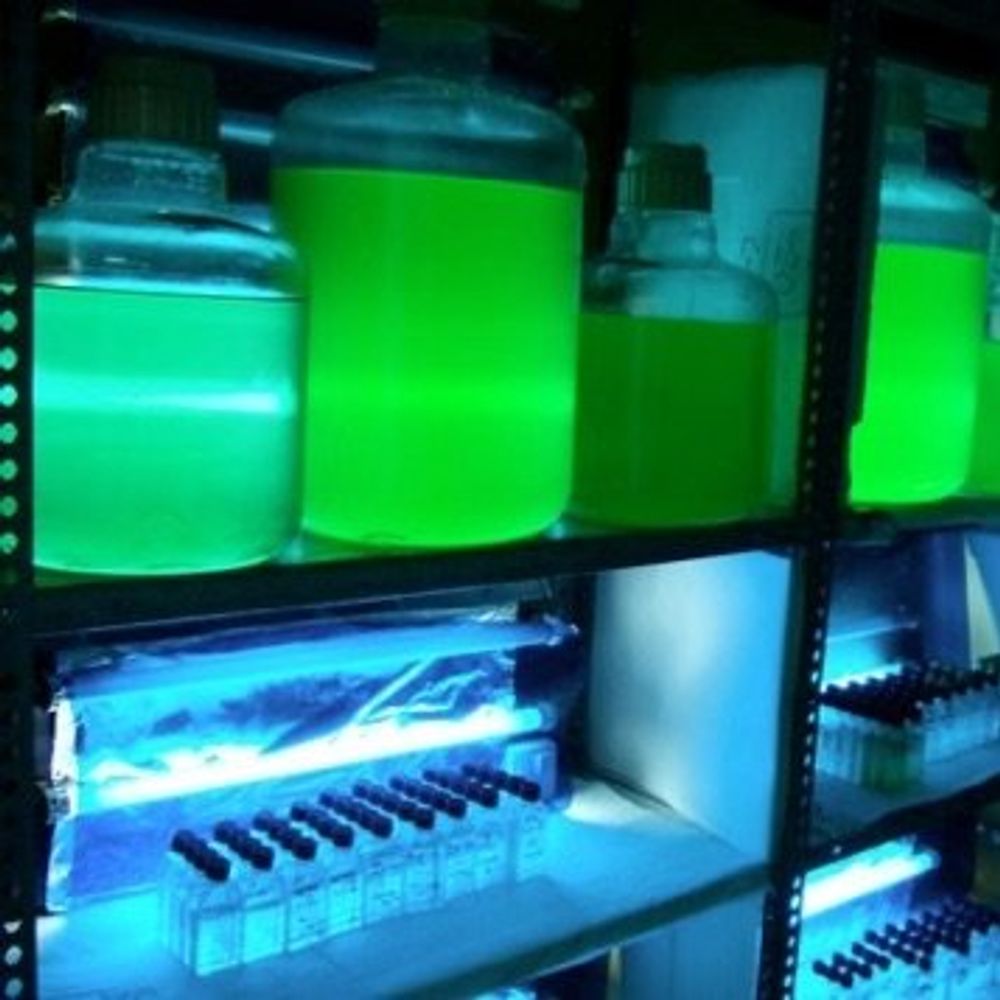
We work on little bugs responsible for a big part of the oxygen you breathe: cyanobacteria, with special focus on Prochlorococcus and marine Synechococcus. Further information on our work: http://www.uco.es/cyanotrans/Home.html
Pinned
Cyanotrans
@cyanotrans.bsky.social
· Nov 22
Ok, here you have the Starter Pack. This is just the beginning, and we will be adding more researchers progressively.
go.bsky.app/BBgq3df
go.bsky.app/BBgq3df
High-Throughput Detection of Cyanobacterial Form I Rubisco Assembly | ACS Synthetic Biology pubs.acs.org/doi/10.1021/...

High-Throughput Detection of Cyanobacterial Form I Rubisco Assembly
Rubisco catalyzes the CO2 fixation step in the dark reactions of photosynthesis. Transgenic expression of better-performing Rubisco orthologs in plants or discovery of improved mutants of Rubisco via ...
pubs.acs.org
December 23, 2025 at 3:58 PM
High-Throughput Detection of Cyanobacterial Form I Rubisco Assembly | ACS Synthetic Biology pubs.acs.org/doi/10.1021/...
Silver nanoparticles fabricated using phycocyanin from Arthrospira platensis: green synthesis, physicochemical characterization, and biological activities link.springer.com/article/10.1...

Silver nanoparticles fabricated using phycocyanin from Arthrospira platensis: green synthesis, physicochemical characterization, and biological activities - Microbial Cell Factories
Background Cyanobacteria and their bioactive components represent a promising potential for the green synthesis of nanoparticles. This work investigates the physicochemical characteristics and biologi...
link.springer.com
December 23, 2025 at 3:57 PM
Silver nanoparticles fabricated using phycocyanin from Arthrospira platensis: green synthesis, physicochemical characterization, and biological activities link.springer.com/article/10.1...
Seasonal enhancement of the viral shunt catalyzes a subsurface oxygen maximum in the Sargasso Sea
www.nature.com/articles/s41...
www.nature.com/articles/s41...
Seasonal enhancement of the viral shunt catalyzes a subsurface oxygen maximum in the Sargasso Sea - Nature Communications
Roles of of viruses in ocean subsurface oxygen maxima are unclear. Here, the authors analyse Bermuda Atlantic Time Series data to show that viruses may drive SOM in stratified oceans by boosting nutri...
www.nature.com
December 22, 2025 at 11:16 AM
Seasonal enhancement of the viral shunt catalyzes a subsurface oxygen maximum in the Sargasso Sea
www.nature.com/articles/s41...
www.nature.com/articles/s41...
Biosynthesis of silver and gold nanoparticles using cyanobacteria, their pharmaceutical and industrial applications pubs.rsc.org/en/content/a...

Biosynthesis of silver and gold nanoparticles using cyanobacteria, their pharmaceutical and industrial applications
Nanotechnology has become a fast-growing field, and to prepare metallic nanoparticles for clinics or chemical establishments, it is mandatory that a cost-effective, eco-friendly technique be developed...
pubs.rsc.org
December 22, 2025 at 11:01 AM
Biosynthesis of silver and gold nanoparticles using cyanobacteria, their pharmaceutical and industrial applications pubs.rsc.org/en/content/a...
Structural basis for the assembly and energy transfer between the cyanobacterial PSI core and the double-layered IsiA proteins www.nature.com/articles/s41...
Structural basis for the assembly and energy transfer between the cyanobacterial PSI core and the double-layered IsiA proteins - Nature Communications
Iron limitation induces the expression of IsiA in cyanobacteria, which serves as a light-harvesting antenna for PSI. Here, authors present two PSI-IsiA structures, elucidating the assembly and functio...
www.nature.com
December 22, 2025 at 10:59 AM
Structural basis for the assembly and energy transfer between the cyanobacterial PSI core and the double-layered IsiA proteins www.nature.com/articles/s41...
Reposted by Cyanotrans

The glycine betaine-cobalamin feedback loop drives cross-feeding between marine bacteria and algae https://www.biorxiv.org/content/10.64898/2025.12.19.695462v1
December 22, 2025 at 6:16 AM
The glycine betaine-cobalamin feedback loop drives cross-feeding between marine bacteria and algae https://www.biorxiv.org/content/10.64898/2025.12.19.695462v1
Reposted by Cyanotrans

Closing out my year with a journal editor shocker 🧵
Checking new manuscripts today I reviewed a paper attributing 2 papers to me I did not write. A daft thing for an author to do of course. But intrigued I web searched up one of the titles and that's when it got real weird...
Checking new manuscripts today I reviewed a paper attributing 2 papers to me I did not write. A daft thing for an author to do of course. But intrigued I web searched up one of the titles and that's when it got real weird...
December 19, 2025 at 5:20 PM
Closing out my year with a journal editor shocker 🧵
Checking new manuscripts today I reviewed a paper attributing 2 papers to me I did not write. A daft thing for an author to do of course. But intrigued I web searched up one of the titles and that's when it got real weird...
Checking new manuscripts today I reviewed a paper attributing 2 papers to me I did not write. A daft thing for an author to do of course. But intrigued I web searched up one of the titles and that's when it got real weird...
Unexpected microbial rhodopsin dynamics in sync with phytoplankton blooms www.nature.com/articles/s41...
Unexpected microbial rhodopsin dynamics in sync with phytoplankton blooms - Nature Communications
In this study, the authors show that microbial rhodopsins, proteins that drive the ocean’s most widespread light-driven microbial metabolism, display overlapping distributions with algal blooms in nut...
www.nature.com
December 21, 2025 at 11:00 AM
Unexpected microbial rhodopsin dynamics in sync with phytoplankton blooms www.nature.com/articles/s41...
Cyanobacteria sustain microbial diversity and community stability in Tibetan glacial cryoconites link.springer.com/article/10.1...

Cyanobacteria sustain microbial diversity and community stability in Tibetan glacial cryoconites - Environmental Microbiome
Cyanobacteria play a key role in aggregating cryoconite granules on glacier surfaces, creating stable microhabitats that support diverse microbial communities, which influence glacier albedo and melti...
link.springer.com
December 19, 2025 at 9:07 AM
Cyanobacteria sustain microbial diversity and community stability in Tibetan glacial cryoconites link.springer.com/article/10.1...
APE1 is involved in the stabilization/formation of the RC47 complex of PSII in oxygenic prototrophic organisms academic.oup.com/plphys/artic...

APE1 is involved in the stabilization/formation of the RC47 complex of PSII in oxygenic prototrophic organisms
The elimination of the protein APE1 leads to a reduction in the levels of the photosynthetic RC47 complex in both plants and cyanobacteria.
academic.oup.com
December 19, 2025 at 9:06 AM
APE1 is involved in the stabilization/formation of the RC47 complex of PSII in oxygenic prototrophic organisms academic.oup.com/plphys/artic...
Assessment of Polyhydroxybutyrate Production by Cyanobacteria Strains Isolated from Environmental Water Sources Using a Secondary Effluent | ACS ES&T Water pubs.acs.org/doi/10.1021/...

Assessment of Polyhydroxybutyrate Production by Cyanobacteria Strains Isolated from Environmental Water Sources Using a Secondary Effluent
Growing concern over plastic pollution has intensified research on biodegradable alternatives, such as polyhydroxybutyrate (PHB), a biopolymer produced by cyanobacteria. Despite their sustainability advantages, photoautotrophic PHB production remains limited, and cultivation strategies need optimization. In this study, five cyanobacterial strains were isolated from environmental microbiome cultures to evaluate their PHB production potential. The goal was to identify the most productive strains and optimal conditions for polymer synthesis. Cultures were grown in modified BG11 media (without nitrogen, phosphorus, or inorganic carbon) and in a secondary effluent from treated urban wastewater, both supplemented with acetate (0, 0.6, or 4 g/L) and incubated for 7 days in darkness. The biomass remained stable in most strains but declined to 0.28 g/L in the secondary effluent, except for one Leptolyngbya sp. strain that increased the biomass with acetate. The highest PHB yield per acetate consumed was achieved by Synechocystis sp. from an agricultural pond, reaching 3.1% dry cell weight in modified BG11 with 0.6 g/L acetate. In the secondary effluent, the maximum PHB content reached 2.9% in another Leptolyngbya sp. strain with 4 g/L acetate. These findings highlight strain-specific responses and the potential of wastewater-based cultivation for sustainable bioplastic production.
pubs.acs.org
December 19, 2025 at 9:06 AM
Assessment of Polyhydroxybutyrate Production by Cyanobacteria Strains Isolated from Environmental Water Sources Using a Secondary Effluent | ACS ES&T Water pubs.acs.org/doi/10.1021/...
Hacking heterocysts: advances in the genetic regulation of heterocyst differentiation link.springer.com/article/10.1...

Hacking heterocysts: advances in the genetic regulation of heterocyst differentiation - Archives of Microbiology
Heterocyst differentiation in certain filamentous cyanobacteria is a multifaceted process essential for nitrogen fixation, orchestrated by a sophisticated regulatory network that encompasses several k...
link.springer.com
December 19, 2025 at 9:05 AM
Hacking heterocysts: advances in the genetic regulation of heterocyst differentiation link.springer.com/article/10.1...
Histidine kinase Hik33 plays a crucial role in UV-B-induced photosynthetic acclimation in cyanobacteria academic.oup.com/plphys/artic...
Histidine kinase Hik33 plays a crucial role in UV-B-induced photosynthetic acclimation in cyanobacteria
UV-B light positively regulates photosynthesis in Nostoc sphaeroides CCNUC1, with the histidine kinase nsHik33 interacting with nsRpaB to regulate the tran
academic.oup.com
December 19, 2025 at 9:05 AM
Histidine kinase Hik33 plays a crucial role in UV-B-induced photosynthetic acclimation in cyanobacteria academic.oup.com/plphys/artic...
Reposted by Cyanotrans

Our team met at Córdoba to kick off our @horizoneu.bsky.social project last month! 🇪🇺
“It was a fantastic opportunity for everyone to dive into the plans for metabolic engineering of cyanobacteria.”
Partners sharer their experience and roles in the C5 project.
Thank you for hosting us @uco.es!
“It was a fantastic opportunity for everyone to dive into the plans for metabolic engineering of cyanobacteria.”
Partners sharer their experience and roles in the C5 project.
Thank you for hosting us @uco.es!
December 18, 2025 at 3:22 PM
Our team met at Córdoba to kick off our @horizoneu.bsky.social project last month! 🇪🇺
“It was a fantastic opportunity for everyone to dive into the plans for metabolic engineering of cyanobacteria.”
Partners sharer their experience and roles in the C5 project.
Thank you for hosting us @uco.es!
“It was a fantastic opportunity for everyone to dive into the plans for metabolic engineering of cyanobacteria.”
Partners sharer their experience and roles in the C5 project.
Thank you for hosting us @uco.es!
Reposted by Cyanotrans
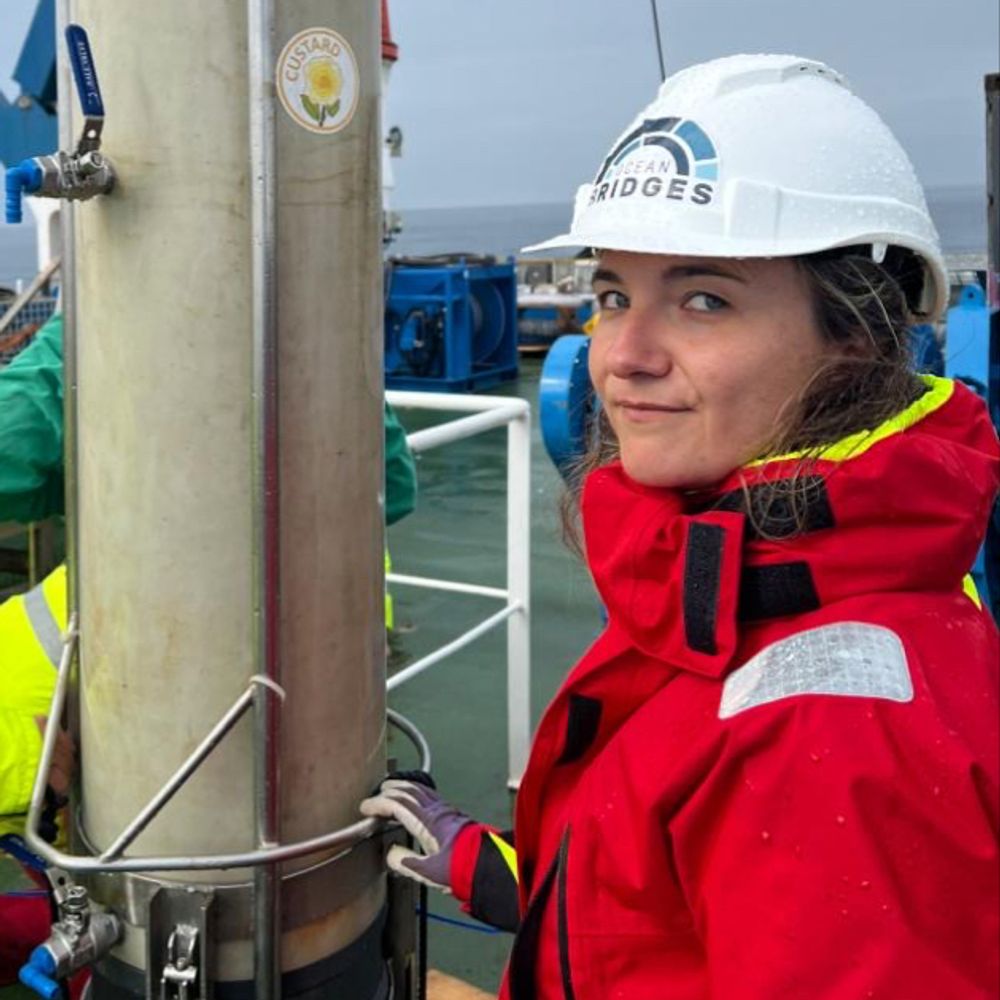
"By 2030, our goal is for microbial metrics to stand alongside those of charismatic megafauna in every major habitat monitoring and restoration plan, signalling a profound shift in how biodiversity is measured, valued and protected"
www.nature.com/articles/s41...
@noc.ac.uk
www.nature.com/articles/s41...
@noc.ac.uk
Launching the IUCN Microbial Conservation Specialist Group as a global safeguard for microbial biodiversity - Nature Microbiology
Nature Microbiology - Launching the IUCN Microbial Conservation Specialist Group as a global safeguard for microbial biodiversity
www.nature.com
December 17, 2025 at 1:11 PM
"By 2030, our goal is for microbial metrics to stand alongside those of charismatic megafauna in every major habitat monitoring and restoration plan, signalling a profound shift in how biodiversity is measured, valued and protected"
www.nature.com/articles/s41...
@noc.ac.uk
www.nature.com/articles/s41...
@noc.ac.uk
Localized nutrient colimitation of phytoplankton growth rates across the subtropical South Pacific Ocean | PNAS www.pnas.org/doi/10.1073/...

Localized nutrient colimitation of phytoplankton growth rates across the subtropical South Pacific Ocean | PNAS
The simultaneous depletion of multiple nutrients in seawater potentially leads to
colimitation of phytoplankton growth across large oceanic extents...
www.pnas.org
December 17, 2025 at 1:13 PM
Localized nutrient colimitation of phytoplankton growth rates across the subtropical South Pacific Ocean | PNAS www.pnas.org/doi/10.1073/...
Identification and Reactivity of Peroxyhemiacetal Intermediate during Aldehyde Deformylation by a Heme Ferric-Peroxide Complex | Journal of the American Chemical Society pubs.acs.org/doi/10.1021/...

Identification and Reactivity of Peroxyhemiacetal Intermediate during Aldehyde Deformylation by a Heme Ferric-Peroxide Complex
Aldehyde deformylation reaction by heme and nonheme enzymes in biology has been associated with physiologically important processes that include human steroid metabolism and biosynthesis of long-chain...
pubs.acs.org
December 17, 2025 at 12:53 PM
Identification and Reactivity of Peroxyhemiacetal Intermediate during Aldehyde Deformylation by a Heme Ferric-Peroxide Complex | Journal of the American Chemical Society pubs.acs.org/doi/10.1021/...
Unveiling ecological risks of organophosphorus pesticides at environmental levels: Cyanobacterial bloom stimulation and toxin accumulation www.sciencedirect.com/science/arti...

Unveiling ecological risks of organophosphorus pesticides at environmental levels: Cyanobacterial bloom stimulation and toxin accumulation
Organophosphorus pesticides (OPPs) threaten aquatic ecosystems by exacerbating cyanobacterial blooms, yet their ecotoxicological effects on algae rema…
www.sciencedirect.com
December 17, 2025 at 12:52 PM
Unveiling ecological risks of organophosphorus pesticides at environmental levels: Cyanobacterial bloom stimulation and toxin accumulation www.sciencedirect.com/science/arti...
Natural color biofactories: advancing the spectrum of pigment production in phototrophic microbes academic.oup.com/femsmicrobes...
Validate User
academic.oup.com
December 16, 2025 at 9:14 AM
Natural color biofactories: advancing the spectrum of pigment production in phototrophic microbes academic.oup.com/femsmicrobes...
Preparation and Negative Staining for Visualization of Cyanoglobule Lipid Droplets Using Transmission Electron Microscopy bio-protocol.org/en/bpdetail?...

Preparation and Negative Staining for Visualization of Cyanoglobule Lipid Droplets Using Transmission Electron Microscopy
Lipid droplets have emerged as dynamic organelles involved in diverse cellular processes beyond simple lipid storage. In plants and cyanobacteria, growing evidence highlights their importance in stres...
bio-protocol.org
December 16, 2025 at 9:13 AM
Preparation and Negative Staining for Visualization of Cyanoglobule Lipid Droplets Using Transmission Electron Microscopy bio-protocol.org/en/bpdetail?...
Rapid and selective disruption of photosystem I in toxic cyanobacteria protects aquatic ecosystem health www.sciencedirect.com/science/arti...

Rapid and selective disruption of photosystem I in toxic cyanobacteria protects aquatic ecosystem health
The photosynthetic machinery is central to energy capture in phototrophs, yet small molecules that selectively target core complexes remain scarce. He…
www.sciencedirect.com
December 15, 2025 at 12:39 PM
Rapid and selective disruption of photosystem I in toxic cyanobacteria protects aquatic ecosystem health www.sciencedirect.com/science/arti...
Cryo-EM structure of cyanopodophage Pan3 reveals a modular tail architecture for host recognition www.sciencedirect.com/science/arti...

Cryo-EM structure of cyanopodophage Pan3 reveals a modular tail architecture for host recognition
Cyanophages, which are bacteriophages that specifically infect host cyanobacteria, also utilize the tail to initiate host recognition and adsorption. …
www.sciencedirect.com
December 15, 2025 at 12:38 PM
Cryo-EM structure of cyanopodophage Pan3 reveals a modular tail architecture for host recognition www.sciencedirect.com/science/arti...
Temperature changes are signaled in cyanobacteria through the PipX interaction network www.frontiersin.org/journals/mic...

Frontiers | Temperature changes are signaled in cyanobacteria through the PipX interaction network
Cyanobacteria perform oxygenic photosynthesis and have evolved sophisticated mechanisms to adapt their metabolism to challenging environmental changes. Despi...
www.frontiersin.org
December 15, 2025 at 12:37 PM
Temperature changes are signaled in cyanobacteria through the PipX interaction network www.frontiersin.org/journals/mic...
Unlocking Phytoplankton Metallomes with Comparative Analysis of Metal Quotas, Quantitative Proteomics, and Inferred Metalloproteomes | Environmental Science & Technology pubs.acs.org/doi/10.1021/...

Unlocking Phytoplankton Metallomes with Comparative Analysis of Metal Quotas, Quantitative Proteomics, and Inferred Metalloproteomes
Metalloproteins, which can bind with one or more metals, are the basis of many important biological processes in a marine environment. The metalloproteome data for phytoplankton are limited, hindering our understanding of trace metal requirements and their biological function in these primary producers. Here, we conducted a semiquantitative analysis of metal requirements using a protein modeling approach across several phytoplankton species, including the chlorophytes Ostreococcus tauri and Chlamydomonas reinhardtii, the haptophyte Geophyracapsa huxleyi, and the cyanobacterium Synechocystis. Our results show strong alignment between trace metal requirements inferred from the proteome and those measured by ICP-MS, with the metalloproteome providing deeper insights into the biological roles of each metal compared with ICP-MS, which indicates only cellular metal abundance. Among all metalloproteins, those containing Mg are the most abundant in all phytoplankton studied here. Among the trace elements, Zn, Fe, and Mn are the most abundant cofactors found in phytoplankton proteins. The cyanobacterium has a much higher percentage of Fe in its expressed proteome compared to the eukaryotes studied here, agreeing with findings from previous comparative genomic studies that trace element requirements are different in prokaryotic and eukaryotic phytoplankton. Using G. huxleyi strains from distinct oceanic environments, we further demonstrated that their metalloproteome can be used to identify limiting metals and understand the strategies that phytoplankton use to adapt to specific environments. These findings enhance our understanding of the interactions between biota and their metal environments.
pubs.acs.org
December 15, 2025 at 12:36 PM
Unlocking Phytoplankton Metallomes with Comparative Analysis of Metal Quotas, Quantitative Proteomics, and Inferred Metalloproteomes | Environmental Science & Technology pubs.acs.org/doi/10.1021/...
The Recombination Triplet State in the Far-Red Light Adapted Photosystem II Is Located at the ChlD1 Site and Resides on the Red-Most Chlorophyll of the Reaction Center
pubs.acs.org/doi/10.1021/...
pubs.acs.org/doi/10.1021/...

The Recombination Triplet State in the Far-Red Light Adapted Photosystem II Is Located at the ChlD1 Site and Resides on the Red-Most Chlorophyll of the Reaction Center
The energetic limits of Photosystem II (PSII) photochemical reactivity required reconsideration after the discovery of far-red light acclimation responses in cyanobacteria. Insights into PSII function...
pubs.acs.org
December 15, 2025 at 12:35 PM
The Recombination Triplet State in the Far-Red Light Adapted Photosystem II Is Located at the ChlD1 Site and Resides on the Red-Most Chlorophyll of the Reaction Center
pubs.acs.org/doi/10.1021/...
pubs.acs.org/doi/10.1021/...