



Cory Simon
@corymsimon.bsky.social
applying math, computation, and machine learning to problems in chemical engineering | associate professor, Oregon State University | views mine
https://simonensemble.github.io/
https://simonensemble.github.io/
Pinned
Cory Simon
@corymsimon.bsky.social
· Nov 18


👋 Blue Sky!
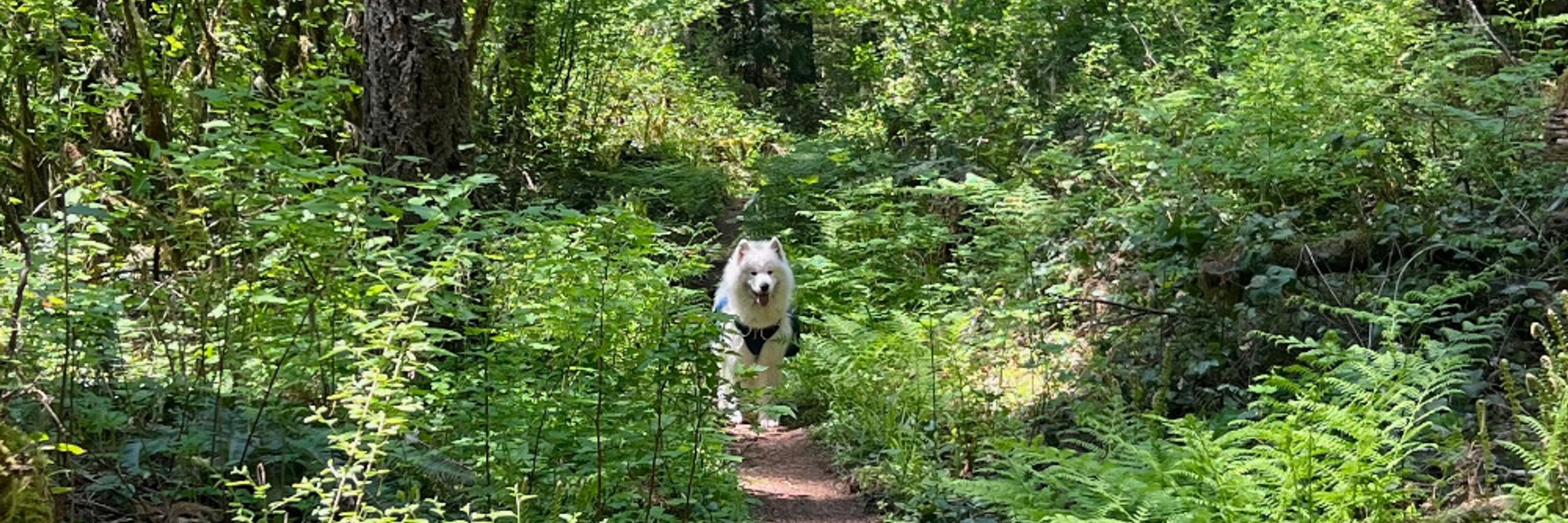
I'm an associate professor of chemical engineering at Oregon State University. here are my research interests. and my dog Oslo.
I'm an associate professor of chemical engineering at Oregon State University. here are my research interests. and my dog Oslo.
check out our new paper on adaptively allocating Monte Carlo samples of MOF-adsorbate configurations for efficient, multi-fidelity computational screening of MOFs for an adsorption property using molecular simulations.
pubs.acs.org/doi/full/10....
pubs.acs.org/doi/full/10....

Adaptive Allocation of Monte Carlo Samples for Efficient, Multifidelity Computational Screening of Metal–Organic Frameworks
For applications in gas sensing, purification, and capture, we often wish to search a large set of metal–organic frameworks (MOFs) for the top-K in terms of their Henry coefficients for an adsorbate. A molecular simulation to predict the Henry coefficient of a MOF constitutes a Monte Carlo integration where each sample consists of inserting an adsorbate in the MOF at a random position, orientation, and configuration, then calculating the MOF–adsorbate interaction energy. Our idea is to leverage top-K arm identification algorithms, developed for the multi-armed bandit problem in reinforcement learning, to sequentially and adaptively allocate adsorbate insertions among the MOFs, in a data-driven manner, to obtain the most accurate top-K subset under a fixed insertion budget. By analogy, each MOF is a slot machine in a casino that, upon pulling its arm (inserting an adsorbate), offers a stochastic reward (a noisy estimate of its Henry coefficient) sampled from a static, unknown probability distribution. Each adaptive allocation algorithm (1) proceeds in a feedback loop of (i) allocate adsorbate insertions to MOF(s), (ii) update the running estimates of the Henry coefficients of the MOF(s), then (iii) judiciously allocate adsorbate insertions to the next MOF(s); (2) sequentially dials-up the fidelities of ongoing molecular simulations in the MOFs, giving a multifidelity computational screening; and (3) circumvents the need to hand-craft structural or chemical features of the MOFs for decision making. As a case study, we implement, benchmark, and analyze the sequential halving, successive accepts and rejects, and narrowing exploration (our proposed heuristic) algorithms to adaptively allocate xenon insertions to screen a set of ca. 300 MOFs for the top-K Xe Henry coefficient subset over differing insertion budgets. Provided with a sufficient budget, we find that these adaptive insertion algorithms can significantly reduce (by a factor of 2–3) the simple regret (sum of true minus empirical top-K true Henry coefficients) and error in the top-K subset of MOFs output by a computational screening. By another metric, adaptive insertion allocation provided a ca. 60% discount on the computational cost to identify the top-K MOFs with less than 5% error. We thereby demonstrate that top-K arm identification algorithms may generally be useful for more efficiently screening materials for various properties via Monte Carlo molecular simulations. This efficiency improvement is especially important when adopting more computationally expensive, sophisticated force fields or even ab initio calculations for the potential energy of configurations to lend higher-fidelity screenings.
pubs.acs.org
January 6, 2026 at 8:55 PM
check out our new paper on adaptively allocating Monte Carlo samples of MOF-adsorbate configurations for efficient, multi-fidelity computational screening of MOFs for an adsorption property using molecular simulations.
pubs.acs.org/doi/full/10....
pubs.acs.org/doi/full/10....
the singular value decomposition is my favorite matrix factorization by far.
if I were to get a tattoo, it would be “A = UΣVᵀ".
cliché for a professor teaching SVD, but in my grad-level “math for chemical engineers” class, I compressed a photo of my dog using the SVD in Julia. 🐶
if I were to get a tattoo, it would be “A = UΣVᵀ".
cliché for a professor teaching SVD, but in my grad-level “math for chemical engineers” class, I compressed a photo of my dog using the SVD in Julia. 🐶

December 3, 2025 at 6:19 PM
the singular value decomposition is my favorite matrix factorization by far.
if I were to get a tattoo, it would be “A = UΣVᵀ".
cliché for a professor teaching SVD, but in my grad-level “math for chemical engineers” class, I compressed a photo of my dog using the SVD in Julia. 🐶
if I were to get a tattoo, it would be “A = UΣVᵀ".
cliché for a professor teaching SVD, but in my grad-level “math for chemical engineers” class, I compressed a photo of my dog using the SVD in Julia. 🐶
"it is no exaggeration to say that symmetric matrices are the most important matrices the world will ever see."
"if symmetry makes a matrix important, [the] extra property [of having all positive eigenvalues] makes it truly special."
- Gilbert Strang
"if symmetry makes a matrix important, [the] extra property [of having all positive eigenvalues] makes it truly special."
- Gilbert Strang
November 24, 2025 at 1:52 AM
"it is no exaggeration to say that symmetric matrices are the most important matrices the world will ever see."
"if symmetry makes a matrix important, [the] extra property [of having all positive eigenvalues] makes it truly special."
- Gilbert Strang
"if symmetry makes a matrix important, [the] extra property [of having all positive eigenvalues] makes it truly special."
- Gilbert Strang
a sensor array of conductive COFs, made by Prof. Kat Mirica's group at Dartmouth, can distinguish between NO, CO, NH₃, and H₂S. cool for us to contribute with PCA and k-NN. 😀
pubs.acs.org/doi/10.1021/...
pubs.acs.org/doi/10.1021/...

Conductive Covalent Organic Frameworks as Chemiresistive Sensor Arrays for the Detection and Differentiation of Gasotransmitters
This paper describes a chemiresistive sensor array using four structurally analogous, but chemically distinct, conductive covalent organic frameworks (COFs) (M-COF-DC-8, M = Fe, Co, Ni, and Cu) capable of detecting and differentiating four important gaseous analytes: nitric oxide (NO), carbon monoxide (CO), hydrogen sulfide (H2S), and ammonia (NH3). The COFs were synthesized from the condensation of 2,3,9,10,16,17,23,24-octaamino-metallophthalocyanine precursors with pyrenetetraone linkers resulting in chemically robust and electrically conductive materials. Chemiresistive sensing experiments, together with machine learning to parse the response pattern of the sensor array, show that the M-COF-DC-8 (M = Fe, Co, Ni, Cu) materials can detect and differentiate this suite of oxidizing and reducing gases at parts-per-million concentrations, with theoretical limits of detection (LOD) in the parts-per-billion range in dry N2. Importantly, the COF array containing M-COF-DC-8 (M = Co, Ni, Cu) retains its ability to detect and differentiate these analytes in air and humidity under low power consumption. Spectroscopic investigations reveal that the synthetic control over the identity of the metallophthalocyanine core efficiently tunes material–analyte interactions and, therefore, emergent device performance. The use of highly tunable COFs as the active material in sensor arrays enables low-power, sensitive, and real-time gas detection with future applications in healthcare and personal protection.
pubs.acs.org
November 19, 2025 at 6:15 PM
a sensor array of conductive COFs, made by Prof. Kat Mirica's group at Dartmouth, can distinguish between NO, CO, NH₃, and H₂S. cool for us to contribute with PCA and k-NN. 😀
pubs.acs.org/doi/10.1021/...
pubs.acs.org/doi/10.1021/...
after eight years as a ChemE prof., I had a fantastic day when my PhD advisor Prof. Berend Smit visited Oregon State University! 😁

November 19, 2025 at 3:21 AM
after eight years as a ChemE prof., I had a fantastic day when my PhD advisor Prof. Berend Smit visited Oregon State University! 😁
💦 in our latest research (with @chemashlee.bsky.social), we framed an optimization problem (a linear program) for designing bespoke mixtures of metal-organic frameworks (MOFs) for robust, passive atmospheric water harvesting.
pubs.acs.org/doi/10.1021/...
pubs.acs.org/doi/10.1021/...

Optimizing Mixtures of Metal–Organic Frameworks for Robust and Bespoke Passive Atmospheric Water Harvesting
Atmospheric water harvesting (AWH) is a method to obtain clean water in remote or underdeveloped regions including, but not limited to, those with an arid or desert climate. For passive (i.e., relying...
pubs.acs.org
November 12, 2025 at 6:13 PM
💦 in our latest research (with @chemashlee.bsky.social), we framed an optimization problem (a linear program) for designing bespoke mixtures of metal-organic frameworks (MOFs) for robust, passive atmospheric water harvesting.
pubs.acs.org/doi/10.1021/...
pubs.acs.org/doi/10.1021/...
my PhD student G. Fabusola trained and tested machine learning algorithms to parse the response pattern of a conductive-MOF sensor array from K. Mirica's group!
👃 the electronic nose could detect and differentiate toxic gases and H₂S/SO₂ mixtures at ppm-levels.
pubs.acs.org/doi/10.1021/...
👃 the electronic nose could detect and differentiate toxic gases and H₂S/SO₂ mixtures at ppm-levels.
pubs.acs.org/doi/10.1021/...

October 13, 2025 at 4:37 PM
my PhD student G. Fabusola trained and tested machine learning algorithms to parse the response pattern of a conductive-MOF sensor array from K. Mirica's group!
👃 the electronic nose could detect and differentiate toxic gases and H₂S/SO₂ mixtures at ppm-levels.
pubs.acs.org/doi/10.1021/...
👃 the electronic nose could detect and differentiate toxic gases and H₂S/SO₂ mixtures at ppm-levels.
pubs.acs.org/doi/10.1021/...
Reposted by Cory Simon
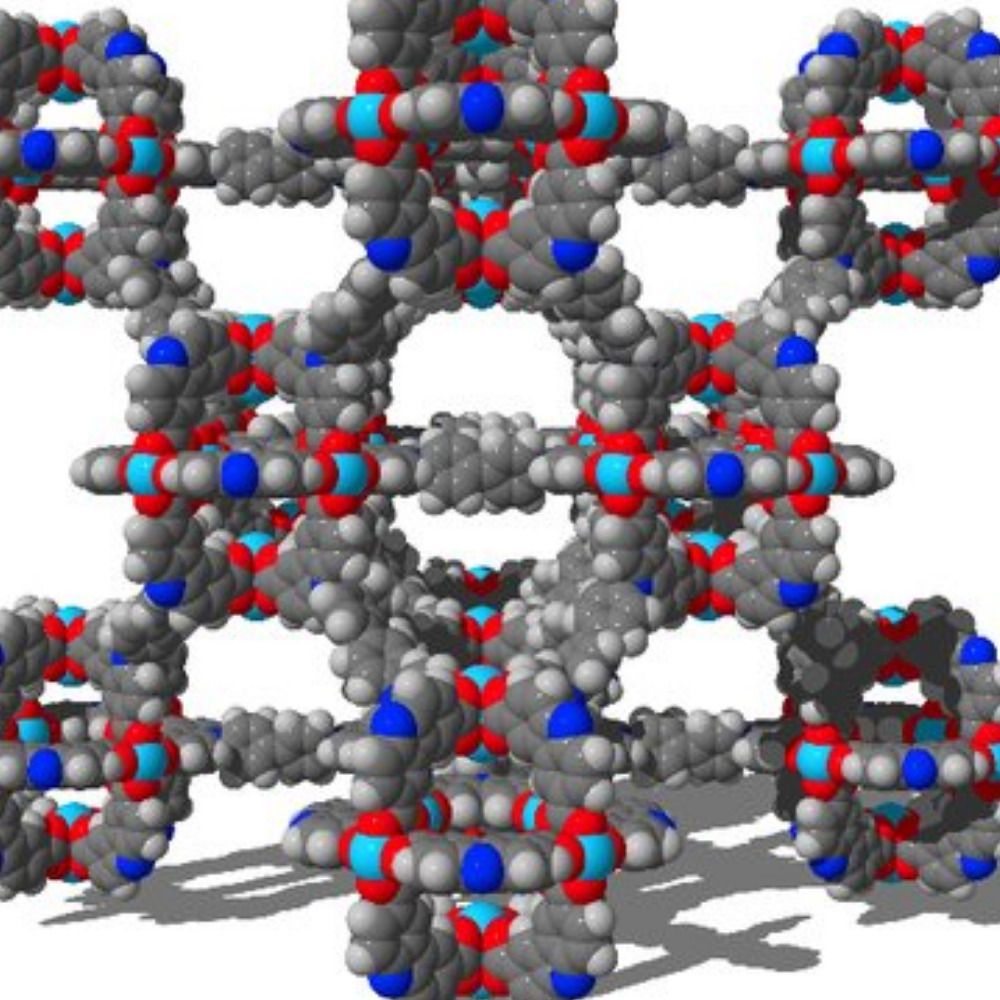
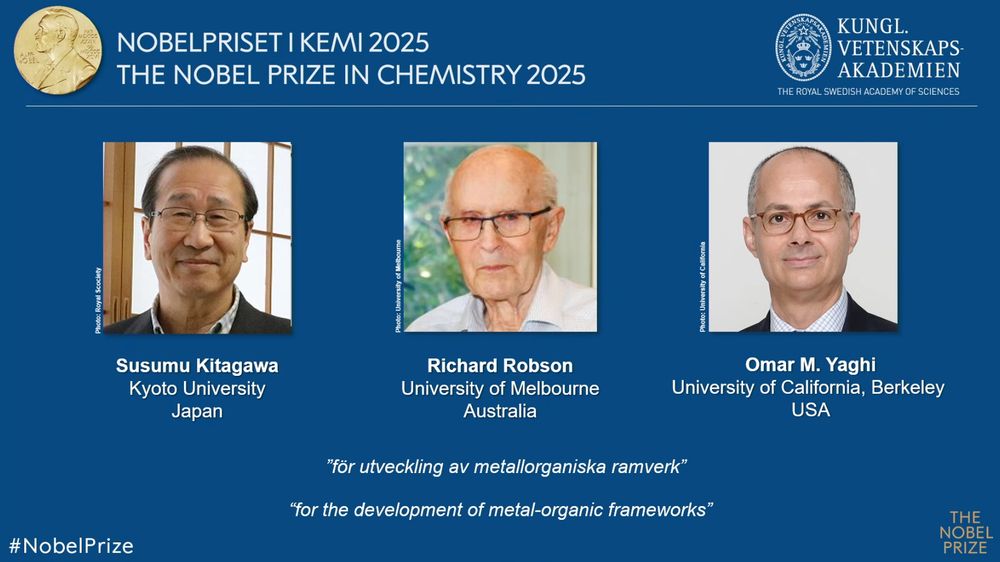
We interrupt our regular programming to announce…
October 8, 2025 at 9:54 AM
We interrupt our regular programming to announce…
in a “it’s a small world” moment, I ran into @bessvlai.bsky.social at Case Western Reserve University in Cleveland, OH. she was giving a seminar in the chemistry department; me, in chemical engineering. great to see you, Bess!

September 22, 2025 at 5:35 PM
in a “it’s a small world” moment, I ran into @bessvlai.bsky.social at Case Western Reserve University in Cleveland, OH. she was giving a seminar in the chemistry department; me, in chemical engineering. great to see you, Bess!
new preprint,
"adaptive allocation of Monte Carlo samples for efficient, multi-fidelity computational screening of metal-organic frameworks"
feedback welcome!
chemrxiv.org/engage/chemr...
"adaptive allocation of Monte Carlo samples for efficient, multi-fidelity computational screening of metal-organic frameworks"
feedback welcome!
chemrxiv.org/engage/chemr...

September 2, 2025 at 5:34 PM
new preprint,
"adaptive allocation of Monte Carlo samples for efficient, multi-fidelity computational screening of metal-organic frameworks"
feedback welcome!
chemrxiv.org/engage/chemr...
"adaptive allocation of Monte Carlo samples for efficient, multi-fidelity computational screening of metal-organic frameworks"
feedback welcome!
chemrxiv.org/engage/chemr...
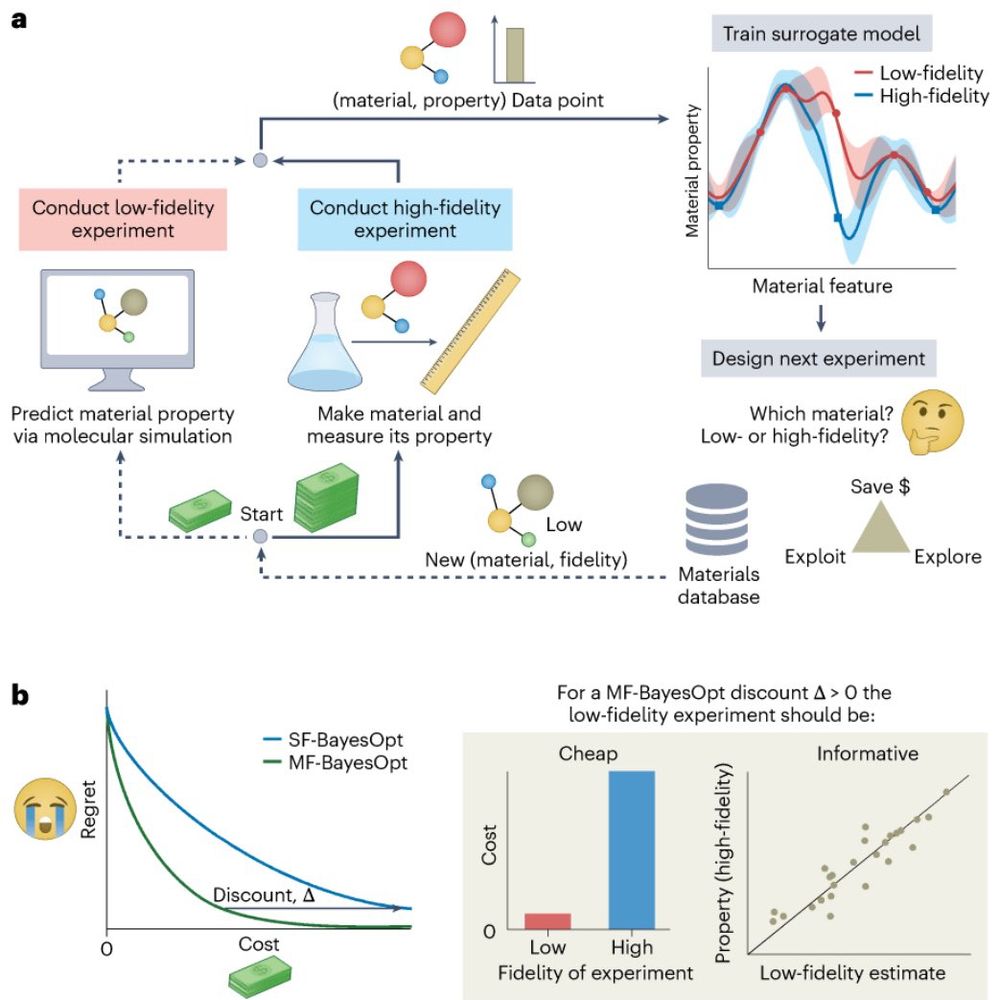
"guidelines for multi-fidelity Bayesian optimization of molecules and materials"
our News & Views article in Nature Computational Science.
rdcu.be/ext6h
our News & Views article in Nature Computational Science.
rdcu.be/ext6h
July 23, 2025 at 6:32 PM
"guidelines for multi-fidelity Bayesian optimization of molecules and materials"
our News & Views article in Nature Computational Science.
rdcu.be/ext6h
our News & Views article in Nature Computational Science.
rdcu.be/ext6h
Reposted by Cory Simon

My latest for @nytimes.com -- please repost so your followers can see this for free. www.nytimes.com/interactive/...

How a Puzzle About Fractions Got Brain Scans Rolling (Gift Article)
A story of bowling pins, patterns and medical miracles.
www.nytimes.com
June 30, 2025 at 10:33 AM
My latest for @nytimes.com -- please repost so your followers can see this for free. www.nytimes.com/interactive/...
May 30, 2025 at 5:08 PM
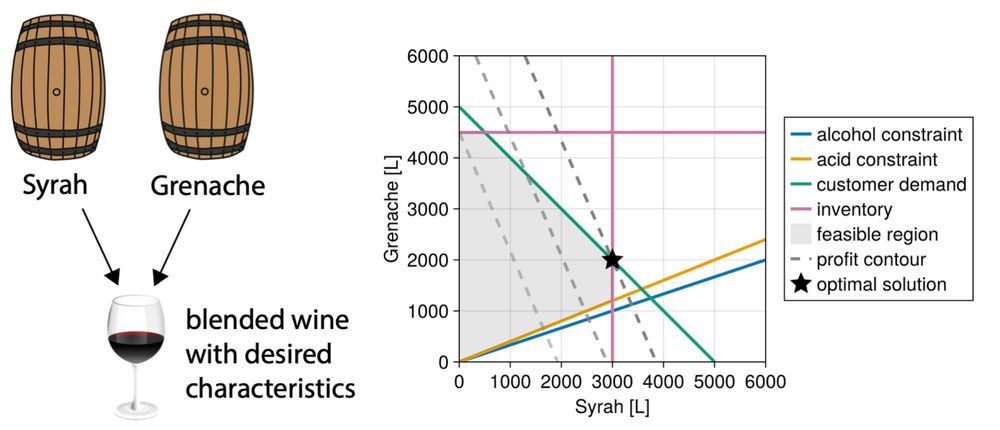
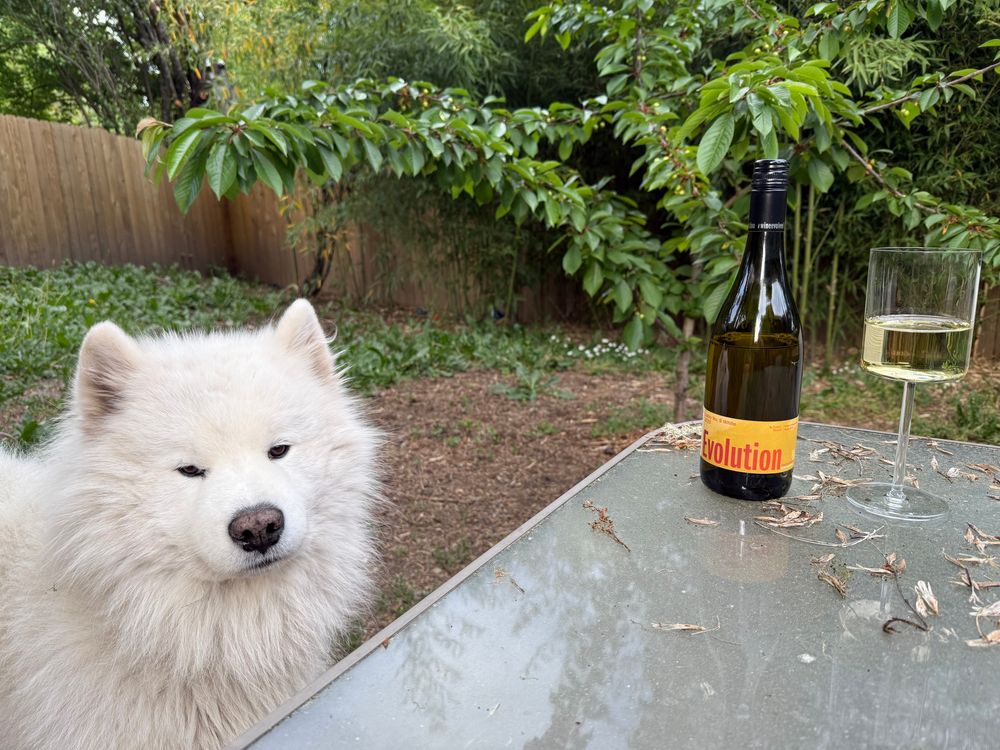
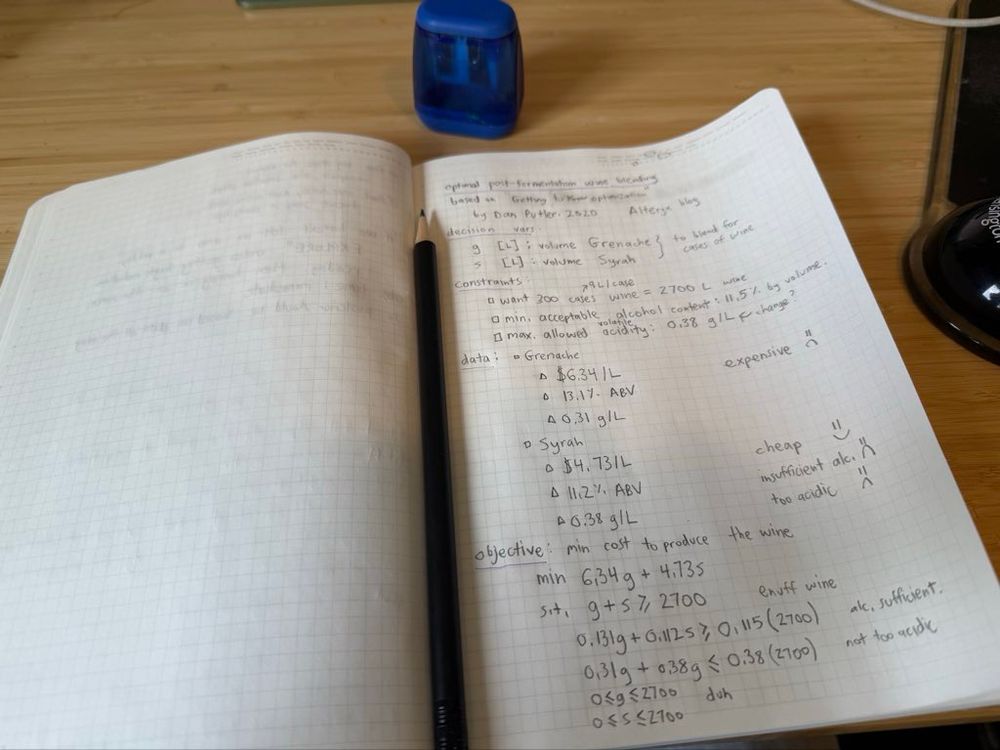
a post-fermentation blend of *nine* white wines from Oregon! and a linear program for wine blending.
May 10, 2025 at 2:15 AM
a post-fermentation blend of *nine* white wines from Oregon! and a linear program for wine blending.
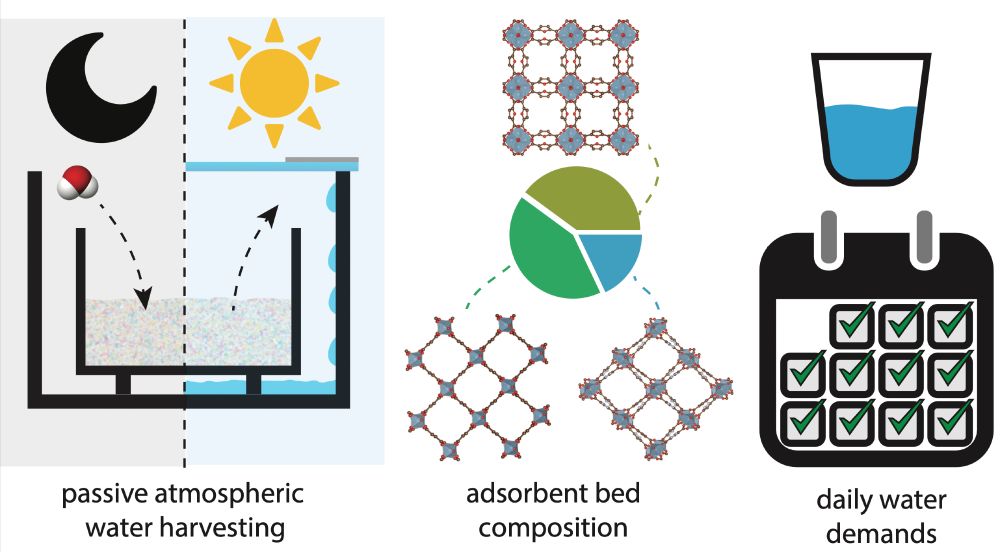
🚰 "Optimizing mixtures of metal–organic frameworks for robust and bespoke passive atmospheric water harvesting" by C. Harriman, Q. Ke, T. Vlugt, A. Howarth, C. Simon.
feedback welcome on our ChemRxiv preprint:
chemrxiv.org/engage/chemr...
feedback welcome on our ChemRxiv preprint:
chemrxiv.org/engage/chemr...
April 15, 2025 at 3:47 PM
🚰 "Optimizing mixtures of metal–organic frameworks for robust and bespoke passive atmospheric water harvesting" by C. Harriman, Q. Ke, T. Vlugt, A. Howarth, C. Simon.
feedback welcome on our ChemRxiv preprint:
chemrxiv.org/engage/chemr...
feedback welcome on our ChemRxiv preprint:
chemrxiv.org/engage/chemr...
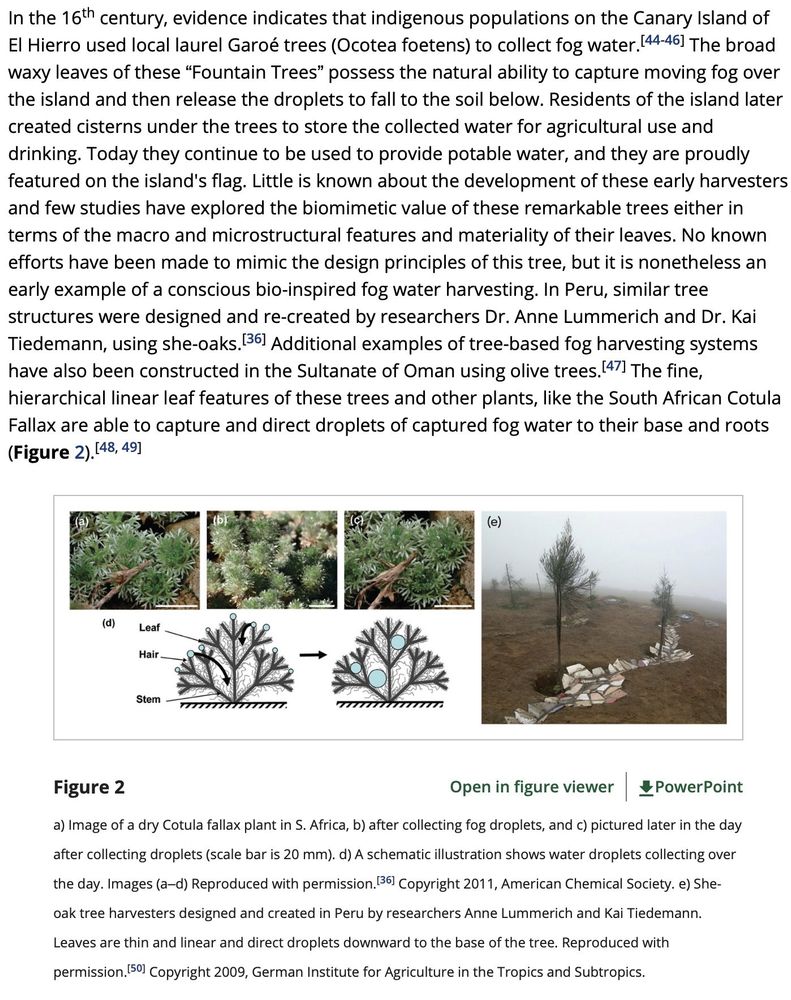
fascinating: atmospheric water harvesting by indigenous populations on the Canary Islands long ago.
Kennedy & Boreyko. “Bio‐inspired fog harvesting meshes: a review”. Advanced Functional Materials. 2023.
Kennedy & Boreyko. “Bio‐inspired fog harvesting meshes: a review”. Advanced Functional Materials. 2023.
April 13, 2025 at 10:56 PM
fascinating: atmospheric water harvesting by indigenous populations on the Canary Islands long ago.
Kennedy & Boreyko. “Bio‐inspired fog harvesting meshes: a review”. Advanced Functional Materials. 2023.
Kennedy & Boreyko. “Bio‐inspired fog harvesting meshes: a review”. Advanced Functional Materials. 2023.
Reposted by Cory Simon
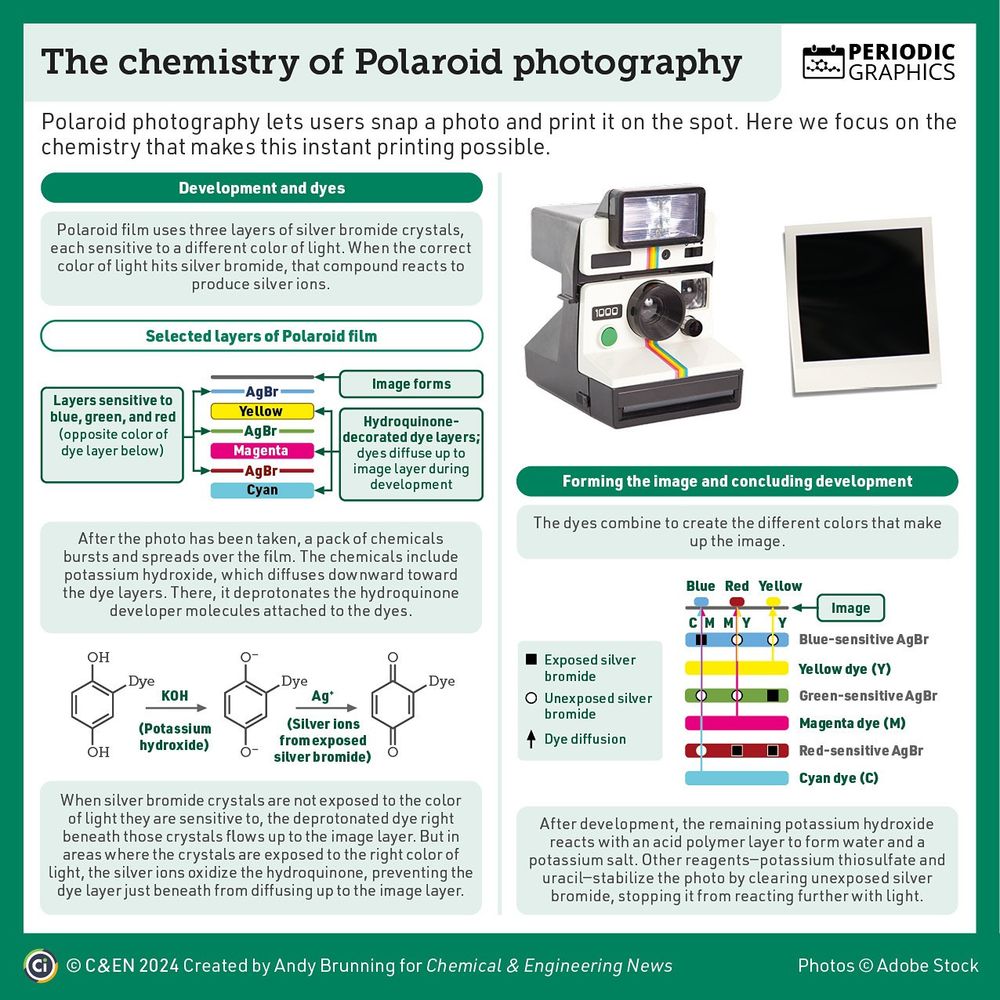
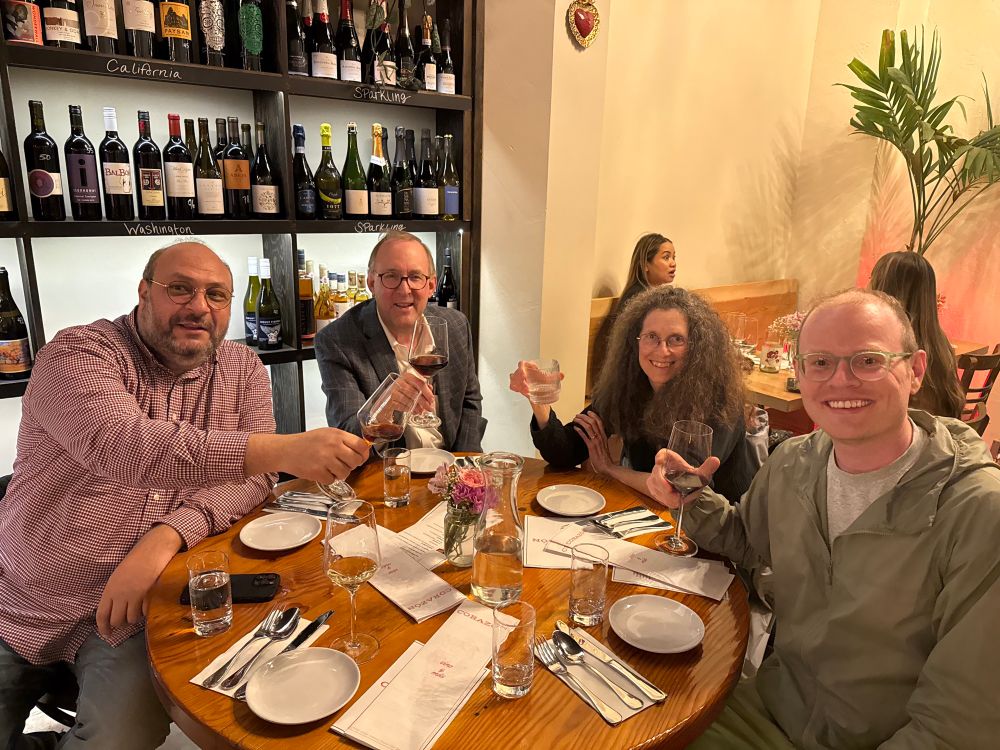
finally got to meet Mark Allendorf from Sandia National Lab! currently co-director of the DOE Hydrogen Materials – Advanced Research Consortium (HyMARC). been following his work since grad school.
April 12, 2025 at 1:38 AM
finally got to meet Mark Allendorf from Sandia National Lab! currently co-director of the DOE Hydrogen Materials – Advanced Research Consortium (HyMARC). been following his work since grad school.
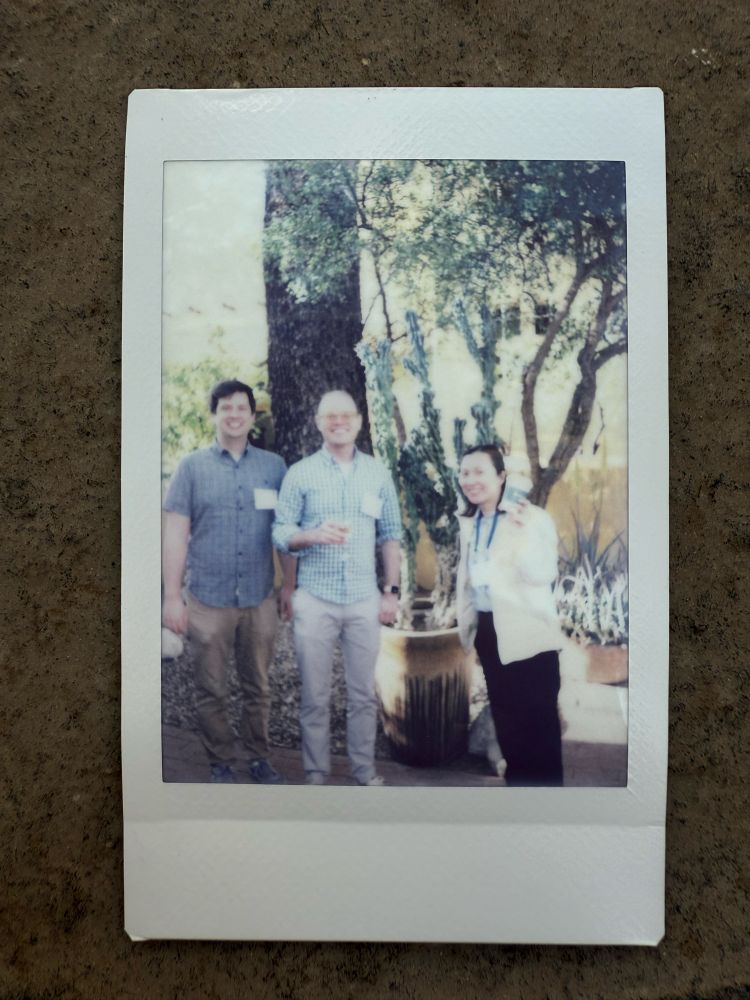
with @cgbischak.bsky.social and @shijingsun.bsky.social at the Automating Chemical Labs Scialog in Tucson! 🌵
April 5, 2025 at 3:52 PM
with @cgbischak.bsky.social and @shijingsun.bsky.social at the Automating Chemical Labs Scialog in Tucson! 🌵
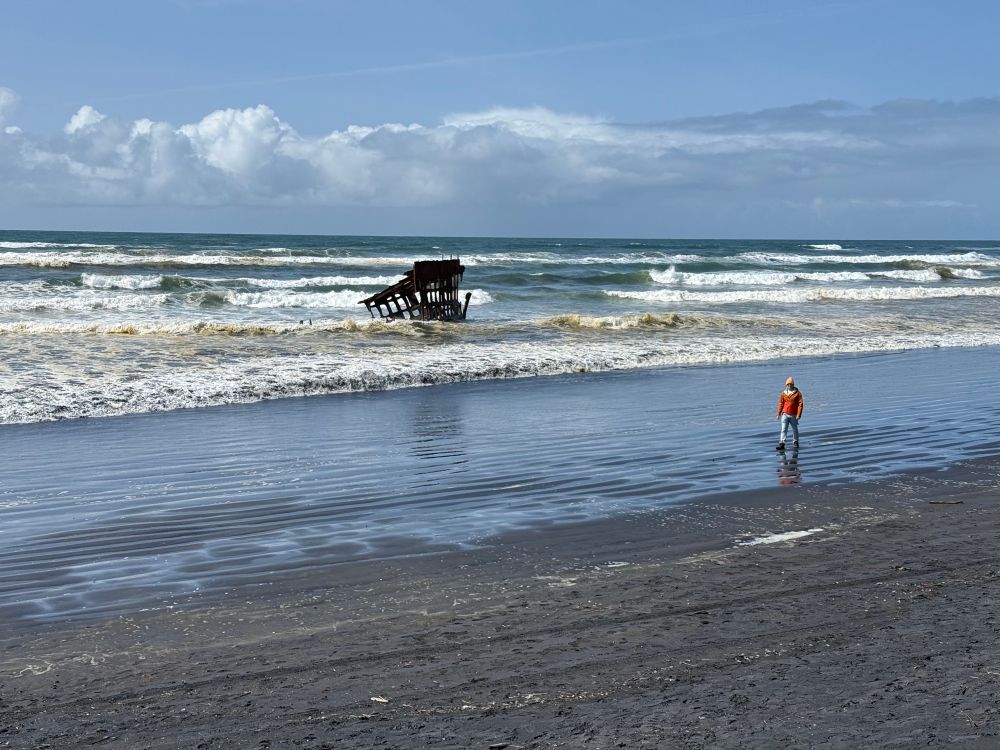
me with the shipwreck of Peter Iredale on the Oregon coast. happened in 1906. everyone survived.
March 31, 2025 at 4:13 AM
me with the shipwreck of Peter Iredale on the Oregon coast. happened in 1906. everyone survived.
💦 our recent paper, published in Chemical Engineering Science:
can we infer the cross-sectional area profile of an unseen solid contained in a draining tank from its liquid level dynamics?
🔙 we employ Bayesian statistical inversion to do so.
www.sciencedirect.com/science/arti...
can we infer the cross-sectional area profile of an unseen solid contained in a draining tank from its liquid level dynamics?
🔙 we employ Bayesian statistical inversion to do so.
www.sciencedirect.com/science/arti...

Inferring the cross-sectional area profile of an unseen solid in a draining tank from liquid level dynamics
We aim to reconstruct the horizontal cross-sectional area profile of an exogenous, heavy, unseen solid contained in a tank from measurements of the li…
www.sciencedirect.com
March 17, 2025 at 5:22 PM
💦 our recent paper, published in Chemical Engineering Science:
can we infer the cross-sectional area profile of an unseen solid contained in a draining tank from its liquid level dynamics?
🔙 we employ Bayesian statistical inversion to do so.
www.sciencedirect.com/science/arti...
can we infer the cross-sectional area profile of an unseen solid contained in a draining tank from its liquid level dynamics?
🔙 we employ Bayesian statistical inversion to do so.
www.sciencedirect.com/science/arti...
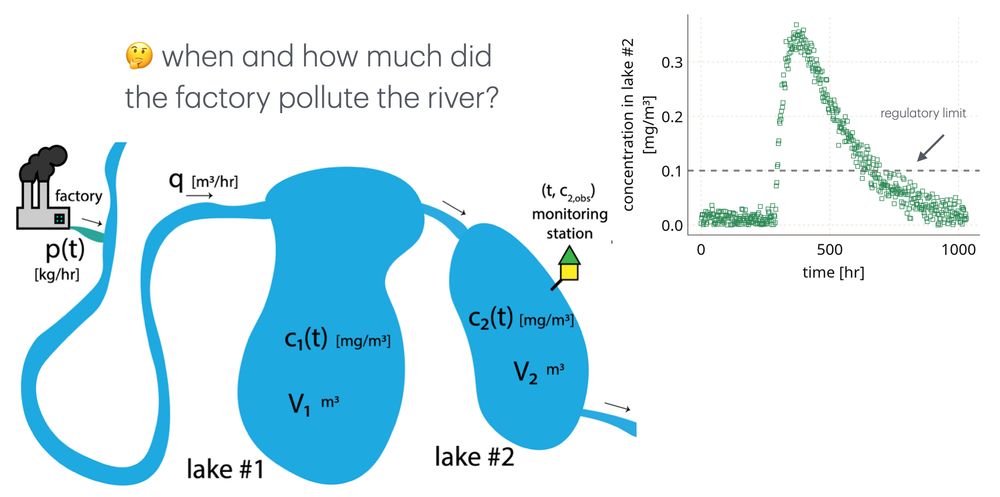
(inverse problem for my class:)
🏭 suppose:
1. a monitoring station at a lake measures the concentration of a pollutant every two hours.
2. a factory injected pollutant into a river upstream.
from the monitoring station's time series data, infer when and how much the factory polluted the river.
🏭 suppose:
1. a monitoring station at a lake measures the concentration of a pollutant every two hours.
2. a factory injected pollutant into a river upstream.
from the monitoring station's time series data, infer when and how much the factory polluted the river.
March 12, 2025 at 10:01 PM
(inverse problem for my class:)
🏭 suppose:
1. a monitoring station at a lake measures the concentration of a pollutant every two hours.
2. a factory injected pollutant into a river upstream.
from the monitoring station's time series data, infer when and how much the factory polluted the river.
🏭 suppose:
1. a monitoring station at a lake measures the concentration of a pollutant every two hours.
2. a factory injected pollutant into a river upstream.
from the monitoring station's time series data, infer when and how much the factory polluted the river.
🎥 Chunking Express (1994)
> somehow I've become very cautious. when I put on a raincoat, I put on sunglasses too. who knows when it will rain, or when it will turn out sunny?
> somehow I've become very cautious. when I put on a raincoat, I put on sunglasses too. who knows when it will rain, or when it will turn out sunny?

March 9, 2025 at 11:13 PM
🎥 Chunking Express (1994)
> somehow I've become very cautious. when I put on a raincoat, I put on sunglasses too. who knows when it will rain, or when it will turn out sunny?
> somehow I've become very cautious. when I put on a raincoat, I put on sunglasses too. who knows when it will rain, or when it will turn out sunny?
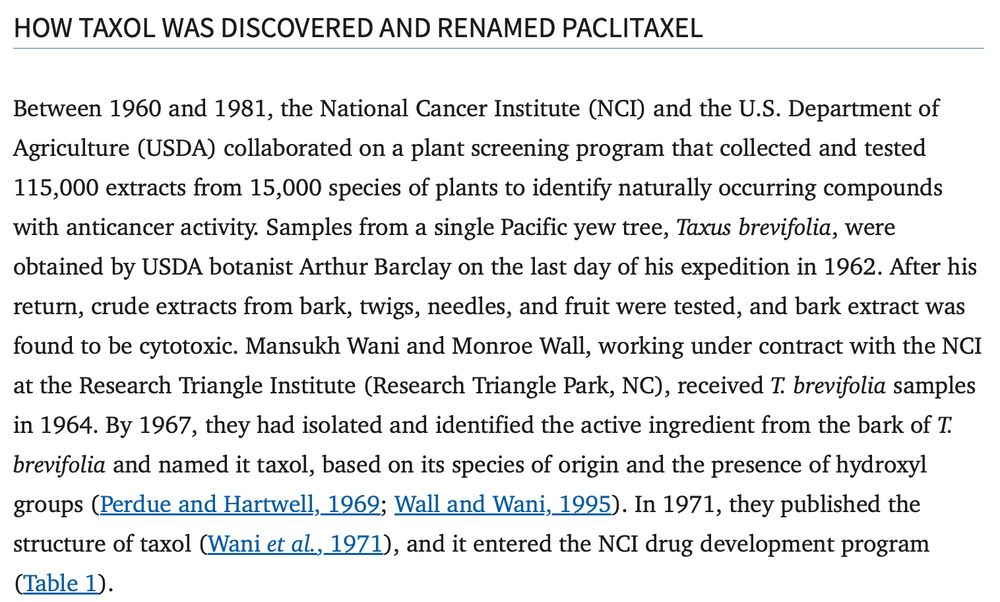
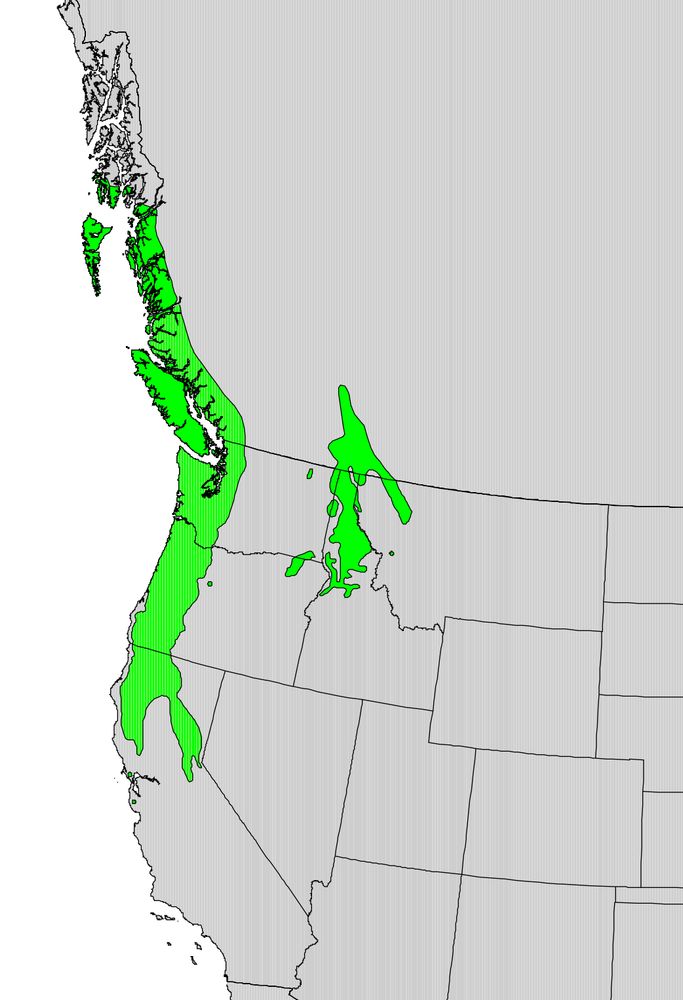
so this cancer drug Taxol was discovered from the bark of this Pacific yew tree that grows naturally in Oregon! will be on the lookout for one.
pmc.ncbi.nlm.nih.gov/articles/PMC...
pmc.ncbi.nlm.nih.gov/articles/PMC...

March 6, 2025 at 8:34 PM
so this cancer drug Taxol was discovered from the bark of this Pacific yew tree that grows naturally in Oregon! will be on the lookout for one.
pmc.ncbi.nlm.nih.gov/articles/PMC...
pmc.ncbi.nlm.nih.gov/articles/PMC...
a cool and beautiful flower that turns from opaque white to translucent when exposed to water. wonder if this material/chemistry has some application (e.g. humidity sensing).
www.thisiscolossal.com/2015/07/skel...
www.thisiscolossal.com/2015/07/skel...
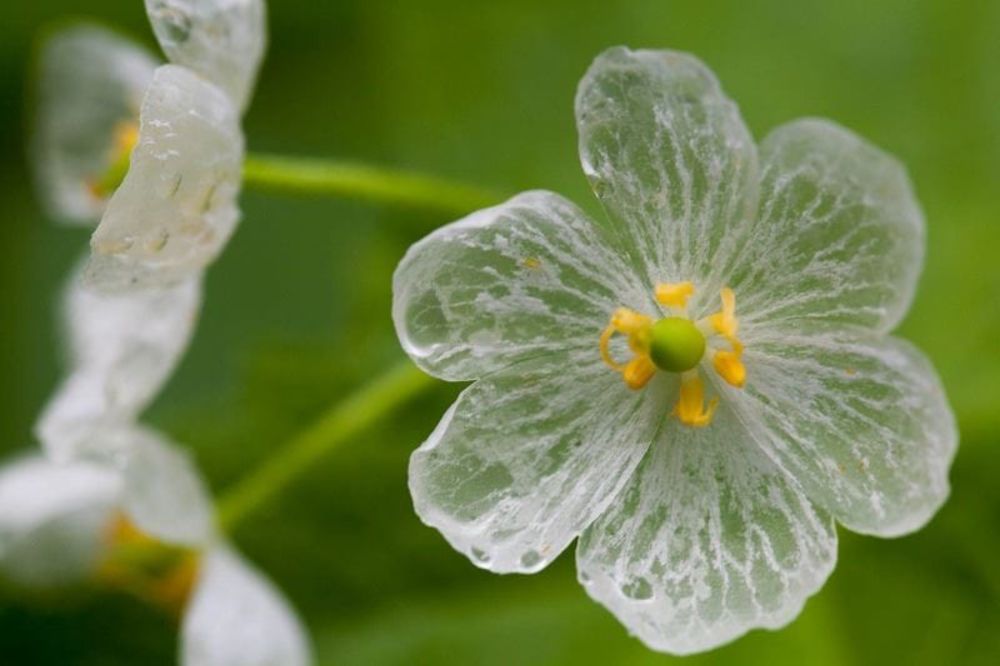
The "Skeleton Flower" Turns From White to Translucent When Exposed to Water
The Diphelleia grayi or “Skeleton Flower” is finally a reason to look forward to rainy days. This rare flower transforms into a translucent beauty [its skeletal form] when exposed to water, its white ...
www.thisiscolossal.com
March 6, 2025 at 5:12 PM
a cool and beautiful flower that turns from opaque white to translucent when exposed to water. wonder if this material/chemistry has some application (e.g. humidity sensing).
www.thisiscolossal.com/2015/07/skel...
www.thisiscolossal.com/2015/07/skel...