Andrej Savin
andrejsavin.bsky.social
Andrej Savin
@andrejsavin.bsky.social

Professor of Internet Law, Copenhagen Business School

Political science 24%
Business 20%

Digital Networks Act: Misconceptions about Net Neutrality Explained

The newly proposed Digital Networks Act (DNA), which I briefly covered in this blog post, has raised concerns that it negatively impacts net neutrality. It does not. I will briefly try to explain why in some fairly simple steps.…
Digital Networks Act: Misconceptions about Net Neutrality Explained
The newly proposed Digital Networks Act (DNA), which I briefly covered in this blog post, has raised concerns that it negatively impacts net neutrality. It does not. I will briefly try to explain why in some fairly simple steps. 1) Net neutrality, in its simplest form, is the claim that ISPs ought to treat all internet traffic equally, without throttling some, prioritising other, etc.
euinternetpolicy.wordpress.com

The Digital Networks Act: Is Europe’s Reset Ambitious Enough?

On 21 January 2026, the European Commission tabled its proposal for a Digital Networks Act (DNA)—a sweeping reform of EU electronic communications law intended to complete the single market for connectivity, accelerate the transition to…
The Digital Networks Act: Is Europe’s Reset Ambitious Enough?
On 21 January 2026, the European Commission tabled its proposal for a Digital Networks Act (DNA)—a sweeping reform of EU electronic communications law intended to complete the single market for connectivity, accelerate the transition to fibre and advanced wireless networks, and strengthen Europe’s strategic autonomy in digital infrastructure. If adopted, the DNA would repeal and replace the European Electronic Communications Code (
euinternetpolicy.wordpress.com

Cybersecurity Act 2: Towards a Systemic, Geopolitical, and Supply-chain–oriented Understanding of Cyber Risk in the EU’s Next Cybersecurity Framework

In January 2026, the European Commission presented its proposal for a revised Cybersecurity Act—commonly referred to as Cybersecurity Act 2 (CSA2).…
Cybersecurity Act 2: Towards a Systemic, Geopolitical, and Supply-chain–oriented Understanding of Cyber Risk in the EU’s Next Cybersecurity Framework
In January 2026, the European Commission presented its proposal for a revised Cybersecurity Act—commonly referred to as Cybersecurity Act 2 (CSA2). The proposal would repeal the previous Cybersecurity Act (Regulation (EU) 2019/881) and substantially redesign the Union’s approach to cybersecurity governance, certification, and ICT supply chain security. CSA2 should not be read as a mere technical update. It reflects a decisive shift in how the European Union conceptualises cybersecurity risk: …
euinternetpolicy.wordpress.com

Understood. But from the legal perspective this seems very indicative. I correct my comment to 'potentially'...

Interesting. If I understand correctly, this is proof that - cobtrary to what is claimed - training does memorize ans therefore break copyright.

Understanding ChatGPT Health: GDPR Compliance and AI Implications

Intro On January 7 ChatGPT announced its ChatGPT Health Service - “a dedicated experience in ChatGPT designed for health and wellness.” The service, which is not yet available in the EU, is meant to: securely connect medical records…
Understanding ChatGPT Health: GDPR Compliance and AI Implications
Intro On January 7 ChatGPT announced its ChatGPT Health Service - “a dedicated experience in ChatGPT designed for health and wellness.” The service, which is not yet available in the EU, is meant to: securely connect medical records and wellness apps—like Apple Health, Function, and MyFitnessPal—so ChatGPT can help you understand recent test results, prepare for appointments with your doctor, get advice on how to approach your diet and workout routine, or understand the tradeoffs of different insurance options based on your healthcare patterns.
euinternetpolicy.wordpress.com

The EU’s Digital Omnibus: A Reversal of EU Data Protections

Europe’s digital regulatory environment is undergoing its most ambitious streamlining effort to date. We have already written in this blog about the first leaked draft of the data reform and the AI part of the Omnibus (see here and here).…
The EU’s Digital Omnibus: A Reversal of EU Data Protections
Europe’s digital regulatory environment is undergoing its most ambitious streamlining effort to date. We have already written in this blog about the first leaked draft of the data reform and the AI part of the Omnibus (see here and here). On 19 November 2025, the European Commission unveiled the full Digital Omnibus proposal, relating to streamlining the data protection part of legislation.
euinternetpolicy.wordpress.com

The EU’s Digital Omnibus on AI: A New Phase of Simplification for the AI Act

On November 19, 2025, the European Commission published a substantial proposal to adjust and streamline the implementation of the EU Artificial Intelligence Act (AI Act). Known as the Digital Omnibus on AI, this new…
The EU’s Digital Omnibus on AI: A New Phase of Simplification for the AI Act
On November 19, 2025, the European Commission published a substantial proposal to adjust and streamline the implementation of the EU Artificial Intelligence Act (AI Act). Known as the Digital Omnibus on AI, this new regulation does not rewrite the AI Act, but it carefully “rebalances the machinery” behind it. Its mission is clear: reduce administrative burdens, accelerate compliance, and ensure that the EU’s landmark AI law is applied in a way that is proportionate, innovation-friendly, and feasible for industry and national authorities alike.
euinternetpolicy.wordpress.com

EU’s Digital Omnibus: Major Data Protection Changes Explained

The European Commission’s leaked “Digital Omnibus” proposal — an internal draft of amendments to the GDPR and ePrivacy Directive — signals the most significant shake-up of Europe’s data protection framework since 2018. While framed as a…
EU’s Digital Omnibus: Major Data Protection Changes Explained
The European Commission’s leaked “Digital Omnibus” proposal — an internal draft of amendments to the GDPR and ePrivacy Directive — signals the most significant shake-up of Europe’s data protection framework since 2018. While framed as a “technical alignment” exercise, the proposed revisions could fundamentally weaken core GDPR principles, narrow data subject rights, and carve out broad exceptions for AI development and commercial data use.
euinternetpolicy.wordpress.com

The Data-Driven Home: How the EU Is Rethinking Privacy in Smart Homes

Note: This is a very brief summary of some of the findings of the research project funded by Independent Research Fund Denmark entitled "The Data Driven Home: A Study of the Socio-Material and Legal Construction of the 21st…
The Data-Driven Home: How the EU Is Rethinking Privacy in Smart Homes
Note: This is a very brief summary of some of the findings of the research project funded by Independent Research Fund Denmark entitled "The Data Driven Home: A Study of the Socio-Material and Legal Construction of the 21st Century Home." A full open-access article which Martin Friis Nielsen and myself have published in Information & Communications Technology Law is available…
euinternetpolicy.wordpress.com

Reposted by Andrej Savin

🚨New Edition! EU Internet Law: Fourth Edition by @andrejsavin.bsky.social

New insights on Internet regulation, AI, GDPR, platform law & more.

🔗Read free chapter: doi.org/10.4337/9781...

🛒Shop print version:
www.e-elgar.com/shop/isbn/97...

#InternetLaw #EULaw

Stina Teilmann and I have just published an article where we explore the idea that something we tentatively call "data set law" is a better option for fighting AI copyright infringements at scale than regular copyright tools. Full article here:
www.sciencedirect.com/science/arti...
Beyond the AI-copyright wars: towards European dataset law?
The advent of generative AI raises profound questions about the ownership not only of data but also of data sets. European law has, in the main, sough…
www.sciencedirect.com

The fourth edition of my EU Internet Law is out now. Available at Elgar: www.e-elgar.com/shop/gbp/eu-...
EU Internet Law
‘Already after reading the Preface it is apparent how profound the insights of Savin are in the area of internet law. The richness is continued in the remainder of the book that covers all main areas ...
www.e-elgar.com

Irish Data Protection Commission fines TikTok €530 million and orders corrective measures following Inquiry into transfers of EEA User Data to China.
Data Protection Commission
The Irish Data Protection Commission has today announced its final decision following an Inquiry into TikTok Technology Limited (“TikTok”).
www.dataprotection.ie

I wrote a compact article for International In-House Counsel Journal aimed to help companies identify whether the AI Act applies to them. I find both EU and foreign companies generally confused about whether the Act applies to them. This is meant to help.
The AI Act and Risk Management in Practice: Who are the Addressees?
The AI Act imposes unprecedented regulatory challenges on all categories of market actors. How the Act will affect companies depends on a number of factors including entity type, system modifications,...
www.iicj.net

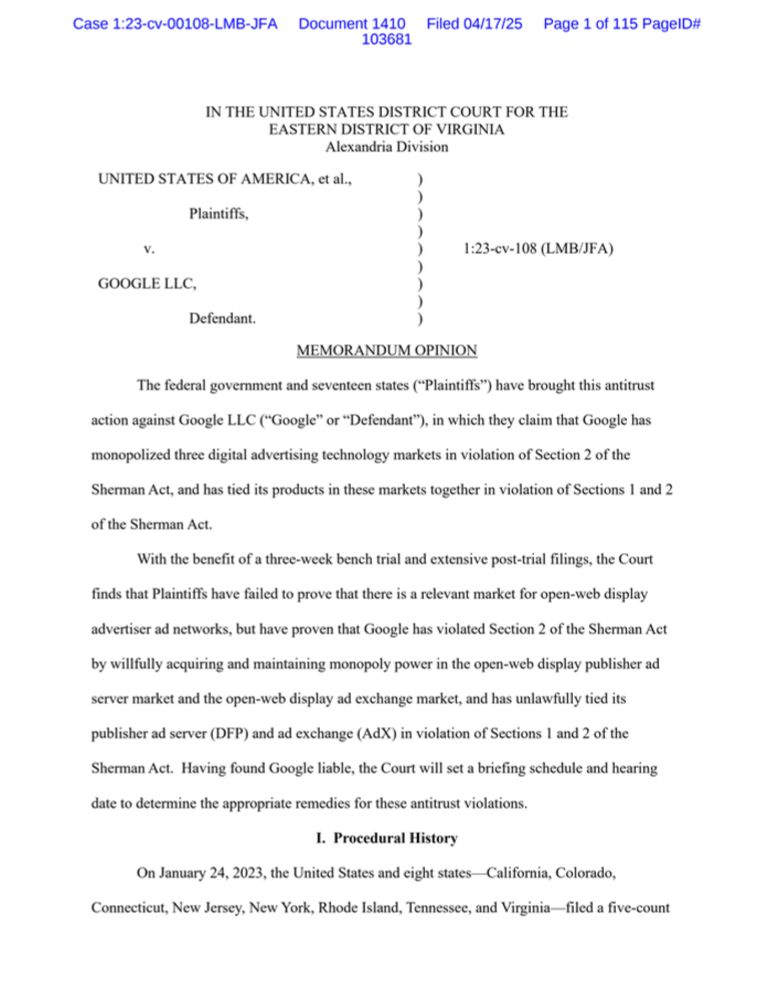
The US Department of Justice wins its antitrust case against Google. www.documentcloud.org/documents/25...
Google ad antitrust ruling
www.documentcloud.org

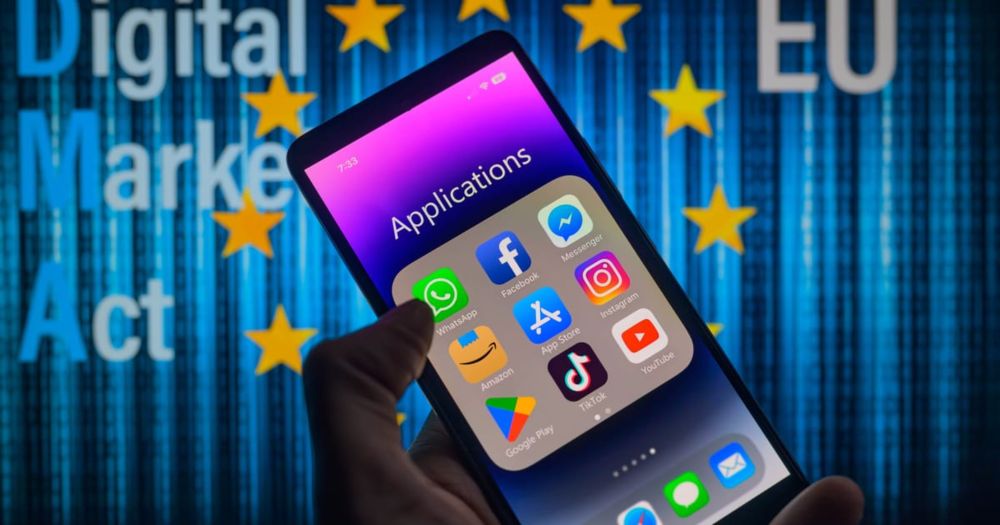
Google in breach of #DMA: European Commission sends preliminary findings to Alphabet under the Digital Markets Act:
- Google Search treat Alphabet's own services more favourably to rivals
- App developers are prevented from freely steering consumers to other channels
ec.europa.eu/commission/p...
Commission sends preliminary findings to Alphabet under the Digital Markets Act
Today, the European Commission sent two sets of preliminary findings to Alphabet for failing to comply with the Digital Markets Act (DMA), regarding two services for which it has been designated as a
ec.europa.eu

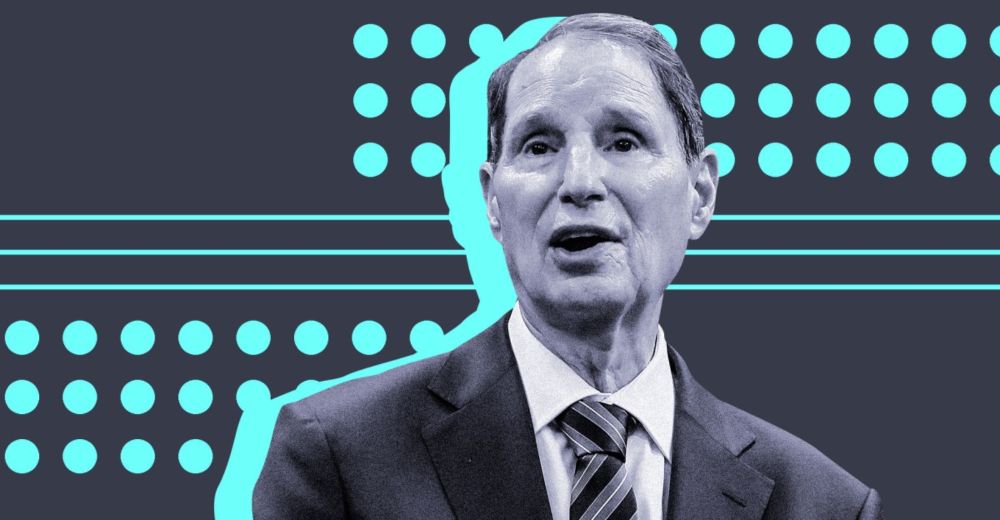
Senator Ron Wyden explaining how Section 230 came to be. Important reading in light of bipartisan calls to change it.
www.theverge.com/policy/62632...
Why the internet still needs Section 230
Sen. Ron Wyden on the birth of a foundational speech law.
www.theverge.com

A refusal by an undertaking in a dominant position to ensure that its platform is interoperable with an app of another undertaking, which thereby becomes more attractive, can be abusive, says #CJEU, killing Bronner line of cases. curia.europa.eu/jcms/upload/...
curia.europa.eu

Actually, no. Lack of venture capital, fragmented markets and arcane bankruptcy laws kills the AI. Regulation has almost no effect.
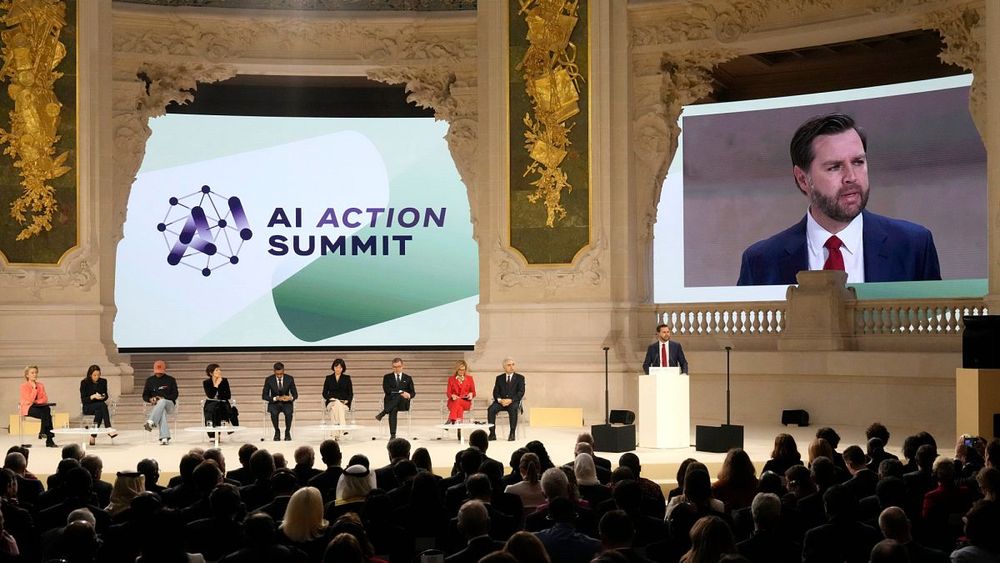
US VP Vance challenges Europe's 'excessive regulation' of AI
Trump's VP on Tuesday warned global leaders and tech industry executives that too much control could cripple the rapidly growing artificial intelligence industry in a rebuke to European efforts to cur...
www.euronews.com

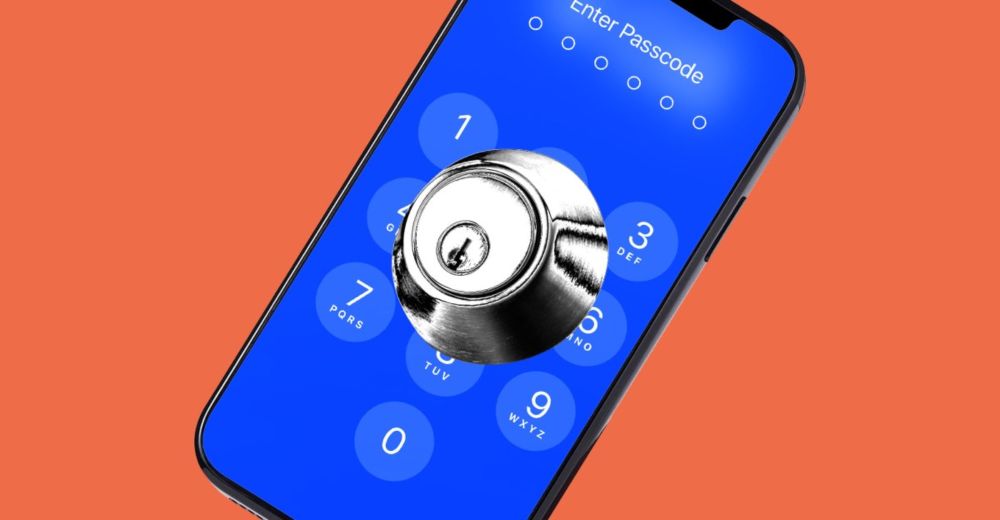
Do we even need to discuss how idiotic the UK request is?
Apple ordered to open encrypted user accounts globally to UK spying
The secret order would give the UK access to encrypted backups belonging to any user — not just Brits.
www.theverge.com

Stina Teilmann-Lock and I have a working paper out claiming that copyright is not the right tool for solving the problem of massive IP AI violations and that the EU AI Act is. We assert that an outline of "dataset law" already exists in the Act. papers.ssrn.com/sol3/papers....
The Ends of the Ai-Copyright Wars? Towards European Dataset Law
Abstract: The advent of generative AI raises profound questions about the ownership not only of data but also of data sets. European law has, in the main, sough
papers.ssrn.com

Reposted by Andrej Savin

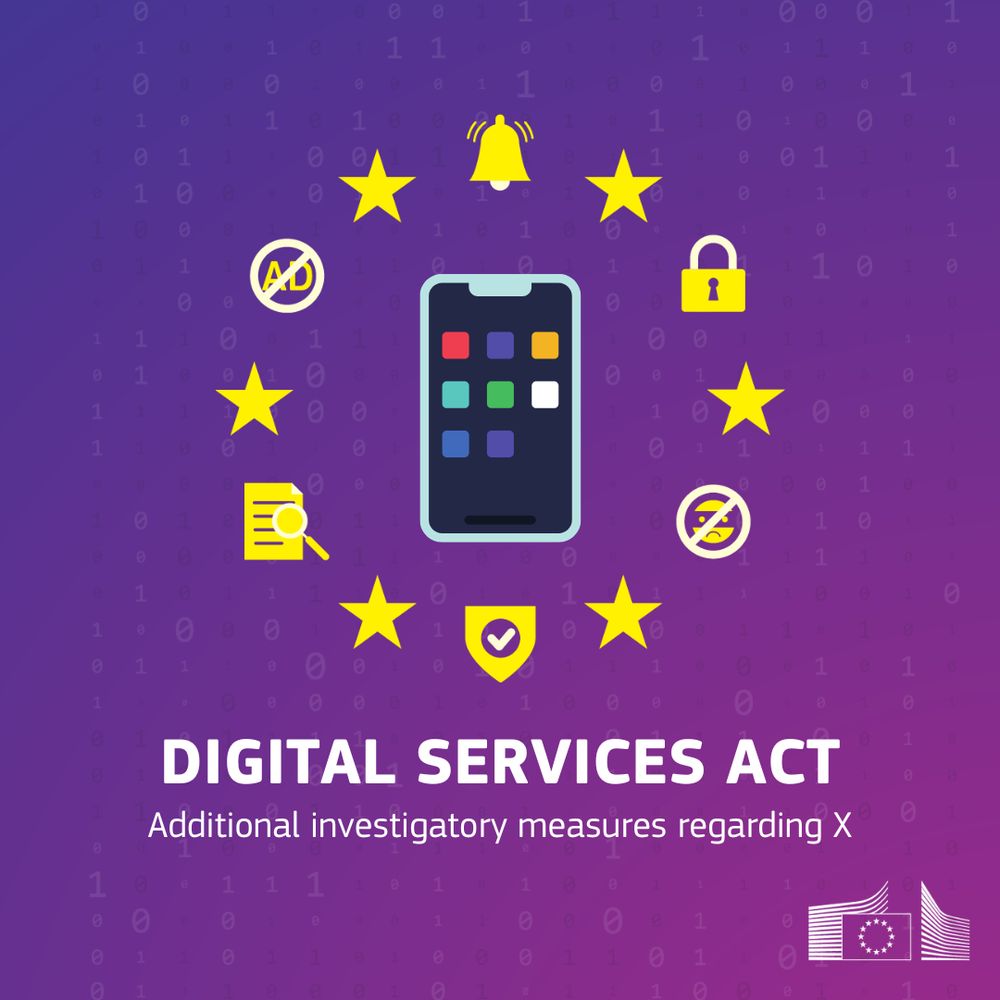
We are committed to ensuring that every platform operating in the EU respects our legislation.

Today, we are taking further steps to shed light on the compliance of X's recommender systems with the Digital Services Act.

More info ↓
europa.eu/!dTNymV
US Supreme Court upholds TikTok ban law and gives it until January 19 to divest from ByteDance. www.supremecourt.gov/opinions/24p...
www.supremecourt.gov

Big tech is picking apart European democracy, but there is a solution: switch off its algorithms

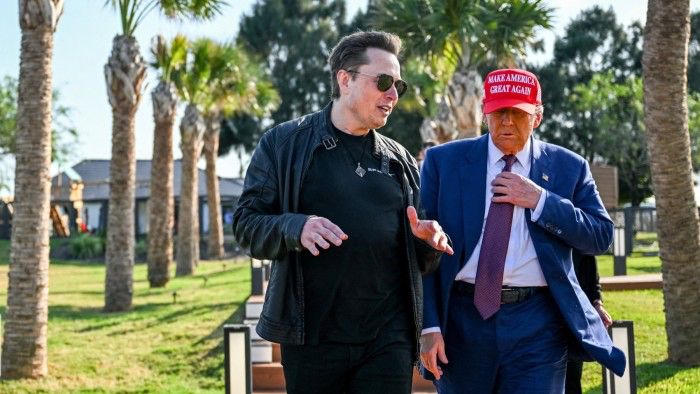
A good explanation of why Meta and X line up behind Trump and how they expect the coming US administration to help them challenge the EU and other jurisdictions who are beginning to be successful in limiting social media power. on.ft.com/3Pv2NAn
The coming battle between social media and the state
Behind the alignment of X and Meta with Trump is a cold business logic — and a position of weakness rather than strength
on.ft.com

…and another Quick Note on Meta’s Decision to Abandon Fact-Checking and Why This Would not be Compliant with EU’s Digital Services Act

I commented yesterday on how Elon Musk’s many questionable tweets become a problem when X’s algorithmic practices violate the EU Digital Services Act (DSA)’s…
…and another Quick Note on Meta’s Decision to Abandon Fact-Checking and Why This Would not be Compliant with EU’s Digital Services Act
I commented yesterday on how Elon Musk’s many questionable tweets become a problem when X’s algorithmic practices violate the EU Digital Services Act (DSA)’s obligations on risk identification and mitigation. The ink had barely dried before Meta announced that “starting in the US”, they will be ending their third-party fact-checking program and moving to an X-style “Community Notes”. Instead of independent fact-checkers, Meta will rely on a user-driven alert system where “the community” will decide what gets upvoted.
euinternetpolicy.wordpress.com