



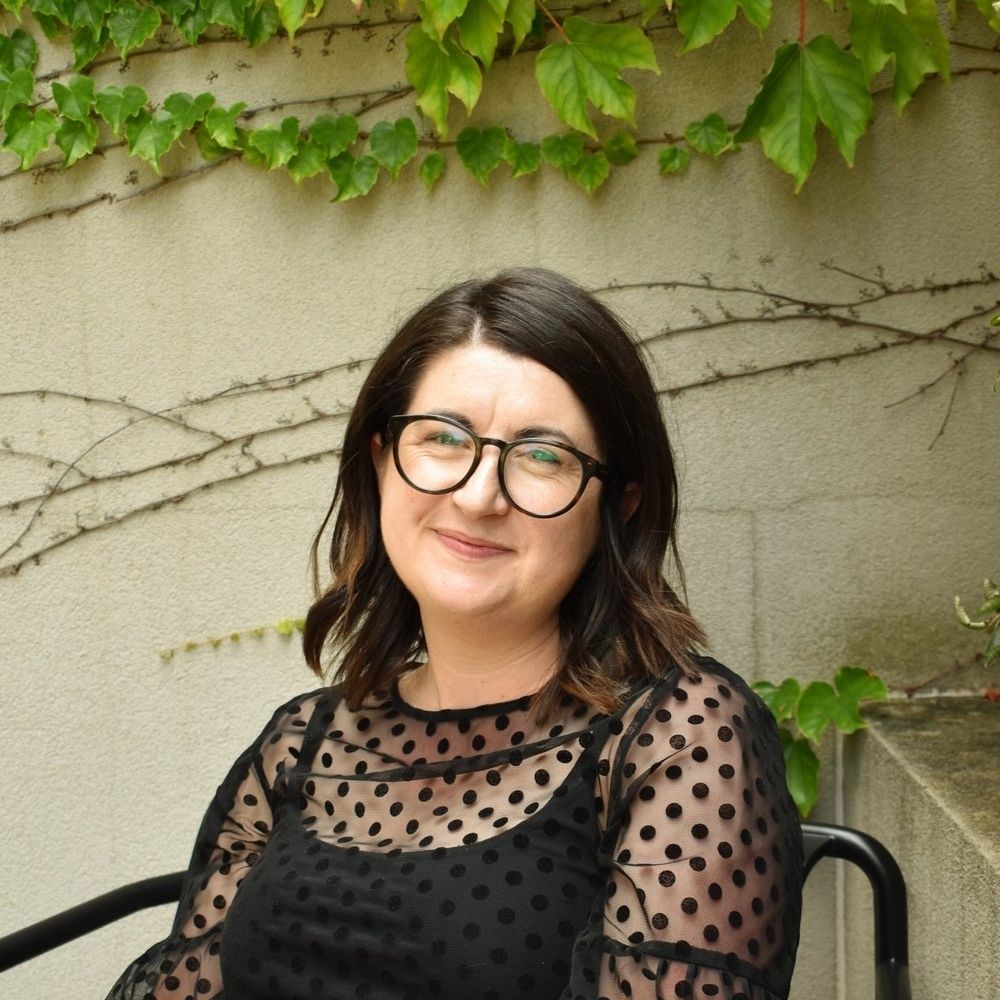
Ainsley Ryan
@ainsley-ryan.bsky.social
Content and Communications Lead at Built Environment Channel | MArch (DesMgt) | BConstMgt (Hons) | Built Environment Advocate | MS Fighter | Living on Wathaurong Country
#ACAN calculated the embodied carbon of the structure as 116 metric tonnes of carbon - equivalent to cutting down 5800 trees. Source: www.instagram.com/p/C5cBB3MRpu...
Login • Instagram
Welcome back to Instagram. Sign in to check out what your friends, family & interests have been capturing & sharing around the world.
www.instagram.com
March 18, 2025 at 8:08 AM
#ACAN calculated the embodied carbon of the structure as 116 metric tonnes of carbon - equivalent to cutting down 5800 trees. Source: www.instagram.com/p/C5cBB3MRpu...
The 10th and final #MPavilion is it is final week. What next for it? Unlike all previous designs, it’s unlikely going to be disassembled and moved. Will it face the wrecking ball? Or will it be a permanent fixture of Queen Victoria Gardens?

March 18, 2025 at 8:05 AM
The 10th and final #MPavilion is it is final week. What next for it? Unlike all previous designs, it’s unlikely going to be disassembled and moved. Will it face the wrecking ball? Or will it be a permanent fixture of Queen Victoria Gardens?
Women make up 70% of design graduates, yet their work only represents 3-5% of permanent collections across the US and Europe.
Inspiring morning listening to Nipa Doshi at the MECCA X NGV Women in Design Commission launch. Can’t wait to see the exhibit at the end of the year.
Inspiring morning listening to Nipa Doshi at the MECCA X NGV Women in Design Commission launch. Can’t wait to see the exhibit at the end of the year.

March 8, 2025 at 6:28 AM
Women make up 70% of design graduates, yet their work only represents 3-5% of permanent collections across the US and Europe.
Inspiring morning listening to Nipa Doshi at the MECCA X NGV Women in Design Commission launch. Can’t wait to see the exhibit at the end of the year.
Inspiring morning listening to Nipa Doshi at the MECCA X NGV Women in Design Commission launch. Can’t wait to see the exhibit at the end of the year.


Research in the wild. Stopped by Testing Garden (at Fed Square) today to the beginnings of Laak Boorndap - the future public garden connecting the Melbourne Arts Precinct.
February 15, 2025 at 8:17 AM
Research in the wild. Stopped by Testing Garden (at Fed Square) today to the beginnings of Laak Boorndap - the future public garden connecting the Melbourne Arts Precinct.
The guide highlights that inclusive design principles are not only essential for neurodiverse individuals but also create environments that benefit everyone. It can be downloaded at www.bsigroup.com/en-GB/insigh...

Neurodiversity & the Built Environment - PAS 6463:2022
Explore PAS 6463, a guide to designing for neurodiversity in the built environment, promoting inclusive and supportive spaces.
www.bsigroup.com
January 16, 2025 at 9:48 AM
The guide highlights that inclusive design principles are not only essential for neurodiverse individuals but also create environments that benefit everyone. It can be downloaded at www.bsigroup.com/en-GB/insigh...
5. Economic and Social Benefits: Inclusive environments attract diverse users, enhance productivity, and improve retention in workplaces and public spaces by creating accessible and enjoyable settings for all individuals.
January 16, 2025 at 9:47 AM
5. Economic and Social Benefits: Inclusive environments attract diverse users, enhance productivity, and improve retention in workplaces and public spaces by creating accessible and enjoyable settings for all individuals.
4. Stress Reduction and Wellbeing: Incorporating elements such as biophilic design and reducing visual and auditory clutter promotes mental wellbeing and reduces stress, benefiting everyone regardless of their neurocognitive profile.
January 16, 2025 at 9:47 AM
4. Stress Reduction and Wellbeing: Incorporating elements such as biophilic design and reducing visual and auditory clutter promotes mental wellbeing and reduces stress, benefiting everyone regardless of their neurocognitive profile.
3. Wayfinding and Accessibility: Multisensory wayfinding solutions (using visual, tactile, and auditory cues) improve navigation for people with sensory or cognitive challenges and enhance accessibility and efficiency for all users.
January 16, 2025 at 9:46 AM
3. Wayfinding and Accessibility: Multisensory wayfinding solutions (using visual, tactile, and auditory cues) improve navigation for people with sensory or cognitive challenges and enhance accessibility and efficiency for all users.
2. Flexibility and Choice: Providing options to adjust sensory environments (such as quiet spaces, adjustable lighting, or soundproofing) caters to diverse needs, allowing everyone to feel comfortable and in control of their surroundings.
January 16, 2025 at 9:46 AM
2. Flexibility and Choice: Providing options to adjust sensory environments (such as quiet spaces, adjustable lighting, or soundproofing) caters to diverse needs, allowing everyone to feel comfortable and in control of their surroundings.
5 key take aways
1. Holistic Sensory Design: Thoughtful spatial design that considers sensory processing differences (lighting, acoustics, spatial layout) reducing overload, benefiting neurodiverse individuals experiencing hypersensitivity & neurotypical individuals who value clarity and comfort.
1. Holistic Sensory Design: Thoughtful spatial design that considers sensory processing differences (lighting, acoustics, spatial layout) reducing overload, benefiting neurodiverse individuals experiencing hypersensitivity & neurotypical individuals who value clarity and comfort.
January 16, 2025 at 9:45 AM
5 key take aways
1. Holistic Sensory Design: Thoughtful spatial design that considers sensory processing differences (lighting, acoustics, spatial layout) reducing overload, benefiting neurodiverse individuals experiencing hypersensitivity & neurotypical individuals who value clarity and comfort.
1. Holistic Sensory Design: Thoughtful spatial design that considers sensory processing differences (lighting, acoustics, spatial layout) reducing overload, benefiting neurodiverse individuals experiencing hypersensitivity & neurotypical individuals who value clarity and comfort.
PAS 6463:2022 was developed by the British Standards Institution and provides recommendations for creating sensory-inclusive built environments, aiming to accommodate neurodiverse, neurotypical, and neurodegenerative needs while improving accessibility, wellbeing, and usability for all.
January 16, 2025 at 9:41 AM
PAS 6463:2022 was developed by the British Standards Institution and provides recommendations for creating sensory-inclusive built environments, aiming to accommodate neurodiverse, neurotypical, and neurodegenerative needs while improving accessibility, wellbeing, and usability for all.
A/Prof @jeanhewitt13.bsky.social presented her work to create the UK’s first formal guide for designing for neurodiversity:
Design for the Mind. Neurodiversity & the Built Environment - PAS 6463.
Design for the Mind. Neurodiversity & the Built Environment - PAS 6463.
January 16, 2025 at 9:40 AM
A/Prof @jeanhewitt13.bsky.social presented her work to create the UK’s first formal guide for designing for neurodiversity:
Design for the Mind. Neurodiversity & the Built Environment - PAS 6463.
Design for the Mind. Neurodiversity & the Built Environment - PAS 6463.
🧵 about designing for neurodiversity.
As the Federal Government hands down it’s first National Autism Strategy, I’m reminded of a great presentation at last month’s #AbleistCitiesSymposium hosted by the University of Melbourne and the Melbourne Disability Institute.
As the Federal Government hands down it’s first National Autism Strategy, I’m reminded of a great presentation at last month’s #AbleistCitiesSymposium hosted by the University of Melbourne and the Melbourne Disability Institute.

January 16, 2025 at 9:38 AM
🧵 about designing for neurodiversity.
As the Federal Government hands down it’s first National Autism Strategy, I’m reminded of a great presentation at last month’s #AbleistCitiesSymposium hosted by the University of Melbourne and the Melbourne Disability Institute.
As the Federal Government hands down it’s first National Autism Strategy, I’m reminded of a great presentation at last month’s #AbleistCitiesSymposium hosted by the University of Melbourne and the Melbourne Disability Institute.