


VLS Enjoyer
@vls-appreciator.bsky.social
What are the main issues with it im curious ?
December 5, 2024 at 5:43 PM
What are the main issues with it im curious ?
@covertshores.bsky.social @alxluck.bsky.social @thrustwr.bsky.social @johnridge.bsky.social @intelcrab.bsky.social @strategictrends.bsky.social @thinkdefence.bsky.social @frhoffmann.bsky.social @doha104p3.bsky.social @vlo225.bsky.social @battleorder.org @johnridge.bsky.social
November 19, 2024 at 3:11 PM
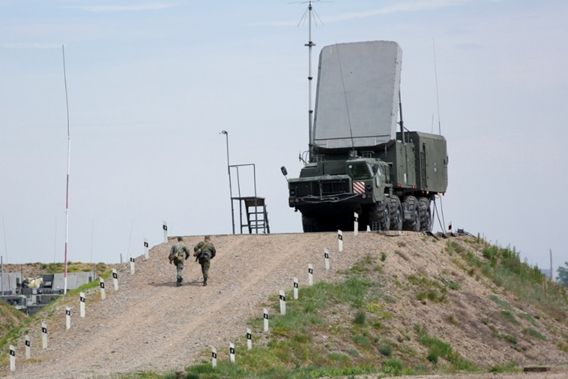
That concludes this short and sweet thread, If you have any additional info I didn’t cover here please share it, always eager to learn. Next part will be on the various additional radars. 14/14
November 19, 2024 at 3:11 PM
That concludes this short and sweet thread, If you have any additional info I didn’t cover here please share it, always eager to learn. Next part will be on the various additional radars. 14/14
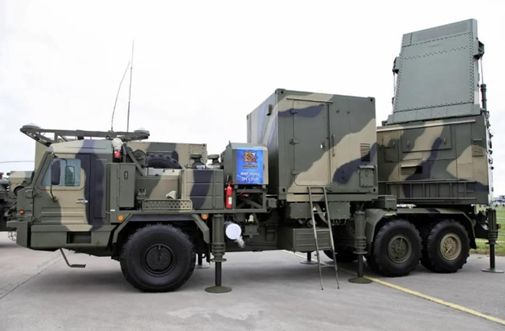
Finally, a bit different from that family, the S-350 uses 50N6. It also uses space fed PESA with a smaller array, said to be able to track 100 targets and engage 8 at a time. Interestingly two radars can apparently be used per battery for a total of 32 missile channels. 13/14
November 19, 2024 at 3:11 PM
Finally, a bit different from that family, the S-350 uses 50N6. It also uses space fed PESA with a smaller array, said to be able to track 100 targets and engage 8 at a time. Interestingly two radars can apparently be used per battery for a total of 32 missile channels. 13/14
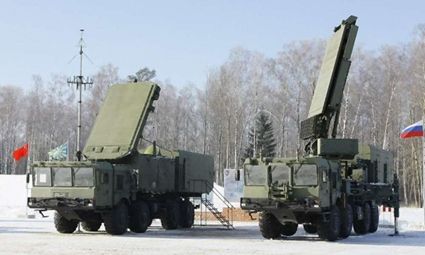
It uses new processors and more modern hardware that are claimed to double its range compared to 30N6 to 400km, again taking that with a grain of salt. Similarly, It is claimed to be able to track 4800m/s targets and support 6 simultaneous engagement. 12/14
November 19, 2024 at 3:11 PM
It uses new processors and more modern hardware that are claimed to double its range compared to 30N6 to 400km, again taking that with a grain of salt. Similarly, It is claimed to be able to track 4800m/s targets and support 6 simultaneous engagement. 12/14
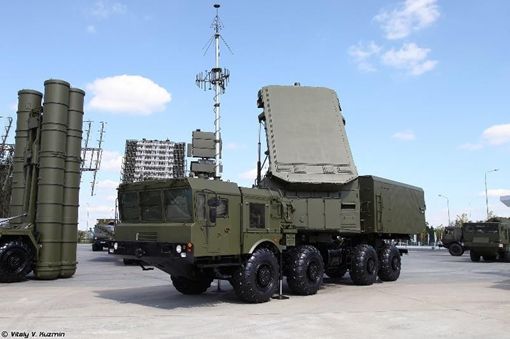
Both the 5N63 and 30N6 can support 6 simultaneous engagements, directing 2 missiles per engagement. Time cycle from receiving the data from the command post to firing is 11s for a standard target and 6s for a ballistic target thanks to reduced IFF interrogation time. 10/14
November 19, 2024 at 3:11 PM
Both the 5N63 and 30N6 can support 6 simultaneous engagements, directing 2 missiles per engagement. Time cycle from receiving the data from the command post to firing is 11s for a standard target and 6s for a ballistic target thanks to reduced IFF interrogation time. 10/14
It has an enlarged array able to track targets moving at 2800m/s and new optimized search patterns for ballistic missiles. It also has auxiliary antennas steered by the main one to perform automatic jammer nulling and expand engagement enveloped in a contested environment. 9/14
November 19, 2024 at 3:11 PM
It has an enlarged array able to track targets moving at 2800m/s and new optimized search patterns for ballistic missiles. It also has auxiliary antennas steered by the main one to perform automatic jammer nulling and expand engagement enveloped in a contested environment. 9/14
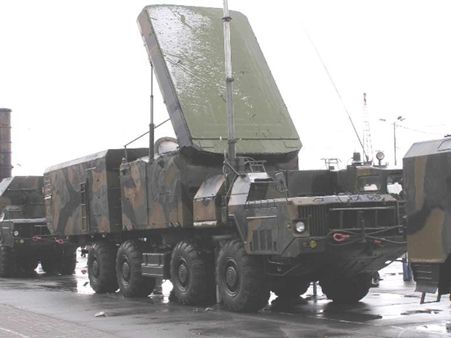
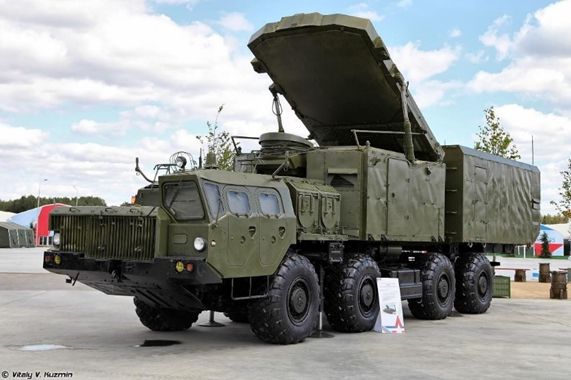
The second iteration of that system is the 30N6 with its cool designation of TOMB STONE for the S-300PM. It brought many improvements to use the 48N6 missile and be better at engaging ballistic targets. 8/14
November 19, 2024 at 3:11 PM
The second iteration of that system is the 30N6 with its cool designation of TOMB STONE for the S-300PM. It brought many improvements to use the 48N6 missile and be better at engaging ballistic targets. 8/14
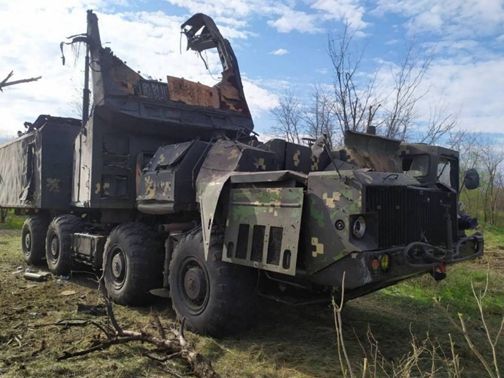
Even on the mobile version, and in a way similarly to the Patriot’s radars, it is limited to 105° azimuth sector can and cannot fully rotate. This makes the geometry of SEAD engagement critical to exploit this vulnerability. 7/14
November 19, 2024 at 3:11 PM
Even on the mobile version, and in a way similarly to the Patriot’s radars, it is limited to 105° azimuth sector can and cannot fully rotate. This makes the geometry of SEAD engagement critical to exploit this vulnerability. 7/14
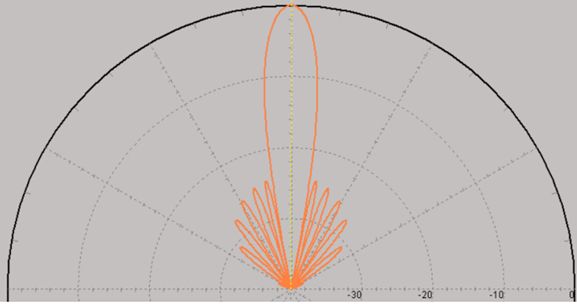
As the target is only radar painted by the engagement radar at the last moments of the kill chain it gives little warning to the threat. As it uses a narrow 1° pencil beam to scan a small area and has low sidelobes, it is less easy to jam. 6/14
November 19, 2024 at 3:11 PM
As the target is only radar painted by the engagement radar at the last moments of the kill chain it gives little warning to the threat. As it uses a narrow 1° pencil beam to scan a small area and has low sidelobes, it is less easy to jam. 6/14
Depending on what source relays the data, the radar will search differently. If data is simply transmitted via radio speech, it is likely less accurate and the radar will scan a 12x4 ° zone, if it comes from the NVO a 6X1 zone and 4x4 from the long-range radar. 5/14
November 19, 2024 at 3:11 PM
Depending on what source relays the data, the radar will search differently. If data is simply transmitted via radio speech, it is likely less accurate and the radar will scan a 12x4 ° zone, if it comes from the NVO a 6X1 zone and 4x4 from the long-range radar. 5/14
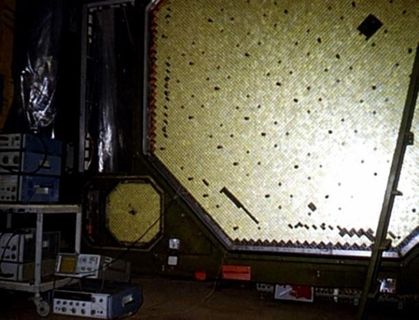
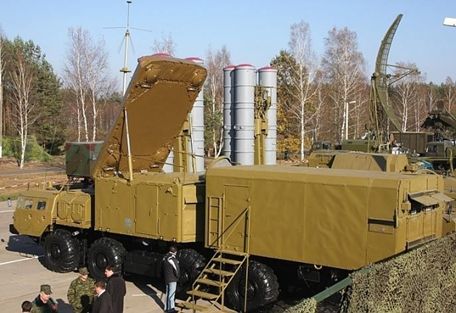
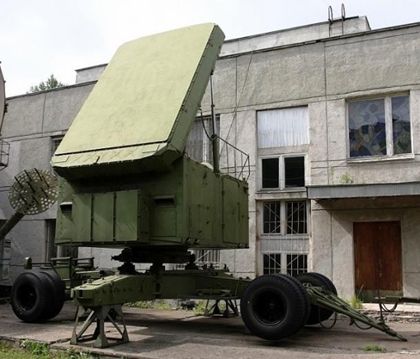
The first engagement radar was the 5N63/5N63S for the S-300PT/PS. It is a rectangular array composed of 10 000 transmissive passive shifters elements fed via microwave lens and monopole horn. It can detect targets at ranges of ~125km and ~30km for threats of 0.1m² rcs. 4/14
November 19, 2024 at 3:11 PM
The first engagement radar was the 5N63/5N63S for the S-300PT/PS. It is a rectangular array composed of 10 000 transmissive passive shifters elements fed via microwave lens and monopole horn. It can detect targets at ranges of ~125km and ~30km for threats of 0.1m² rcs. 4/14
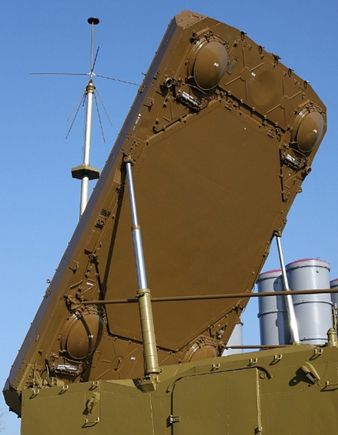
These radars use PESA arrays to combine in a single platform target tracking, missile tracking, and depending on missile command types, sending information back to guide the missile to its target. To this end these radars usually use narrower band waves, typically X band or adjacent. 3/14
November 19, 2024 at 3:11 PM
These radars use PESA arrays to combine in a single platform target tracking, missile tracking, and depending on missile command types, sending information back to guide the missile to its target. To this end these radars usually use narrower band waves, typically X band or adjacent. 3/14
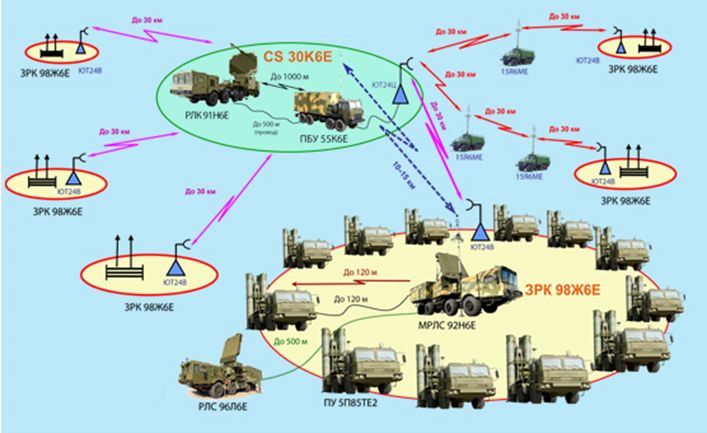
As we saw in the previous part, in the S-300P systems threats are detected by the long-range radars transferring the tracking data to lower level dedicated engagement radar at the battery level. 2/14
November 19, 2024 at 3:11 PM
As we saw in the previous part, in the S-300P systems threats are detected by the long-range radars transferring the tracking data to lower level dedicated engagement radar at the battery level. 2/14