




Sez Us
@sez-us.bsky.social
A social media platform based on reputation, transparency and civility. An alternative to Twitter/X
A Prayer for Our Country. On Sez Us, where there’s a range of topics but the replies are respectful.
sez.us/l/nhx7e77y
sez.us/l/nhx7e77y

A Prayer for Our Country
This week I took timeout from the turmoil in our country and the world to celebrate Rosh Hashana, the Jewish new year. We ended the service with a prayer for our country — a prayer written years ago, but that could not be more timely and meaningful today, given all that has gone on for the last nine months. Here it is. (From Mishkan Hanefesh, the Prayer Book for Rosh Hashana} God of holiness, we hear Your message: Justice, justice you shall pursue. God of freedom we hear Your charge: Proclaim liberty throughout the land. Inspire us through Your teachings and commandments to love and uphold our precious democracy. Let every citizen take responsibility for the rights and freedoms we cherish. Let each of us be an advocate for justice, an activist for liberty, a defender of dignity. And let us champion the values that make our nation a haven for the persecuted, a beacon of hope among the nations. May our actions reflect compassion for all people, within our borders and abroad. May our leaders and officials embody the vision of our founders: to form a more perfect Union, establish Justice, insure domestic Tranquility, provide for the common defense, promote the general Welfare, and secure the Blessings of Liberty to ourselves and our Posterity. We pray for courage and conscience as we aim to support our country’s highest values and aspirations: the hard-won rights that define us as a people, the responsibilities that they entail. We pray for all who serve our country with selfless devotion — in peace and in war, from the fields of battle to clinics and classrooms, from government to the grassroots: all those whose noble deeds and sacrifice benefit our nation and our world. We are grateful for the rights of Life, Liberty and the pursuit of Happiness that our founders ascribed to You, our Creator. We pray for their wisdom and moral strength, that we may be the guardians of these rights for ourselves and for the sake of all people, now and forever.
sez.us
September 25, 2025 at 5:49 PM
A Prayer for Our Country. On Sez Us, where there’s a range of topics but the replies are respectful.
sez.us/l/nhx7e77y
sez.us/l/nhx7e77y
There can be free speech on social media without the polarization and without algorithms that favor rage baiting. Come join the better conversations at get.sez.us
Sez Us
The social media platform built on the real world principles of identity and reputation and a commitment to democracy and freedom of expression.
get.sez.us
September 13, 2025 at 3:22 AM
There can be free speech on social media without the polarization and without algorithms that favor rage baiting. Come join the better conversations at get.sez.us
An Alabaman dissects Sen. Tommy Tuberville’s claims that Democrats want to turn America into a “third-world country” because they don’t support deployment of troops in D.C. Join the discussion on Sez Us.
sez.us/l/37ivaj1u
sez.us/l/37ivaj1u
Tuberville Wants Troops in the Streets. What About Real Safety?
On Fox Business, Senator Tommy Tuberville claimed Democrats want to turn America into a “third-world country.” His evidence? That they don’t support Donald Trump’s deployment of National Guard troops in Washington, D.C. Tuberville praised the Guard presence for dropping carjackings and violent crime. He even threw in personal touches, saying he carries a golf club when he jogs, and warns Alabama visitors about the dangers of D.C. His message? Democrats equal chaos, Republicans equal order. Fear Politics vs. Community Safety Of course crime drops when you put troops on every corner. But that’s not real safety, that’s a police state. Meanwhile, Tuberville’s own party has been slashing the very programs proven to keep communities safe in the long run, community policing, violence prevention, and intervention initiatives. Programs like Cure Violence and the COPS program have reduced shootings and built trust between neighborhoods and law enforcement. What Actually Works Short-term military deployments might bring temporary calm, but they don’t build lasting safety. What works are community-based strategies, hot-spot foot patrols, violence interrupters, after-school programs, the kind of efforts that prevent crime before it happens and make neighborhoods feel like home, not occupied zones. The Real Choice Tuberville’s “third world country” line isn’t about safety. It’s about fear. Do we want to live in a country where troops patrol the streets? Or do we want safe communities built through trust, prevention, and accountability? Families deserve the latter. But Tuberville would rather chase TV soundbites than fund the programs that actually work. That’s not leadership. It’s theater. Tuberville slams Democrats for not supporting Trump's crackdown on crime — 'If I didn’t know better, I’d think they want us to turn into a third-world country'
sez.us
September 8, 2025 at 6:28 PM
An Alabaman dissects Sen. Tommy Tuberville’s claims that Democrats want to turn America into a “third-world country” because they don’t support deployment of troops in D.C. Join the discussion on Sez Us.
sez.us/l/37ivaj1u
sez.us/l/37ivaj1u

The death of public media - what it means for democracy and what we stand to lose. Read the conversation about this on Sez Us.
sez.us/l/hv37bqyx
sez.us/l/hv37bqyx

The Death of Public Media — And Why We Must Fight to Save It
For more than half a century, U.S. public media has been one of the most quietly powerful democratic institutions in the nation. It is not flashy. It is not partisan. It does not exist to make shareholders rich. It exists to connect people — to each other, to their communities, to their country, and to the world. For over 50 years, public media has connected 99% of Americans to trusted local and national news, educational programming, and cultural content — backed by billions in community investment, a vast broadcast infrastructure, and the hard-earned trust of local communities across the country. From television to radio to even community newspapers, public media has been the voice of the community, no matter what. It has been there in times of crisis — hurricanes, wildfires, pandemics — when commercial broadcasters cut away to ads or entertainment. It has been there in classrooms, with PBS Kids and educational radio programs supplementing lessons for millions of children. It has been there for the elderly and homebound, for rural farmers and urban commuters, for immigrants learning English and for lifelong learners exploring the arts, science, and history. And now, that system is in crisis. A Manufactured Collapse The loss of federal funding through the Corporation for Public Broadcasting (CPB) threatens to trigger a cascade of local station closures, starting with many rural and under-resourced stations. The consequences could cause irreversible damage to our civic and democratic life. The CPB will wrap up its business at the end of the month — not because the need has vanished, not because the system has failed, but because the House GOP and Senate GOP chose to bend the knee to Donald Trump instead of listening to their constituents. This is not a budgetary inevitability. It is a political choice. And it is one that will strip tens of millions of Americans of access to free, high-quality news, educational, and cultural programming. In our highly interconnected public media system, the failure of these stations will not be contained to the towns and counties where they go dark. The collapse will ripple outward, endangering distressed stations in other areas of the country and threatening services everywhere. Public media is a network — not just in the technical sense of transmitters and satellites, but in the human sense of collaboration, shared reporting, and pooled resources. When one part of the network fails, the rest strains to compensate. When enough parts fail, the whole system falters. The Stakes for Democracy Public media is not just about entertainment or nostalgia. It is about information equity — the idea that every American, regardless of income or geography, should have access to reliable, fact-based news and educational content. In an era of rampant misinformation, algorithm-driven outrage, and the collapse of local newspapers, public media has been one of the last bastions of journalism that is both trusted and accessible. When you cut off public media, you are not just silencing a few radio stations. You are silencing the voices that tell rural voters what’s happening in their state legislature. You are silencing the investigative reporters who uncover corruption in small-town governments. You are silencing the science programs that explain climate change in plain language. You are silencing the cultural programming that connects us to our shared history and to each other. And you are doing it at the very moment when Americans most need a shared set of facts. The Human Cost It is easy to talk about “stations” and “infrastructure” in the abstract. But the reality is that these cuts will mean people — journalists, producers, engineers, educators — losing their jobs. It will mean communities losing their storytellers, their chroniclers, their conveners. In rural Alaska, public radio is often the only source of emergency weather alerts. In the Mississippi Delta, public television provides free early childhood education to families who cannot afford preschool. In the Great Plains, public media covers agricultural policy that directly affects farmers’ livelihoods. When these stations close, those services vanish. And they will not come back. Once a transmitter is dismantled, once a newsroom is shuttered, once a community loses the habit of turning to public media, the loss is permanent. A Glimmer of Hope At least one good thing has come out of this god-awful decision. The John S. and James L. Knight Foundation, Pivotal, the John D. and Catherine T. MacArthur Foundation, Ford Foundation, the Schmidt Family Foundation, and the Robert Wood Johnson Foundation have committed nearly $37 million to provide immediate relief to public media stations at risk of closure following the federal funding cuts to the CPB. That says something — that foundations really do give a damn about public media. They understand that this is not charity; it is an investment in the civic infrastructure of the United States. But philanthropy alone cannot replace the scale and stability of federal funding. These emergency funds are a tourniquet, not a cure. They will keep some stations alive in the short term, but without systemic support, the patient will not survive. The Political Spin “We need to get back to fiscal sanity and this is an important step,” said House Speaker Mike Johnson in defense of the cuts. Mr. Speaker, what you have done is destroy public media at large with your policies. You have taken a sledgehammer to one of the few institutions that still serves all Americans equally, regardless of political affiliation, income, or geography. And let’s be clear: the CPB’s annual appropriation — about $465 million — is a rounding error in the federal budget. It is less than what the Pentagon spends in a single day. It is less than the cost of one high-end fighter jet. Cutting it will not balance the budget. But it will unbalance our democracy. The Narrow Window We have a narrow but critical window to protect these important community institutions — and to reimagine public media for a stronger, more sustainable future. We can be the new medium of public media. As Marshall McLuhan once said, The medium is the message. If the medium dies, so does the message. That means fighting for restored federal funding. It means building new coalitions between public media, libraries, schools, and community organizations. It means exploring new revenue models that do not compromise editorial independence. It means leveraging technology to reach audiences where they are — on smartphones, on streaming platforms, on social media — without abandoning the over-the-air broadcasts that remain essential for millions. What We Stand to Lose If we let public media die, we will lose: Local accountability: No one else will cover the school board meeting in a town of 5,000 people. Educational equity: No one else will provide free, curriculum-aligned programming to every child in America. Cultural preservation: No one else will record the oral histories, the folk music, the regional dialects that make up our national tapestry. Emergency communication: No one else will guarantee that a tornado warning reaches every household, even those without internet or cable. These are not luxuries. They are public goods. The Call to Action This is not the time for resignation. It is the time for mobilization. Call your representatives. Write letters to the editor. Donate to your local station. Organize community fundraisers. Demand that public media be treated as the essential service it is. And remember: once it’s gone, it’s gone. There is no private-sector substitute for public media’s mission, reach, and trust. A Final Word Public media has been there for us for more than 50 years. It has informed us, educated us, entertained us, and bound us together as a nation. Now, it is our turn to be there for public media. Because the medium is the message — and if we let the medium die, we will lose far more than a few TV and radio stations. We will lose one of the last threads holding our democracy together.
sez.us
September 4, 2025 at 11:47 PM
The death of public media - what it means for democracy and what we stand to lose. Read the conversation about this on Sez Us.
sez.us/l/hv37bqyx
sez.us/l/hv37bqyx
Reading the news about political content creators? This webinar explores how digital storytellers have become powerful voices in democratic discourse - often reaching audiences that traditional political communication fails to engage. sez.us/l/f4jszkth

Register Now: “The Impact of Digital Storytellers in Reshaping Democracy Narratives”
Join us Monday, September 22 at 12 p.m. ET as we continue PSG Consulting’s First Mondays Webinar series on narratives and storytelling. In this webinar, we will explore how content creators, influencers and digital storytellers have become powerful voices in democratic discourse — often reaching audiences that traditional political communication fails to engage. Topics include: — The role creators and influencers play in a changing media landscape; — Disinformation and false narratives; — How creators shift sentiment and drive engagement; and — How digital voices can be powerful carriers of pro-democracy narratives. Register here: https://us02web.zoom.us/webinar/register/2717533933885/WN_lzy9CXO0S7Ozsi0sGHyPpw
sez.us
September 3, 2025 at 6:43 PM
Reading the news about political content creators? This webinar explores how digital storytellers have become powerful voices in democratic discourse - often reaching audiences that traditional political communication fails to engage. sez.us/l/f4jszkth
"20 Years Ago This Week I Was in Louisiana as Katrina Ravaged New Orleans. This is the story of what I saw." New from @reedgalen.bsky.social
sez.us/l/l9xzeesj
sez.us/l/l9xzeesj

20 Years Ago This Week I Was in Louisiana as Katrina Ravaged New Orleans
This is the story of what I saw. https://open.substack.com/pub/reedgalen/p/katrina-20-years-later?r=33x0y&utm_campaign=post&utm_medium=web&showWelcomeOnShare=false
sez.us
September 2, 2025 at 4:47 PM
"20 Years Ago This Week I Was in Louisiana as Katrina Ravaged New Orleans. This is the story of what I saw." New from @reedgalen.bsky.social
sez.us/l/l9xzeesj
sez.us/l/l9xzeesj
It’s been a stressful week. Let’s look at some homemade pizzas to take our minds off the news. sez.us/l/aj97j5id

an overdue series of Neapolitans
7 day cold ferment w poolish. Brats, brisket, salsicca, oh my!
sez.us
August 29, 2025 at 6:47 PM
It’s been a stressful week. Let’s look at some homemade pizzas to take our minds off the news. sez.us/l/aj97j5id
Was Jeffrey Epstein part of Russia's broader war on the West?
@davetroy.com examines Epstein's obsession with nuclear scientists, eugenics, transhumanism, and influence. sez.us/l/jqhf5g8q
@davetroy.com examines Epstein's obsession with nuclear scientists, eugenics, transhumanism, and influence. sez.us/l/jqhf5g8q

Sez Us
EXCLUSIVE: Was Jeffrey Epstein part of Russia's broader war on the West? In our new multi-part investigation into Epstein's influence activities, we examine new evidence that suggests his work in Santa Fe was likely more strategic than previously known. https://america2.news/part-one-just-what-was-jeffrey-epstein-doing-in-santa-fe/
sez.us
August 29, 2025 at 4:13 PM
Was Jeffrey Epstein part of Russia's broader war on the West?
@davetroy.com examines Epstein's obsession with nuclear scientists, eugenics, transhumanism, and influence. sez.us/l/jqhf5g8q
@davetroy.com examines Epstein's obsession with nuclear scientists, eugenics, transhumanism, and influence. sez.us/l/jqhf5g8q
THE TIME IS NOW! Read the call to arms on @sez-us.bsky.social
"The Democratic Party must stop functioning solely as a political party and instead step into its moment in history: to lead a pro-democracy movement capable of confronting this authoritarian threat." sez.us/l/zx5jnf41
"The Democratic Party must stop functioning solely as a political party and instead step into its moment in history: to lead a pro-democracy movement capable of confronting this authoritarian threat." sez.us/l/zx5jnf41

Sez Us
The Time for a Pro-Democracy Movement Is Now https://www.lincolnsquare.media/p/stand-up-america-the-time-for-a-pro?r=2236l&utm_campaign=post&utm_medium=web&showWelcomeOnShare=false
sez.us
August 28, 2025 at 4:49 PM
THE TIME IS NOW! Read the call to arms on @sez-us.bsky.social
"The Democratic Party must stop functioning solely as a political party and instead step into its moment in history: to lead a pro-democracy movement capable of confronting this authoritarian threat." sez.us/l/zx5jnf41
"The Democratic Party must stop functioning solely as a political party and instead step into its moment in history: to lead a pro-democracy movement capable of confronting this authoritarian threat." sez.us/l/zx5jnf41
Is @cagovernornewsom.bsky.social redefining the Democratic Party? Or is he just good at trolling the other side? A conversation about politics on @sez-us.bsky.social
sez.us/l/rrehx4b1
sez.us/l/rrehx4b1
Gavin Newsom’s Opportumity
Gavin Newsom is an outstanding leader. He’s become the face of the Democrats’ opposition to the horrors of Donald Trump. Like Bill Clinton in 1989, he has the opportunity to redefine himself and his party and change the face of American politics. https://youtu.be/orvjMByb3g8
sez.us
August 26, 2025 at 10:51 PM
Is @cagovernornewsom.bsky.social redefining the Democratic Party? Or is he just good at trolling the other side? A conversation about politics on @sez-us.bsky.social
sez.us/l/rrehx4b1
sez.us/l/rrehx4b1
Imagine logging into one place that gives you immediate access to other platforms. No walled gardens requiring you recreate your content+friends list over again. And you control your data. THAT'S what this means. Sez Us is building the future of the internet, now.
www.prnewswire.com/news-release...
www.prnewswire.com/news-release...
Sez Us Launches Single Sign-On with Frequency Blockchain to Power an Open, User-Controlled Social Web
/PRNewswire/ -- Sez Us today announced the launch of its blockchain-powered single sign-on experience, built in collaboration with Project Liberty and the...
www.prnewswire.com
August 20, 2025 at 9:46 PM
Imagine logging into one place that gives you immediate access to other platforms. No walled gardens requiring you recreate your content+friends list over again. And you control your data. THAT'S what this means. Sez Us is building the future of the internet, now.
www.prnewswire.com/news-release...
www.prnewswire.com/news-release...
Reposted by Sez Us

📣 @sez-us.bsky.social has adopted @frequency.xyz single sign-on, marking a major step toward an open, interoperable social web and giving users control over their digital identity and experience! www.prnewswire.com/news-release... 🤩 We are thrilled to welcome Sez Us to the Frequency ecosystem!
Sez Us Launches Single Sign-On with Frequency Blockchain to Power an Open, User-Controlled Social Web
/PRNewswire/ -- Sez Us today announced the launch of its blockchain-powered single sign-on experience, built in collaboration with Project Liberty and the...
www.prnewswire.com
August 19, 2025 at 7:31 PM
📣 @sez-us.bsky.social has adopted @frequency.xyz single sign-on, marking a major step toward an open, interoperable social web and giving users control over their digital identity and experience! www.prnewswire.com/news-release... 🤩 We are thrilled to welcome Sez Us to the Frequency ecosystem!
Sez Us & @projectliberty.io announce that Sez Us is the latest application to launch on the @frequency.xyz blockchain with single sign-on.
www.counton2.com/business/pre...
www.counton2.com/business/pre...
www.counton2.com
August 19, 2025 at 6:01 PM
Sez Us & @projectliberty.io announce that Sez Us is the latest application to launch on the @frequency.xyz blockchain with single sign-on.
www.counton2.com/business/pre...
www.counton2.com/business/pre...

Are you trapped in Big Tech's Mind Maze? Untrap yourself on Sez Us.
unherd.com/2025/08/were...
unherd.com/2025/08/were...

Social media is engineering amnesia
unherd.com
August 1, 2025 at 1:45 PM
Are you trapped in Big Tech's Mind Maze? Untrap yourself on Sez Us.
unherd.com/2025/08/were...
unherd.com/2025/08/were...
Join Sez Us where we strive to deter bots and all the harm they do. “Why Bots Suck”
sez.us/l/te8c9yu7
sez.us/l/te8c9yu7

Why Bots Suck
And why Sez Us uses mobile number login to prevent bots: Automated bots now make up more than half of global internet traffic. Bots surpassed human-generated activity for the first time in 2024. Almost 50% of internet traffic comes from non-human sources, with 20% of that being so-called “bad bots,” prone to a host of malicious activities. The economic issue? Bots generate fake pageviews, clicks, impressions, and user sessions, all of which inflate web analytics data and distort metrics. Read more at https://fortune.com/2025/07/22/is-artificial-intelligence-ai-bubble-bots-over-50-percent-internet/
sez.us
July 31, 2025 at 6:28 PM
Join Sez Us where we strive to deter bots and all the harm they do. “Why Bots Suck”
sez.us/l/te8c9yu7
sez.us/l/te8c9yu7
Avoid all bots on Sez Us - not just the MAGA bots divided over Epstein. sez.us/l/7sqdp8rx

Sez Us
Sez Us asks you to login with your mobile number to deter bots! https://www.nbcnews.com/news/amp/rcna219167
sez.us
July 29, 2025 at 5:07 PM
Avoid all bots on Sez Us - not just the MAGA bots divided over Epstein. sez.us/l/7sqdp8rx
Reposted by Sez Us

How local citizen councils — and Sez Us — can help us escape the binary trap.
Read the latest from @joetrippi.bsky.social for Lincoln Square:
www.lincolnsquare.media/p/we-need-to...
Read the latest from @joetrippi.bsky.social for Lincoln Square:
www.lincolnsquare.media/p/we-need-to...
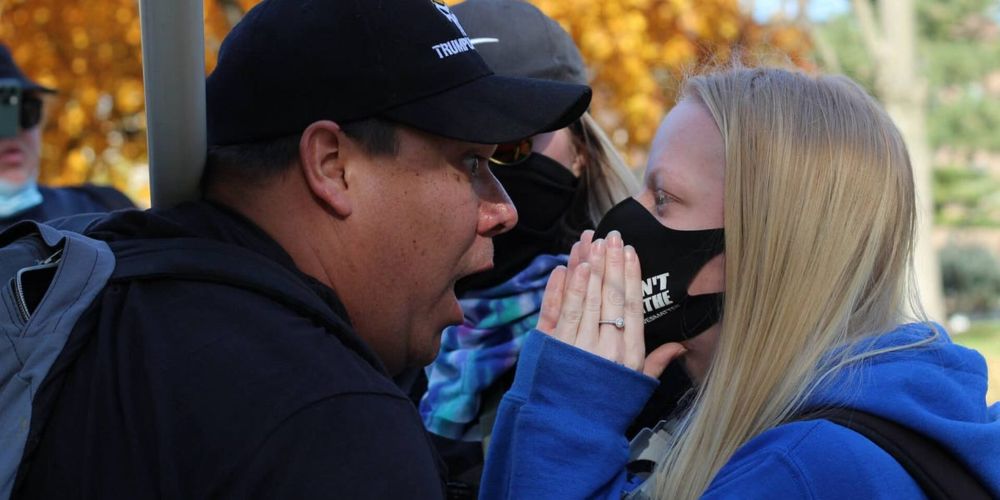
We Need to Talk Like Humans Again
How local citizen councils — and Sez Us — can help us escape the binary trap.
www.lincolnsquare.media
July 29, 2025 at 3:12 PM
How local citizen councils — and Sez Us — can help us escape the binary trap.
Read the latest from @joetrippi.bsky.social for Lincoln Square:
www.lincolnsquare.media/p/we-need-to...
Read the latest from @joetrippi.bsky.social for Lincoln Square:
www.lincolnsquare.media/p/we-need-to...
The Sez Us community controls what gets seen. Users downvote false news and claims. Come join the more civil atmosphere at sez.us and download in the app stores!
Social media's failure to stop the spread of false claims about extreme weather events puts lives at risk.
These falsehoods delay emergency response, erode trust in authorities & make it harder for communities to recover – as seen during hurricanes Helene & Milton⤵️
www.forbes.com/sites/amyfel...
These falsehoods delay emergency response, erode trust in authorities & make it harder for communities to recover – as seen during hurricanes Helene & Milton⤵️
www.forbes.com/sites/amyfel...

July 22, 2025 at 5:59 PM
The Sez Us community controls what gets seen. Users downvote false news and claims. Come join the more civil atmosphere at sez.us and download in the app stores!

The Democratic Party needs to change from within, and it should learn from the history of the DLC. Read more on the American Renewal Channel at Sez Us.
sez.us/l/e4wg1a77
sez.us/l/e4wg1a77

The Courage to Force Change
A number of groups have formed recently aimed at redefining the Democratic Party in the wake of its crushing defeat last year. As Washington Post columnist Matt Bai points out, “all of these efforts invoke (sometimes explicitly) the legend of the Democratic Leadership Council, the centrist organization that helped a little-known governor named Bill Clinton secure the presidency in 1992.” But Bai argues correctly that their emphasis on uniting the party factions under a “big tent” is a “misunderstanding of what the DLC was.” More Bai: The DLC “was founded by Al From (yes, that’s me) a tough-minded legislative aide, and a bevy of other young Democrats who believed — and said outright — that the party had become a prisoner of leftist interest groups and had drifted outside the mainstream of American politics. Yes, the goal was to create an agenda aimed at the broad middle class, but the first order was to start and win a bruising fight with the party’s entrenched leadership. “It’s easy to forget now…,but when then-Governor Clinton carried the DLC’s message to party dinners and conventions beginning in the late 1980s — challenging Democrats to rethink their positions on issues such as crime, welfare and abortion — he wasn’t seeking some sort of mushing accord with the left. He was going for its jugular….Democrats should be reminded that the DLC wasn’t focused on uniting Democrats nearly as much as forcing them to choose a different path.” Matt Bai is right. Changing a political party is hard. And it takes toughness and the courage to take on entrenched interests to succeed. https://www.washingtonpost.com/opinions/2025/07/16/democrats-unity-moderates-dlc/
sez.us
July 16, 2025 at 10:22 PM
The Democratic Party needs to change from within, and it should learn from the history of the DLC. Read more on the American Renewal Channel at Sez Us.
sez.us/l/e4wg1a77
sez.us/l/e4wg1a77
Engage with @cagovernornewsom.bsky.social Gavin Newsom's posts on Sez Us without fear your replies will be hijacked by trolls. sez.us/user/cagover...

cagovernor
Official Account for the Office of California Governor Gavin Newsom. Building a #CaliforniaForAll.
sez.us
July 14, 2025 at 9:22 PM
Engage with @cagovernornewsom.bsky.social Gavin Newsom's posts on Sez Us without fear your replies will be hijacked by trolls. sez.us/user/cagover...

Reposted by Sez Us
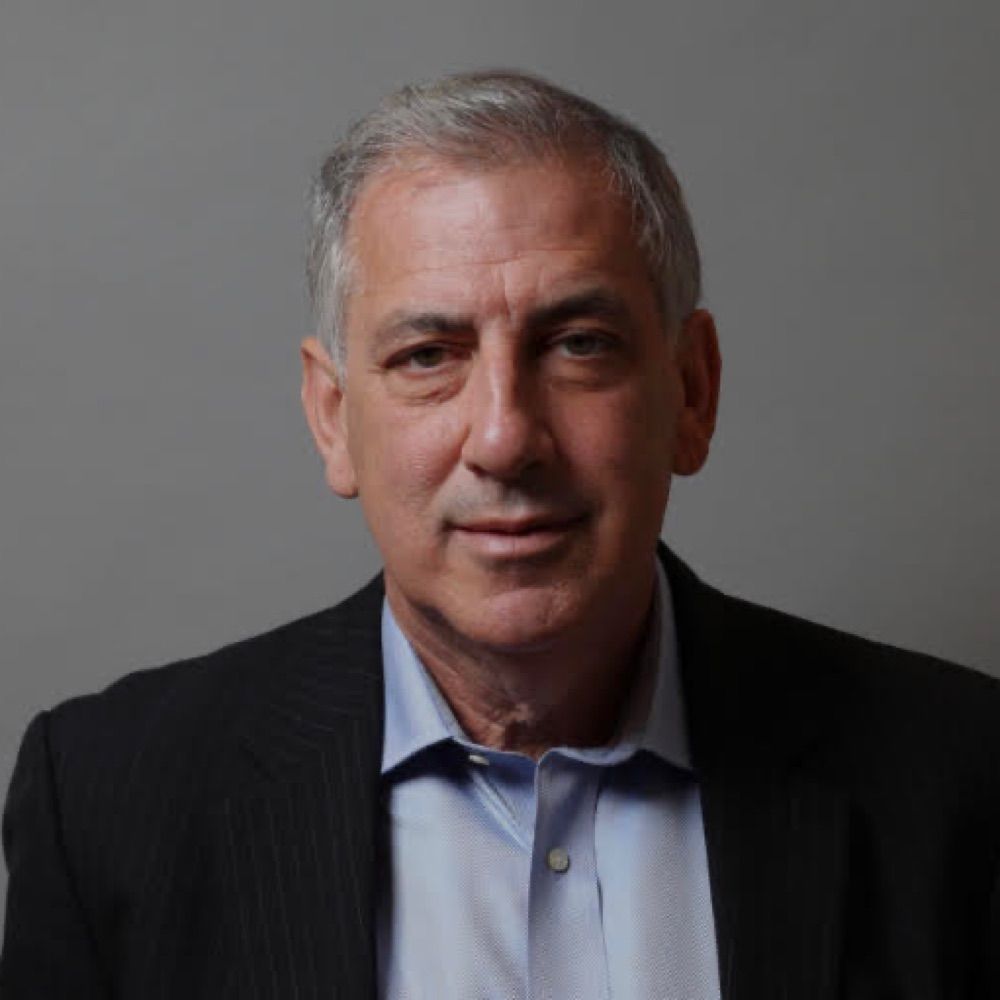
Join Gavin Newsom, Hillary Clinton, Adam Kinzinger and the growing pro democracy social network on Sez Us.
sez.us/l/3poxkym5
sez.us/l/3poxkym5

welcome and follow @hillaryclinton on Sez Us!
Welcome!
sez.us
July 13, 2025 at 4:28 PM
Join Gavin Newsom, Hillary Clinton, Adam Kinzinger and the growing pro democracy social network on Sez Us.
sez.us/l/3poxkym5
sez.us/l/3poxkym5