



Ron Pasieczna
@ronftbirds.bsky.social
they/them | zoologist & birder, big on nature conservation, ecology & wildlife recording. bird-ringer with Clyde RG 🦢🐦⬛🦆
📍Glasgow 🏴 🏳️🌈
📍Glasgow 🏴 🏳️🌈
Reposted by Ron Pasieczna

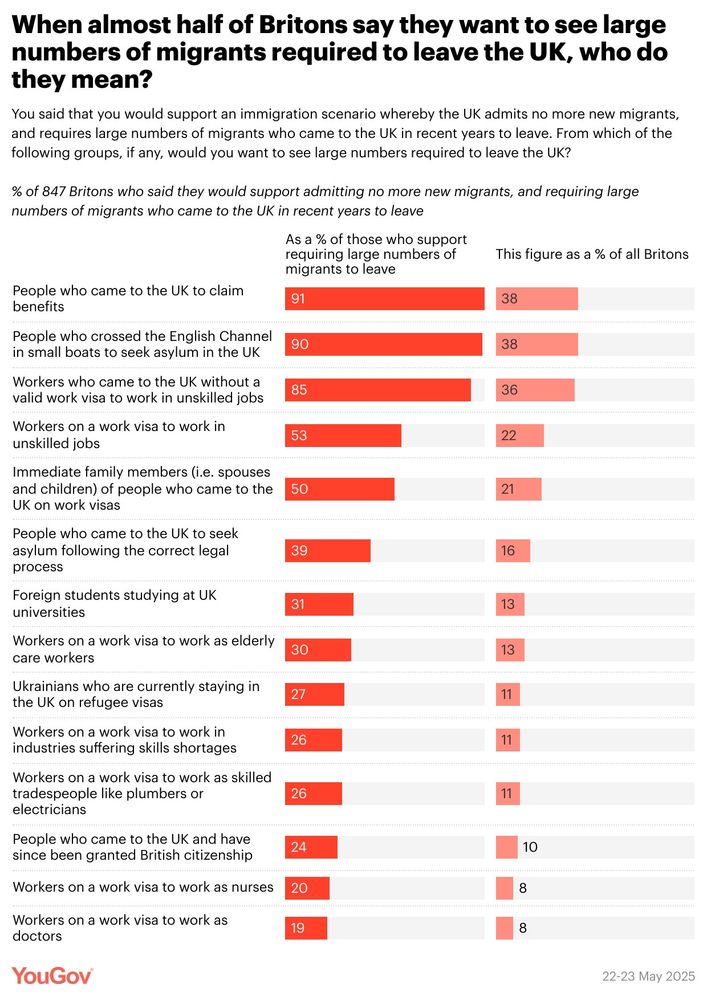
About a sixth of the public endorse very extreme views on making legal/settled migrants leave & then follow up on the specifics. (This overlaps with the 8% who say they support violence in protests & liked the riots, so it should be challenged, not indulged)
August 5, 2025 at 9:25 AM
About a sixth of the public endorse very extreme views on making legal/settled migrants leave & then follow up on the specifics. (This overlaps with the 8% who say they support violence in protests & liked the riots, so it should be challenged, not indulged)
Reposted by Ron Pasieczna

🧪🦣🏺 Who wants to hear a story about biotech billions, unscientific claims, and shoddy smear tactics attacking women in science*?
Thread 🧵
*which, for legal clarity, are totally denied as being connected
Thread 🧵
*which, for legal clarity, are totally denied as being connected

Academics who have questioned the validity of efforts to “de-extinct” animals like the woolly mammoth and the dire wolf have complained of an apparent campaign to discredit them.

Critics of de-extinction research hit by mystery smear campaign
Several researchers who have been critical of Colossal Biosciences’ plans to revive extinct animals say they have been targeted by online articles trying to discredit them
www.newscientist.com
August 1, 2025 at 2:01 PM
🧪🦣🏺 Who wants to hear a story about biotech billions, unscientific claims, and shoddy smear tactics attacking women in science*?
Thread 🧵
*which, for legal clarity, are totally denied as being connected
Thread 🧵
*which, for legal clarity, are totally denied as being connected
Reposted by Ron Pasieczna
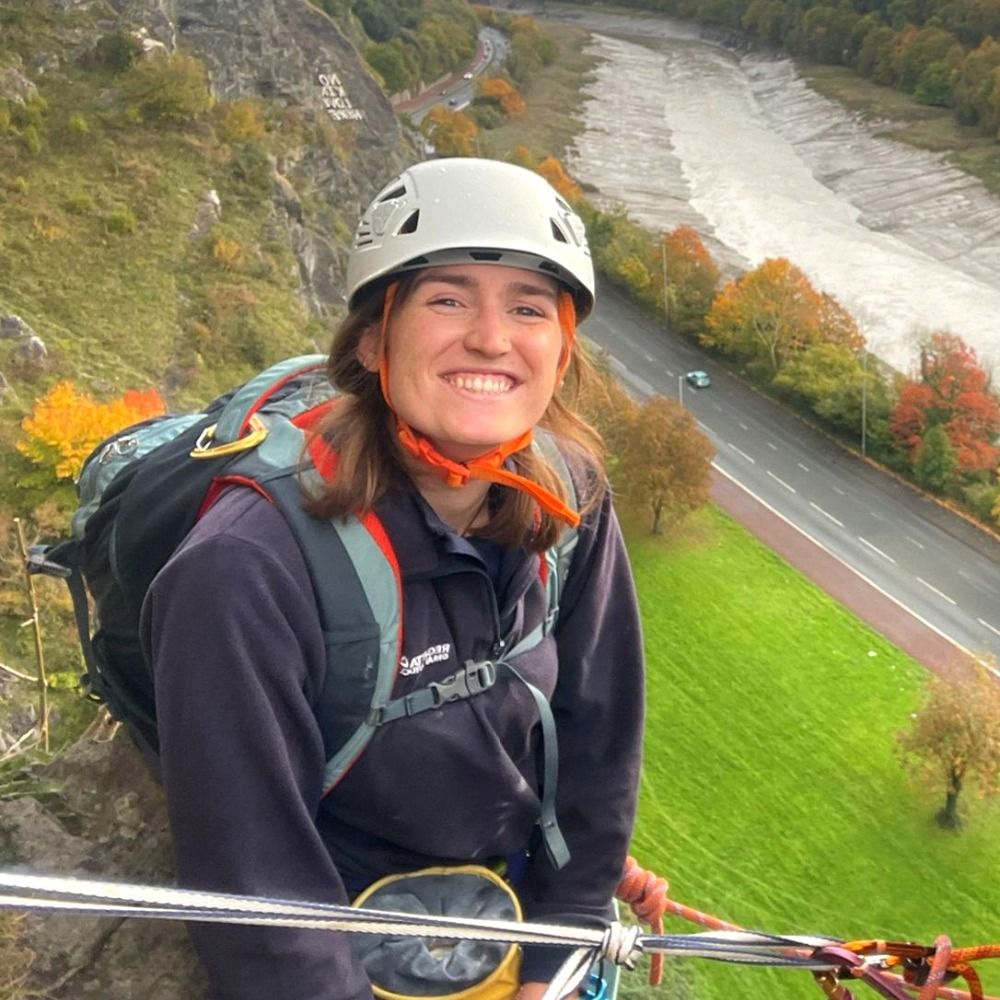
Really pleased to have contributed to this epic survey of >59,000 pairs of gannets! The St Kilda colony was less impacted by HPAI than other colonies, perhaps because steep cliffs reduced disease transmission. Flatter areas of the colony suffered greater losses.
#ornithology #seabirds #NTSseabirds
#ornithology #seabirds #NTSseabirds
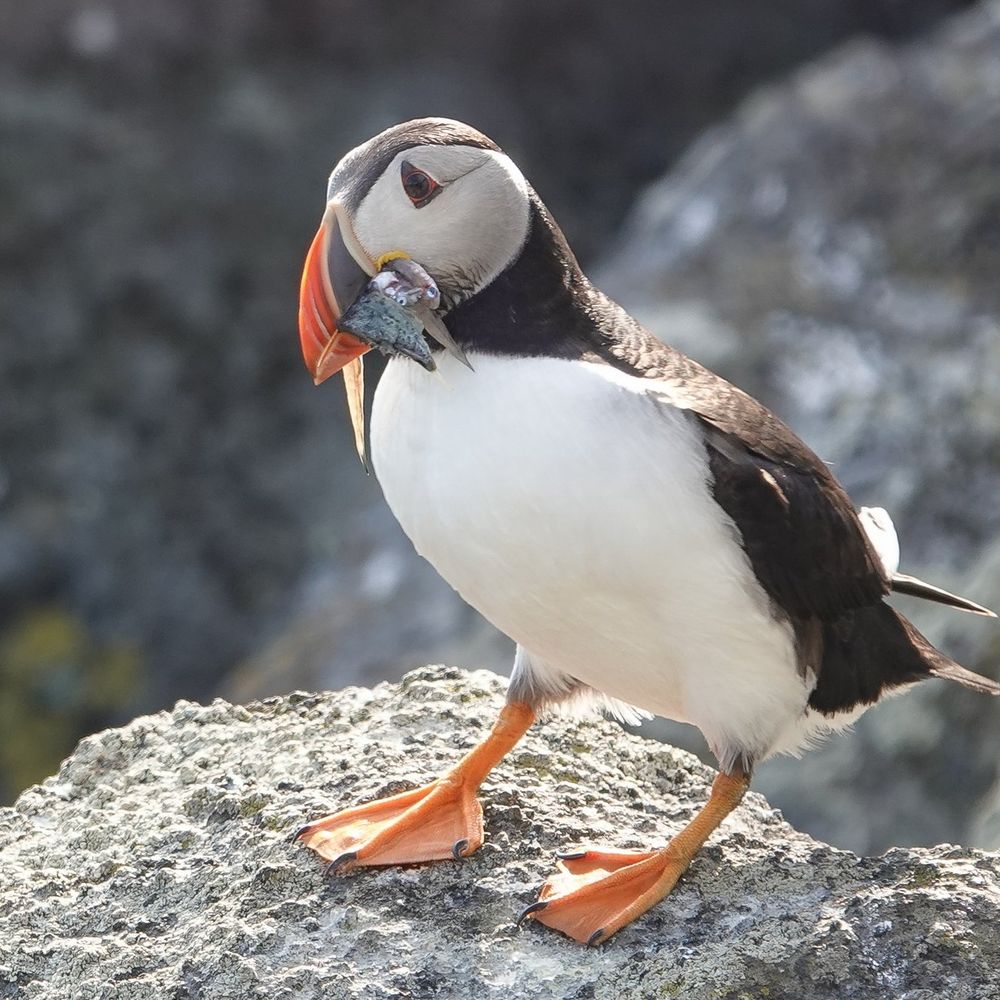
Results from the 2023 #StKilda Gannet census are to be published in the December issue of #ScottishBirds, revealing relative stability in what is once again the world's largest colony, despite fears that #HPAI may have had a greater impact on the population
#NTSSeabirds
@scottishbirding.bsky.social
#NTSSeabirds
@scottishbirding.bsky.social
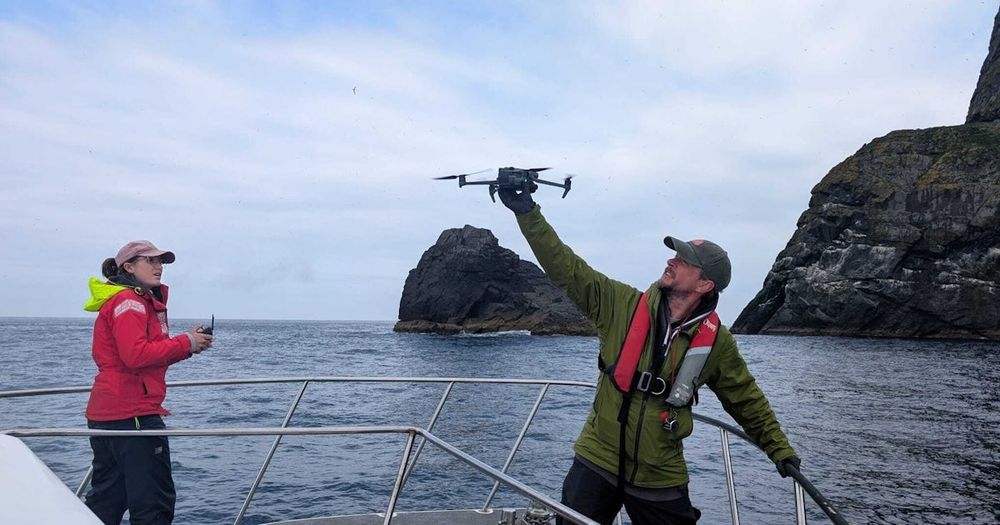
A bird’s-eye view of the gannet colony at St Kilda
The first drone census at St Kilda has revealed the islands are now home to the world’s largest gannet colony.
www.nts.org.uk
August 1, 2025 at 5:30 PM
Really pleased to have contributed to this epic survey of >59,000 pairs of gannets! The St Kilda colony was less impacted by HPAI than other colonies, perhaps because steep cliffs reduced disease transmission. Flatter areas of the colony suffered greater losses.
#ornithology #seabirds #NTSseabirds
#ornithology #seabirds #NTSseabirds
Reposted by Ron Pasieczna

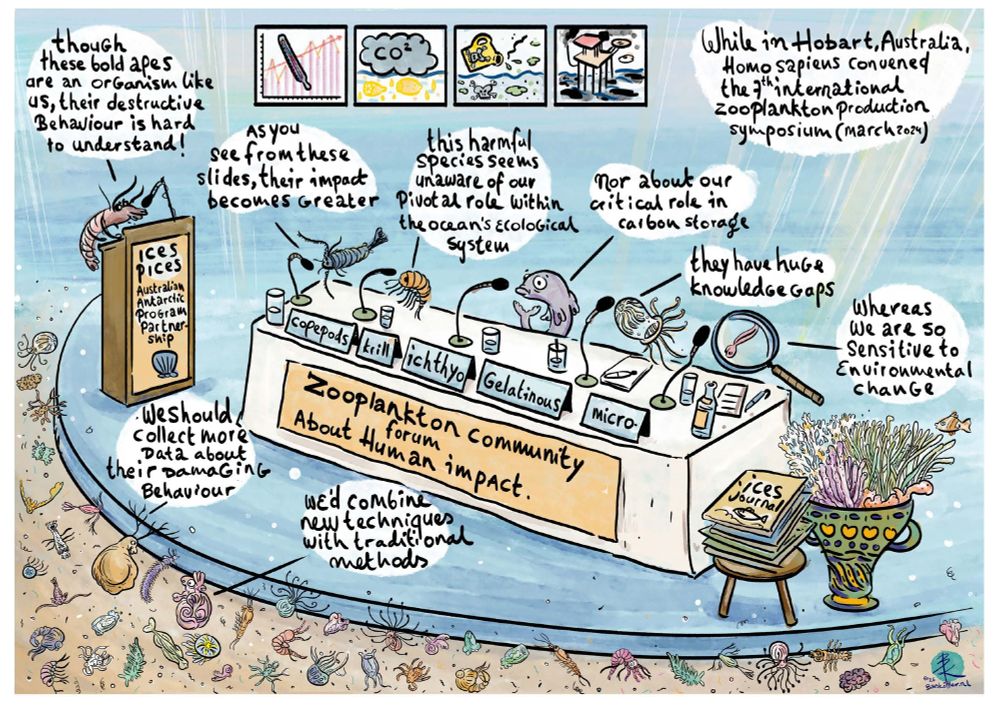
🌊 How do tiny zooplankton shape climate & marine ecosystems? The latest #IJMS symposium issue calls for global, sustained efforts to study zooplankton’s critical role in a changing ocean.
📖 Read more ➡️ www.ices.dk/news-and-eve...
📖 Read more ➡️ www.ices.dk/news-and-eve...
July 29, 2025 at 6:24 PM
🌊 How do tiny zooplankton shape climate & marine ecosystems? The latest #IJMS symposium issue calls for global, sustained efforts to study zooplankton’s critical role in a changing ocean.
📖 Read more ➡️ www.ices.dk/news-and-eve...
📖 Read more ➡️ www.ices.dk/news-and-eve...
Reposted by Ron Pasieczna

NEW on the #BOUdiversityBlog from Jamie Dunning
Why I don’t want to talk about my neurodivergence
bou.org.uk/blog-dunn...
#ornithology 🪶
Why I don’t want to talk about my neurodivergence
bou.org.uk/blog-dunn...
#ornithology 🪶
July 28, 2025 at 9:00 AM
NEW on the #BOUdiversityBlog from Jamie Dunning
Why I don’t want to talk about my neurodivergence
bou.org.uk/blog-dunn...
#ornithology 🪶
Why I don’t want to talk about my neurodivergence
bou.org.uk/blog-dunn...
#ornithology 🪶
Reposted by Ron Pasieczna

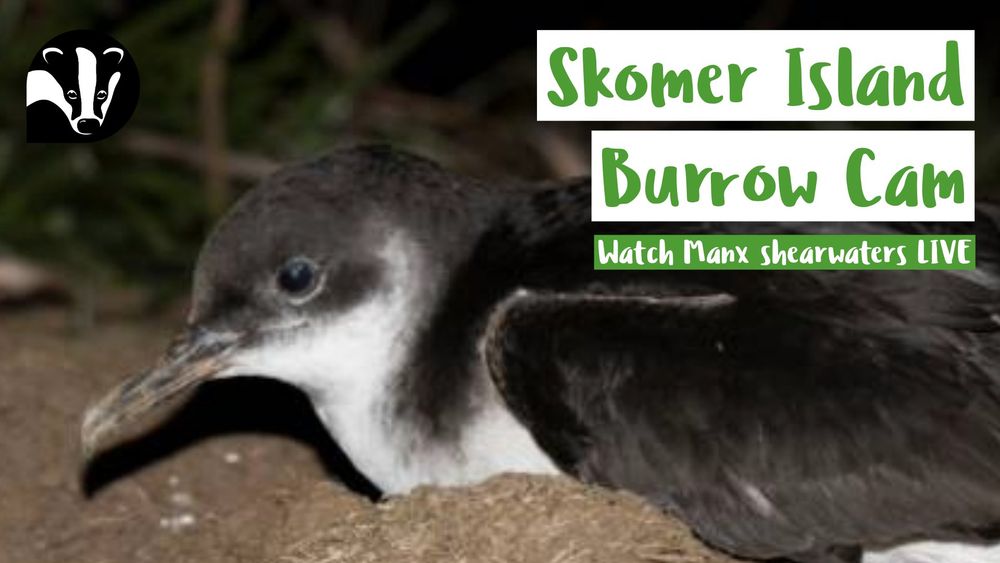
Our Burrow Cam livestream is back! Tune in to follow the journey of this Manx Shearwater chick as it grows and fledges the nest!
Watch Shearwaters live from Skomer: www.youtube.com/watch?v=-ihL7gTNKZE
📸 Chris Lawrence
#ManxShearwater #Seabirds #Skomer #WildlifeWebcams
Watch Shearwaters live from Skomer: www.youtube.com/watch?v=-ihL7gTNKZE
📸 Chris Lawrence
#ManxShearwater #Seabirds #Skomer #WildlifeWebcams
July 25, 2025 at 2:30 PM
Our Burrow Cam livestream is back! Tune in to follow the journey of this Manx Shearwater chick as it grows and fledges the nest!
Watch Shearwaters live from Skomer: www.youtube.com/watch?v=-ihL7gTNKZE
📸 Chris Lawrence
#ManxShearwater #Seabirds #Skomer #WildlifeWebcams
Watch Shearwaters live from Skomer: www.youtube.com/watch?v=-ihL7gTNKZE
📸 Chris Lawrence
#ManxShearwater #Seabirds #Skomer #WildlifeWebcams
Reposted by Ron Pasieczna

Word received via @jodiemhenderson.bsky.social who's holidaying on Skokholm this week of a fantastic Storm Petrel recovery: one of the 20 caught here in the early hours of Friday morning (02.15am) was recaught at Skokholm at 03.00am this morning - c280 miles via the tip of Cornwall in 25 hours!
July 26, 2025 at 4:30 PM
Word received via @jodiemhenderson.bsky.social who's holidaying on Skokholm this week of a fantastic Storm Petrel recovery: one of the 20 caught here in the early hours of Friday morning (02.15am) was recaught at Skokholm at 03.00am this morning - c280 miles via the tip of Cornwall in 25 hours!
Reposted by Ron Pasieczna

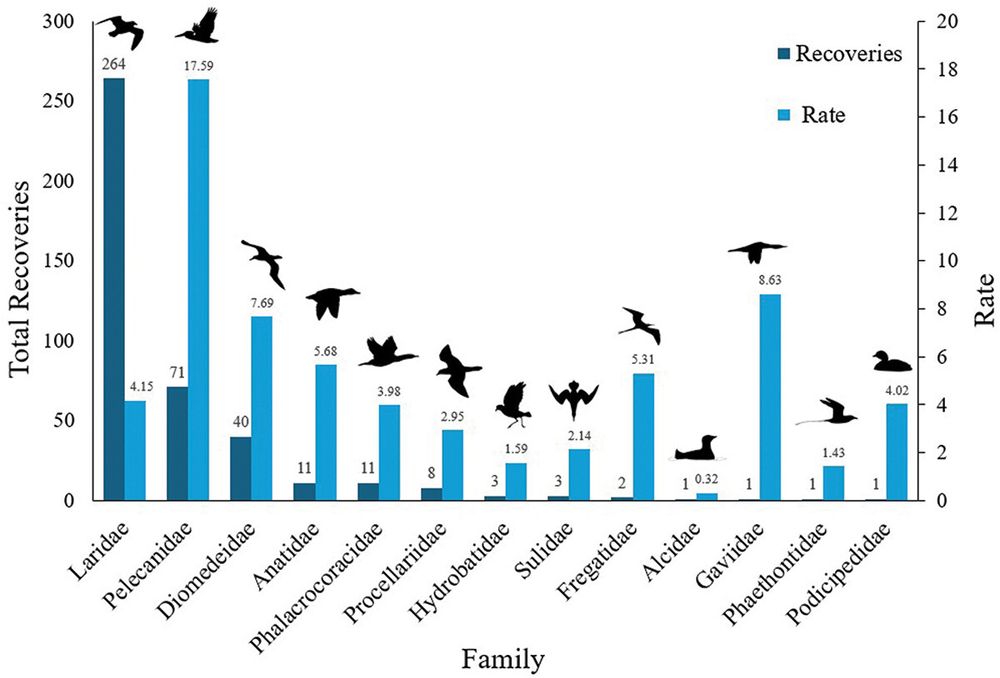
There's a new guest post on the WOS blog! Riley Lawson describes the backstory of his recent paper in The Wilson Journal of #Ornithology, which documents the underappreciated threat that collisions with anthropogenic structures pose to #seabirds. wilsonsociety.org/2025/07/28/g...
July 28, 2025 at 8:08 PM
There's a new guest post on the WOS blog! Riley Lawson describes the backstory of his recent paper in The Wilson Journal of #Ornithology, which documents the underappreciated threat that collisions with anthropogenic structures pose to #seabirds. wilsonsociety.org/2025/07/28/g...
Reposted by Ron Pasieczna

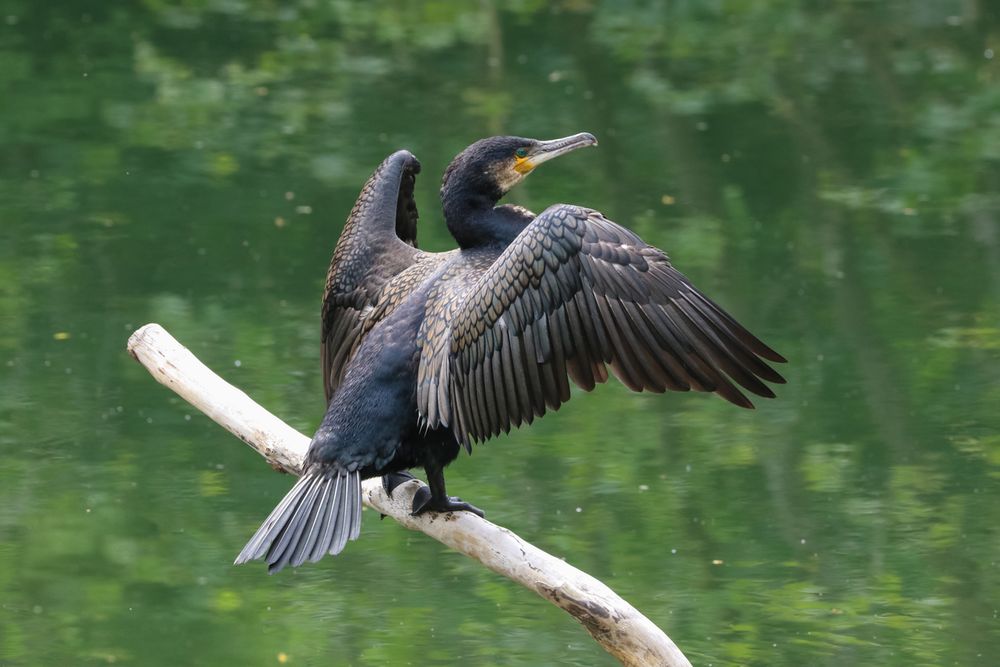
Latest Cormorant indices released for England
The Cormorant population in England increased since monitoring began in the late 1980s. However, the latest results suggest a recent levelling off jncc.gov.uk/our-work/cor...
The Cormorant population in England increased since monitoring began in the late 1980s. However, the latest results suggest a recent levelling off jncc.gov.uk/our-work/cor...
July 24, 2025 at 10:48 AM
Latest Cormorant indices released for England
The Cormorant population in England increased since monitoring began in the late 1980s. However, the latest results suggest a recent levelling off jncc.gov.uk/our-work/cor...
The Cormorant population in England increased since monitoring began in the late 1980s. However, the latest results suggest a recent levelling off jncc.gov.uk/our-work/cor...
Reposted by Ron Pasieczna

Protection on paper isn’t enough. Real conservation needs real enforcement. Two new studies serve as the latest wake-up call for closing the gap between promise and practice.
#OceanConservation #MPARealityCheck #ProtectWhatMatters
#OceanConservation #MPARealityCheck #ProtectWhatMatters
July 24, 2025 at 9:26 PM
Protection on paper isn’t enough. Real conservation needs real enforcement. Two new studies serve as the latest wake-up call for closing the gap between promise and practice.
#OceanConservation #MPARealityCheck #ProtectWhatMatters
#OceanConservation #MPARealityCheck #ProtectWhatMatters
Reposted by Ron Pasieczna

Today is #EarthOvershootDay — the day when humanity’s demands on nature surpass Earth’s ability to replenish itself in a year. This year’s date (a week earlier than 2024) means that people are using nature 1.8 times faster than Earth can replenish itself.
Learn more about the day ⬇️
Learn more about the day ⬇️
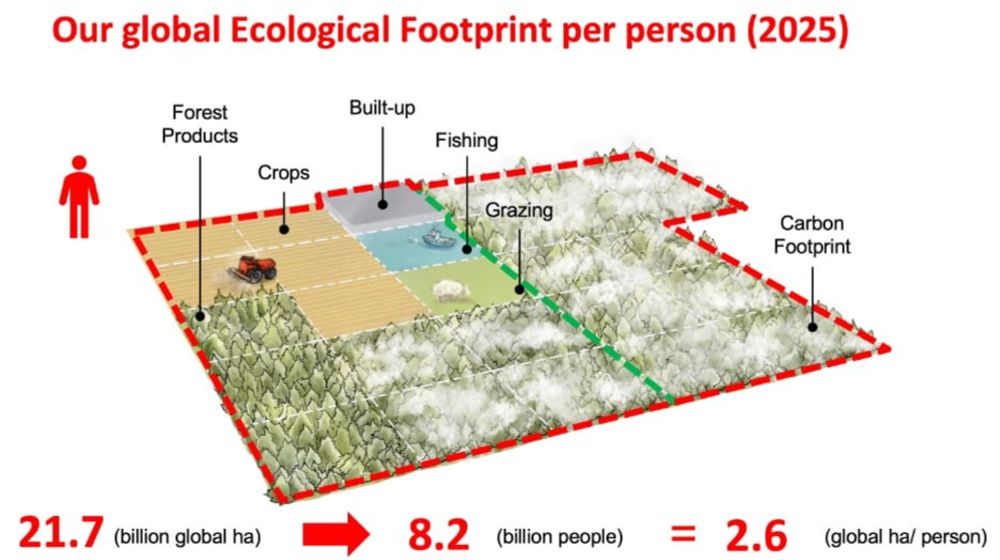
Home - Global Footprint Network
The Ecological Footprint metric shows how much nature we use compared to how much nature we have.
www.footprintnetwork.org
July 24, 2025 at 8:44 PM
Today is #EarthOvershootDay — the day when humanity’s demands on nature surpass Earth’s ability to replenish itself in a year. This year’s date (a week earlier than 2024) means that people are using nature 1.8 times faster than Earth can replenish itself.
Learn more about the day ⬇️
Learn more about the day ⬇️
Reposted by Ron Pasieczna

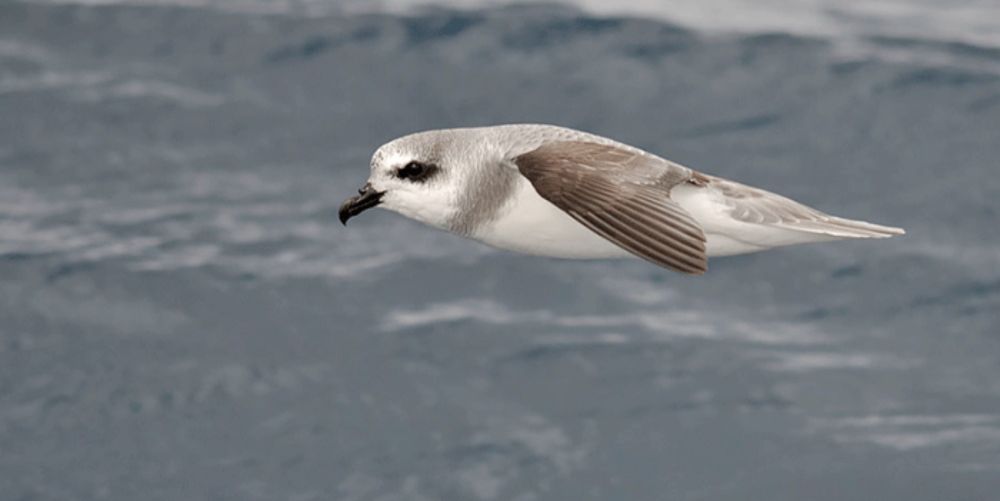
Conservation's Blind Side: Seabird Moult Overlooked in Marine Policy
New global study finds gadfly petrels moult during breeding and migration in warm, unproductive seas, reshaping our understanding of seabird vulnerability at sea www.rarebirdalert.co.uk/v2/Content/C...
New global study finds gadfly petrels moult during breeding and migration in warm, unproductive seas, reshaping our understanding of seabird vulnerability at sea www.rarebirdalert.co.uk/v2/Content/C...
Conservation's Blind Side: Seabird Moult Overlooked in Marine Policy
New global study finds gadfly petrels moult during breeding and migration in warm, unproductive seas, reshaping our understanding of seabird vulnerability at sea
www.rarebirdalert.co.uk
July 24, 2025 at 8:46 PM
Conservation's Blind Side: Seabird Moult Overlooked in Marine Policy
New global study finds gadfly petrels moult during breeding and migration in warm, unproductive seas, reshaping our understanding of seabird vulnerability at sea www.rarebirdalert.co.uk/v2/Content/C...
New global study finds gadfly petrels moult during breeding and migration in warm, unproductive seas, reshaping our understanding of seabird vulnerability at sea www.rarebirdalert.co.uk/v2/Content/C...
Reposted by Ron Pasieczna

The regulator, Environment Agency, has cancelled 1000s of water quality tests. “The work affected by the cuts to testing this year included investigations into the water industry in various parts of the country and monitoring of protected areas including the River Wye”. www.bbc.co.uk/news/article...
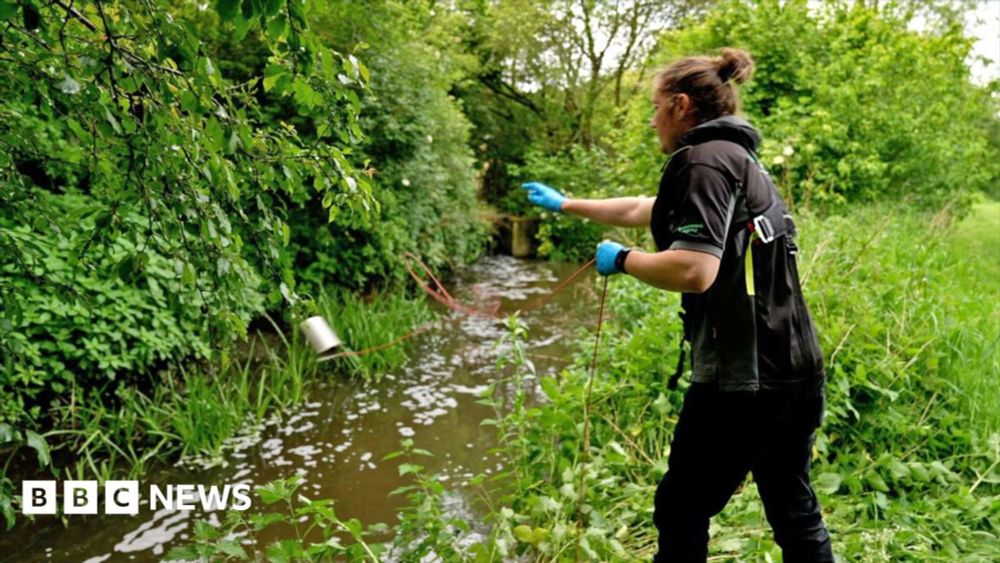
Thousands of pollution tests cancelled due to lack of staff
Testing programmes affected include those monitoring the impact of drought.
www.bbc.co.uk
July 24, 2025 at 4:15 PM
The regulator, Environment Agency, has cancelled 1000s of water quality tests. “The work affected by the cuts to testing this year included investigations into the water industry in various parts of the country and monitoring of protected areas including the River Wye”. www.bbc.co.uk/news/article...
Reposted by Ron Pasieczna

One of the most common science myths is that we need 10k steps a day...a number originating from a Japanese ad.
In general, the more steps the better, right? However, several studies now identify inflection points around 7k as significantly reducing many health risks, from heart to dementia.
In general, the more steps the better, right? However, several studies now identify inflection points around 7k as significantly reducing many health risks, from heart to dementia.
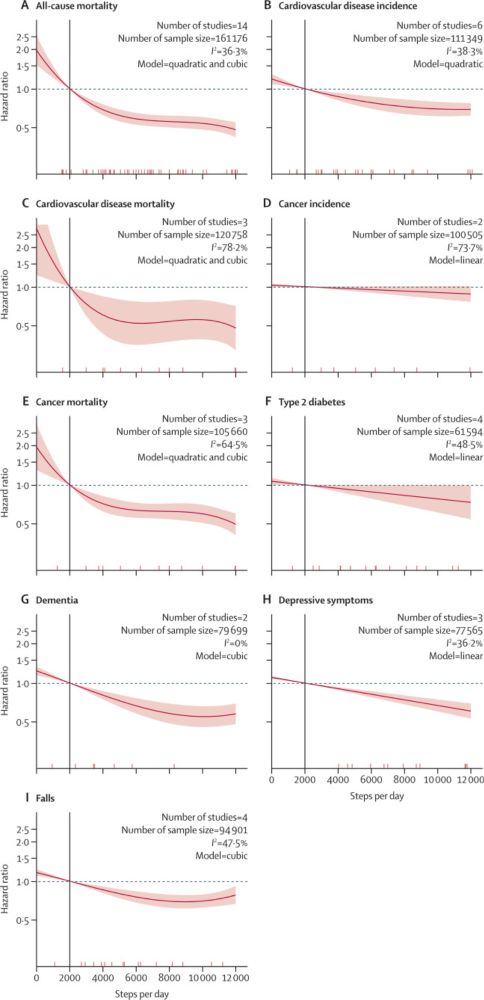
Daily steps and health outcomes in adults: a systematic review and dose-response meta-analysis
Although 10 000 steps per day can still be a viable target for those who are more
active, 7000 steps per day is associated with clinically meaningful improvements in
health outcomes and might be a mor...
www.thelancet.com
July 24, 2025 at 4:32 PM
One of the most common science myths is that we need 10k steps a day...a number originating from a Japanese ad.
In general, the more steps the better, right? However, several studies now identify inflection points around 7k as significantly reducing many health risks, from heart to dementia.
In general, the more steps the better, right? However, several studies now identify inflection points around 7k as significantly reducing many health risks, from heart to dementia.
Reposted by Ron Pasieczna

☕ Species of the Month: Wild Arabica coffee
The plant behind 60% of the world’s coffee is listed as Endangered on the IUCN Red List. Yes, wild Coffea arabica is in trouble. #PlantScience
The plant behind 60% of the world’s coffee is listed as Endangered on the IUCN Red List. Yes, wild Coffea arabica is in trouble. #PlantScience

July 24, 2025 at 3:30 PM
☕ Species of the Month: Wild Arabica coffee
The plant behind 60% of the world’s coffee is listed as Endangered on the IUCN Red List. Yes, wild Coffea arabica is in trouble. #PlantScience
The plant behind 60% of the world’s coffee is listed as Endangered on the IUCN Red List. Yes, wild Coffea arabica is in trouble. #PlantScience
Reposted by Ron Pasieczna

Bats save the economy billions by acting as natural insecticides , yet they don't count in GDP calculations like pesticides do.
In this blog, Matilda Dunn, policy analyst, shares reflections on how to make nature visible in decision making: buff.ly/qbqIN8J
In this blog, Matilda Dunn, policy analyst, shares reflections on how to make nature visible in decision making: buff.ly/qbqIN8J
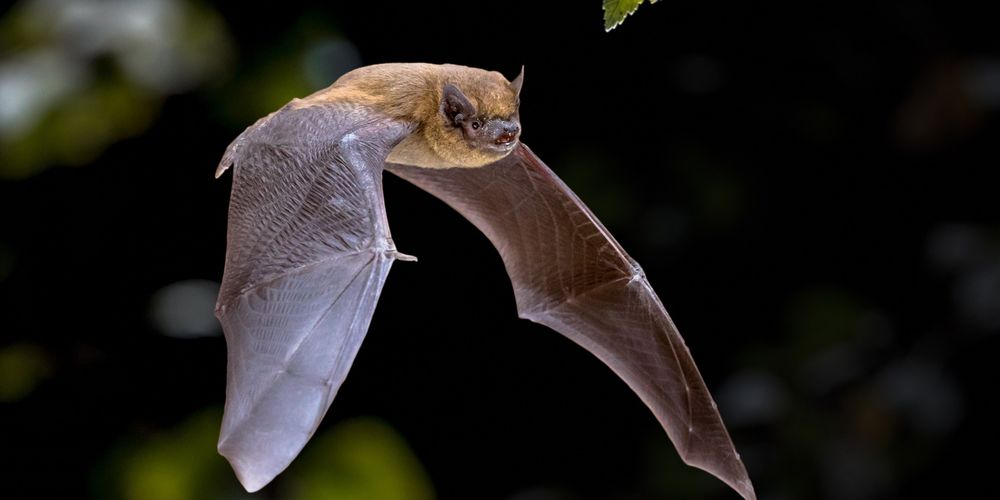
Why nature must be made visible in decision making
Too often, nature is treated as a constraint to development. The prime minister’s comments earlier this year about the impact of bat conservation on the completion of HS2, sparked frustration within the conservation community, as this unhelpfully framed nature as being in conflict with economic growth.
greenallianceblog.org.uk
July 24, 2025 at 10:00 AM
Bats save the economy billions by acting as natural insecticides , yet they don't count in GDP calculations like pesticides do.
In this blog, Matilda Dunn, policy analyst, shares reflections on how to make nature visible in decision making: buff.ly/qbqIN8J
In this blog, Matilda Dunn, policy analyst, shares reflections on how to make nature visible in decision making: buff.ly/qbqIN8J
I'm so glad to hear this. Let's hope something effective actually comes out of it www.gov.uk/government/n...
Government publishes plan to address presence of chemicals from pet flea and tick treatments in UK waterways
New plans to address the presence of chemicals from flea and tick treatments in rivers and streams across the UK have been unveiled today
www.gov.uk
July 23, 2025 at 7:37 PM
I'm so glad to hear this. Let's hope something effective actually comes out of it www.gov.uk/government/n...
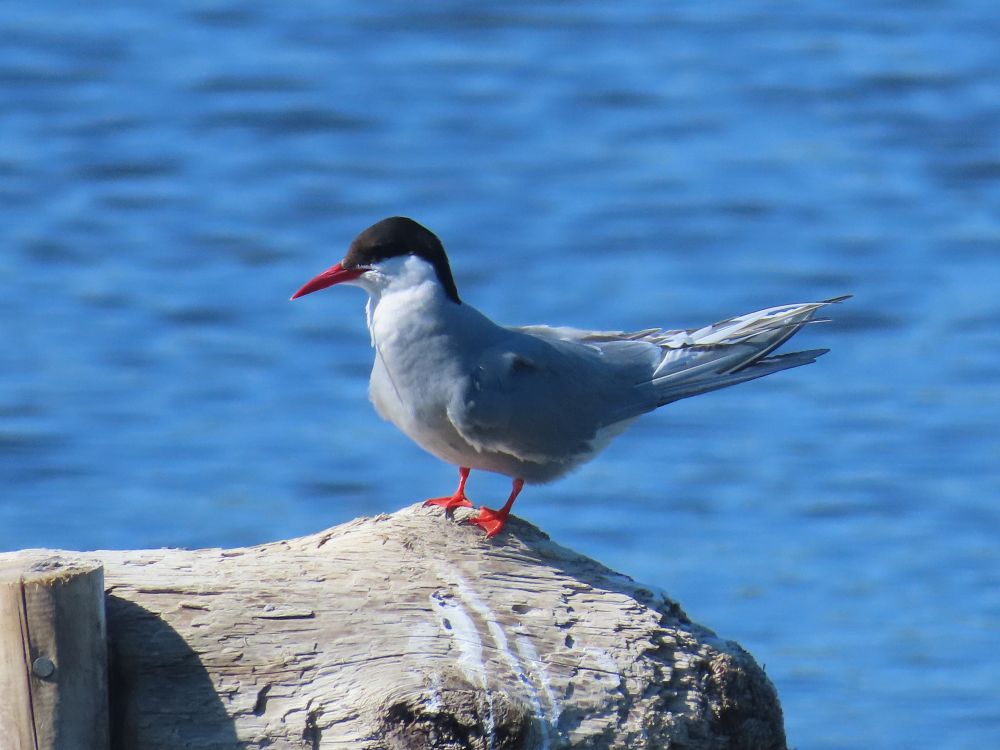
Reposted by Ron Pasieczna

A young Sri Lankan scientist, Himesh Jayasinghe, has rediscovered more than 100 of 177 possibly extinct species in Sri Lanka as well as three of five extinct species and both species previously considered extinct in the wild.
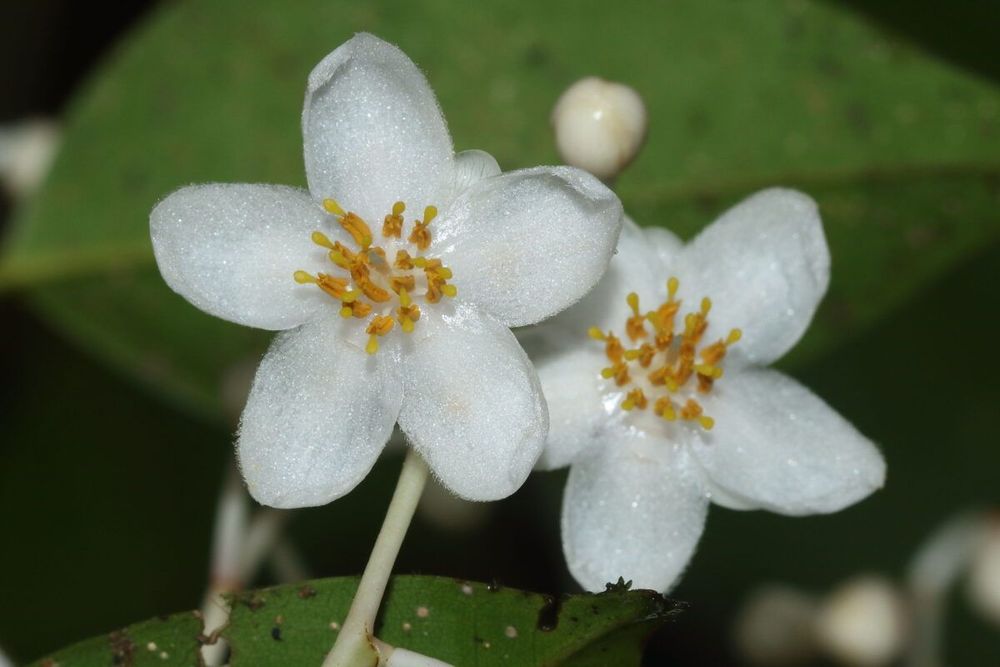
Sri Lanka’s plant messiah spreads optimism for biodiversity & conservation
When the government of Sri Lanka published the National Red List of threatened plants in 2020, my eyebrows shot up. We’ve all become accustomed, after all, to the grim news these reports…
news.mongabay.com
July 22, 2025 at 8:01 PM
A young Sri Lankan scientist, Himesh Jayasinghe, has rediscovered more than 100 of 177 possibly extinct species in Sri Lanka as well as three of five extinct species and both species previously considered extinct in the wild.
Reposted by Ron Pasieczna

Now online in Journal of #Ornithology
The potential of White Stork (Ciconia ciconia) nest lining to evaluate the functional diversity of Coleopteran fauna
Open access
link.springer.com/article/10.1...
The potential of White Stork (Ciconia ciconia) nest lining to evaluate the functional diversity of Coleopteran fauna
Open access
link.springer.com/article/10.1...
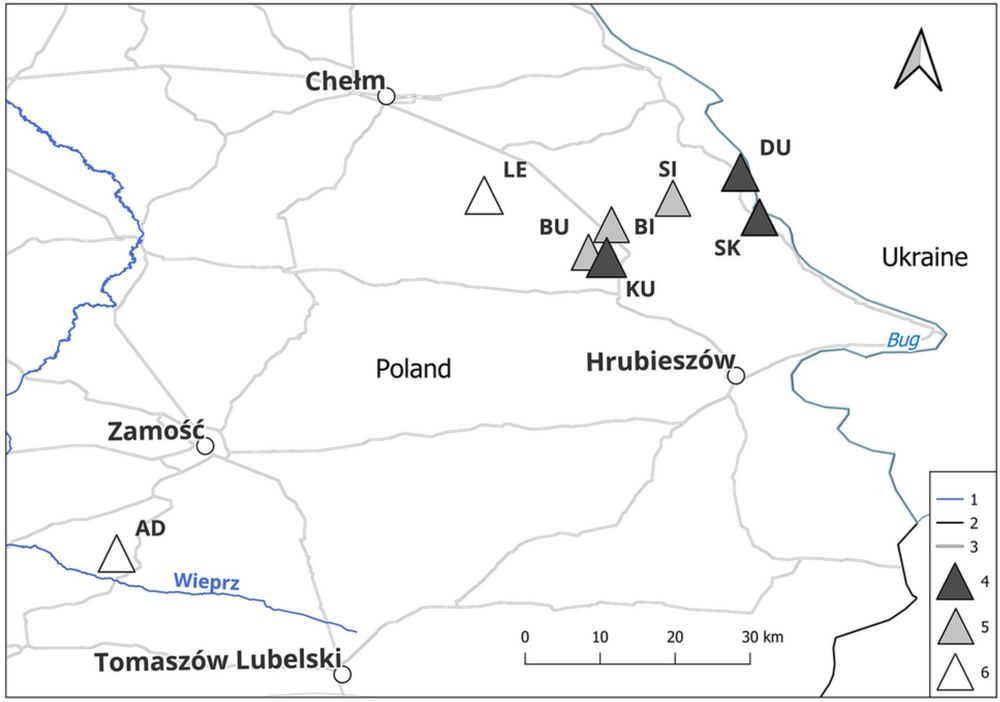
The potential of White Stork (Ciconia ciconia) nest lining to evaluate the functional diversity of Coleopteran fauna - Journal of Ornithology
Collecting arthropod samples is usually very invasive because these organisms die during sampling, and it is hard to obtain a statistically robust sample. The availability of arthropods is critical for the survival of the youngest White Stork (Ciconia ciconia) nestlings and impacting the productivity of this species populations; thus, the species is a strong predator of a variety of epigeic insects. At the time of progressive drying of climatic conditions due to climate change or/and in dry habitats replacing wetlands, the role of termophilic taxa as certain Coleoptera in nestling diet is often underestimated. Here, we evaluated the Coleopteran component of the diet of the White Stork nestlings using the nest lining material consisting of fragmented remains of regurgitated pellets and soil-like material, and related the community indices of Coleopteran fauna to the landscape structure within a radius of 2.5 km around nests. In eight nests collected in SE Poland, we found a massive accumulation of beetle remains representing 32,277 individual Coleopteran prey items, from which 17,252 were identified to the family level. Our analysis showed a significant relationship between the landscape structure and beetle communities, as well as the abundance of dominant prey taxa and the share of three major functional guilds (herbivores, scavengers, and predators). The significant contribution of scavengers was associated with a high proportion of forests around the nest and decreased with increasing proportion of arable lands and mixed crops, while the high proportion of herbivorous and predatory beetles was associated with a high share of arable lands. We showed that the analysis of nest lining material, mainly the remains of pellets, provides taxonomically informative data on beetle communities and can be a valuable tool in bioindicative assessments of Coleopteran biodiversity. Given the widespread nesting of White Stork near landfills (increasing the productivity of their local populations), further studies assessing the role of the Coleopteran component, particularly the contribution of necrophagous or saprophagous beetles, in the diet of early nestlings of this bird species are essential.
link.springer.com
July 21, 2025 at 1:55 PM
Now online in Journal of #Ornithology
The potential of White Stork (Ciconia ciconia) nest lining to evaluate the functional diversity of Coleopteran fauna
Open access
link.springer.com/article/10.1...
The potential of White Stork (Ciconia ciconia) nest lining to evaluate the functional diversity of Coleopteran fauna
Open access
link.springer.com/article/10.1...
Reposted by Ron Pasieczna

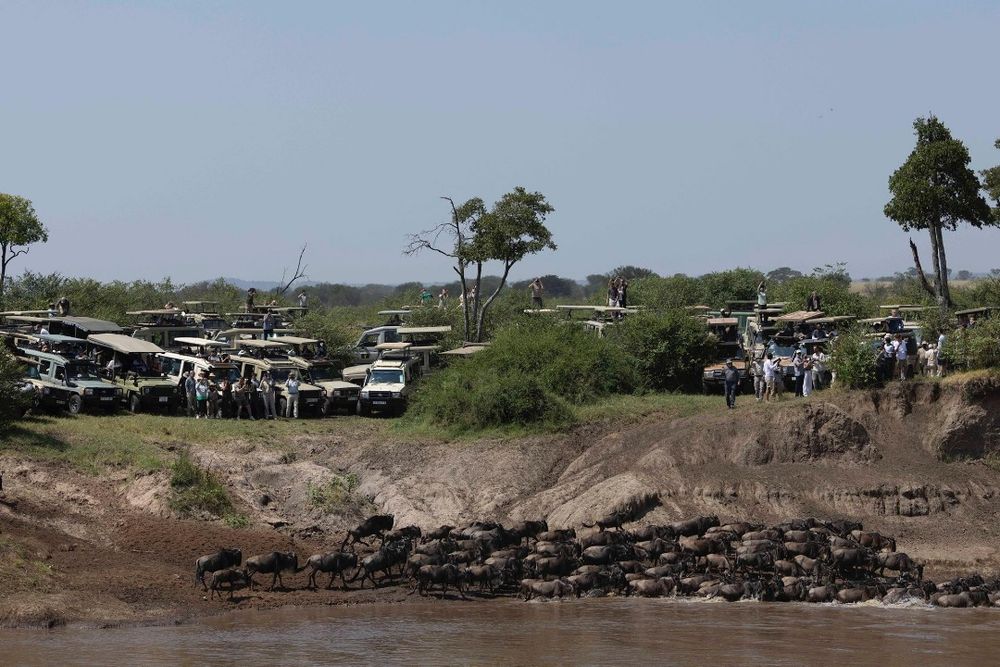
I guess now they're crossing that river, whether they wanted to or not.
July 21, 2025 at 4:58 PM
I guess now they're crossing that river, whether they wanted to or not.
Reposted by Ron Pasieczna
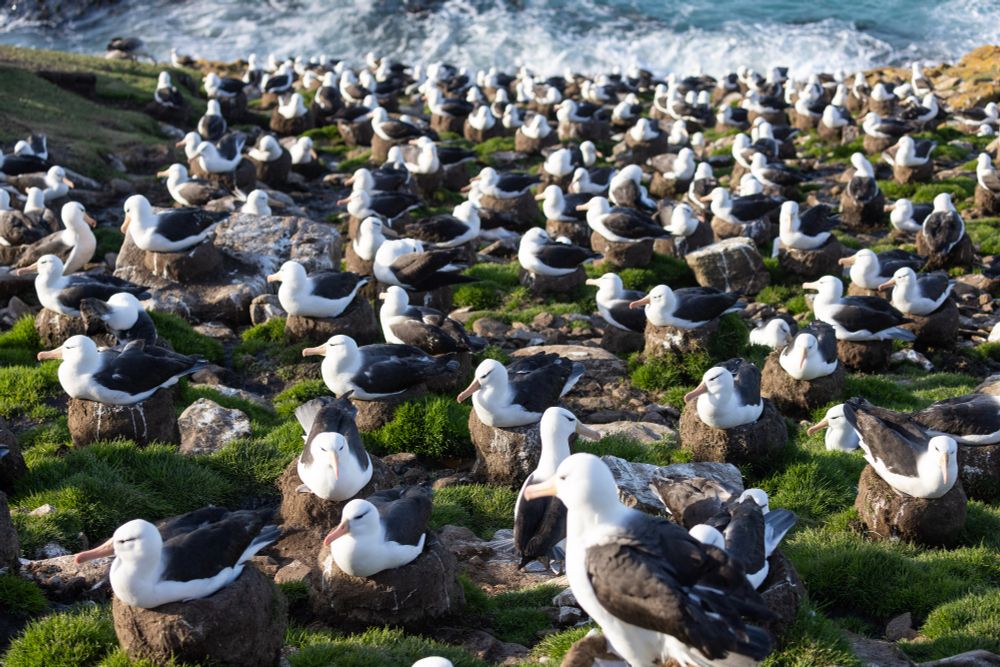
A black-browed albatross rookery at Saunders Island in the Falklands #birds #seabirds #albatross #falklandislands #nature #southatlantic #nature #saundersisland #flight #wildlife #hatching #blackbrowedalbatross #hatchling #DailyNature
July 20, 2025 at 4:17 PM
A black-browed albatross rookery at Saunders Island in the Falklands #birds #seabirds #albatross #falklandislands #nature #southatlantic #nature #saundersisland #flight #wildlife #hatching #blackbrowedalbatross #hatchling #DailyNature
Reposted by Ron Pasieczna
Share with a birdwatching friend?
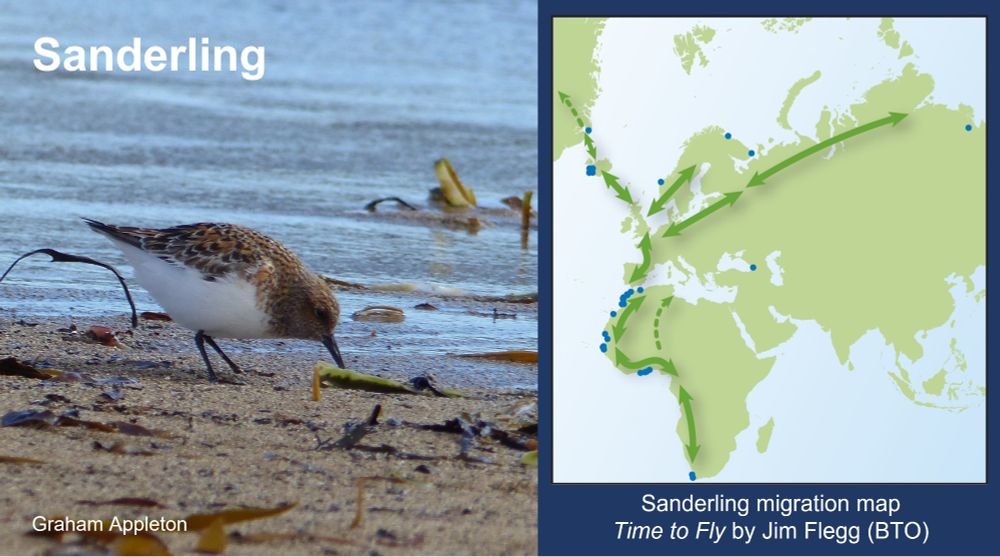
This blog abou the migration of waders to/through/from Britain and Ireland has been read by over 16,000 people since publication on 20 July 2017 🎂8️⃣
wadertales.wordpress.com/2017/07/20/w...
Blog about Sanderling:
wadertales.wordpress.com/2019/10/04/t...
#ornithology
This blog abou the migration of waders to/through/from Britain and Ireland has been read by over 16,000 people since publication on 20 July 2017 🎂8️⃣
wadertales.wordpress.com/2017/07/20/w...
Blog about Sanderling:
wadertales.wordpress.com/2019/10/04/t...
#ornithology
July 20, 2025 at 7:15 AM
Share with a birdwatching friend?
This blog abou the migration of waders to/through/from Britain and Ireland has been read by over 16,000 people since publication on 20 July 2017 🎂8️⃣
wadertales.wordpress.com/2017/07/20/w...
Blog about Sanderling:
wadertales.wordpress.com/2019/10/04/t...
#ornithology
This blog abou the migration of waders to/through/from Britain and Ireland has been read by over 16,000 people since publication on 20 July 2017 🎂8️⃣
wadertales.wordpress.com/2017/07/20/w...
Blog about Sanderling:
wadertales.wordpress.com/2019/10/04/t...
#ornithology
Reposted by Ron Pasieczna
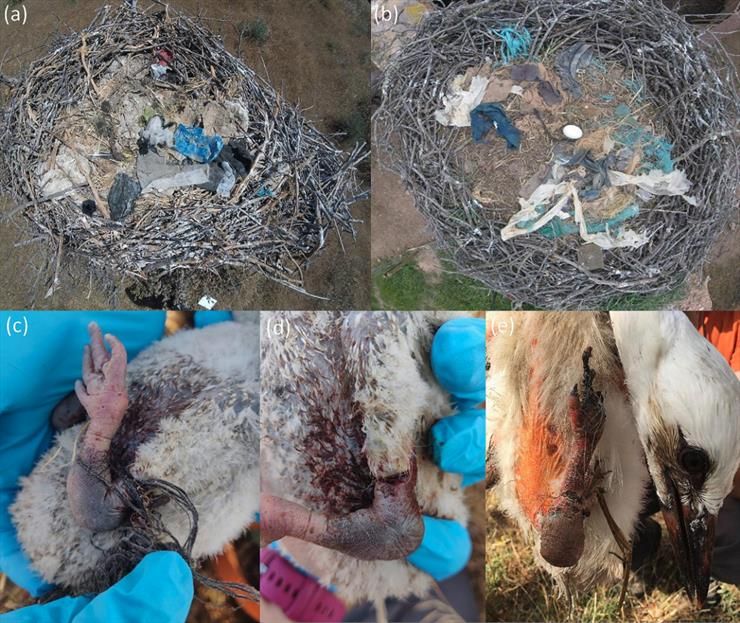
A death trap in the nest: anthropogenic nest materials cause high mortality in a terrestrial bird | www.sciencedirect.co... | Ecological Indicators | #ornithology 🪶
July 21, 2025 at 3:30 PM
A death trap in the nest: anthropogenic nest materials cause high mortality in a terrestrial bird | www.sciencedirect.co... | Ecological Indicators | #ornithology 🪶
Reposted by Ron Pasieczna

If you were born between 1970-1990 you may not have full MMR protection, even if you had parents who took you for all your jabs. The NHS will give you a free booster. With cases surging, this is a great way to protect yourself & your community. I’m getting mine tomorrow www.nhs.uk/vaccinations...
July 20, 2025 at 10:54 AM
If you were born between 1970-1990 you may not have full MMR protection, even if you had parents who took you for all your jabs. The NHS will give you a free booster. With cases surging, this is a great way to protect yourself & your community. I’m getting mine tomorrow www.nhs.uk/vaccinations...