



Maida Garcia
@maidainmtl.bsky.social
Postdoctoral researcher. PhD in Geography. Political ecologist, biodiversity conservation and society. 🇨🇱🇨🇦. Escribo aquí en castellano y en inglés.
Next Thursday, November 20, we are hosting a webinar with Quebec, California, and the International Indigenous Forum on Biodiversity, organized by the CBD and IUCN-WCPA. The dialogue will focus on Subnational approaches and diverse governance models.

📢 New Webinar: Subnational Approaches and Diverse Governance Models for Target 3
🗓️ Nov 20 (11:00 ET)
Join our Community of Practice webinar on how subnational governments, Indigenous Peoples, and communities advance 30x30.
🔗 Registration: zoom.us/webinar/regi...
#KMGBF #ForNature #UNBiodiversity
🗓️ Nov 20 (11:00 ET)
Join our Community of Practice webinar on how subnational governments, Indigenous Peoples, and communities advance 30x30.
🔗 Registration: zoom.us/webinar/regi...
#KMGBF #ForNature #UNBiodiversity

November 13, 2025 at 6:20 PM
Next Thursday, November 20, we are hosting a webinar with Quebec, California, and the International Indigenous Forum on Biodiversity, organized by the CBD and IUCN-WCPA. The dialogue will focus on Subnational approaches and diverse governance models.
We are proposing a motion for the IUCN Congress for the legal recognition of trails as connectors that have enabled people and are increasingly privatized or transformed into roads. #iucncongress
March 27, 2025 at 12:54 PM
We are proposing a motion for the IUCN Congress for the legal recognition of trails as connectors that have enabled people and are increasingly privatized or transformed into roads. #iucncongress
Reposted by Maida Garcia

West Papua’s Indigenous people have called for a boycott of KitKat, Smarties and Aero chocolate, Oreo biscuits and Ritz crackers, Pantene and Herbal Essences, over alleged ecocide in their territory
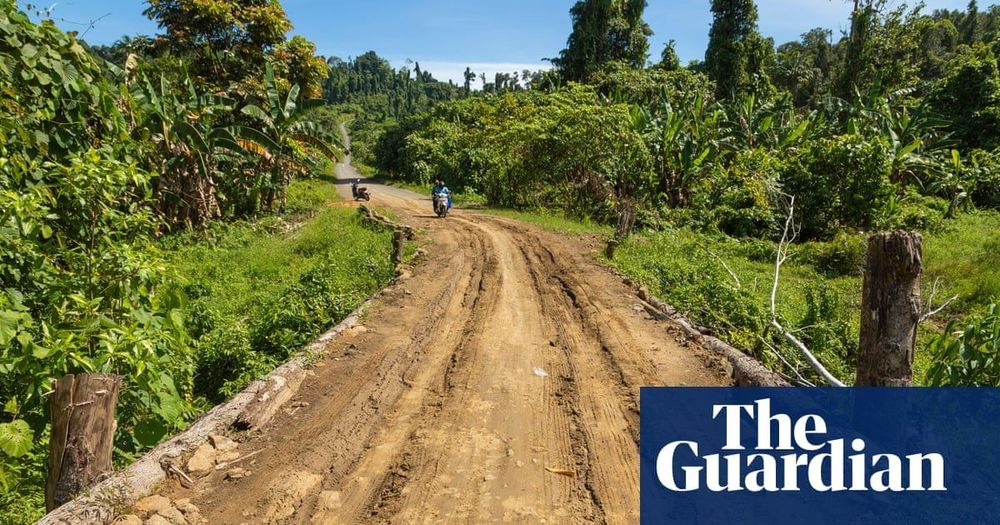
West Papuan Indigenous people call for KitKat boycott over alleged ecocide
Thousands of acres of rainforest is being cleared to produce palm oil, used in popular Nestlé and Mondelēz brands
buff.ly
March 23, 2025 at 9:05 AM
West Papua’s Indigenous people have called for a boycott of KitKat, Smarties and Aero chocolate, Oreo biscuits and Ritz crackers, Pantene and Herbal Essences, over alleged ecocide in their territory
Reposted by Maida Garcia

A damning confirmation of how tax-payer money, in the form of government subsidies, tends to support the most envrionmentally harmful activities.
"Economic sectors that drive nature decline are heavily subsidized and produce large environmental externalities."
link.springer.com/article/10.1...
"Economic sectors that drive nature decline are heavily subsidized and produce large environmental externalities."
link.springer.com/article/10.1...

The costs of subsidies and externalities of economic activities driving nature decline - Ambio
Economic sectors that drive nature decline are heavily subsidized and produce large environmental externalities. Calls are increasing to reform or eliminate subsidies and internalize the environmental...
link.springer.com
March 17, 2025 at 6:10 PM
A damning confirmation of how tax-payer money, in the form of government subsidies, tends to support the most envrionmentally harmful activities.
"Economic sectors that drive nature decline are heavily subsidized and produce large environmental externalities."
link.springer.com/article/10.1...
"Economic sectors that drive nature decline are heavily subsidized and produce large environmental externalities."
link.springer.com/article/10.1...
For years I wanted to understand the real power of solar panels . Well instead of moving forward on big energy transitions technologies it seems that the answer is on our roofs .

Rooftop solar could supply two-thirds of global power, study finds
www.pv-magazine.com/2025/03/13/r...
www.pv-magazine.com/2025/03/13/r...

Rooftop solar could supply two-thirds of global power, study finds
Researchers at the University of Sussex have found that widespread deployment of rooftop solar could cover the vast majority of the world's electricity consumption, while lowering global temperatures ...
www.pv-magazine.com
March 13, 2025 at 7:00 PM
For years I wanted to understand the real power of solar panels . Well instead of moving forward on big energy transitions technologies it seems that the answer is on our roofs .
Reposted by Maida Garcia

In an unprecedented move, the US National Institutes of Health has begun mass terminations of research grants that fund active scientific projects because they no longer meet “agency priorities”.
https://go.nature.com/4bpG2It
https://go.nature.com/4bpG2It
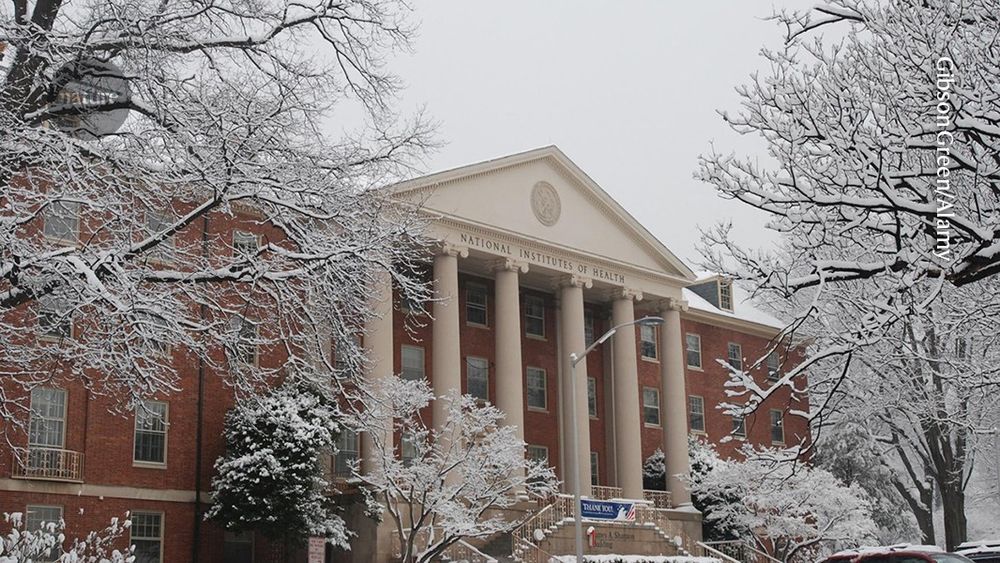
Exclusive: NIH to terminate hundreds of active research grants
Studies that touch on LGBT+ health, gender identity and DEI in the biomedical workforce could be terminated, according to documents obtained by Nature.
go.nature.com
March 6, 2025 at 2:25 AM
In an unprecedented move, the US National Institutes of Health has begun mass terminations of research grants that fund active scientific projects because they no longer meet “agency priorities”.
https://go.nature.com/4bpG2It
https://go.nature.com/4bpG2It
Canadians protest imports of US toxic waste amid Trump tariff war…. Quebec is receiving hazardous waste from the US…
March 6, 2025 at 9:36 PM
Canadians protest imports of US toxic waste amid Trump tariff war…. Quebec is receiving hazardous waste from the US…
Canada goose fights off bald eagle in rare, symbolism-laden battle on ice
March 6, 2025 at 2:37 AM
Canada goose fights off bald eagle in rare, symbolism-laden battle on ice
Google había marcado peques provinciales de Canadá y edificios de gobierno como estaciones públicos estadounidenses… con esto del 51 state…. www.cbc.ca/news/canada/...

Google removing 'state' designation from Canadian government buildings. Microsoft following suit | CBC News
Canadians filed widespread complaints after noticing the designation amid 51st state rhetoric. Google has already started updating parks and says it will also be turning its attention to buildings.
www.cbc.ca
March 5, 2025 at 3:20 PM
Google había marcado peques provinciales de Canadá y edificios de gobierno como estaciones públicos estadounidenses… con esto del 51 state…. www.cbc.ca/news/canada/...
theconversation.com/with-just-5-... running out if time, there is no clear commitment to reach the targets of the Biodiversity Framework to halt and reverse biodiversity loss
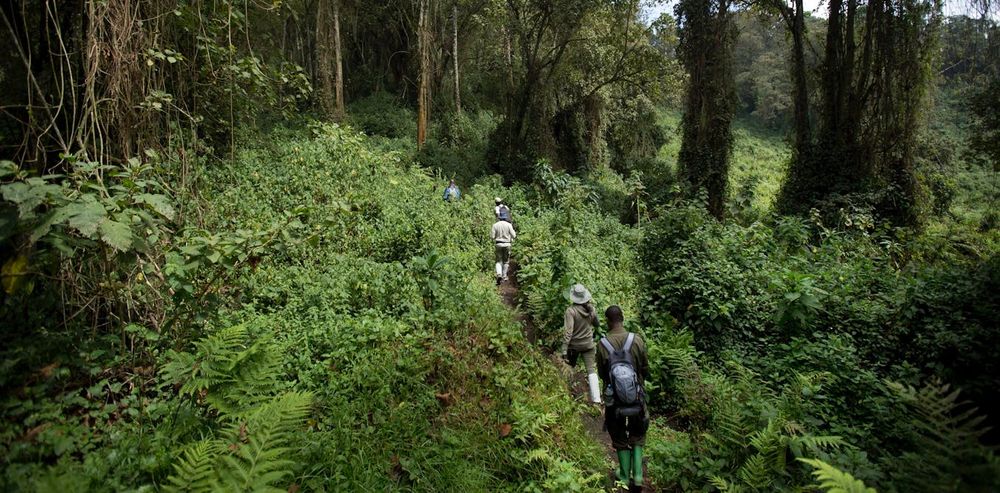
With just 5 years to go, the world is failing on a vital deal to halt biodiversity loss
All countries must accelerate efforts to avert the biodiversity crisis, and preserve Earth’s precious natural places for future generations.
theconversation.com
March 4, 2025 at 4:00 AM
theconversation.com/with-just-5-... running out if time, there is no clear commitment to reach the targets of the Biodiversity Framework to halt and reverse biodiversity loss
Reposted by Maida Garcia

Après avoir joué les prolongations, la COP16 sur la biodiversité parvient à arracher un accord sur les financements

Après avoir joué les prolongations, la COP16 sur la biodiversité parvient à arracher un accord sur les financements
Les représentants de quelque 150 pays réunis à Rome, en Italie, ont adopté une série de décisions, dont l’une sur la mobilisation des ressources nécessaires à l’atteinte des objectifs visant à enrayer la destruction de la nature.
www.lemonde.fr
February 28, 2025 at 3:55 AM
Après avoir joué les prolongations, la COP16 sur la biodiversité parvient à arracher un accord sur les financements

US Forest Service and National Park Service to fire thousands of workers

US Forest Service and National Park Service to fire thousands of workers
Wildfire-management groups say Trump’s latest push to trim government could impede firefighting efforts
The US Forest Service is firing about 3,400 recent hires while the National Park Service is terminating about 1,000 workers under Donald Trump’s push…
www.theguardian.com
February 17, 2025 at 3:17 AM
Reposted by Maida Garcia

🔴Muere Javiera Montes Cruz, exsubsecretaria de Turismo de la expresidenta Bachelet e hija del ministro Carlos Montes

Muere Javiera Montes Cruz, exsubsecretaria de Turismo de la expresidenta Bachelet e hija del ministro Carlos Montes | The Clinic
El Partido Socialista informó la muerte de Javiera Montes Cruz, hija del ministro de Vivienda y Urbanismo, Carlos Montes.
www.theclinic.cl
February 13, 2025 at 3:12 AM
🔴Muere Javiera Montes Cruz, exsubsecretaria de Turismo de la expresidenta Bachelet e hija del ministro Carlos Montes
Reposted by Maida Garcia

The people are hungry for trade news.
This post is bar far and away, my most population substack post ever written.
noraloreto.substack.com/p/ok-but-wha...
This post is bar far and away, my most population substack post ever written.
noraloreto.substack.com/p/ok-but-wha...

Ok, but what about profiteering?
A sober reminder of what's actually at stake in the Canada-US tariff war
noraloreto.substack.com
February 3, 2025 at 2:50 PM
The people are hungry for trade news.
This post is bar far and away, my most population substack post ever written.
noraloreto.substack.com/p/ok-but-wha...
This post is bar far and away, my most population substack post ever written.
noraloreto.substack.com/p/ok-but-wha...
Chilean cactus are highly endemic, there is constant trafficking …. , I hope is not the case with this one

Houseplant of the week: Chilean dwarf torch cactus
www.theguardian.com/lifeandstyle...
www.theguardian.com/lifeandstyle...

Houseplant of the week: Chilean dwarf torch cactus
With a little care this rare, alien-looking cactus can live for many years
www.theguardian.com
January 24, 2025 at 12:19 AM
Chilean cactus are highly endemic, there is constant trafficking …. , I hope is not the case with this one
Protecting public lands one of the last Biden’s strategic actions
January 22, 2025 at 7:20 PM
Protecting public lands one of the last Biden’s strategic actions
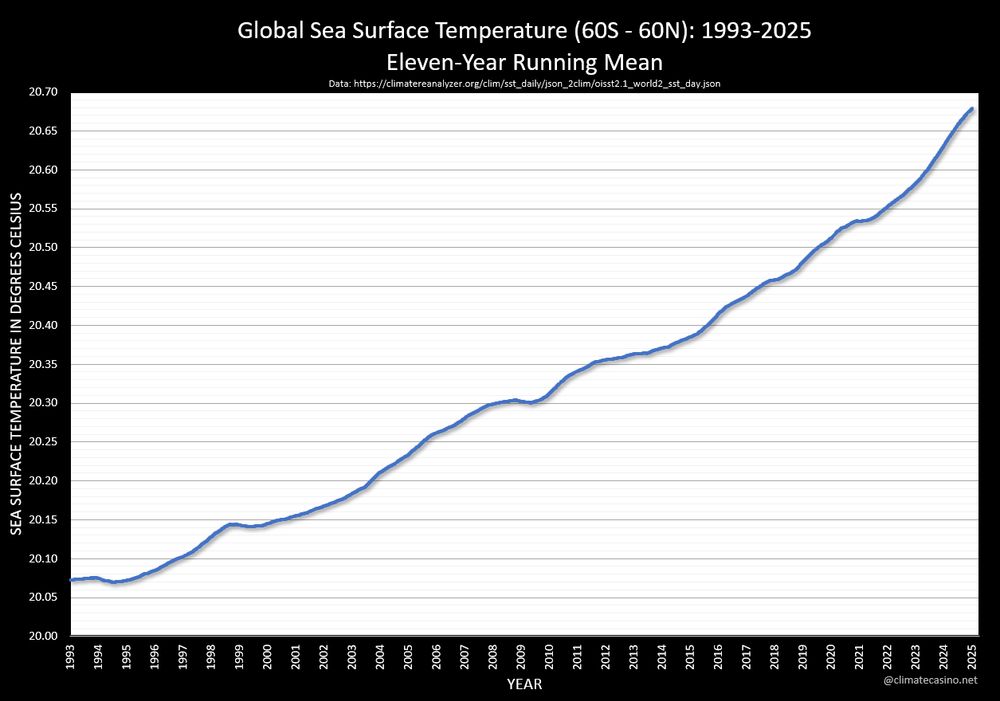
El calentamiento del océano durante los últimos 30 años …

January 12, 2025 at 12:25 AM
El calentamiento del océano durante los últimos 30 años …
Reposted by Maida Garcia

The Economist covered our "Strain on scientific publishing" paper.
What is this all about?
We collectively churn out more & more papers *per scientist*, an increasing pace, in a rapidly changing publication landscape.
Why? How? Want to make sense of this? 🧵
www.economist.com/science-and-...
What is this all about?
We collectively churn out more & more papers *per scientist*, an increasing pace, in a rapidly changing publication landscape.
Why? How? Want to make sense of this? 🧵
www.economist.com/science-and-...
Scientific publishers are producing more papers than ever
Concerns about some of their business models are building
www.economist.com
November 23, 2024 at 2:17 PM
The Economist covered our "Strain on scientific publishing" paper.
What is this all about?
We collectively churn out more & more papers *per scientist*, an increasing pace, in a rapidly changing publication landscape.
Why? How? Want to make sense of this? 🧵
www.economist.com/science-and-...
What is this all about?
We collectively churn out more & more papers *per scientist*, an increasing pace, in a rapidly changing publication landscape.
Why? How? Want to make sense of this? 🧵
www.economist.com/science-and-...
Reposted by Maida Garcia

30 years ago.
We knew.
Even Exxon knew.
We knew.
Even Exxon knew.
January 3, 2025 at 2:26 PM
30 years ago.
We knew.
Even Exxon knew.
We knew.
Even Exxon knew.
Canada’s housing crisis could be solved with all the empty (and heated offices ) everywhere
December 21, 2024 at 2:52 PM
Canada’s housing crisis could be solved with all the empty (and heated offices ) everywhere
Reposted by Maida Garcia

For context:
It's estimated that the most vulnerable countries in the world need at least $1.3T per year to accelerate the clean energy transition and build resilience to climate impacts.
COP29 closed yesterday with an agreement for $300B per year (not the actual funds, just the agreement).
It's estimated that the most vulnerable countries in the world need at least $1.3T per year to accelerate the clean energy transition and build resilience to climate impacts.
COP29 closed yesterday with an agreement for $300B per year (not the actual funds, just the agreement).

Just going to park this here.
(2023 = $2.4 trillion)
(2023 = $2.4 trillion)

November 24, 2024 at 8:00 PM
For context:
It's estimated that the most vulnerable countries in the world need at least $1.3T per year to accelerate the clean energy transition and build resilience to climate impacts.
COP29 closed yesterday with an agreement for $300B per year (not the actual funds, just the agreement).
It's estimated that the most vulnerable countries in the world need at least $1.3T per year to accelerate the clean energy transition and build resilience to climate impacts.
COP29 closed yesterday with an agreement for $300B per year (not the actual funds, just the agreement).
Informándome de la menopausia en mi peri menopausia… no cachando na en lo que andaba mi cuerpo !
November 21, 2024 at 1:24 AM
Informándome de la menopausia en mi peri menopausia… no cachando na en lo que andaba mi cuerpo !