




Xxi
@locuste.bsky.social
Scientific popularization, but not only.
Posts in French and English.
Posts in French and English.

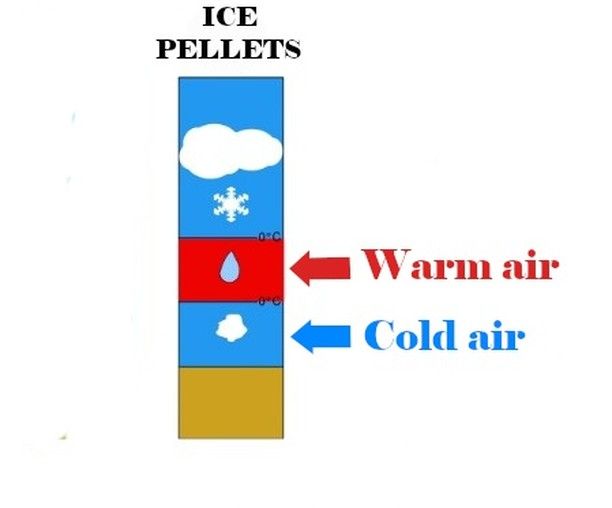
2- The air layer is sufficiently thickThis time, as you might have guessed, the droplets become solid again, taking the form of ice pellets.

November 26, 2024 at 8:18 PM
2- The air layer is sufficiently thickThis time, as you might have guessed, the droplets become solid again, taking the form of ice pellets.
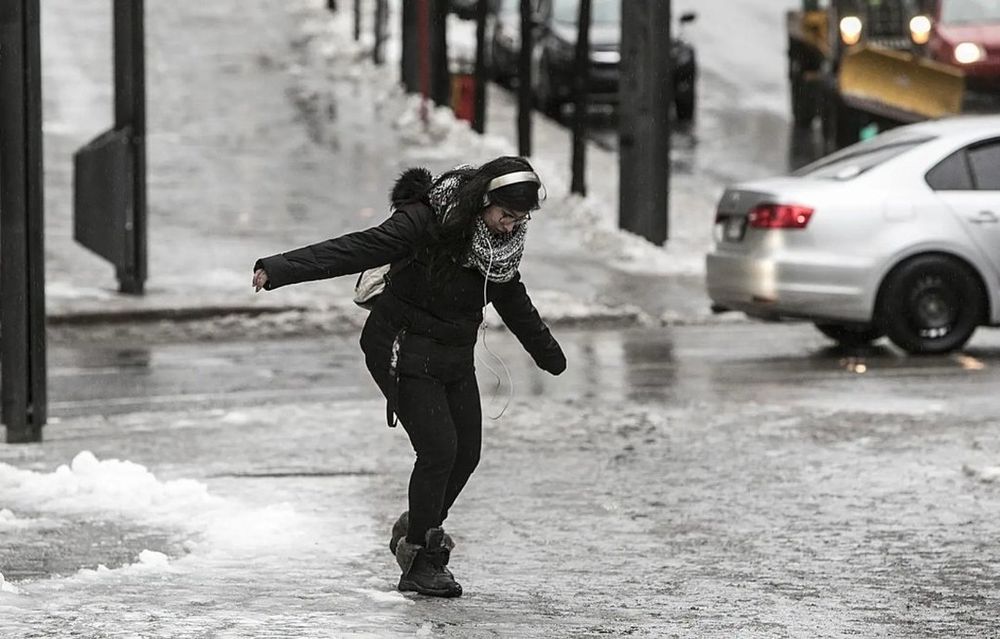
This is the famous - and no less formidable - freezing rain !

November 26, 2024 at 8:17 PM
This is the famous - and no less formidable - freezing rain !
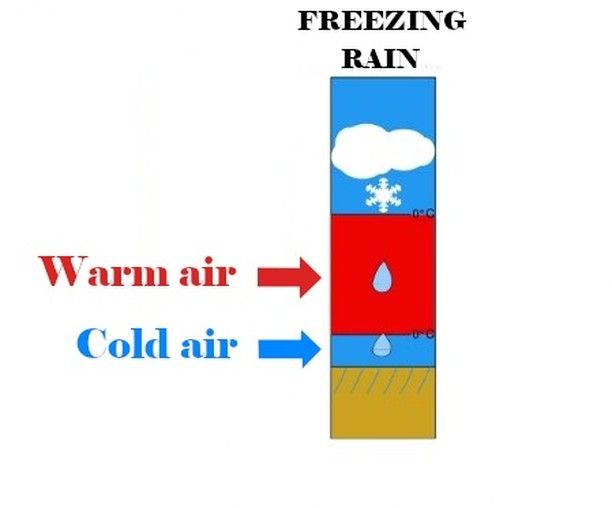
1- The air layer is too thin.Under these conditions, the droplets do not have enough time to return to the solid state; however, they become supercooled, which will eventually allow them to freeze upon contact with the ground (or other surfaces).
November 26, 2024 at 8:17 PM
1- The air layer is too thin.Under these conditions, the droplets do not have enough time to return to the solid state; however, they become supercooled, which will eventually allow them to freeze upon contact with the ground (or other surfaces).
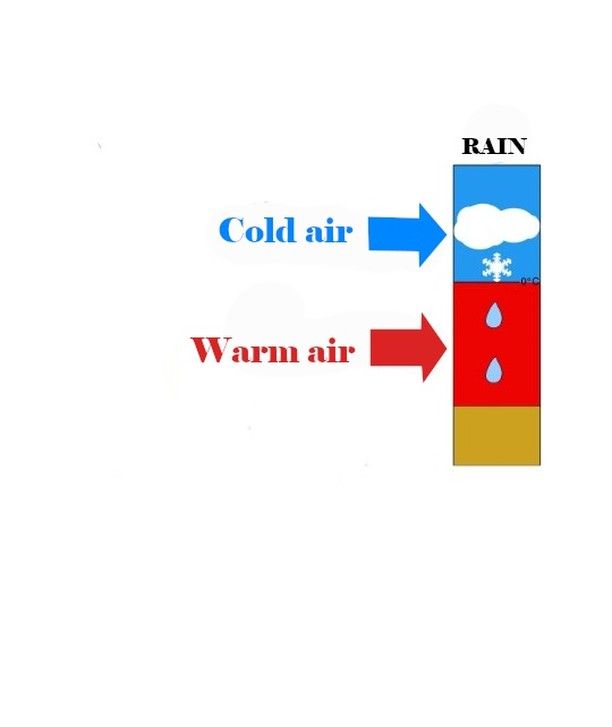
Of course, if they only pass through warm layers, the question doesn’t even arise: they will remain liquid until they reach the ground, and we will have to deal with regular rain…
November 26, 2024 at 8:16 PM
Of course, if they only pass through warm layers, the question doesn’t even arise: they will remain liquid until they reach the ground, and we will have to deal with regular rain…
But if unfortunately, the snowflakes are exposed to warm temperatures (I mean temperatures significantly above 0°C), it’s a disaster: they melt!We then get ordinary raindrops…
November 26, 2024 at 8:15 PM
But if unfortunately, the snowflakes are exposed to warm temperatures (I mean temperatures significantly above 0°C), it’s a disaster: they melt!We then get ordinary raindrops…
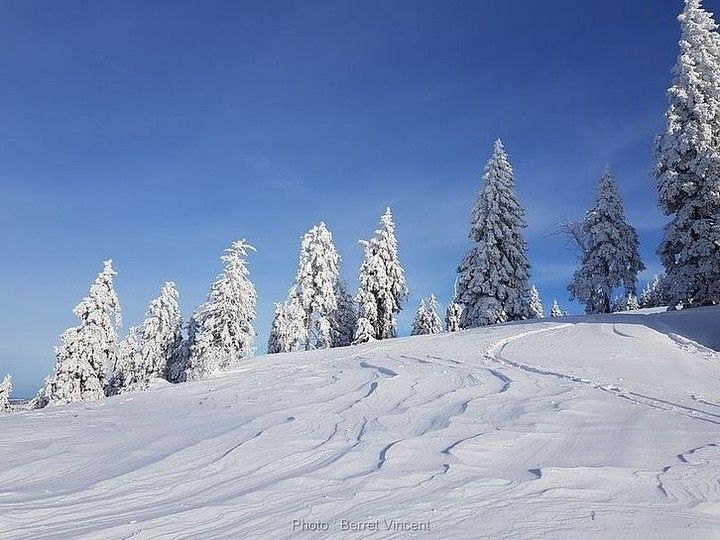
They will then settle in successive layers on the ground, ultimately offering us a divine snowy blanket!
(It should be noted that the colder it is, the more likely we are to find dry snow. Conversely, temperatures closer to 0°C favor the appearance of wet or even slushy snow.)
(It should be noted that the colder it is, the more likely we are to find dry snow. Conversely, temperatures closer to 0°C favor the appearance of wet or even slushy snow.)
November 26, 2024 at 8:15 PM
They will then settle in successive layers on the ground, ultimately offering us a divine snowy blanket!
(It should be noted that the colder it is, the more likely we are to find dry snow. Conversely, temperatures closer to 0°C favor the appearance of wet or even slushy snow.)
(It should be noted that the colder it is, the more likely we are to find dry snow. Conversely, temperatures closer to 0°C favor the appearance of wet or even slushy snow.)
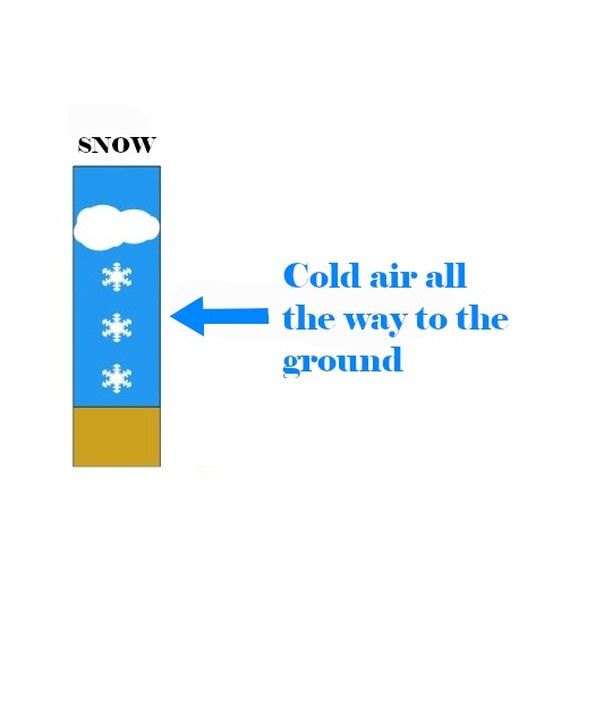
If all these layers are cold (in other words, if it is below 0°C, or, in the worst case, just a little above), the snowflakes will be preserved.
November 26, 2024 at 8:14 PM
If all these layers are cold (in other words, if it is below 0°C, or, in the worst case, just a little above), the snowflakes will be preserved.
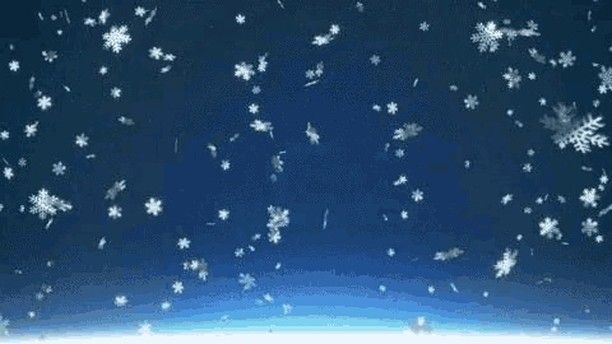
These random movements generate collisions with other snow crystals… At this moment, there are millions of them in the sky, each more beautiful than the other. All different too; as if each had its own identity. To be honest, I never get tired of admiring them…
November 26, 2024 at 8:11 PM
These random movements generate collisions with other snow crystals… At this moment, there are millions of them in the sky, each more beautiful than the other. All different too; as if each had its own identity. To be honest, I never get tired of admiring them…
their immediate transition to the solid state. We will see later examples of situations that cause this sudden change, but for now, let’s continue with my story.
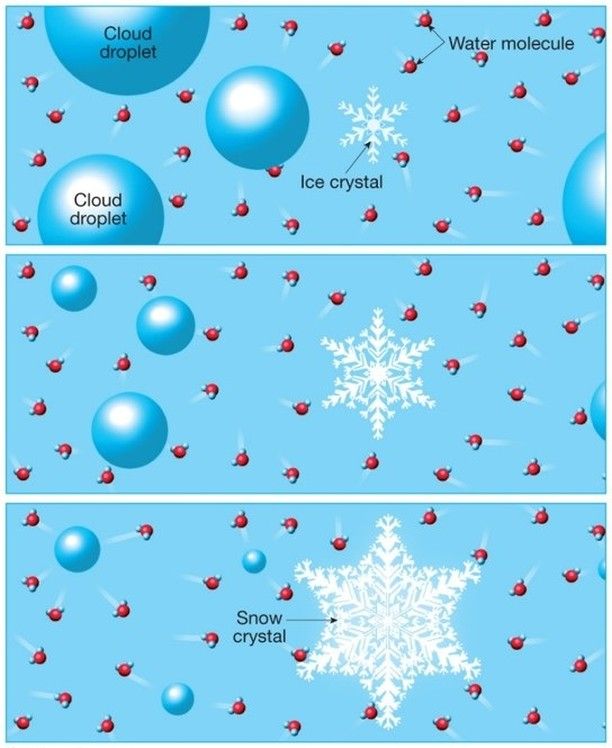
As I mentioned, the snow crystal develops by inheriting water molecules that belonged to the neighboring droplets.
As I mentioned, the snow crystal develops by inheriting water molecules that belonged to the neighboring droplets.
November 26, 2024 at 8:07 PM
their immediate transition to the solid state. We will see later examples of situations that cause this sudden change, but for now, let’s continue with my story.
As I mentioned, the snow crystal develops by inheriting water molecules that belonged to the neighboring droplets.
As I mentioned, the snow crystal develops by inheriting water molecules that belonged to the neighboring droplets.
Therefore, it is not easy to encounter the right type of aerosol under the ideal climatic conditions!
But when things align well, we find ourselves in the presence of a fabulous primary snow crystal.
Credit : Kenneth Libbrecht
But when things align well, we find ourselves in the presence of a fabulous primary snow crystal.
Credit : Kenneth Libbrecht

November 26, 2024 at 8:04 PM
Therefore, it is not easy to encounter the right type of aerosol under the ideal climatic conditions!
But when things align well, we find ourselves in the presence of a fabulous primary snow crystal.
Credit : Kenneth Libbrecht
But when things align well, we find ourselves in the presence of a fabulous primary snow crystal.
Credit : Kenneth Libbrecht
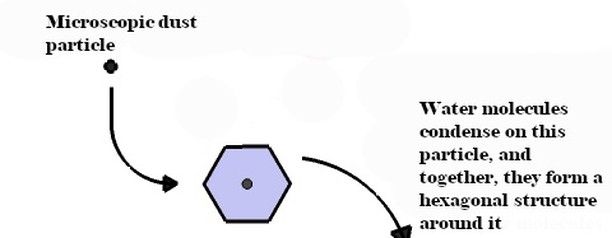
However, instead of transitioning to the liquid state as it did on the condensation nucleus, our water vapor immediately freezes upon contact with a crystallization nucleus.
We then obtain a small hexagonal snow crystal !
We then obtain a small hexagonal snow crystal !
November 26, 2024 at 8:01 PM
However, instead of transitioning to the liquid state as it did on the condensation nucleus, our water vapor immediately freezes upon contact with a crystallization nucleus.
We then obtain a small hexagonal snow crystal !
We then obtain a small hexagonal snow crystal !
This means that any water vapor that does not encounter these nuclei will remain water vapor…
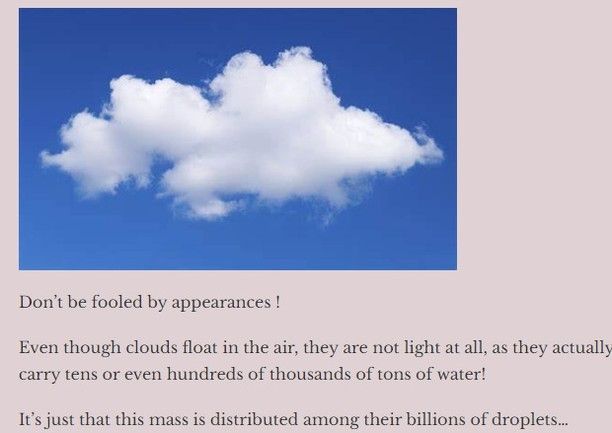
As for the droplets, even though it seems crazy, they will be visible from the surface of the Earth - not individually, of course, but as a whole, because these are what form clouds !
As for the droplets, even though it seems crazy, they will be visible from the surface of the Earth - not individually, of course, but as a whole, because these are what form clouds !
November 26, 2024 at 7:57 PM
This means that any water vapor that does not encounter these nuclei will remain water vapor…
As for the droplets, even though it seems crazy, they will be visible from the surface of the Earth - not individually, of course, but as a whole, because these are what form clouds !
As for the droplets, even though it seems crazy, they will be visible from the surface of the Earth - not individually, of course, but as a whole, because these are what form clouds !
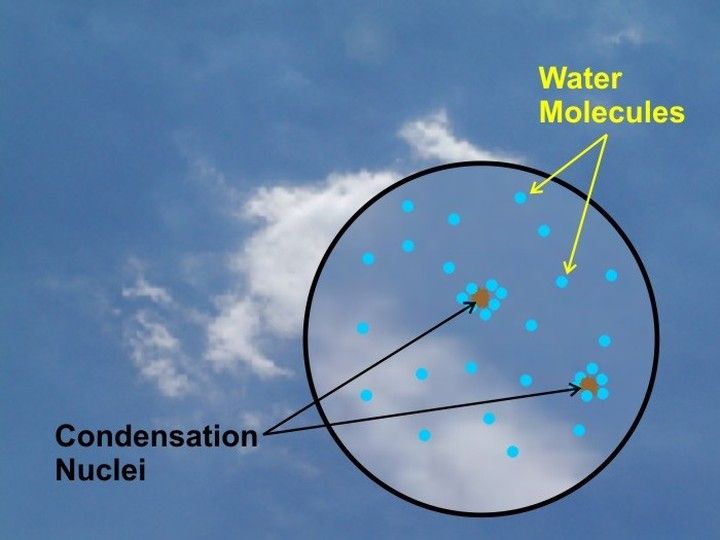
You can’t even imagine the number and diversity of aerosols up there. There’s really everything: dust grains, sand, ash, and more.
Without their intervention to catalyze the transition from the gaseous state to the liquid state, the water vapor does not condense.
Without their intervention to catalyze the transition from the gaseous state to the liquid state, the water vapor does not condense.
November 26, 2024 at 7:57 PM
You can’t even imagine the number and diversity of aerosols up there. There’s really everything: dust grains, sand, ash, and more.
Without their intervention to catalyze the transition from the gaseous state to the liquid state, the water vapor does not condense.
Without their intervention to catalyze the transition from the gaseous state to the liquid state, the water vapor does not condense.
which provides a surface for it to condense on.
Credit : David Babb & Minnesota Univ.
Credit : David Babb & Minnesota Univ.

November 26, 2024 at 7:56 PM
which provides a surface for it to condense on.
Credit : David Babb & Minnesota Univ.
Credit : David Babb & Minnesota Univ.
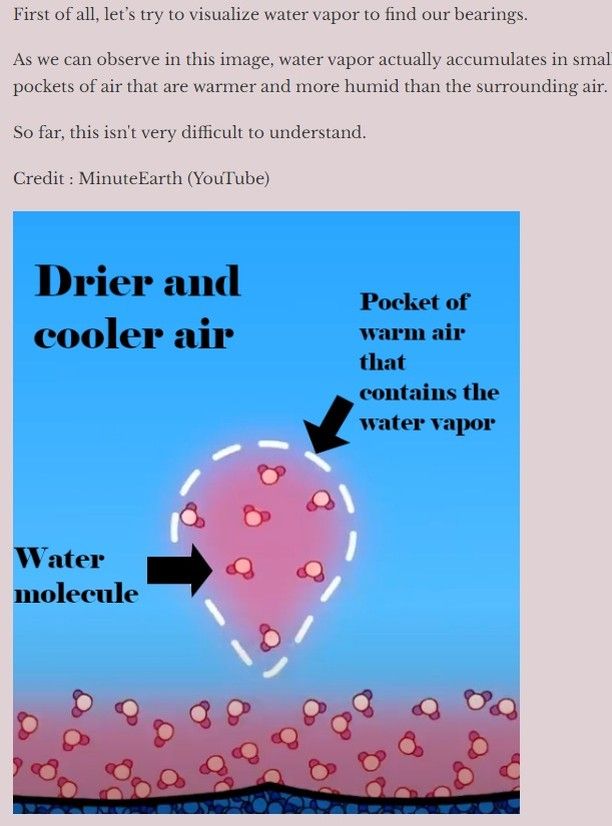
After its formation, in any case, our water vapor rises to the sky for reasons explained below.
(If necessary, you can skip this step and come back to it later, after the end of my presentation: this will not affect your understanding of the rest of the thread.)
(If necessary, you can skip this step and come back to it later, after the end of my presentation: this will not affect your understanding of the rest of the thread.)


November 26, 2024 at 7:55 PM
After its formation, in any case, our water vapor rises to the sky for reasons explained below.
(If necessary, you can skip this step and come back to it later, after the end of my presentation: this will not affect your understanding of the rest of the thread.)
(If necessary, you can skip this step and come back to it later, after the end of my presentation: this will not affect your understanding of the rest of the thread.)
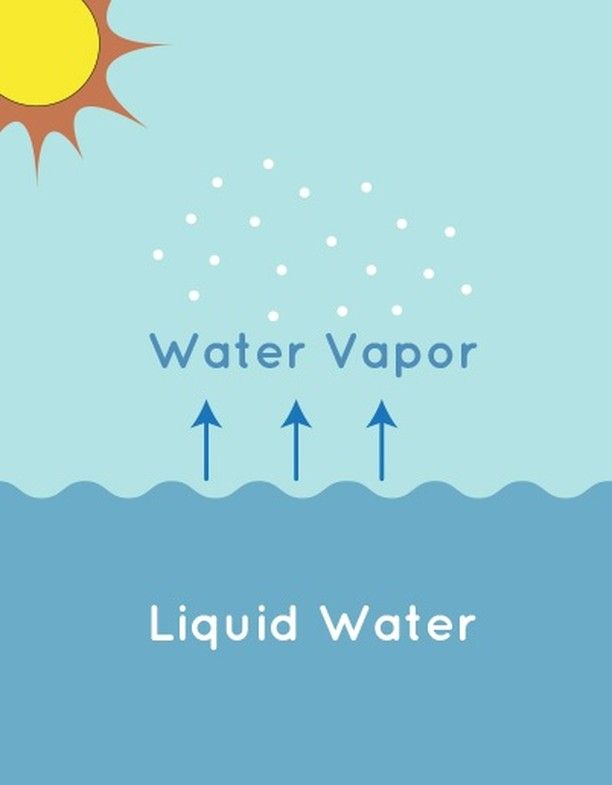
Present in our atmosphere, although invisible, this water vapor can have many origins, such as the transpiration of plants, but remember that it mainly comes from the evaporation of water from seas, oceans, or lakes, under the heat of the Sun.
Credit : NASA
Credit : NASA
November 26, 2024 at 7:54 PM
Present in our atmosphere, although invisible, this water vapor can have many origins, such as the transpiration of plants, but remember that it mainly comes from the evaporation of water from seas, oceans, or lakes, under the heat of the Sun.
Credit : NASA
Credit : NASA
Snow is surely the form of precipitation that fascinates us the most, but paradoxically, we know very little about it. How does it form ? That’s what we will explore in today’s thread !
⬇️⬇️⬇️⬇️⬇️
⬇️⬇️⬇️⬇️⬇️

November 26, 2024 at 7:53 PM
Snow is surely the form of precipitation that fascinates us the most, but paradoxically, we know very little about it. How does it form ? That’s what we will explore in today’s thread !
⬇️⬇️⬇️⬇️⬇️
⬇️⬇️⬇️⬇️⬇️