


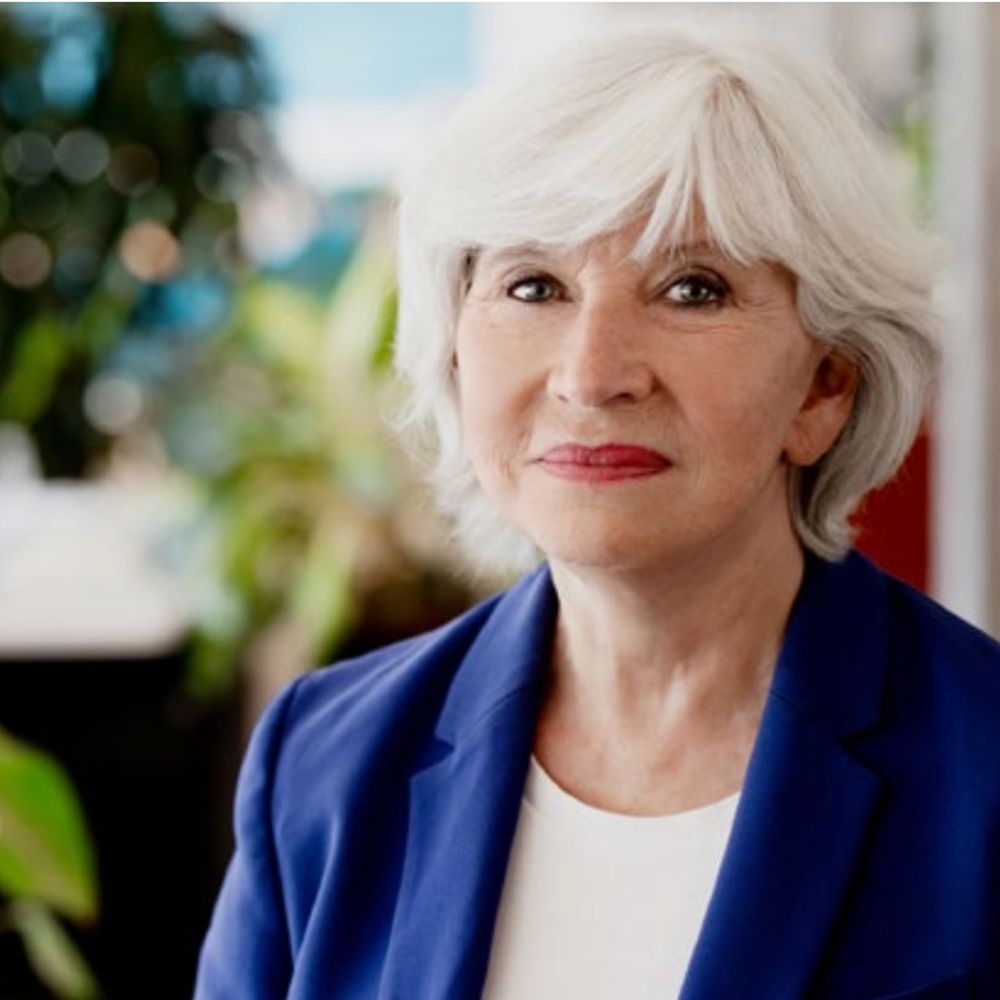
Laurence Tubiana
@laurencetubiana.bsky.social
Economiste, professeure, diplomate. Accord de Paris & Convention citoyenne. A la tête de la Fondation Européenne pour le climat. Opinions personnelles.
My takeaway from Belem: the strong turnout from civil society. The climate movement is more global and energetic than ever. We need them to continue their pressure to make sure governments deliver. 2/2
November 22, 2025 at 7:15 PM
My takeaway from Belem: the strong turnout from civil society. The climate movement is more global and energetic than ever. We need them to continue their pressure to make sure governments deliver. 2/2
Those seeking to reopen past agreements are not just jeopardising specific texts – they are undermining the trust on which multilateral climate cooperation depends.
Consensus agreements, reached after intensive negotiations and compromise on all sides, must be respected. (8/8)
Consensus agreements, reached after intensive negotiations and compromise on all sides, must be respected. (8/8)
November 19, 2025 at 6:08 PM
Those seeking to reopen past agreements are not just jeopardising specific texts – they are undermining the trust on which multilateral climate cooperation depends.
Consensus agreements, reached after intensive negotiations and compromise on all sides, must be respected. (8/8)
Consensus agreements, reached after intensive negotiations and compromise on all sides, must be respected. (8/8)
On finance, the task is to mobilise the funds we have already agreed are needed – coordinating and drawing on public, private and innovative sources – and ensure adaptation is properly financed, as vulnerable countries and communities are already living with climate impacts. 7/8
November 19, 2025 at 6:08 PM
On finance, the task is to mobilise the funds we have already agreed are needed – coordinating and drawing on public, private and innovative sources – and ensure adaptation is properly financed, as vulnerable countries and communities are already living with climate impacts. 7/8
COP30 should be about building on the achievements of Dubai and Baku – not rolling them back.
We’ve already agreed to move away from fossil fuels; now we need a practical, fair and orderly roadmap that tackles the economic and political barriers still in the way. (6/8)
We’ve already agreed to move away from fossil fuels; now we need a practical, fair and orderly roadmap that tackles the economic and political barriers still in the way. (6/8)
November 19, 2025 at 6:08 PM
COP30 should be about building on the achievements of Dubai and Baku – not rolling them back.
We’ve already agreed to move away from fossil fuels; now we need a practical, fair and orderly roadmap that tackles the economic and political barriers still in the way. (6/8)
We’ve already agreed to move away from fossil fuels; now we need a practical, fair and orderly roadmap that tackles the economic and political barriers still in the way. (6/8)
In Baku, countries took an important step on finance – making commitments to provide adequate, accessible and predictable support so that vulnerable and developing countries can strengthen their plans and accelerate their transitions. (5/8)
November 19, 2025 at 6:08 PM
In Baku, countries took an important step on finance – making commitments to provide adequate, accessible and predictable support so that vulnerable and developing countries can strengthen their plans and accelerate their transitions. (5/8)
These signals are already shaping investment decisions and national planning around the world.
Undermining them now would create uncertainty and disrupt the momentum behind the clean-energy transition. (4/8)
Undermining them now would create uncertainty and disrupt the momentum behind the clean-energy transition. (4/8)
November 19, 2025 at 6:08 PM
These signals are already shaping investment decisions and national planning around the world.
Undermining them now would create uncertainty and disrupt the momentum behind the clean-energy transition. (4/8)
Undermining them now would create uncertainty and disrupt the momentum behind the clean-energy transition. (4/8)
In Dubai, countries finally agreed to transition away from fossil fuels - ending a decade of ambiguity.
Alongside the goals to triple renewable capacity and double energy-efficiency improvements, this provides the direction needed to transform global energy systems. (3/8)
Alongside the goals to triple renewable capacity and double energy-efficiency improvements, this provides the direction needed to transform global energy systems. (3/8)
November 19, 2025 at 6:08 PM
In Dubai, countries finally agreed to transition away from fossil fuels - ending a decade of ambiguity.
Alongside the goals to triple renewable capacity and double energy-efficiency improvements, this provides the direction needed to transform global energy systems. (3/8)
Alongside the goals to triple renewable capacity and double energy-efficiency improvements, this provides the direction needed to transform global energy systems. (3/8)
The agreements reached at COP28 in Dubai and COP29 in Baku are essential building blocks for delivering the Paris Agreement.
Weakening them now would slow the transition and erode the trust that keeps multilateral climate cooperation alive. (2/8)
Weakening them now would slow the transition and erode the trust that keeps multilateral climate cooperation alive. (2/8)
November 19, 2025 at 6:08 PM
The agreements reached at COP28 in Dubai and COP29 in Baku are essential building blocks for delivering the Paris Agreement.
Weakening them now would slow the transition and erode the trust that keeps multilateral climate cooperation alive. (2/8)
Weakening them now would slow the transition and erode the trust that keeps multilateral climate cooperation alive. (2/8)
Reverting to a binary view of gender would be a step backwards, putting people at risk and jeopardising their hard-fought rights. That's the opposite of what COPs are meant to do: protect people and build a fair, effective response to the climate crisis. (4/4)
November 18, 2025 at 6:05 PM
Reverting to a binary view of gender would be a step backwards, putting people at risk and jeopardising their hard-fought rights. That's the opposite of what COPs are meant to do: protect people and build a fair, effective response to the climate crisis. (4/4)
Gender has never been binary. Acknowledging that fact does not weaken the gender equality agenda; it strengthens it. Effective climate action depends on harnessing the full diversity of people’s lives – not restricting them to narrow definitions. (3/4)
November 18, 2025 at 6:05 PM
Gender has never been binary. Acknowledging that fact does not weaken the gender equality agenda; it strengthens it. Effective climate action depends on harnessing the full diversity of people’s lives – not restricting them to narrow definitions. (3/4)
At COP30, Parties are meant to adopt a new Gender Action Plan with concrete activities, clear responsibilities and real milestones – building on the work carried out under the Lima work programme. Gender must also guide the design of just transition pathways. These are essential steps. (2/4)
November 18, 2025 at 6:05 PM
At COP30, Parties are meant to adopt a new Gender Action Plan with concrete activities, clear responsibilities and real milestones – building on the work carried out under the Lima work programme. Gender must also guide the design of just transition pathways. These are essential steps. (2/4)
Forests are still being lost because our economic rules pull countries towards extractive pathways. COP30 is a chance to realign climate and global economic governance. (2/2)
landgap.org/2025/report
landgap.org/2025/report
The Land Gap report
We calculated how much land is included in pledges: nearly 1 billion hectares. That's about two thirds of the world's arable land.
landgap.org
November 14, 2025 at 1:13 PM
Forests are still being lost because our economic rules pull countries towards extractive pathways. COP30 is a chance to realign climate and global economic governance. (2/2)
landgap.org/2025/report
landgap.org/2025/report
COP28 gave us the direction; COP30 can give us the means – coordination, finance and trust. This is how we turn the energy transition from a set of promises into a shared project of global stability and justice. (7/7)
November 13, 2025 at 1:01 PM
COP28 gave us the direction; COP30 can give us the means – coordination, finance and trust. This is how we turn the energy transition from a set of promises into a shared project of global stability and justice. (7/7)
We need a frank producer–consumer dialogue to plan an orderly phase-out and share transition risks. Finance ministries must be at the centre: reforming subsidies, planning for economic and fiscal diversification, and supporting workers and regions in change. (6/7)
November 13, 2025 at 1:01 PM
We need a frank producer–consumer dialogue to plan an orderly phase-out and share transition risks. Finance ministries must be at the centre: reforming subsidies, planning for economic and fiscal diversification, and supporting workers and regions in change. (6/7)
President Lula is right: the world needs clear, fair and planned roadmaps to overcome dependence on fossil fuels. A structured process on fiscal reform, industrial policy and just-transition support could become one of COP30’s most important legacies. (5/7)
November 13, 2025 at 1:01 PM
President Lula is right: the world needs clear, fair and planned roadmaps to overcome dependence on fossil fuels. A structured process on fiscal reform, industrial policy and just-transition support could become one of COP30’s most important legacies. (5/7)
We need to take these political-economy obstacles seriously and find pragmatic ways to address them – creating fair and credible incentives to leave oil, gas and coal in the ground and ensuring stability and opportunity for those most affected. (4/7)
November 13, 2025 at 1:01 PM
We need to take these political-economy obstacles seriously and find pragmatic ways to address them – creating fair and credible incentives to leave oil, gas and coal in the ground and ensuring stability and opportunity for those most affected. (4/7)
The core challenge is one of economics and politics, not physics or technology. Around $7 trillion a year in subsidies are locking in both demand and supply. For many countries, fossil-fuel exports still provide double-digit shares of government revenue and fund vital public services. (3/7)
November 13, 2025 at 1:01 PM
The core challenge is one of economics and politics, not physics or technology. Around $7 trillion a year in subsidies are locking in both demand and supply. For many countries, fossil-fuel exports still provide double-digit shares of government revenue and fund vital public services. (3/7)
There’s a gap between the urgency of the climate crisis and the collective action we’ve committed to address it. Accelerating the energy transition – and delivering the pledges from COP28 to triple renewables, double energy efficiency, and move away from FF – are key to closing that gap. (2/7)
November 13, 2025 at 1:01 PM
There’s a gap between the urgency of the climate crisis and the collective action we’ve committed to address it. Accelerating the energy transition – and delivering the pledges from COP28 to triple renewables, double energy efficiency, and move away from FF – are key to closing that gap. (2/7)