


Kristen McSpadden
@krisfish.bsky.social
Marine Scientist | PhD Candidate @uni_newcastle 🥒 🪸 Researching tropical sea cucumber fisheries in Australia kristen.mcspadden@uon.edu.au 📍Darkinjung land (she/her)
Reposted by Kristen McSpadden

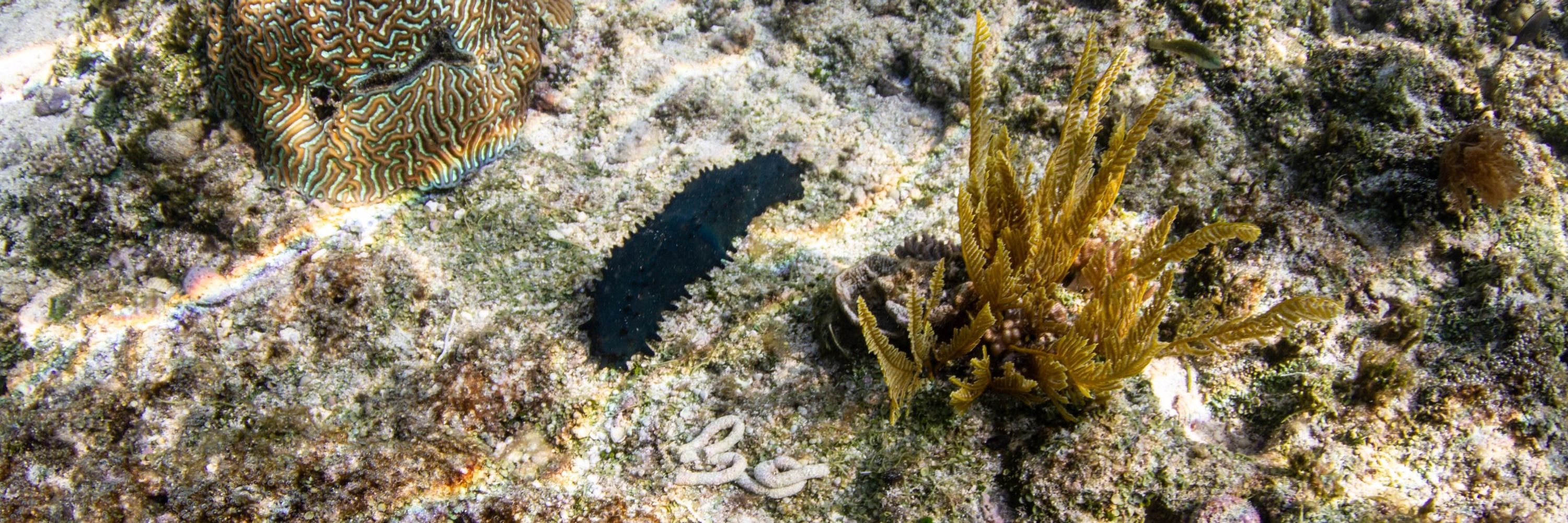
Time to move marine surveying into the 21st century. Our work demonstrates that underwater drones produce sea cucumber surveys that are equivalent to snorkellers and SCUBA
@griffith.edu.au @geonadir.bsky.social @jcu @mq @gbrf
link.springer.com/article/10.1...
@griffith.edu.au @geonadir.bsky.social @jcu @mq @gbrf
link.springer.com/article/10.1...

Modernising sea cucumber surveys using remotely operated vehicles and aerial drones - Coral Reefs
There is an urgent need for improved monitoring approaches to rapidly and accurately assess sea cucumber populations at ecologically relevant scales. Timely surveys are critical for informing effective fisheries management and decision-making. Traditional surveys, undertaken via snorkelling, manta tows, or SCUBA, are limited to shallow and accessible areas; however, sea cucumbers inhabit a broad range of depths, including areas beyond safe diving limits and exposed shallow waters inaccessible by boat. To overcome these limitations and increase the rapidity of field collection, we propose the use of remote sensing technologies to survey sea cucumber populations across a range of depths. Here, we evaluated the effectiveness of aerial drones and in-water remote operated vehicles (ROVs) for assessing sea cucumber species and abundances across various depth ranges (< 50 m) on the Great Barrier Reef, Australia. Aerial drone orthomosaics and ROV video footage were compared to more traditional snorkel and SCUBA-based assessments conducted at similar depths. The vast majority of pairwise comparisons between in-water ROV video counts and snorkel or SCUBA assessments found no significant differences in sea cucumber assemblages. Counts from aerial drone-derived orthomosaics, however, were significantly lower, counting approximately half as many sea cucumbers as snorkel counts. This was largely attributed to poor weather during the drone surveys. Remote methods were significantly faster in the field for surveying a given area than traditional methods. Given that towed ROVs can efficiently cover a broader depth range and aerial drones are effective for survey shallow areas under suitable weather conditions, we recommend using a combination of aerial drones and towed ROVs to survey sea cucumbers, with tool selection guided by prevailing weather conditions. This approach offers the advantages of collecting multiple types of data from a single data source, vastly increasing survey efficiency, and providing a historical record for future assessments. The methods have the potential to be used to survey other benthic–associated species.
link.springer.com
October 10, 2025 at 2:42 AM
Time to move marine surveying into the 21st century. Our work demonstrates that underwater drones produce sea cucumber surveys that are equivalent to snorkellers and SCUBA
@griffith.edu.au @geonadir.bsky.social @jcu @mq @gbrf
link.springer.com/article/10.1...
@griffith.edu.au @geonadir.bsky.social @jcu @mq @gbrf
link.springer.com/article/10.1...
Reposted by Kristen McSpadden
The concept makes the most of the surface vessel available to the ROV to provide the advantages of towed cameras with the versatility of ROVs.
Team @krisfish.bsky.social @drkjoyce.bsky.social #JaneWilliamson #JoanLi
Funded by #MQ and #GreatBarrierReefFoundation
/end
Team @krisfish.bsky.social @drkjoyce.bsky.social #JaneWilliamson #JoanLi
Funded by #MQ and #GreatBarrierReefFoundation
/end

March 31, 2025 at 1:59 AM
The concept makes the most of the surface vessel available to the ROV to provide the advantages of towed cameras with the versatility of ROVs.
Team @krisfish.bsky.social @drkjoyce.bsky.social #JaneWilliamson #JoanLi
Funded by #MQ and #GreatBarrierReefFoundation
/end
Team @krisfish.bsky.social @drkjoyce.bsky.social #JaneWilliamson #JoanLi
Funded by #MQ and #GreatBarrierReefFoundation
/end
Reposted by Kristen McSpadden
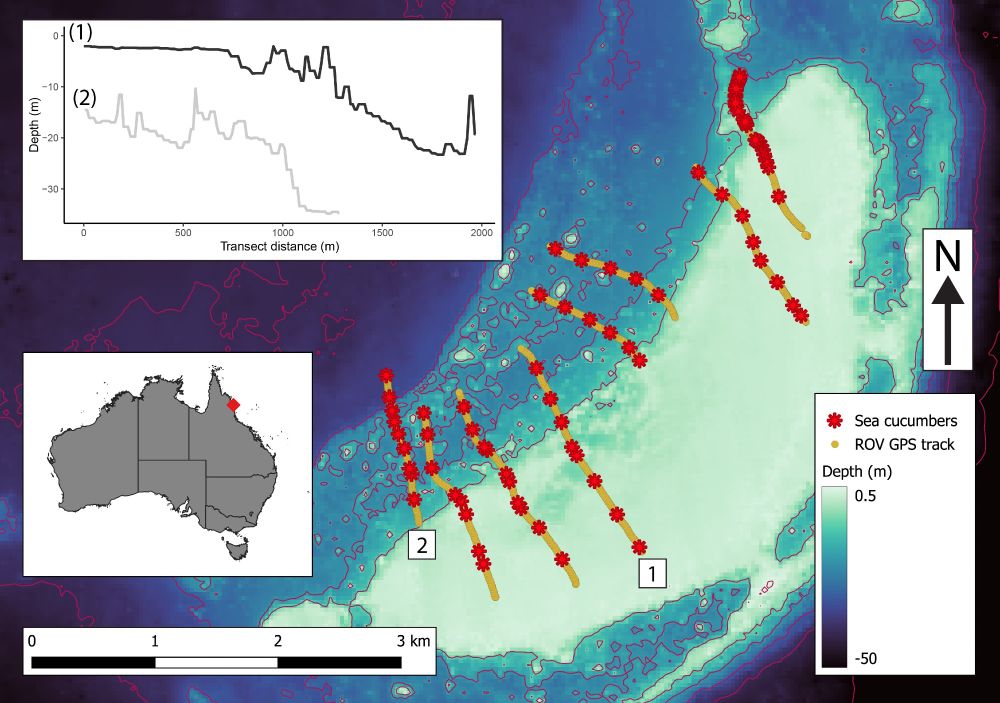
A new method of aquatic surveying based on an affordable @bluerobotics.bsky.social ROV that lets scientists run > 2km long underwater transects at depths of 2 to 60 m! 🧵 #OA 🦑🧪
@griffith.edu.au #MQUni @uni-newcastle.bsky.social @geonadir.bsky.social
www.sciencedirect.com/science/arti...
@griffith.edu.au #MQUni @uni-newcastle.bsky.social @geonadir.bsky.social
www.sciencedirect.com/science/arti...
March 31, 2025 at 1:59 AM
A new method of aquatic surveying based on an affordable @bluerobotics.bsky.social ROV that lets scientists run > 2km long underwater transects at depths of 2 to 60 m! 🧵 #OA 🦑🧪
@griffith.edu.au #MQUni @uni-newcastle.bsky.social @geonadir.bsky.social
www.sciencedirect.com/science/arti...
@griffith.edu.au #MQUni @uni-newcastle.bsky.social @geonadir.bsky.social
www.sciencedirect.com/science/arti...
Reposted by Kristen McSpadden
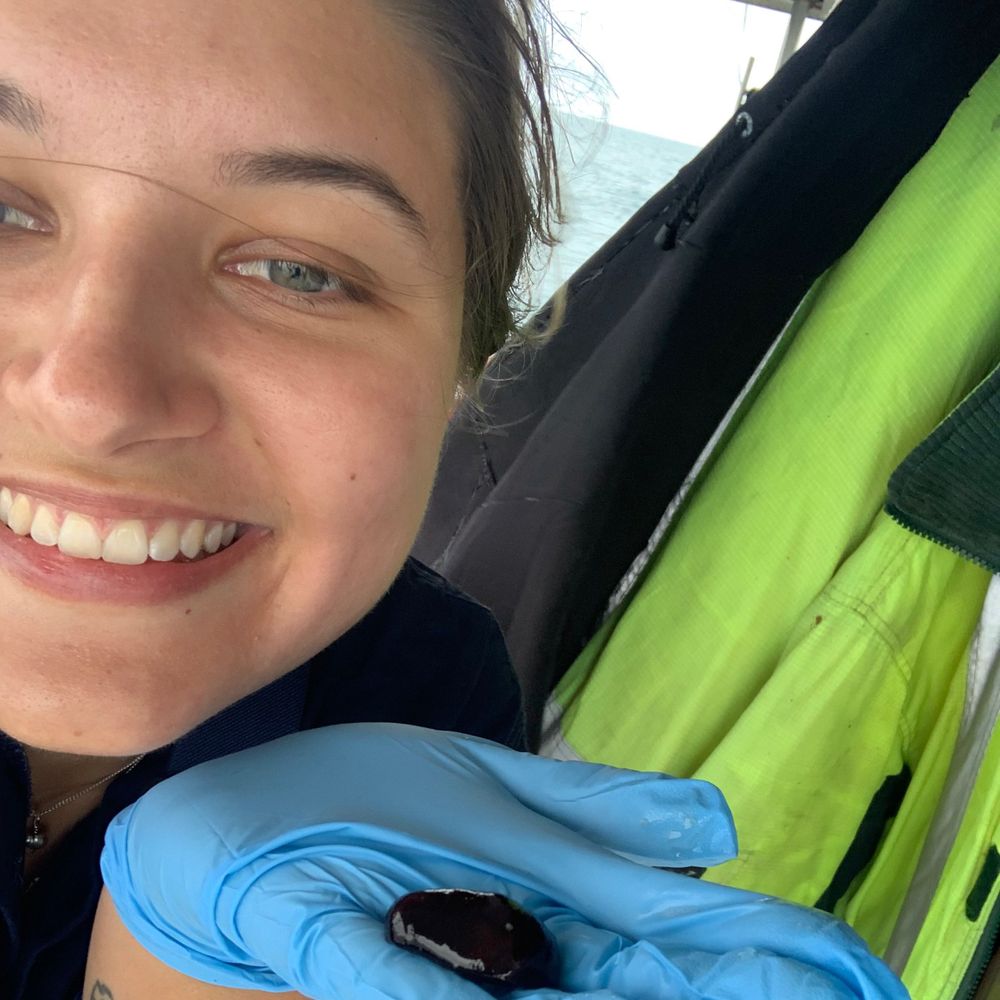
So excited to be in the Torres Strait. Dodging bad weather but a perfect start to the fieldwork! Let's find some sea cucumbers! @griffithuniversity.bsky.social #MQ #JCU


January 28, 2025 at 12:03 AM
So excited to be in the Torres Strait. Dodging bad weather but a perfect start to the fieldwork! Let's find some sea cucumbers! @griffithuniversity.bsky.social #MQ #JCU
‼️ New Paper ‼️
This collaborative paper presents length-weight data for 6 species of sea cucumber harvested in the QLD Sea Cucumber Fishery. These data were collected on the GBR, from 2,421 individuals, across 9 degrees of latitude, from 89 reefs 🥒🪸
www.mdpi.com/1424-2818/16...
This collaborative paper presents length-weight data for 6 species of sea cucumber harvested in the QLD Sea Cucumber Fishery. These data were collected on the GBR, from 2,421 individuals, across 9 degrees of latitude, from 89 reefs 🥒🪸
www.mdpi.com/1424-2818/16...

Length–Weight Relationships of Commercial Species in the Eastern Australian Sea Cucumber Fishery
Biological data, such as length–weight relationships, are essential for the management and stewardship of harvested individuals. Sea cucumbers are a lucrative industry globally but many of the associa...
www.mdpi.com
December 19, 2024 at 12:50 AM
‼️ New Paper ‼️
This collaborative paper presents length-weight data for 6 species of sea cucumber harvested in the QLD Sea Cucumber Fishery. These data were collected on the GBR, from 2,421 individuals, across 9 degrees of latitude, from 89 reefs 🥒🪸
www.mdpi.com/1424-2818/16...
This collaborative paper presents length-weight data for 6 species of sea cucumber harvested in the QLD Sea Cucumber Fishery. These data were collected on the GBR, from 2,421 individuals, across 9 degrees of latitude, from 89 reefs 🥒🪸
www.mdpi.com/1424-2818/16...
Reposted by Kristen McSpadden

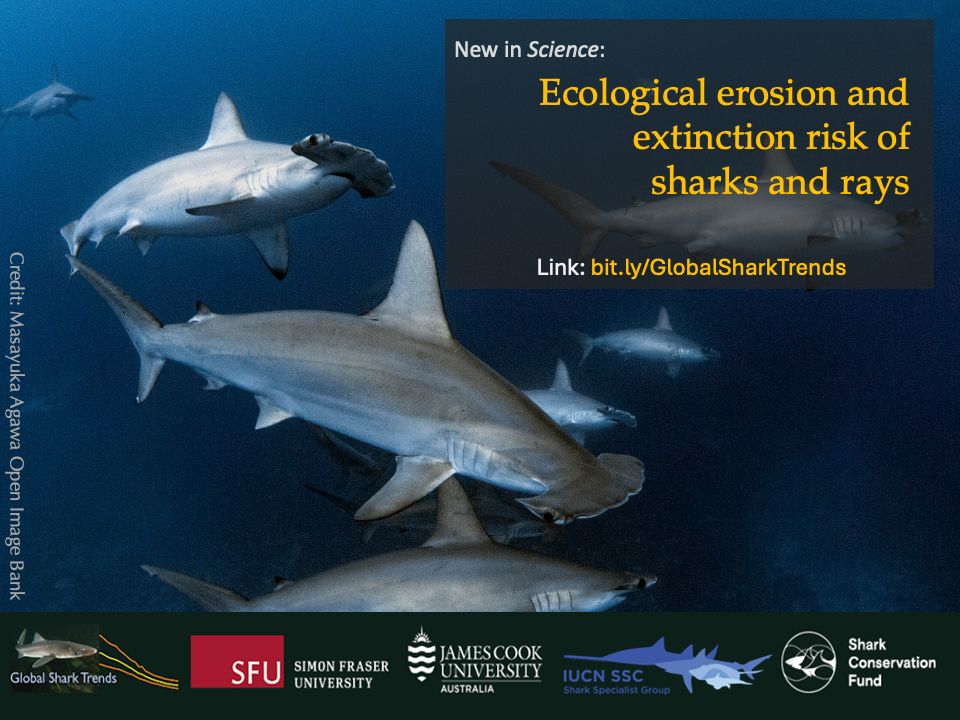
New #GlobalSharkTrends study published in @science.org reveals #overfishing has more than halved shark & ray populations over the past 50-years causing widespread erosion of ecological function and exceptionally high extinction risk
👉Full article bit.ly/GlobalSharkTrends
🧵1/20
👉Full article bit.ly/GlobalSharkTrends
🧵1/20
December 5, 2024 at 10:05 PM
New #GlobalSharkTrends study published in @science.org reveals #overfishing has more than halved shark & ray populations over the past 50-years causing widespread erosion of ecological function and exceptionally high extinction risk
👉Full article bit.ly/GlobalSharkTrends
🧵1/20
👉Full article bit.ly/GlobalSharkTrends
🧵1/20
Reposted by Kristen McSpadden

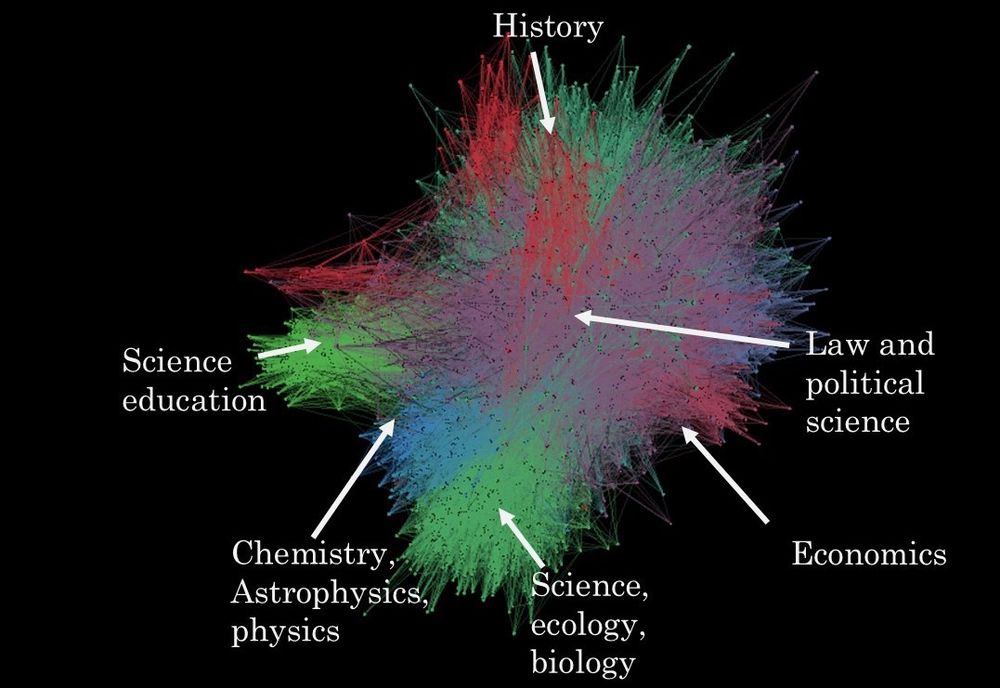
Thanks @asfbc.bsky.social for having me! #ASFB2024
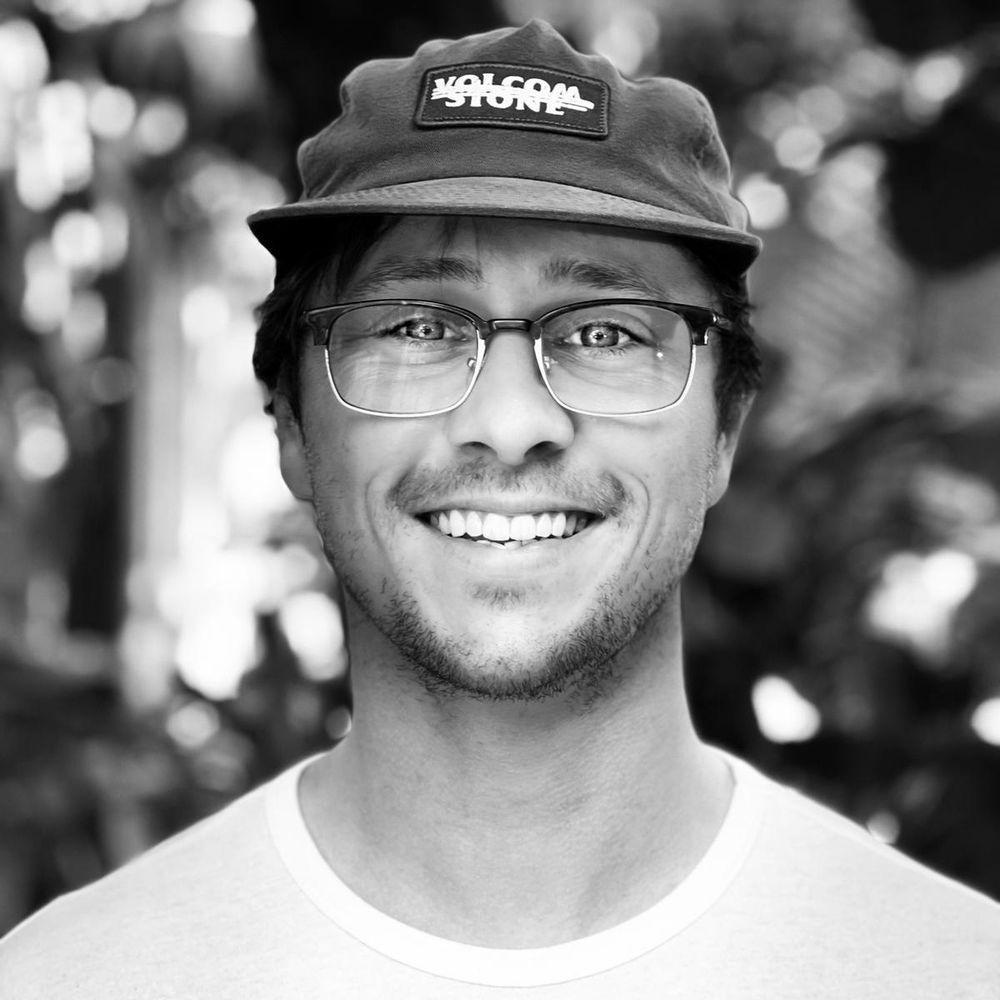
@krisfish.bsky.social introducing the million dollar question about long term trends in sea cucumber fisheries in the great barrier reef. @austsocfishbiol.bsky.social #asfb2024.

November 21, 2024 at 2:44 AM
Thanks @asfbc.bsky.social for having me! #ASFB2024
Reposted by Kristen McSpadden
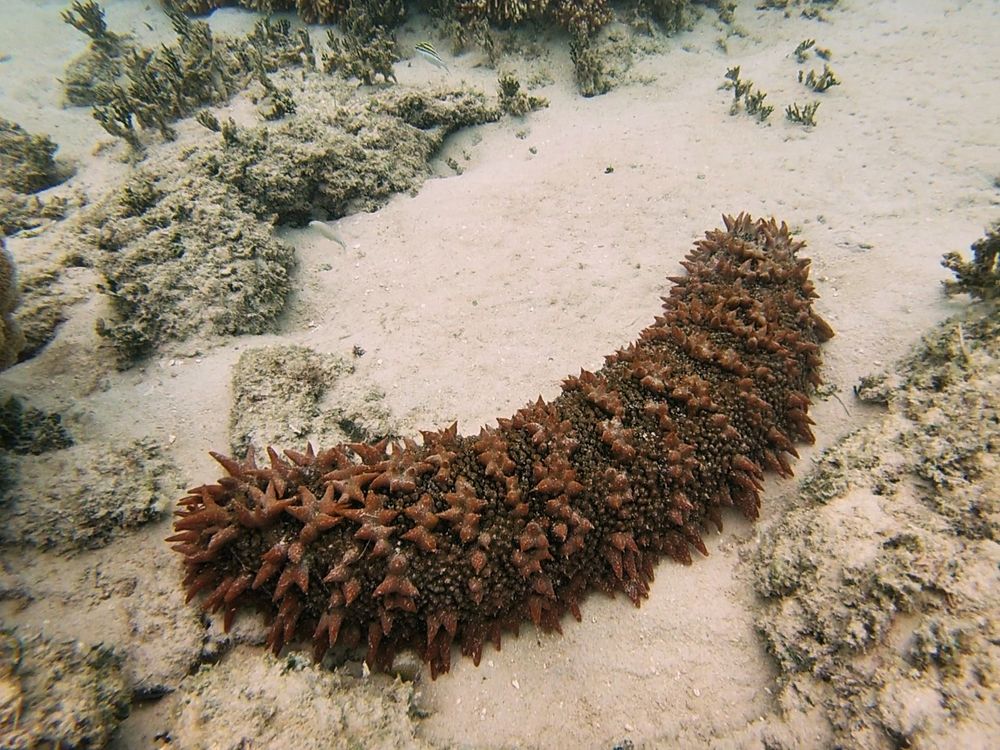
Hello new followers! I study a lot of things, but at the moment I'm deep diving into Sea Cucumbers. These animals related to sea urchins and starfish are everywhere, but while they might look like a log (uhum), research is finding they're important for our oceans 🧪🦑🧵
Pics by @krisfish.bsky.social
Pics by @krisfish.bsky.social

November 20, 2024 at 10:54 PM
Hello new followers! I study a lot of things, but at the moment I'm deep diving into Sea Cucumbers. These animals related to sea urchins and starfish are everywhere, but while they might look like a log (uhum), research is finding they're important for our oceans 🧪🦑🧵
Pics by @krisfish.bsky.social
Pics by @krisfish.bsky.social


Reposted by Kristen McSpadden
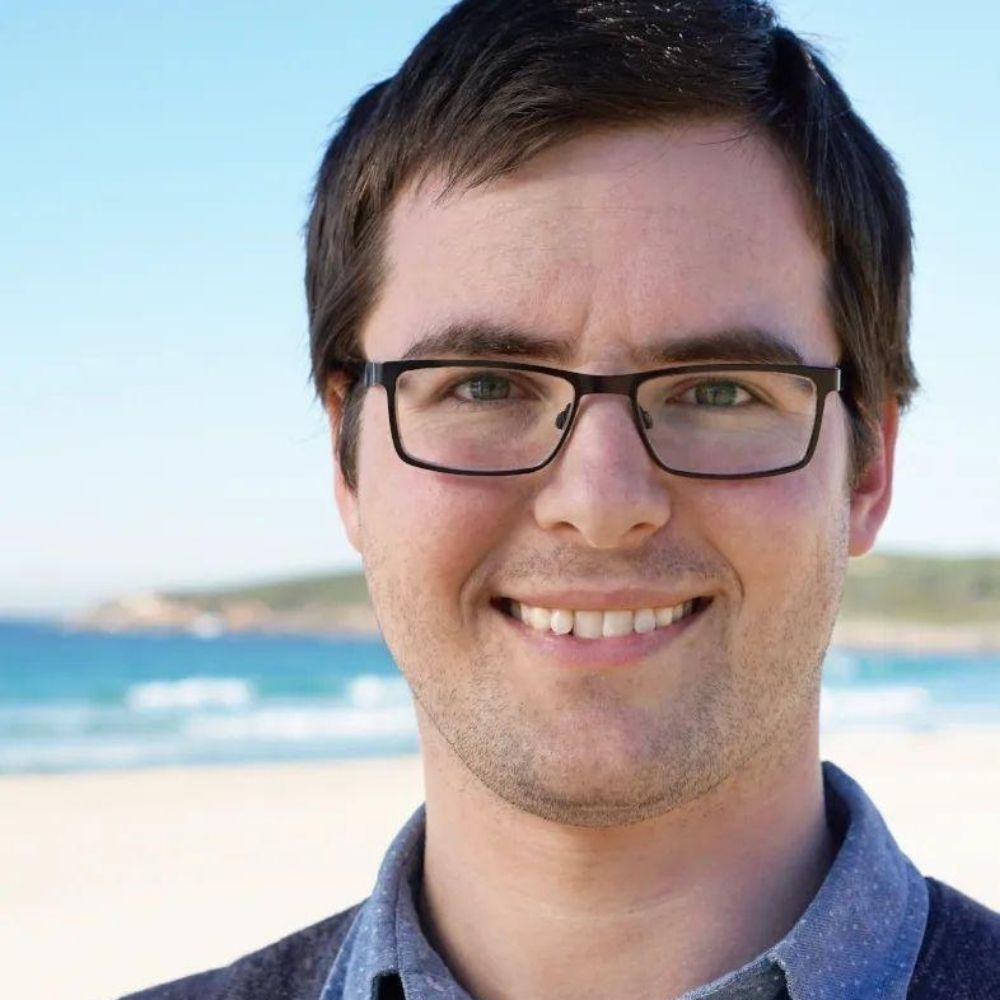
I haven't had a chance to be part of #30DayMapChallenge this year, and am a few days behind... but Day 11 "Time and space" is too good to resist:
Here's one week of ocean tides animated across Australasia (🔵= high tide, 🔴 = low tide). 🌊 Pretty incredible how complex (and hypnotic!) they are!
Here's one week of ocean tides animated across Australasia (🔵= high tide, 🔴 = low tide). 🌊 Pretty incredible how complex (and hypnotic!) they are!
November 14, 2024 at 6:09 AM
I haven't had a chance to be part of #30DayMapChallenge this year, and am a few days behind... but Day 11 "Time and space" is too good to resist:
Here's one week of ocean tides animated across Australasia (🔵= high tide, 🔴 = low tide). 🌊 Pretty incredible how complex (and hypnotic!) they are!
Here's one week of ocean tides animated across Australasia (🔵= high tide, 🔴 = low tide). 🌊 Pretty incredible how complex (and hypnotic!) they are!
Reposted by Kristen McSpadden

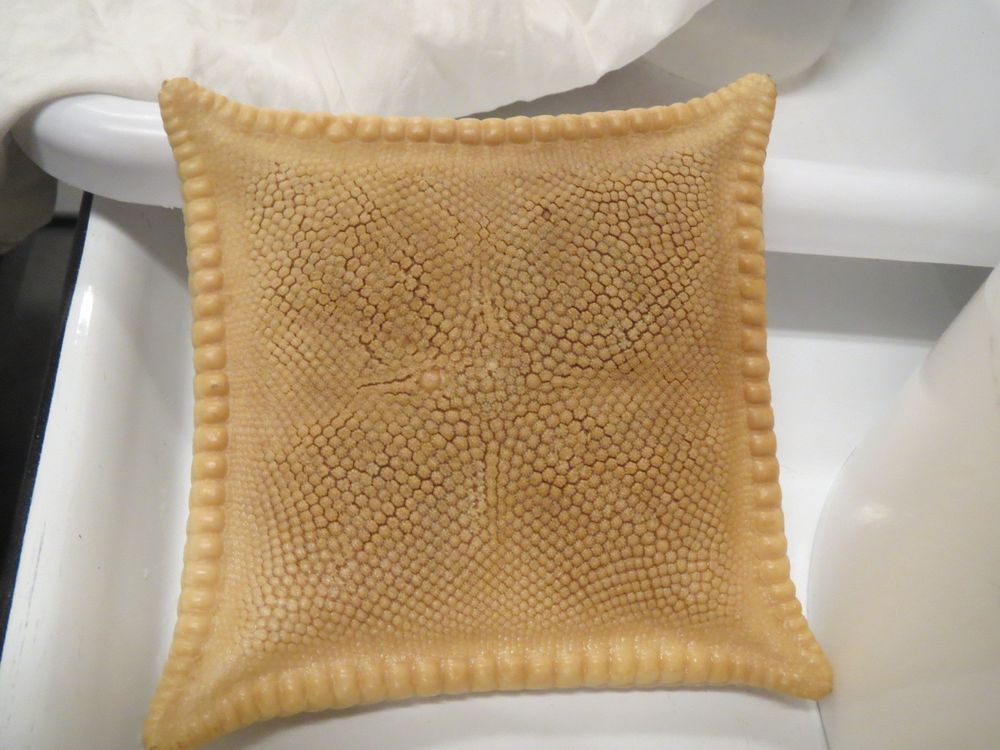
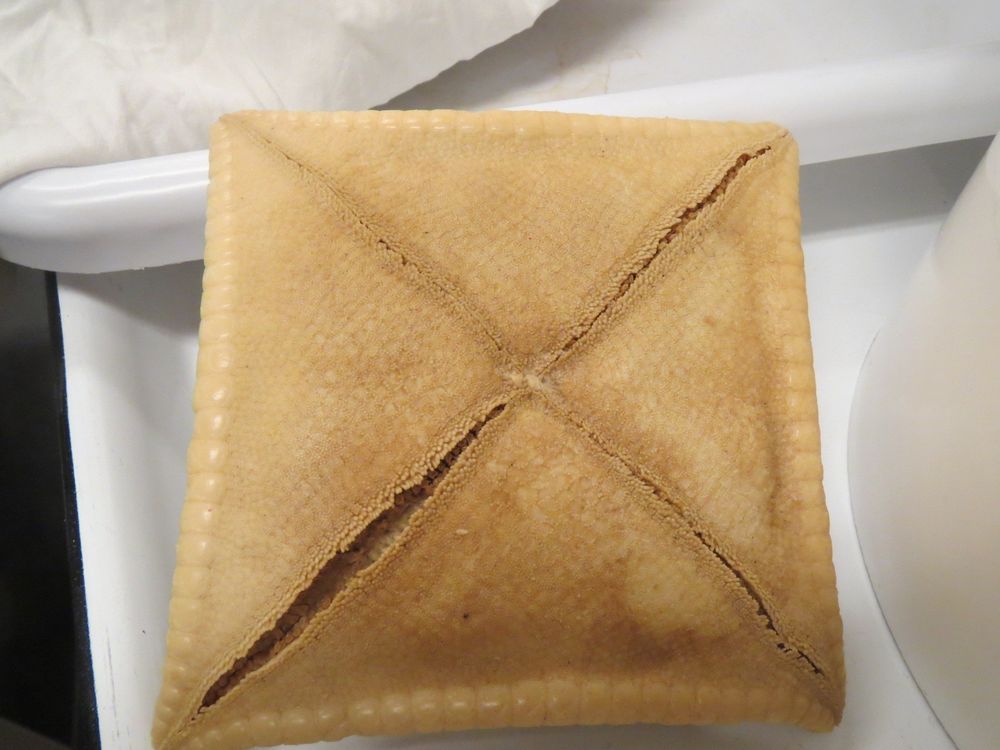
During my many museum visits-you see some CRAZY stuff! Here's a goniasterid starfish, Ceramaster patagonicus-but with only FOUR ARMS! SEA SQUARE? Ocean RAVIOLI? ha! #echinoday (specimen at California Academy of Sceinces)
November 14, 2024 at 4:43 AM
During my many museum visits-you see some CRAZY stuff! Here's a goniasterid starfish, Ceramaster patagonicus-but with only FOUR ARMS! SEA SQUARE? Ocean RAVIOLI? ha! #echinoday (specimen at California Academy of Sceinces)
Read about my Honours research from 2021 here 👇 🐠🐟
If you're a bit tired of bad news (like I am), know this:
Imaging sonar has shown almost 50 TONS of fish moving in an out of an estuary, every HOUR. They do this more at night during the day, probably to hide from predators.
Your regular fish highways...
link.springer.com/article/10.1...
Imaging sonar has shown almost 50 TONS of fish moving in an out of an estuary, every HOUR. They do this more at night during the day, probably to hide from predators.
Your regular fish highways...
link.springer.com/article/10.1...

Imaging Sonar Reveals Diel Movement of Fish Throughout a Developed Australian Estuary - Estuaries and Coasts
Estuaries present a unique interface between ocean and freshwater systems and support key fish habitats. While the role of estuaries for juvenile fish has been studied extensively, the daily movement ...
link.springer.com
November 13, 2024 at 10:41 PM
Read about my Honours research from 2021 here 👇 🐠🐟
Reposted by Kristen McSpadden
If you're a bit tired of bad news (like I am), know this:
Imaging sonar has shown almost 50 TONS of fish moving in an out of an estuary, every HOUR. They do this more at night during the day, probably to hide from predators.
Your regular fish highways...
link.springer.com/article/10.1...
Imaging sonar has shown almost 50 TONS of fish moving in an out of an estuary, every HOUR. They do this more at night during the day, probably to hide from predators.
Your regular fish highways...
link.springer.com/article/10.1...
Imaging Sonar Reveals Diel Movement of Fish Throughout a Developed Australian Estuary - Estuaries and Coasts
Estuaries present a unique interface between ocean and freshwater systems and support key fish habitats. While the role of estuaries for juvenile fish has been studied extensively, the daily movement ...
link.springer.com
November 13, 2024 at 10:20 PM
If you're a bit tired of bad news (like I am), know this:
Imaging sonar has shown almost 50 TONS of fish moving in an out of an estuary, every HOUR. They do this more at night during the day, probably to hide from predators.
Your regular fish highways...
link.springer.com/article/10.1...
Imaging sonar has shown almost 50 TONS of fish moving in an out of an estuary, every HOUR. They do this more at night during the day, probably to hide from predators.
Your regular fish highways...
link.springer.com/article/10.1...
Reposted by Kristen McSpadden
What an epic research trip on the Great Barrier Reef! Many hundreds of sea cucumbers were surveyed, over 60km of ROV transects, and I even got to sneak in some shark time. Thanks to Great Barrier Reef Foundation, the MEG lab, JCU, and UoN.
Epic photo of me by @krisfish.bsky.social
Epic photo of me by @krisfish.bsky.social

October 19, 2023 at 12:32 AM
What an epic research trip on the Great Barrier Reef! Many hundreds of sea cucumbers were surveyed, over 60km of ROV transects, and I even got to sneak in some shark time. Thanks to Great Barrier Reef Foundation, the MEG lab, JCU, and UoN.
Epic photo of me by @krisfish.bsky.social
Epic photo of me by @krisfish.bsky.social
Reposted by Kristen McSpadden
Stoked to be back on Kalinda for more #seacukescience! Going to conduct ROV and drone surveys from Townsville to Cairns over the next two weeks, fingers crossed for some nice weather. Thanks to the Great Barrier Reef Foundation

October 4, 2023 at 2:08 AM
Stoked to be back on Kalinda for more #seacukescience! Going to conduct ROV and drone surveys from Townsville to Cairns over the next two weeks, fingers crossed for some nice weather. Thanks to the Great Barrier Reef Foundation