


Katherine
@katbhave.bsky.social
She/her. Librarian, film fan, cats, WW1, former military museum person, Jonathan Bailey 🏳️⚧️🏳️🌈
Reposted by Katherine

Thanks to @katbhave.bsky.social for her generous contribution to #Gutterthon2025! She will receive a beautiful and probably not at all deadly little felt mermaid made by Maya of SW Stitchery! crowdfundr.com/Gutterthon25

December 9, 2025 at 12:57 AM
Thanks to @katbhave.bsky.social for her generous contribution to #Gutterthon2025! She will receive a beautiful and probably not at all deadly little felt mermaid made by Maya of SW Stitchery! crowdfundr.com/Gutterthon25
Reposted by Katherine
Check out the newest post from our Christchurch Correspondent. part of our Academic Practices and Digital Humanities series
@katbhave.bsky.social Has her first post, talking about the practices of family history
@katbhave.bsky.social Has her first post, talking about the practices of family history


December 8, 2025 at 3:45 PM
Check out the newest post from our Christchurch Correspondent. part of our Academic Practices and Digital Humanities series
@katbhave.bsky.social Has her first post, talking about the practices of family history
@katbhave.bsky.social Has her first post, talking about the practices of family history
Reposted by Katherine
If we're copying policies from Australia how about capital gains tax, collective bargaining agreement/stronger unions, stronger competition watch guards.
Just saying.
Just saying.
December 8, 2025 at 3:56 AM
If we're copying policies from Australia how about capital gains tax, collective bargaining agreement/stronger unions, stronger competition watch guards.
Just saying.
Just saying.
Reposted by Katherine

If you look at www.rightsaotearoa.nz you will see everything we have done this year: media releases, opinions, newsletters, submissions, letters, and more.
If you like my work, you can tip me an Xmas coffee directly at:
Paul Thistoll
03-0547-0039160-001
If you like my work, you can tip me an Xmas coffee directly at:
Paul Thistoll
03-0547-0039160-001

Rights Aotearoa
Rights Aotearoa is NZ's leading NGO focused on promoting and defending the universal human rights of all Kiwis.
www.rightsaotearoa.nz
December 7, 2025 at 9:17 PM
If you look at www.rightsaotearoa.nz you will see everything we have done this year: media releases, opinions, newsletters, submissions, letters, and more.
If you like my work, you can tip me an Xmas coffee directly at:
Paul Thistoll
03-0547-0039160-001
If you like my work, you can tip me an Xmas coffee directly at:
Paul Thistoll
03-0547-0039160-001
Reposted by Katherine
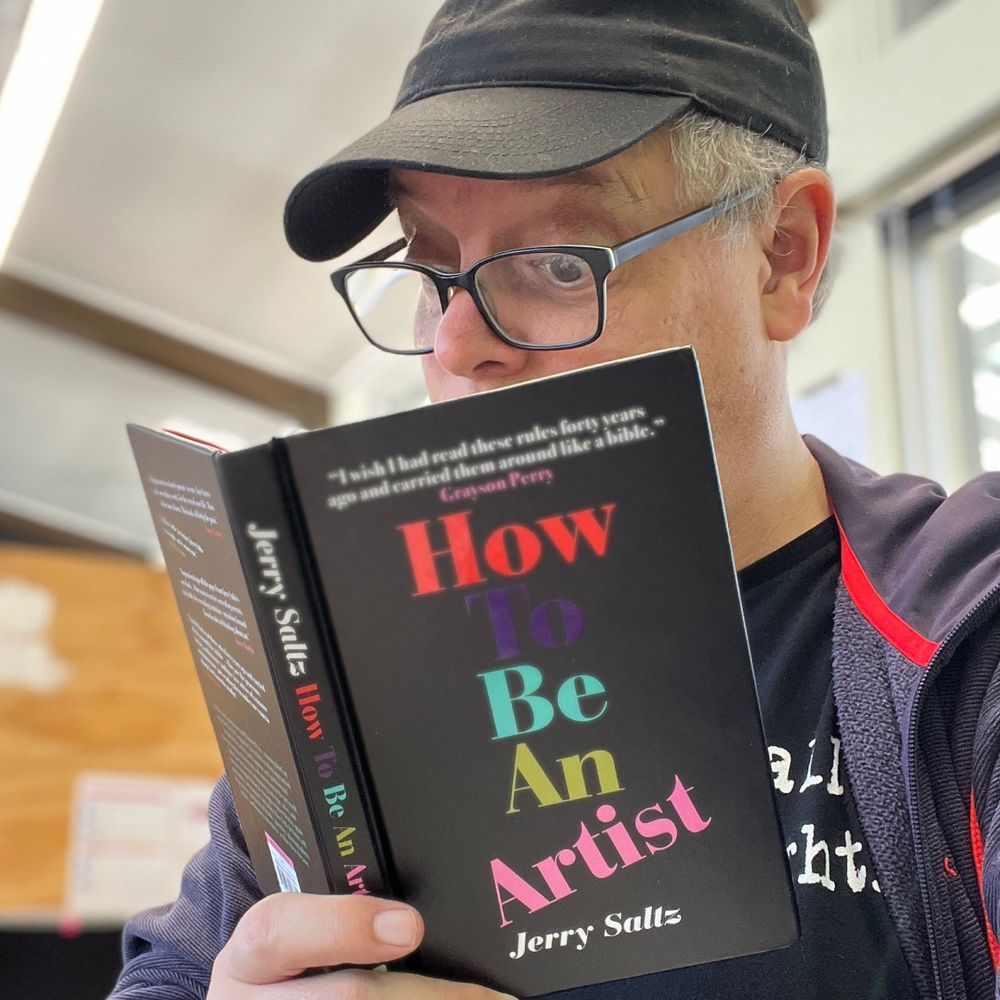
Signed and sharing
Please sign and share. #nzpol
To: Minister Simeon Brown
Reverse the decision to deny transgender and takatāpui young people access to puberty blockers our.actionstation.org.nz/petitions/re...
To: Minister Simeon Brown
Reverse the decision to deny transgender and takatāpui young people access to puberty blockers our.actionstation.org.nz/petitions/re...

Reverse the decision to deny transgender and takatāpui young people access to puberty blockers
Dear Minister Simeon Brown
We write to you as transgender and takatāpui young people of Aotearoa New Zealand to ask you to reconsider your decision to ban the use of puberty blockers (gonadotropin-re...
our.actionstation.org.nz
December 8, 2025 at 12:23 AM
Signed and sharing
IKEA pop up in Cathedral Square - what's that all about?
December 8, 2025 at 12:55 AM
IKEA pop up in Cathedral Square - what's that all about?
I think having school summer holidays and Christmas break at the same time of year puts a lot of pressure on those holidays.
Also for the last couple of years I didn't get the Xmas leave I requested so fuck that.
Also for the last couple of years I didn't get the Xmas leave I requested so fuck that.
December 7, 2025 at 11:50 PM
I think having school summer holidays and Christmas break at the same time of year puts a lot of pressure on those holidays.
Also for the last couple of years I didn't get the Xmas leave I requested so fuck that.
Also for the last couple of years I didn't get the Xmas leave I requested so fuck that.
I am on Santa's naughty list because they have been trying to make up their own account and they don't know what you mean haunting someone would explain it

I am on Santa’s naughty list because I am a very bad person but I’m very happy that I have you on the side
December 7, 2025 at 5:31 AM
I am on Santa's naughty list because they have been trying to make up their own account and they don't know what you mean haunting someone would explain it
There's no such thing as should
There's no such thing as should
There's no such thing as should
There's no such thing as should
There's no such thing as should
There's no such thing as should
There's no such thing as should
There's no such thing as should
There's no such thing as should
There's no such thing as should
There's no such thing as should
December 6, 2025 at 9:18 AM
There's no such thing as should
There's no such thing as should
There's no such thing as should
There's no such thing as should
There's no such thing as should
There's no such thing as should
There's no such thing as should
There's no such thing as should
There's no such thing as should
There's no such thing as should
There's no such thing as should
Reposted by Katherine

The Nobel Prize committee should announce the World Cup winner tomorrow
December 6, 2025 at 4:29 AM
The Nobel Prize committee should announce the World Cup winner tomorrow
Reposted by Katherine

Any cardigan can be a sex cardigan if you have sex in it. (Librarians 69:34)
December 5, 2025 at 2:05 AM
Any cardigan can be a sex cardigan if you have sex in it. (Librarians 69:34)
We made the Guardian...
www.theguardian.com/world/2025/d...
www.theguardian.com/world/2025/d...

New Zealand assembles for opening of its first Ikea store
Overnight camping was banned and motorists were told to plan their journey as New Zealand finally joined the flatpack family
www.theguardian.com
December 4, 2025 at 5:53 AM
We made the Guardian...
www.theguardian.com/world/2025/d...
www.theguardian.com/world/2025/d...
Reposted by Katherine

Only evil assholes mess with libraries and librarians.
December 4, 2025 at 2:44 AM
Only evil assholes mess with libraries and librarians.
Toxic boss
Toxic mother
Why did this happen?
How did this happen?
How the fuck do I ever work again?
Toxic mother
Why did this happen?
How did this happen?
How the fuck do I ever work again?

I don't want your spotify wrapped I want to know what were your top 5 intrusive thoughts this year
December 4, 2025 at 5:34 AM
Toxic boss
Toxic mother
Why did this happen?
How did this happen?
How the fuck do I ever work again?
Toxic mother
Why did this happen?
How did this happen?
How the fuck do I ever work again?
Reposted by Katherine

All I want for Christmas is for the worst people in the world to experience some consequences
December 3, 2025 at 8:03 PM
All I want for Christmas is for the worst people in the world to experience some consequences
Gonna play Oblivion and distract from all the things overwhelming me right now
December 4, 2025 at 12:48 AM
Gonna play Oblivion and distract from all the things overwhelming me right now
Reposted by Katherine
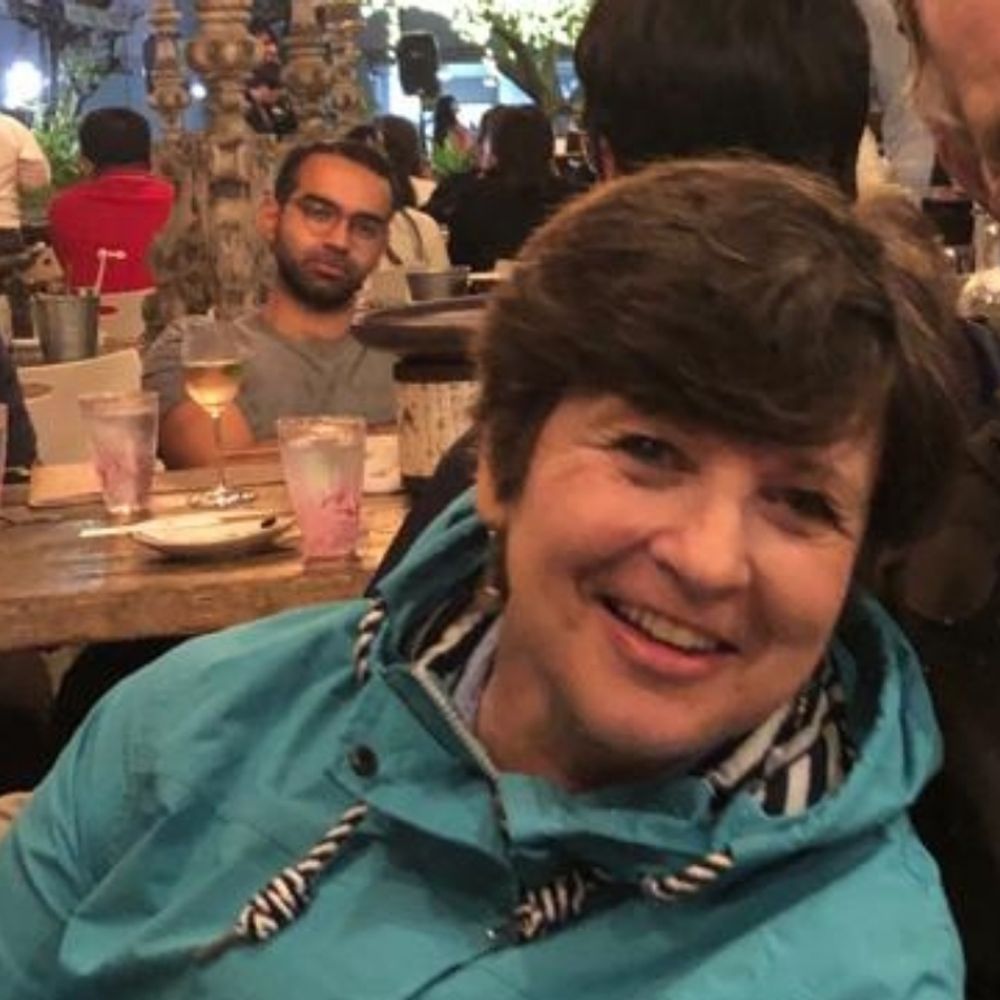
I hope someone draws this wonderful story about Tom Stoppard's Arcadia and the power of the arts to help us see things differently, to the attention of our Education Secretary. Do read it, it will lift your spirits.

December 2, 2025 at 10:59 AM
I hope someone draws this wonderful story about Tom Stoppard's Arcadia and the power of the arts to help us see things differently, to the attention of our Education Secretary. Do read it, it will lift your spirits.
Now I like this!!! Hehe

This year, as in all years, I will be playing Whamagettin.

December 3, 2025 at 5:30 AM
Now I like this!!! Hehe
Reposted by Katherine

Tamariki and rangatahi (0–18 years) are invited to join Mānuka Stories, our summer reading challenge inspired by mātauranga Māori. It's on from now until 30 January 2026.
When the mānuka blooms, it’s time to read!
my.christchurchcitylibraries.com/manuka-stori...
When the mānuka blooms, it’s time to read!
my.christchurchcitylibraries.com/manuka-stori...

December 3, 2025 at 3:32 AM
Tamariki and rangatahi (0–18 years) are invited to join Mānuka Stories, our summer reading challenge inspired by mātauranga Māori. It's on from now until 30 January 2026.
When the mānuka blooms, it’s time to read!
my.christchurchcitylibraries.com/manuka-stori...
When the mānuka blooms, it’s time to read!
my.christchurchcitylibraries.com/manuka-stori...
Reposted by Katherine

How about we worry less, as a society, about whether individuals might be cheating to get a disability accommodation or some help buying food, and more about whether extremely wealthy people and corporations are paying their fair share of taxes?
December 2, 2025 at 9:42 PM
How about we worry less, as a society, about whether individuals might be cheating to get a disability accommodation or some help buying food, and more about whether extremely wealthy people and corporations are paying their fair share of taxes?
Reposted by Katherine

Today is World AIDS Day, a day that reminds me of the decades-long fight for dignity, science, and compassion. We’ve come so far because activists, researchers, and communities refused to be ignored.
December 1, 2025 at 4:56 PM
Today is World AIDS Day, a day that reminds me of the decades-long fight for dignity, science, and compassion. We’ve come so far because activists, researchers, and communities refused to be ignored.
Reposted by Katherine

I signed. I encourage you to support whānau our.actionstation.org.nz/petitions/re... #nzpol

Reverse the decision to deny transgender and takatāpui young people access to puberty blockers
Dear Minister Simeon Brown
We write to you as transgender and takatāpui young people of Aotearoa New Zealand to ask you to reconsider your decision to ban the use of puberty blockers (gonadotropin-re...
our.actionstation.org.nz
December 2, 2025 at 3:00 AM
I signed. I encourage you to support whānau our.actionstation.org.nz/petitions/re... #nzpol
Reposted by Katherine
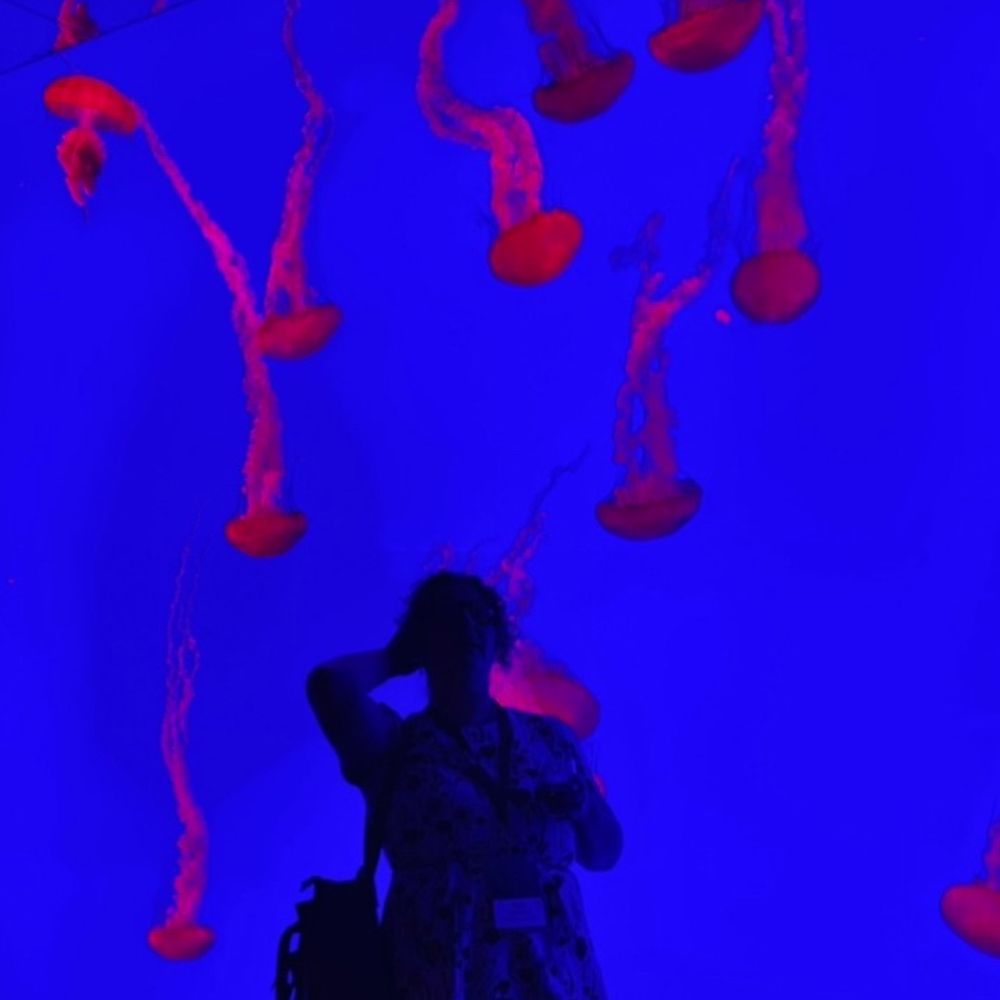
Since it’s World AIDS Day bleeding into Giving Tuesday… you may want to support Toronto’s AIDS hospice Casey House.
caseyhouse.ca
caseyhouse.ca
Casey House
caseyhouse.ca
December 2, 2025 at 3:59 AM
Since it’s World AIDS Day bleeding into Giving Tuesday… you may want to support Toronto’s AIDS hospice Casey House.
caseyhouse.ca
caseyhouse.ca
Out already #whamageddon thanks local radio.....
December 1, 2025 at 2:00 AM
Out already #whamageddon thanks local radio.....