
Infectious Disease Epidemiology and Ecology Lab
@ideel.bsky.social
A diverse group of highly collaborative investigators at the University of North Carolina, Brown University, and Imperial College London, with numerous global collaborators, who study how pathogens (especially malaria) interact with human hosts.
Reposted by Infectious Disease Epidemiology and Ecology Lab

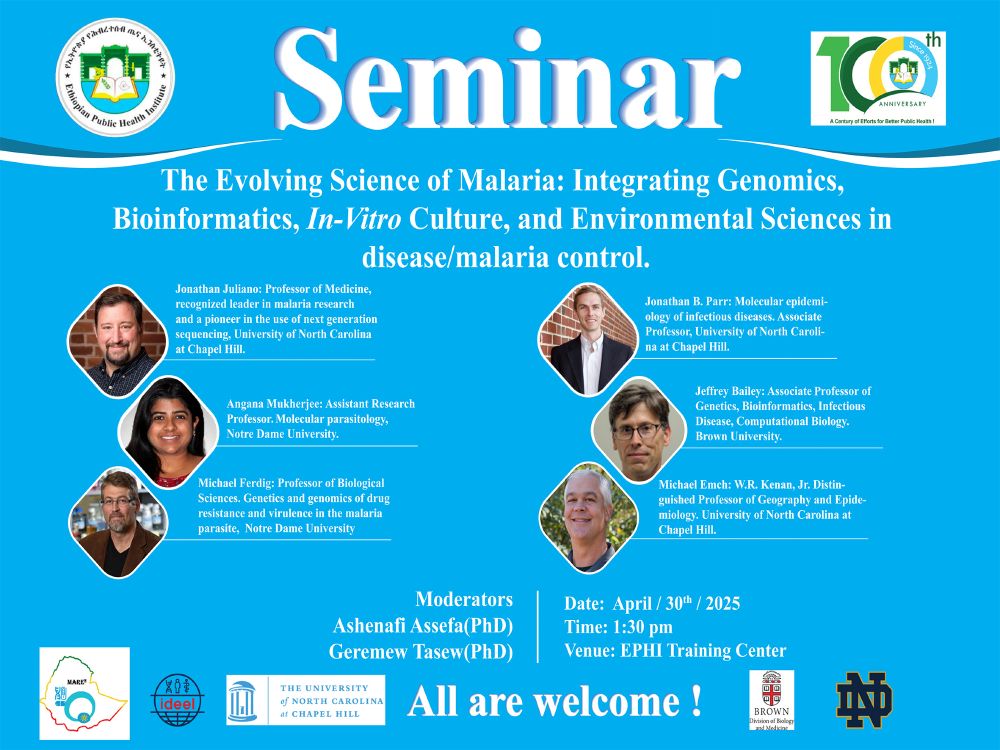
Seminar at the Ethiopian Public Health Institute (EPHI)
@ideel.bsky.social
@ideel.bsky.social
April 23, 2025 at 2:38 PM
Seminar at the Ethiopian Public Health Institute (EPHI)
@ideel.bsky.social
@ideel.bsky.social
Reposted by Infectious Disease Epidemiology and Ecology Lab
Our new article: "Increasing day three parasitaemia...
SW Ethiopia" TES. This is a relevant given the increasing reports of partial ACT resistance markers in E/Africa. @ideel.bsky.social
doi.org/10.1186/s129...
SW Ethiopia" TES. This is a relevant given the increasing reports of partial ACT resistance markers in E/Africa. @ideel.bsky.social
doi.org/10.1186/s129...
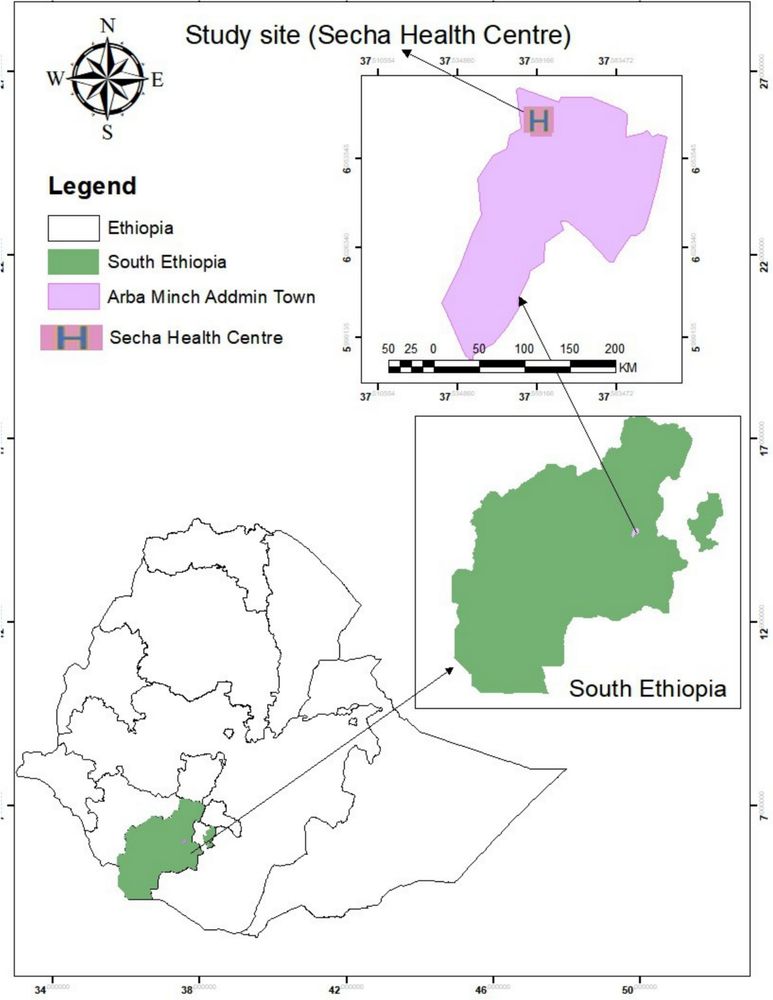
Increasing day three parasitaemia is observed after treatment of patients with artemether-lumefantrine and single dose of primaquine for uncomplicated Plasmodium falciparum malaria in Arbaminch Zuria ...
Background Since 2017, the first-line treatment for uncomplicated Plasmodium falciparum infection in Ethiopia has been artemether-lumefantrine (AL), plus a single dose of primaquine (PQ). The World He...
doi.org
March 19, 2025 at 9:33 PM
Our new article: "Increasing day three parasitaemia...
SW Ethiopia" TES. This is a relevant given the increasing reports of partial ACT resistance markers in E/Africa. @ideel.bsky.social
doi.org/10.1186/s129...
SW Ethiopia" TES. This is a relevant given the increasing reports of partial ACT resistance markers in E/Africa. @ideel.bsky.social
doi.org/10.1186/s129...
Reposted by Infectious Disease Epidemiology and Ecology Lab

Almost five years after I graduated, the second paper from my dissertation has just been published in @biomedcentral.bsky.social Ecology and Evolution! More data points on the potential genetic drivers of vertebrate host preference in the Anopheles gambiae complex 🦟 link.springer.com/article/10.1...
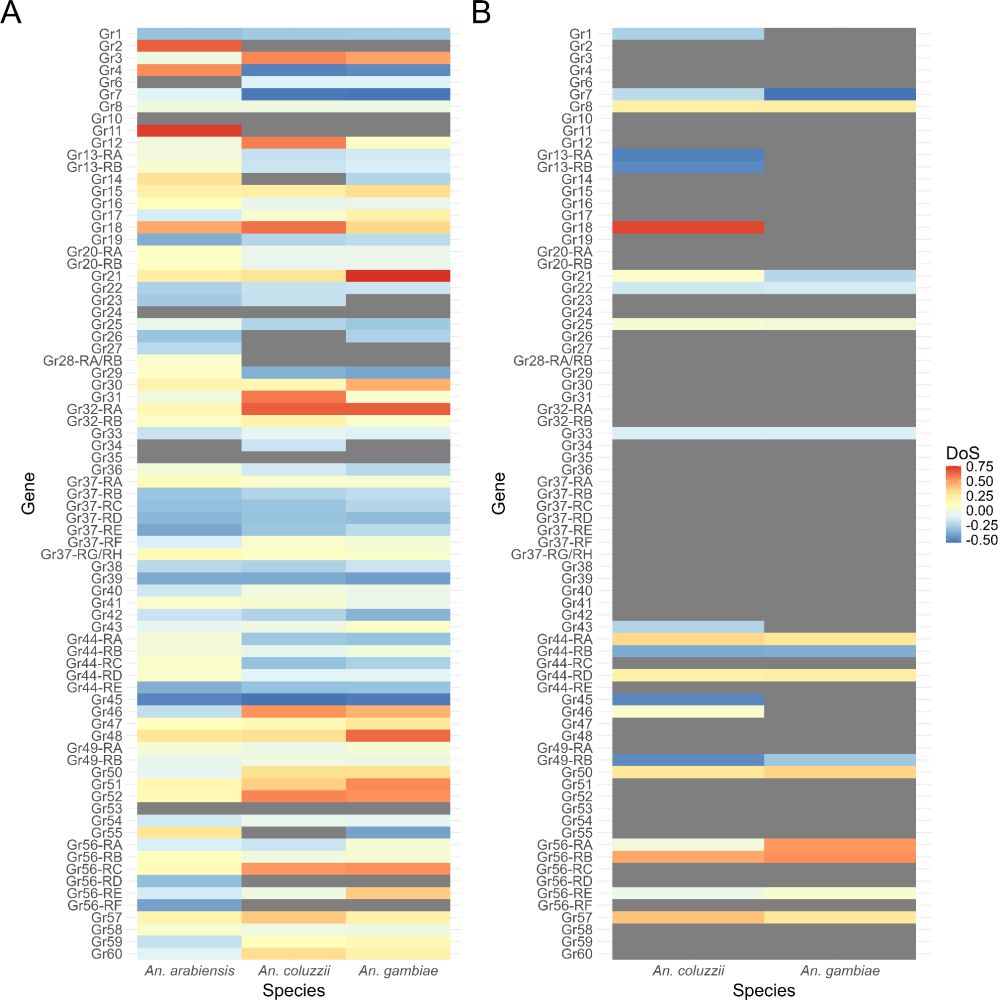
Molecular evolution of gustatory receptors in the Anopheles gambiae complex - BMC Ecology and Evolution
Background Mosquitoes in the Anopheles (An.) gambiae species complex are major vectors of Plasmodium falciparum malaria. One reason for this is the high anthropophily of the constituent species An. co...
link.springer.com
March 17, 2025 at 1:02 PM
Almost five years after I graduated, the second paper from my dissertation has just been published in @biomedcentral.bsky.social Ecology and Evolution! More data points on the potential genetic drivers of vertebrate host preference in the Anopheles gambiae complex 🦟 link.springer.com/article/10.1...