



Emily Mather
@emilymather.bsky.social
Psychology lecturer | University of Hull, UK |Interested in language, learning, and development. #FirstGenUni
Reposted by Emily Mather

Don't worry academics, it's still only August 32nd. Still plenty of time!
September 1, 2025 at 9:31 AM
Don't worry academics, it's still only August 32nd. Still plenty of time!
Reposted by Emily Mather
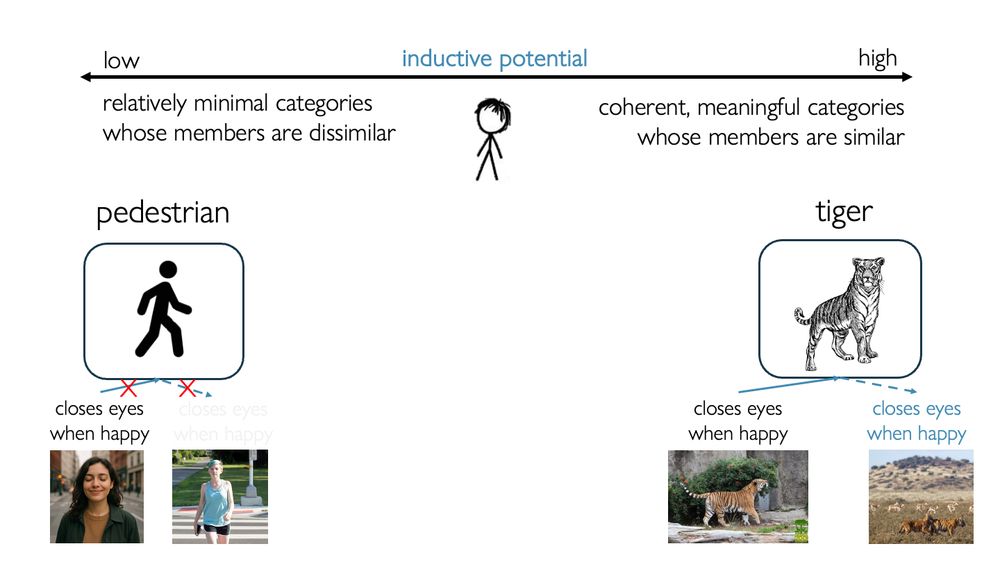
📣 new paper! people use some categories to generalize (e.g., we generalize something we learn about one tiger 🐯 to other tigers 🐅), but not others (e.g., we don't generalize from one pedestrian 🚶 to other pedestrians 🚶♂️). how do people learn what categories allow for generalization? 🧵
July 31, 2025 at 6:10 AM
📣 new paper! people use some categories to generalize (e.g., we generalize something we learn about one tiger 🐯 to other tigers 🐅), but not others (e.g., we don't generalize from one pedestrian 🚶 to other pedestrians 🚶♂️). how do people learn what categories allow for generalization? 🧵
Reposted by Emily Mather
📢 Researchers in bilingualism & word learning!
I'm doing a meta-analysis on the bilingual advantage & seeking unpublished data comparing bilinguals vs monolinguals.
Summary stats or raw data welcome (confidential).
Pre-reg 👉 osf.io/6a7yg/
DM me or share if you know someone! 🙏
I'm doing a meta-analysis on the bilingual advantage & seeking unpublished data comparing bilinguals vs monolinguals.
Summary stats or raw data welcome (confidential).
Pre-reg 👉 osf.io/6a7yg/
DM me or share if you know someone! 🙏

The “Bilingual Advantage” in Word Learning: A Meta-Analysis
Hosted on the Open Science Framework
osf.io
June 25, 2025 at 12:33 PM
📢 Researchers in bilingualism & word learning!
I'm doing a meta-analysis on the bilingual advantage & seeking unpublished data comparing bilinguals vs monolinguals.
Summary stats or raw data welcome (confidential).
Pre-reg 👉 osf.io/6a7yg/
DM me or share if you know someone! 🙏
I'm doing a meta-analysis on the bilingual advantage & seeking unpublished data comparing bilinguals vs monolinguals.
Summary stats or raw data welcome (confidential).
Pre-reg 👉 osf.io/6a7yg/
DM me or share if you know someone! 🙏
Reposted by Emily Mather

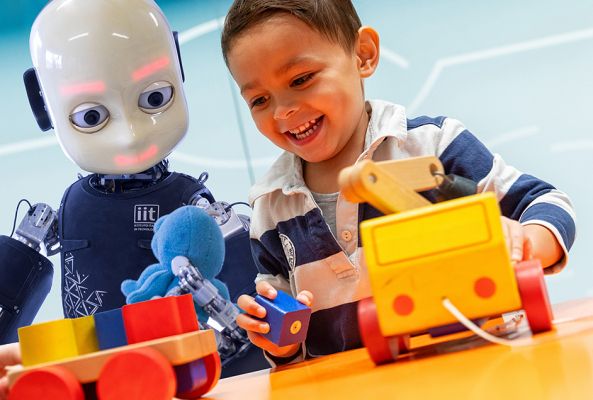
🧒🧠 If humans learned language like AI, it would take 92,000 years. Luckily, new research from Caroline Rowland (@mpi-nl.bsky.social) shows children learn through touch, movement & play as well.
Brains over bots 👇
www.mpi.nl/news/brains-...
Brains over bots 👇
www.mpi.nl/news/brains-...
June 25, 2025 at 1:57 PM
🧒🧠 If humans learned language like AI, it would take 92,000 years. Luckily, new research from Caroline Rowland (@mpi-nl.bsky.social) shows children learn through touch, movement & play as well.
Brains over bots 👇
www.mpi.nl/news/brains-...
Brains over bots 👇
www.mpi.nl/news/brains-...
Reposted by Emily Mather
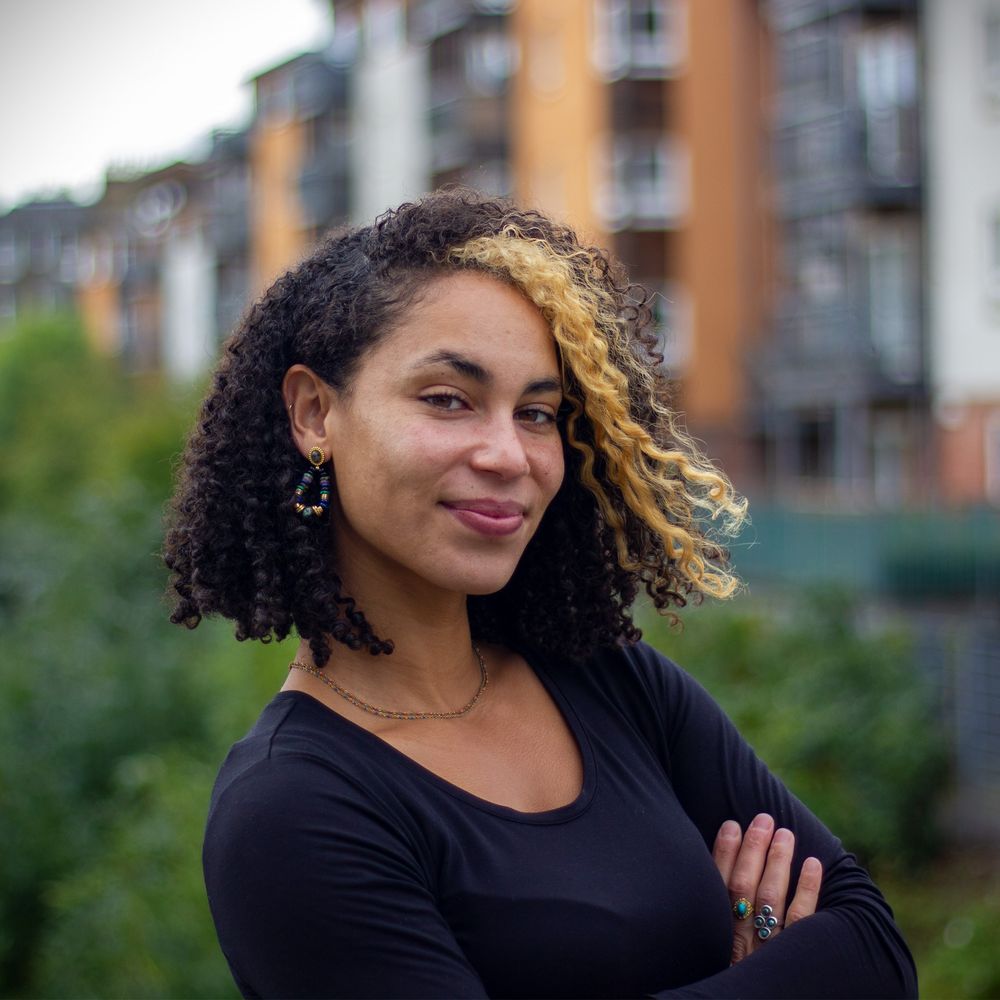
New paper just dropped🎉 With novel "Curiosity Boxes", we find that chimps & children are very curious about social interactions, & some even give up a reward to gain info! Fun collaboration with @alisongopnik.bsky.social, @janengelmann.bsky.social & others royalsocietypublishing.org/doi/10.1098/...
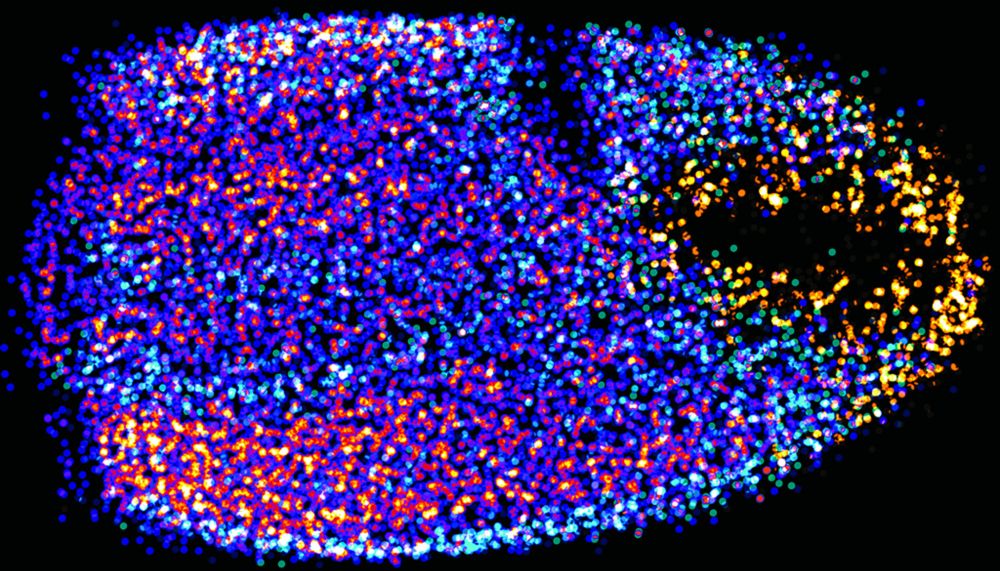
Chimpanzees and children are curious about social interactions | Proceedings of the Royal Society B: Biological Sciences
Curiosity is adaptive, enhances learning, and reduces uncertainty. Social curiosity
is defined as the motivation to gain information about the actions, relationships,
and psychology of others. Little ...
royalsocietypublishing.org
June 6, 2025 at 4:44 PM
New paper just dropped🎉 With novel "Curiosity Boxes", we find that chimps & children are very curious about social interactions, & some even give up a reward to gain info! Fun collaboration with @alisongopnik.bsky.social, @janengelmann.bsky.social & others royalsocietypublishing.org/doi/10.1098/...
Reposted by Emily Mather
“Child-Directed Language Does Not Consistently Boost Syntax Learning in Language Models”
I’m happy to share that the preprint of my first PhD project is now online!
🎊 Paper: arxiv.org/abs/2505.23689
I’m happy to share that the preprint of my first PhD project is now online!
🎊 Paper: arxiv.org/abs/2505.23689

Child-Directed Language Does Not Consistently Boost Syntax Learning in Language Models
Seminal work by Huebner et al. (2021) showed that language models (LMs) trained on English Child-Directed Language (CDL) can reach similar syntactic abilities as LMs trained on much larger amounts of ...
arxiv.org
May 30, 2025 at 7:40 AM
“Child-Directed Language Does Not Consistently Boost Syntax Learning in Language Models”
I’m happy to share that the preprint of my first PhD project is now online!
🎊 Paper: arxiv.org/abs/2505.23689
I’m happy to share that the preprint of my first PhD project is now online!
🎊 Paper: arxiv.org/abs/2505.23689
New paper! Word learning meta-analysis out now w/ Shane Lindsay.
Building on Lewis et al. (2020), we look at retention of mappings formed via mutual exclusivity.
We find a small effect size for retention – further reduced by pub bias correction. More in the paper 👇
Non-paywalled: bit.ly/4kFvtUY
Building on Lewis et al. (2020), we look at retention of mappings formed via mutual exclusivity.
We find a small effect size for retention – further reduced by pub bias correction. More in the paper 👇
Non-paywalled: bit.ly/4kFvtUY
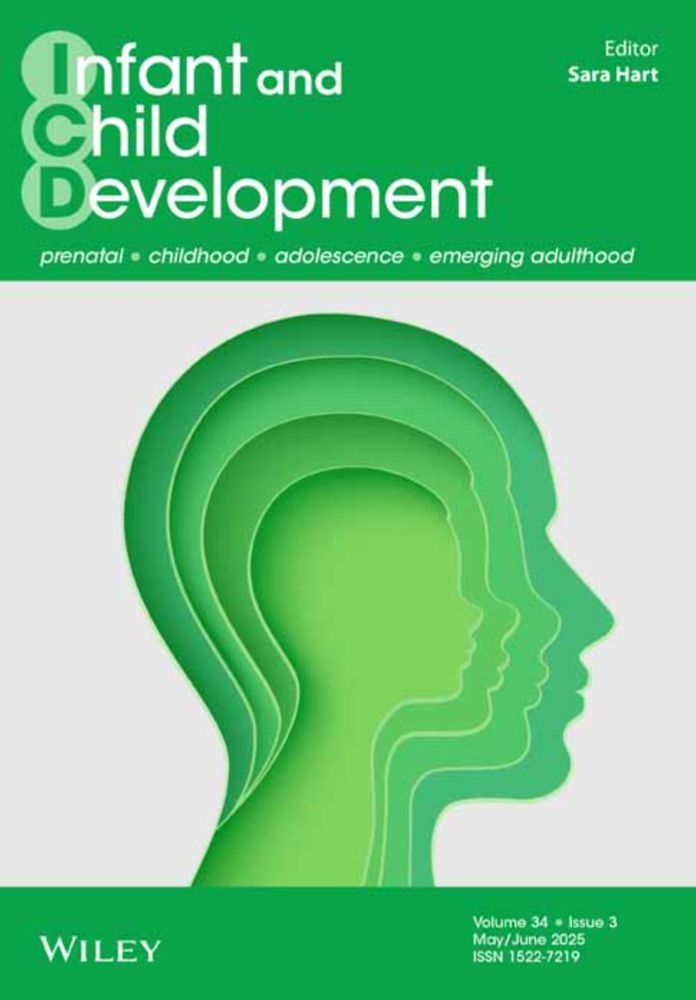
How Well Do Children Remember Fast‐Mapped Words? A Pre‐Registered Meta‐Analysis of Retention Following the Mutual Exclusivity Response
There is widespread evidence that children display a mutual exclusivity response upon encountering new words. Children displaying this behaviour will select a novel, name-unknown object in response t...
onlinelibrary.wiley.com
May 29, 2025 at 2:25 PM
New paper! Word learning meta-analysis out now w/ Shane Lindsay.
Building on Lewis et al. (2020), we look at retention of mappings formed via mutual exclusivity.
We find a small effect size for retention – further reduced by pub bias correction. More in the paper 👇
Non-paywalled: bit.ly/4kFvtUY
Building on Lewis et al. (2020), we look at retention of mappings formed via mutual exclusivity.
We find a small effect size for retention – further reduced by pub bias correction. More in the paper 👇
Non-paywalled: bit.ly/4kFvtUY
Reposted by Emily Mather
Funded PhD opportunity with @sjblakemore.bsky.social and I, at Cambridge. We are looking for someone interested in developmental science, to start in the coming academic year. Please share it with anyone you think might be interested (see details attached 😁).
drive.google.com/file/d/1RIvg...
drive.google.com/file/d/1RIvg...
Funded PhD opportunity.pdf
drive.google.com
May 27, 2025 at 1:49 PM
Funded PhD opportunity with @sjblakemore.bsky.social and I, at Cambridge. We are looking for someone interested in developmental science, to start in the coming academic year. Please share it with anyone you think might be interested (see details attached 😁).
drive.google.com/file/d/1RIvg...
drive.google.com/file/d/1RIvg...
Reposted by Emily Mather

All redundancy is awful, the fear, the sense of failure, the challenge of finding other work. It's such a common disaster in the UK most families know it.
But looking at my academic friends facing it now, it's particularly bad. They have twisted their whole lives around the pursuit of these roles >
But looking at my academic friends facing it now, it's particularly bad. They have twisted their whole lives around the pursuit of these roles >
May 18, 2025 at 12:31 PM
All redundancy is awful, the fear, the sense of failure, the challenge of finding other work. It's such a common disaster in the UK most families know it.
But looking at my academic friends facing it now, it's particularly bad. They have twisted their whole lives around the pursuit of these roles >
But looking at my academic friends facing it now, it's particularly bad. They have twisted their whole lives around the pursuit of these roles >
Reposted by Emily Mather
Our meta-meta-analysis is officially out! (w/ Molly Lewis, Sho Tsuji, @chbergma.bsky.social, @acristia.bsky.social, and @mcxfrank.bsky.social!)
Estimating age-related change in infants’ linguistic and cognitive development using (meta-)meta-analysis
onlinelibrary.wiley.com/doi/10.1111/...
Estimating age-related change in infants’ linguistic and cognitive development using (meta-)meta-analysis
onlinelibrary.wiley.com/doi/10.1111/...
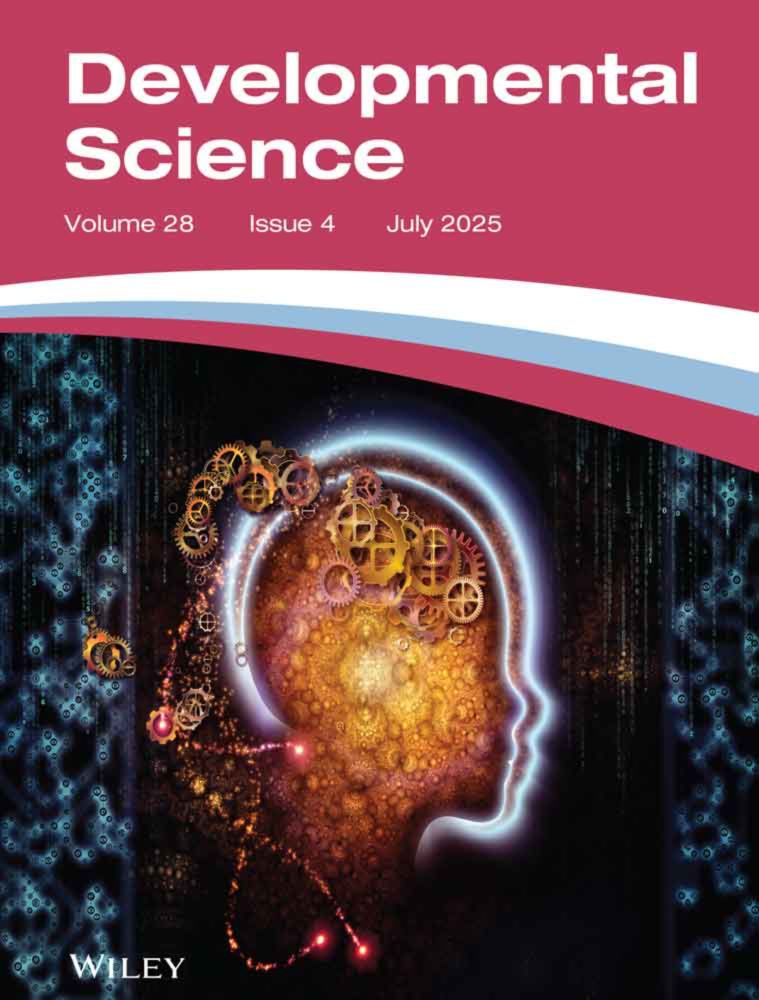
Estimating Age‐Related Change in Infants' Linguistic and Cognitive Development Using (Meta‐)Meta‐Analysis
Developmental psychology focuses on how psychological constructs change with age. In cognitive development research, however, the specifics of this emergence is often underspecified. Researchers ofte...
onlinelibrary.wiley.com
May 12, 2025 at 5:51 PM
Our meta-meta-analysis is officially out! (w/ Molly Lewis, Sho Tsuji, @chbergma.bsky.social, @acristia.bsky.social, and @mcxfrank.bsky.social!)
Estimating age-related change in infants’ linguistic and cognitive development using (meta-)meta-analysis
onlinelibrary.wiley.com/doi/10.1111/...
Estimating age-related change in infants’ linguistic and cognitive development using (meta-)meta-analysis
onlinelibrary.wiley.com/doi/10.1111/...
Reposted by Emily Mather

"How infants learn and explore: From behavior to computations" 👶⚙️
This review outlines my take on early development, mostly driven by frustration that infancy research focuses on what infants can do, not how.
Still a Preprint! Missing-literature suggestions welcome :)
osf.io/preprints/ps...
This review outlines my take on early development, mostly driven by frustration that infancy research focuses on what infants can do, not how.
Still a Preprint! Missing-literature suggestions welcome :)
osf.io/preprints/ps...
OSF
osf.io
April 29, 2025 at 3:52 PM
"How infants learn and explore: From behavior to computations" 👶⚙️
This review outlines my take on early development, mostly driven by frustration that infancy research focuses on what infants can do, not how.
Still a Preprint! Missing-literature suggestions welcome :)
osf.io/preprints/ps...
This review outlines my take on early development, mostly driven by frustration that infancy research focuses on what infants can do, not how.
Still a Preprint! Missing-literature suggestions welcome :)
osf.io/preprints/ps...
Reposted by Emily Mather

The number of UK universities actively making redundancies has now risen to 93. This will rise to 100 this summer and then get worse.
qmucu.org/qmul-transfo...
qmucu.org/qmul-transfo...

UK HE shrinking
a live page of all the redundancies and restructures happening across UK Higher Education. Page is updated regularly.
qmucu.org
April 19, 2025 at 1:22 PM
The number of UK universities actively making redundancies has now risen to 93. This will rise to 100 this summer and then get worse.
qmucu.org/qmul-transfo...
qmucu.org/qmul-transfo...
Reposted by Emily Mather
Can confirm that my NSF grant "How False Beliefs Form & How to Correct Them" was cancelled today because it is "not in alignment with current NSF priorities" Shocking that understanding how people are misled by false information is now a forbidden topic. Our work will continue but at a smaller scale

NSF has posted an “update on priorities.”
They’re canceling all “DEI and misinformation/disinformation” grants.
And the guidance on how to fulfill the longstanding, legally mandated Broadening Participation requirement is utterly incoherent.
www.nsf.gov/updates-on-p...
They’re canceling all “DEI and misinformation/disinformation” grants.
And the guidance on how to fulfill the longstanding, legally mandated Broadening Participation requirement is utterly incoherent.
www.nsf.gov/updates-on-p...

Updates on NSF Priorities
www.nsf.gov
April 18, 2025 at 10:40 PM
Can confirm that my NSF grant "How False Beliefs Form & How to Correct Them" was cancelled today because it is "not in alignment with current NSF priorities" Shocking that understanding how people are misled by false information is now a forbidden topic. Our work will continue but at a smaller scale
Reposted by Emily Mather
New paper out at @openmindjournal.bsky.social!!
We studied early vocab in deaf, hearing, blind, and sighted children in order to learn how sensory access (vision 👀, hearing 👂) and linguistic experiences shape how children learn words...
Read on for a quick summary! 1/N
We studied early vocab in deaf, hearing, blind, and sighted children in order to learn how sensory access (vision 👀, hearing 👂) and linguistic experiences shape how children learn words...
Read on for a quick summary! 1/N

April 17, 2025 at 5:12 PM
New paper out at @openmindjournal.bsky.social!!
We studied early vocab in deaf, hearing, blind, and sighted children in order to learn how sensory access (vision 👀, hearing 👂) and linguistic experiences shape how children learn words...
Read on for a quick summary! 1/N
We studied early vocab in deaf, hearing, blind, and sighted children in order to learn how sensory access (vision 👀, hearing 👂) and linguistic experiences shape how children learn words...
Read on for a quick summary! 1/N
Reposted by Emily Mather
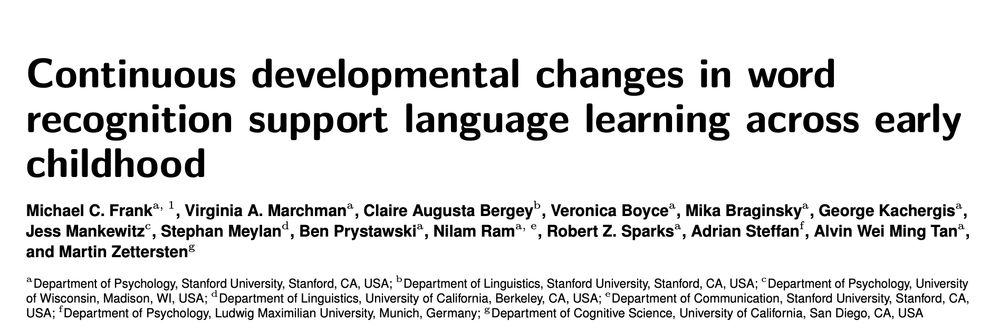
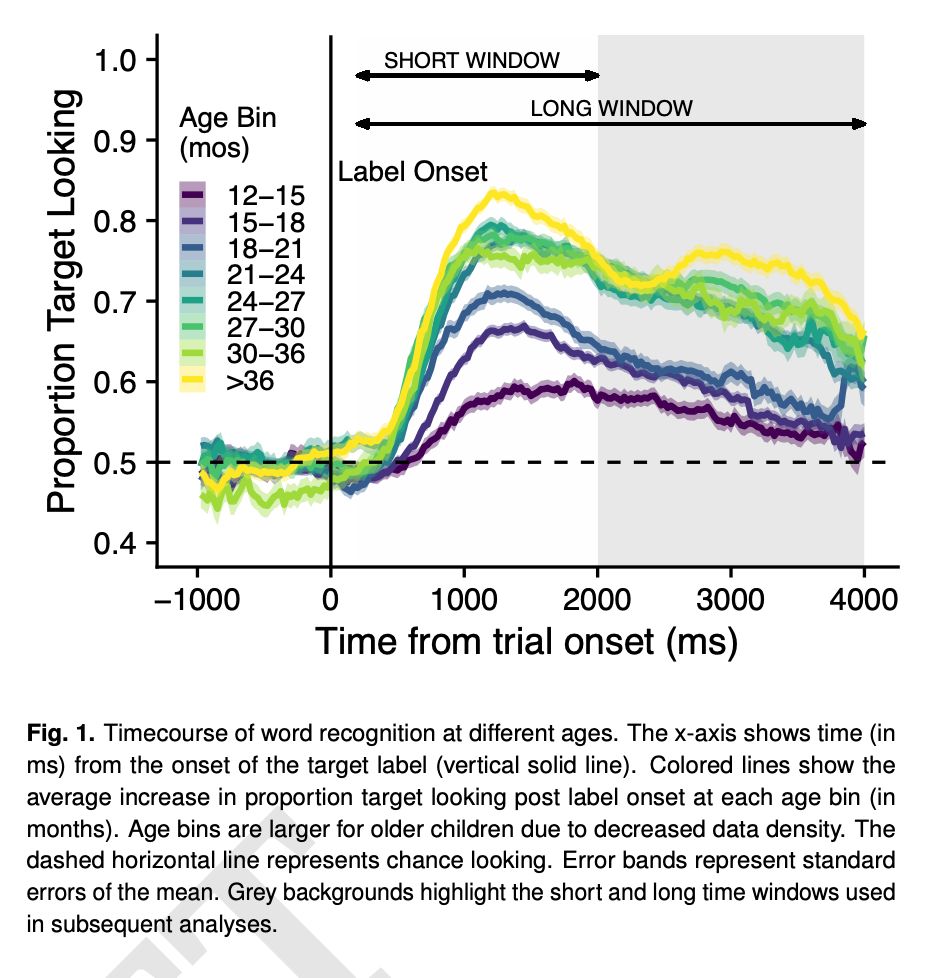
Super excited to submit a big sabbatical project this year: "Continuous developmental changes in word
recognition support language learning across early
childhood": osf.io/preprints/ps...
recognition support language learning across early
childhood": osf.io/preprints/ps...
April 14, 2025 at 9:58 PM
Super excited to submit a big sabbatical project this year: "Continuous developmental changes in word
recognition support language learning across early
childhood": osf.io/preprints/ps...
recognition support language learning across early
childhood": osf.io/preprints/ps...
Reposted by Emily Mather
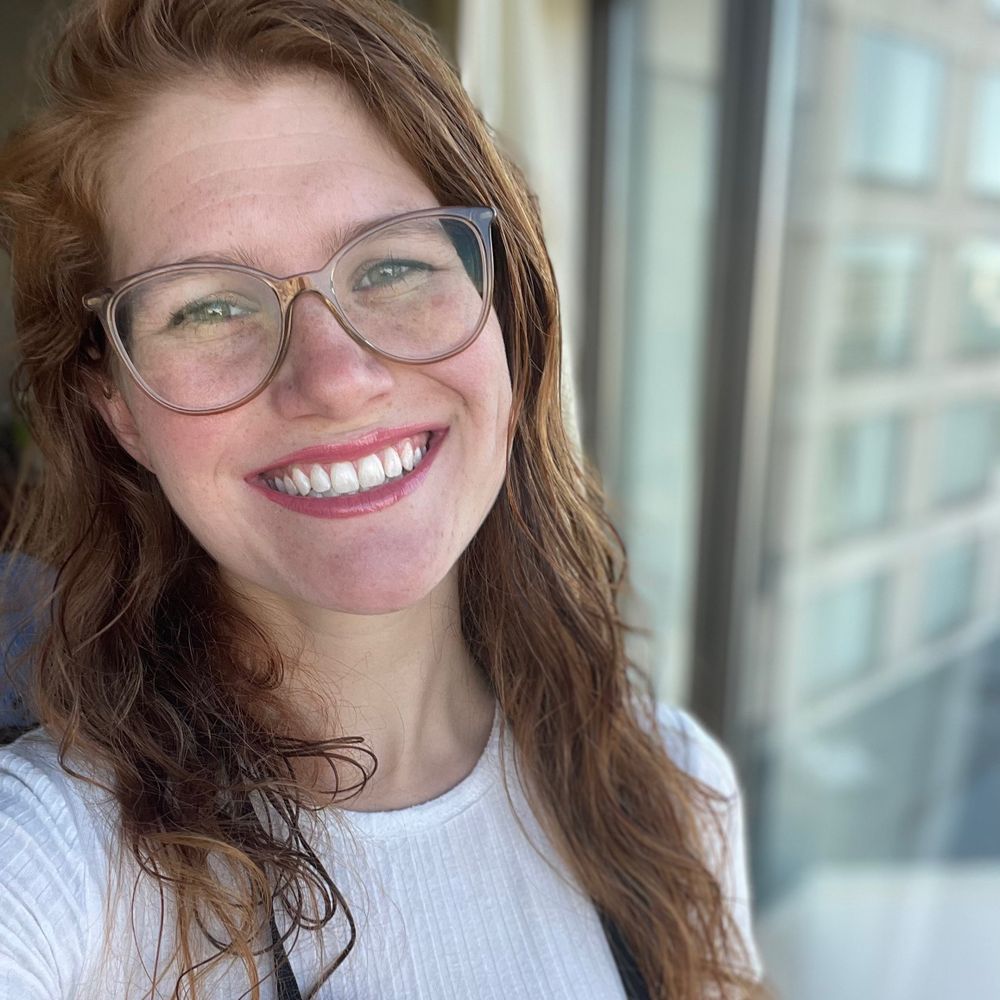
Why do we not remember being a baby? One idea is that the hippocampus, which is essential for episodic memory in adults, is too immature to form individual memories in infancy. We tested this using awake infant fMRI, new in @science.org #ScienceResearch www.science.org/doi/10.1126/...
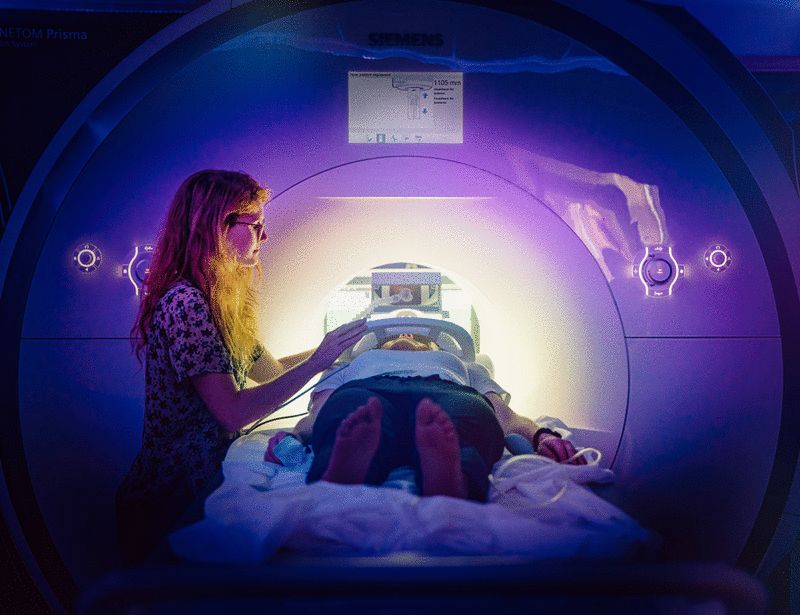
Hippocampal encoding of memories in human infants
Humans lack memories for specific events from the first few years of life. We investigated the mechanistic basis of this infantile amnesia by scanning the brains of awake infants with functional magne...
www.science.org
March 20, 2025 at 6:37 PM
Why do we not remember being a baby? One idea is that the hippocampus, which is essential for episodic memory in adults, is too immature to form individual memories in infancy. We tested this using awake infant fMRI, new in @science.org #ScienceResearch www.science.org/doi/10.1126/...
Reposted by Emily Mather
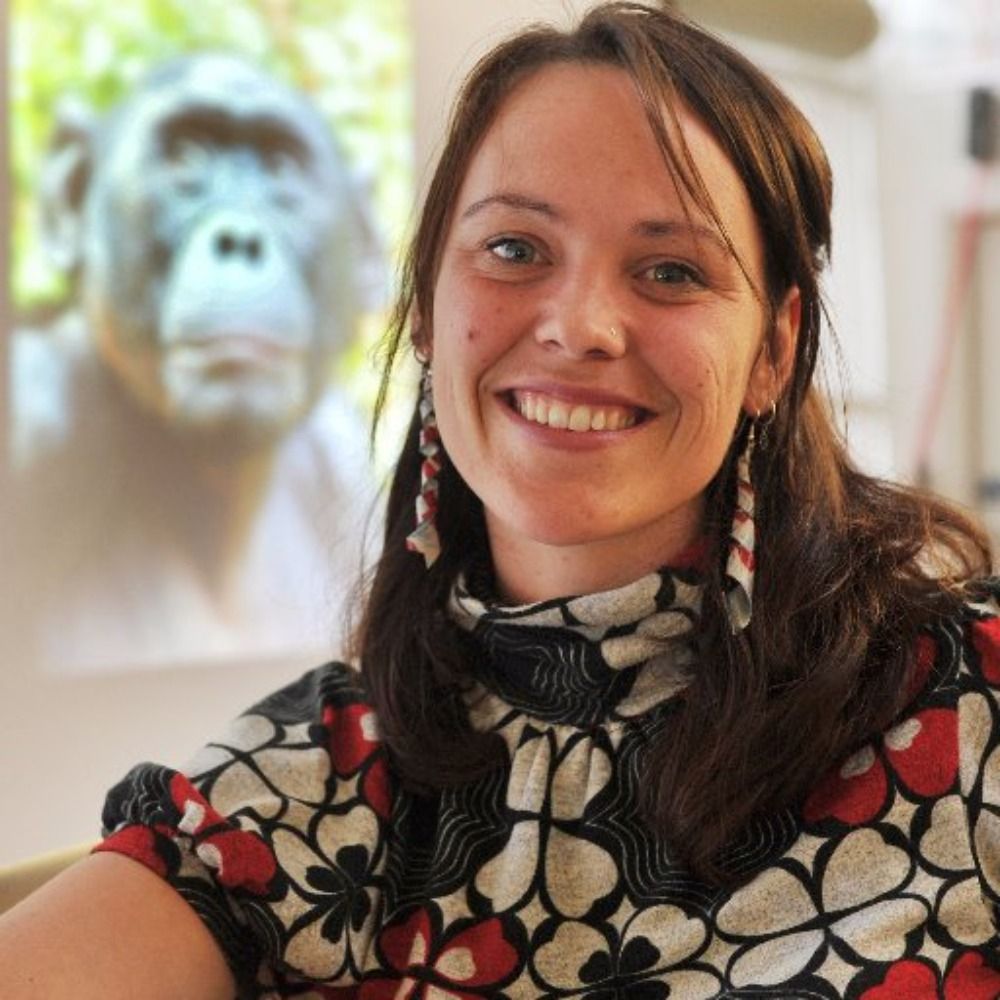
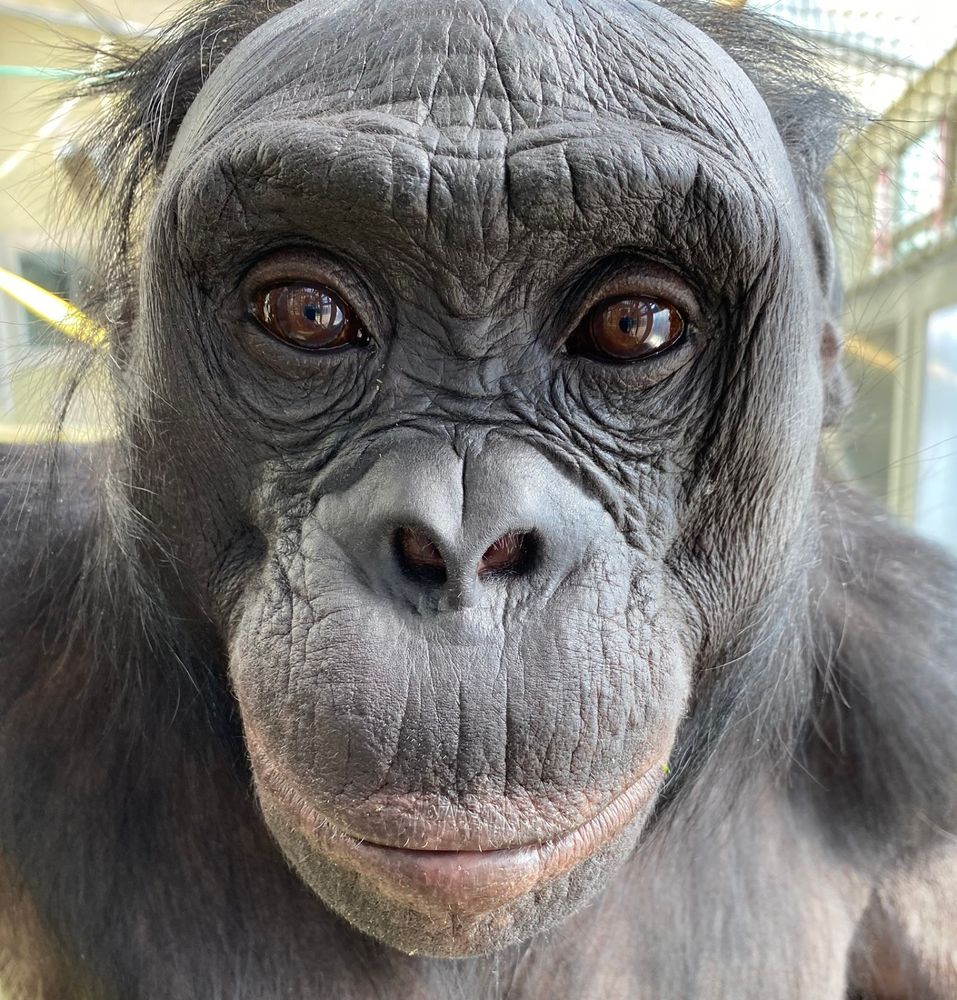
The loss of a legend- Kanzi, the language-competent bonobo, has died age 44.
Kanzi was exceptional in so many ways and offered us profound insights into the linguistic & cognitive capacities of great apes. He has taught us so much and will be hugely missed.
www.apeinitiative.org/remembering-...
Kanzi was exceptional in so many ways and offered us profound insights into the linguistic & cognitive capacities of great apes. He has taught us so much and will be hugely missed.
www.apeinitiative.org/remembering-...
March 20, 2025 at 10:02 AM
The loss of a legend- Kanzi, the language-competent bonobo, has died age 44.
Kanzi was exceptional in so many ways and offered us profound insights into the linguistic & cognitive capacities of great apes. He has taught us so much and will be hugely missed.
www.apeinitiative.org/remembering-...
Kanzi was exceptional in so many ways and offered us profound insights into the linguistic & cognitive capacities of great apes. He has taught us so much and will be hugely missed.
www.apeinitiative.org/remembering-...
Reposted by Emily Mather

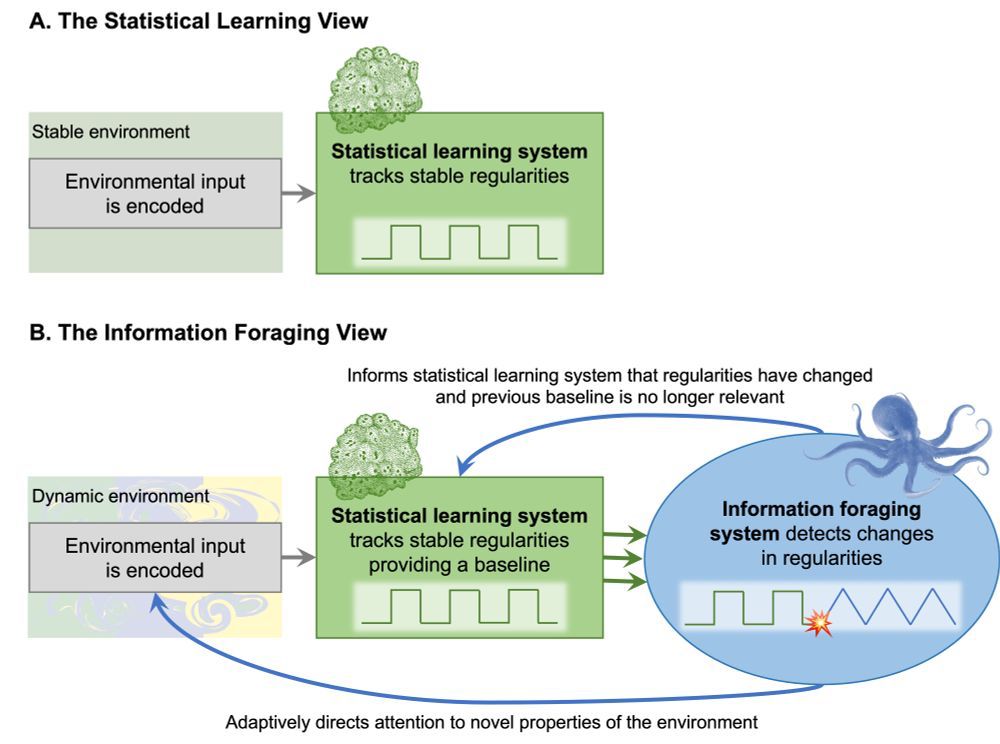
What is human #StatisticalLearning for? The standard assumption is that the goal of SL is to learn the regularities in the environment to guide behavior. In our new Psych Review paper, we argue that SL instead is provides the basis for novelty detection within an information foraging system
1/2
1/2
February 27, 2025 at 2:07 PM
What is human #StatisticalLearning for? The standard assumption is that the goal of SL is to learn the regularities in the environment to guide behavior. In our new Psych Review paper, we argue that SL instead is provides the basis for novelty detection within an information foraging system
1/2
1/2
Reposted by Emily Mather
Advertising 2 new positions in Developmental Cognitive Neuroscience. A postdoc & an RA at Queen Mary University of London as part of our UKRI-funded Animating Minds Project. More details and how to apply here:
Postdoc: www.jobs.ac.uk/job/DLX749/p...
RA: qmul-jobs.tal.net/vx/appcentre...
Postdoc: www.jobs.ac.uk/job/DLX749/p...
RA: qmul-jobs.tal.net/vx/appcentre...

Postdoctoral Research Associate at Queen Mary University of London
Apply now for the Postdoctoral Research Associate role on jobs.ac.uk - the leading job board for higher education jobs. View details.
www.jobs.ac.uk
February 24, 2025 at 4:47 PM
Advertising 2 new positions in Developmental Cognitive Neuroscience. A postdoc & an RA at Queen Mary University of London as part of our UKRI-funded Animating Minds Project. More details and how to apply here:
Postdoc: www.jobs.ac.uk/job/DLX749/p...
RA: qmul-jobs.tal.net/vx/appcentre...
Postdoc: www.jobs.ac.uk/job/DLX749/p...
RA: qmul-jobs.tal.net/vx/appcentre...
Reposted by Emily Mather

New RA position! We are looking for an excellent graduate/MSc student with some experience in developmental psy and interest in language, deafness, conceptual knowledge, infancy @psychologyuea.bsky.social

Research Associate (0.65 FTE, Fixed-term for 18 months) (RA2298) in University of East Anglia | UEA
View details and apply for this Research Associate (0.65 FTE, Fixed-term for 18 months) (RA2298) vacancy in University of East Anglia.
Faculty of Social Sciences
School of Psychology
Research...
vacancies.uea.ac.uk
February 13, 2025 at 10:43 AM
New RA position! We are looking for an excellent graduate/MSc student with some experience in developmental psy and interest in language, deafness, conceptual knowledge, infancy @psychologyuea.bsky.social
Reposted by Emily Mather
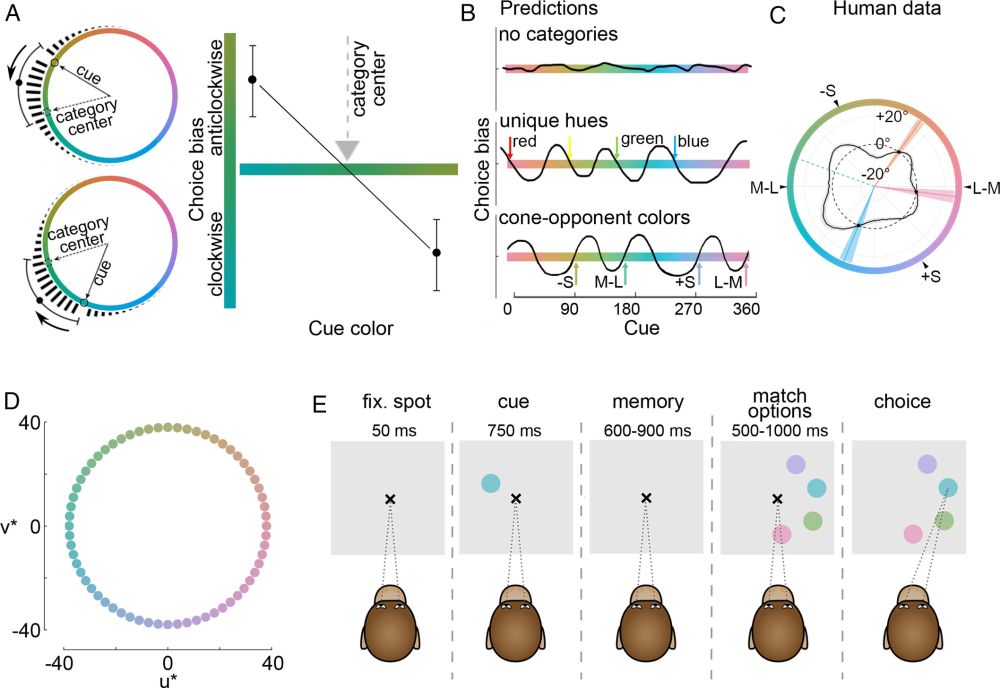
Clever study that explores the debate between those who claim that color categories are 'innate' and those who argue that they are dependent on language. It turns out that monkeys, unlike humans, do not have consensus color categories, suggesting cognitive mechanisms such as language are required.🧪🧠
January 16, 2025 at 4:16 PM
Clever study that explores the debate between those who claim that color categories are 'innate' and those who argue that they are dependent on language. It turns out that monkeys, unlike humans, do not have consensus color categories, suggesting cognitive mechanisms such as language are required.🧪🧠
Reposted by Emily Mather

Another UK university drops big Elsevier deal
The @york.ac.uk has opted out of a subscription deal with the academic publishing giant Elsevier, saying it needs to adopt a “more financially sustainable approach”, @resprofnews.bsky.social has learned.
www.researchprofessionalnews.com/rr-news-uk-u...
The @york.ac.uk has opted out of a subscription deal with the academic publishing giant Elsevier, saying it needs to adopt a “more financially sustainable approach”, @resprofnews.bsky.social has learned.
www.researchprofessionalnews.com/rr-news-uk-u...

January 9, 2025 at 12:07 PM
Another UK university drops big Elsevier deal
The @york.ac.uk has opted out of a subscription deal with the academic publishing giant Elsevier, saying it needs to adopt a “more financially sustainable approach”, @resprofnews.bsky.social has learned.
www.researchprofessionalnews.com/rr-news-uk-u...
The @york.ac.uk has opted out of a subscription deal with the academic publishing giant Elsevier, saying it needs to adopt a “more financially sustainable approach”, @resprofnews.bsky.social has learned.
www.researchprofessionalnews.com/rr-news-uk-u...
Reposted by Emily Mather

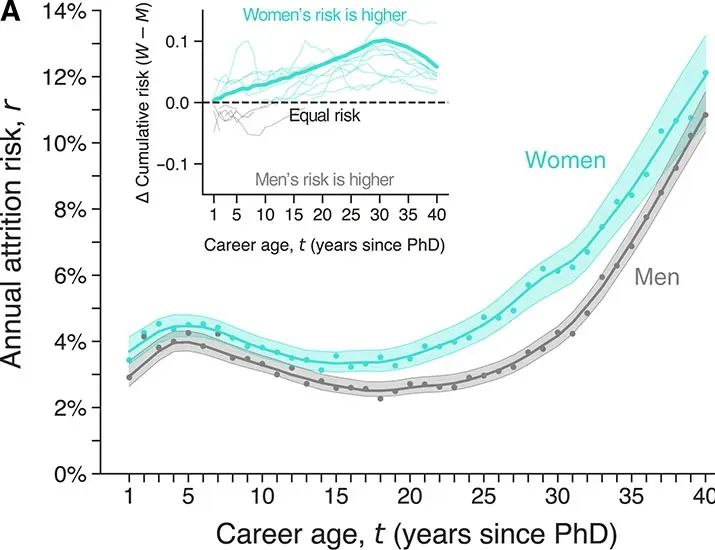
I think they are worn down by untalented yet arrogant men in leadership roles — cheers to you, missing ladies 🥂

Women leave academia at higher rates than men at every career stage, and attrition is especially high among three groups: tenured faculty, women in non-STEM fields, and women employed at less prestigious institutions, a #ScienceAdvances analysis finds.
Gender and retention patterns among U.S. faculty
Women faculty are more likely to leave their jobs than men, most often due to workplace climate, rather than work-life balance.
scim.ag
December 23, 2024 at 3:29 PM
I think they are worn down by untalented yet arrogant men in leadership roles — cheers to you, missing ladies 🥂
Reposted by Emily Mather

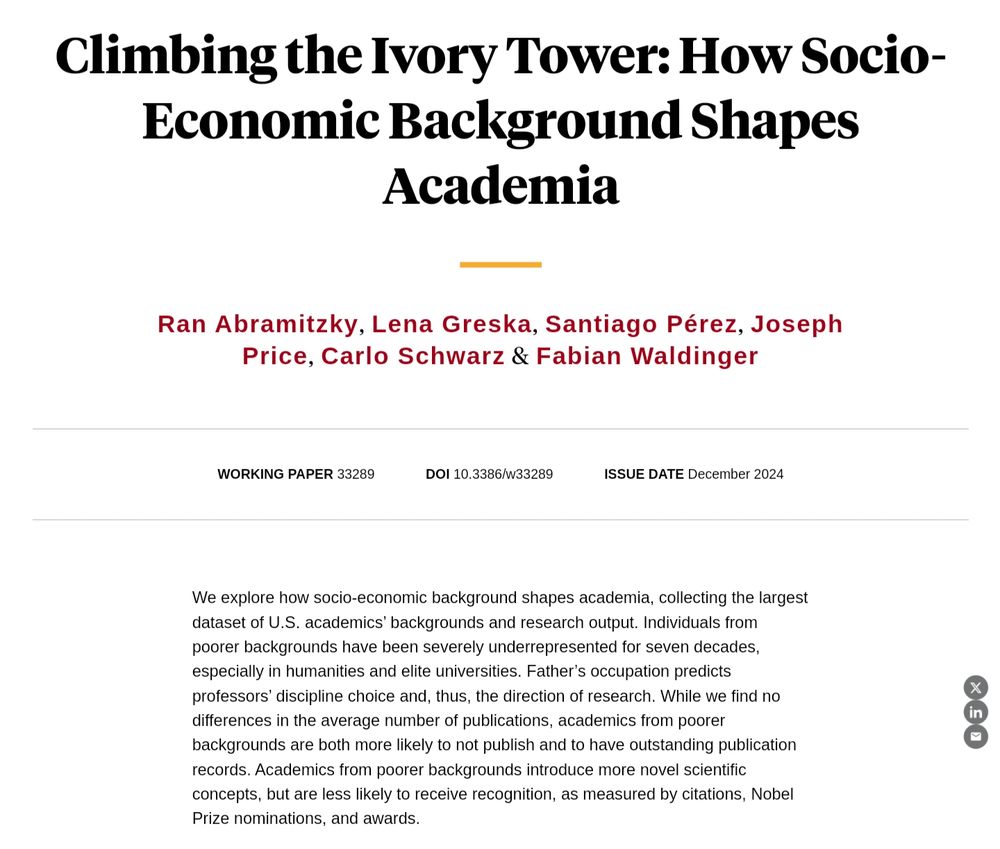
TLDR: Academics from low-income backgrounds are more like to push the needle on science, but less likely to receive credit for doing so. 🥴
#econsky #academicsky
#econsky #academicsky
Academics from poorer socio-economic backgrounds are more likely to
- not publish
- have outstanding publication records
- introduce more novel scientific concepts
- less likely to receive recognition, as measured by citations, Nobel Prize nominations, and awards.
www.nber.org/papers/w33289
- not publish
- have outstanding publication records
- introduce more novel scientific concepts
- less likely to receive recognition, as measured by citations, Nobel Prize nominations, and awards.
www.nber.org/papers/w33289
December 23, 2024 at 12:31 PM
TLDR: Academics from low-income backgrounds are more like to push the needle on science, but less likely to receive credit for doing so. 🥴
#econsky #academicsky
#econsky #academicsky