



cutterkom
@cutterkom.mastodon.social.ap.brid.gy
investigative data journalist @br_data • digital archivist at the queer archive in Munich @queerarchivemunich • interested in data, politics and their […]
🌉 bridged from ⁂ https://mastodon.social/@cutterkom, follow @ap.brid.gy to interact
🌉 bridged from ⁂ https://mastodon.social/@cutterkom, follow @ap.brid.gy to interact
"Scam Telegram: Uncovering a network of groups spreading crypto drainers"
https://timsh.org/scam-telegram-investigation/
https://timsh.org/scam-telegram-investigation/

Scam Telegram: Uncovering a network of groups spreading crypto drainers
How I found a large network of fake support groups spreading crypto stealers and drainers.
timsh.org
December 5, 2025 at 7:18 AM
"Scam Telegram: Uncovering a network of groups spreading crypto drainers"
https://timsh.org/scam-telegram-investigation/
https://timsh.org/scam-telegram-investigation/
> Wenn Astronom:innen »kühl« sagen, muss man immer vorsichtig sein. Sie meinen damit mindestens »ziemlich warm« oder meistens »so heiß, dass Stahl schmilzt«.
„Braune Sterne, diese seltsamen Himmelsgestalten“: @aleks beschreibt die Arbeit in der Astrophysik […]
„Braune Sterne, diese seltsamen Himmelsgestalten“: @aleks beschreibt die Arbeit in der Astrophysik […]
Original post on mastodon.social
mastodon.social
December 5, 2025 at 6:49 AM
> Wenn Astronom:innen »kühl« sagen, muss man immer vorsichtig sein. Sie meinen damit mindestens »ziemlich warm« oder meistens »so heiß, dass Stahl schmilzt«.
„Braune Sterne, diese seltsamen Himmelsgestalten“: @aleks beschreibt die Arbeit in der Astrophysik […]
„Braune Sterne, diese seltsamen Himmelsgestalten“: @aleks beschreibt die Arbeit in der Astrophysik […]

November 28, 2025 at 8:27 AM
There is new queer knowledige graph out there, hosted on @wikimediaDE's wikibase.cloud called lgbtdb: https://lgbtdb.wikibase.cloud/wiki/Main_Page
More about it @assignedmedia.org https://www.assignedmedia.org/breaking-news/preserving-data-history-clair-kronk
#queerhistory #linkeddata
More about it @assignedmedia.org https://www.assignedmedia.org/breaking-news/preserving-data-history-clair-kronk
#queerhistory #linkeddata
lgbtDB
lgbtdb.wikibase.cloud
November 27, 2025 at 9:13 AM
There is new queer knowledige graph out there, hosted on @wikimediaDE's wikibase.cloud called lgbtdb: https://lgbtdb.wikibase.cloud/wiki/Main_Page
More about it @assignedmedia.org https://www.assignedmedia.org/breaking-news/preserving-data-history-clair-kronk
#queerhistory #linkeddata
More about it @assignedmedia.org https://www.assignedmedia.org/breaking-news/preserving-data-history-clair-kronk
#queerhistory #linkeddata
RE: https://mastodon.social/@wearenew_public/115610922513403275
Love the melting brains in the microwave
Love the melting brains in the microwave
mastodon.social
November 25, 2025 at 3:04 PM
RE: https://mastodon.social/@wearenew_public/115610922513403275
Love the melting brains in the microwave
Love the melting brains in the microwave
Die 00er-Jahre karierten Hosen vor dem Regenbogen: Ich dachte, seine Zeit wäre endgültig vorbei, aber nein, da ist das Symbildbild "Homosexualität" nochmal aufgetaucht im Jahr 2025 als Teaserbild. Ausgerechnet bei ZEIT Online, wo so viel Wert auf Bilder […]
[Original post on mastodon.social]
[Original post on mastodon.social]

November 25, 2025 at 11:55 AM
Die 00er-Jahre karierten Hosen vor dem Regenbogen: Ich dachte, seine Zeit wäre endgültig vorbei, aber nein, da ist das Symbildbild "Homosexualität" nochmal aufgetaucht im Jahr 2025 als Teaserbild. Ausgerechnet bei ZEIT Online, wo so viel Wert auf Bilder […]
[Original post on mastodon.social]
[Original post on mastodon.social]
So eine gute Idee von @preya: Welches Wissen ist veraltet, seitdem ich aus der Schule bin?
▶️ https://überholt.schule
▶️ https://überholt.schule

November 21, 2025 at 11:10 AM
So eine gute Idee von @preya: Welches Wissen ist veraltet, seitdem ich aus der Schule bin?
▶️ https://überholt.schule
▶️ https://überholt.schule
We can now encrypt @duckdb databases:
"When using DuckDB with encrypted storage, we can also simplify threat modeling when – for example – using DuckDB on cloud providers."
Detailed post on implementation and usage
https://duckdb.org/2025/11/19/encryption-in-duckdb
"When using DuckDB with encrypted storage, we can also simplify threat modeling when – for example – using DuckDB on cloud providers."
Detailed post on implementation and usage
https://duckdb.org/2025/11/19/encryption-in-duckdb

DuckDB中的静态数据加密
Data-at-Rest Encryption in DuckDB (duckdb.org)
03:26 ↑ 100 HN Points
duckdb.org
November 21, 2025 at 6:50 AM
We can now encrypt @duckdb databases:
"When using DuckDB with encrypted storage, we can also simplify threat modeling when – for example – using DuckDB on cloud providers."
Detailed post on implementation and usage
https://duckdb.org/2025/11/19/encryption-in-duckdb
"When using DuckDB with encrypted storage, we can also simplify threat modeling when – for example – using DuckDB on cloud providers."
Detailed post on implementation and usage
https://duckdb.org/2025/11/19/encryption-in-duckdb
RE: https://mastodon.social/@404mediaco/115538270399897388
Career opportunities for shady #osint people and shady #databroker
Career opportunities for shady #osint people and shady #databroker
mastodon.social
November 13, 2025 at 3:48 PM
RE: https://mastodon.social/@404mediaco/115538270399897388
Career opportunities for shady #osint people and shady #databroker
Career opportunities for shady #osint people and shady #databroker
Why you shouldn't rely entirely on the @internetarchive:
A case from the shady world of online casinos: delasport, an IT infrastructure provider for online gambling sites was apparently succeful with deletion request.
When you search for delasport.com on […]
[Original post on mastodon.social]
A case from the shady world of online casinos: delasport, an IT infrastructure provider for online gambling sites was apparently succeful with deletion request.
When you search for delasport.com on […]
[Original post on mastodon.social]

November 13, 2025 at 9:58 AM
Why you shouldn't rely entirely on the @internetarchive:
A case from the shady world of online casinos: delasport, an IT infrastructure provider for online gambling sites was apparently succeful with deletion request.
When you search for delasport.com on […]
[Original post on mastodon.social]
A case from the shady world of online casinos: delasport, an IT infrastructure provider for online gambling sites was apparently succeful with deletion request.
When you search for delasport.com on […]
[Original post on mastodon.social]
"In sports big and small, the proliferation of betting, especially prop bets based on players’ stats, has made it easier than ever for a single athlete to swing a wager."
https://www.washingtonpost.com/sports/2025/11/09/betting-table-tennis-match-fixing/
#sportbettingnews #sportbetting […]
https://www.washingtonpost.com/sports/2025/11/09/betting-table-tennis-match-fixing/
#sportbettingnews #sportbetting […]
Original post on mastodon.social
mastodon.social
November 11, 2025 at 6:07 PM
"In sports big and small, the proliferation of betting, especially prop bets based on players’ stats, has made it easier than ever for a single athlete to swing a wager."
https://www.washingtonpost.com/sports/2025/11/09/betting-table-tennis-match-fixing/
#sportbettingnews #sportbetting […]
https://www.washingtonpost.com/sports/2025/11/09/betting-table-tennis-match-fixing/
#sportbettingnews #sportbetting […]
"I think one of the mistakes we’ve made in journalism is to mistake witnessing about your lived experience as activism"
https://www.assignedmedia.org/breaking-news/former-editor-nyt-biased-on-trans-hiring
https://www.assignedmedia.org/breaking-news/former-editor-nyt-biased-on-trans-hiring
Bias at NYT: Trans Former Employee Speaks Out
Billie Sweeney is a trans journalist who was an editor for the New York Times until last year. Here, she recalls the losing battle for the soul of the paper of record.
by Evan Urquhart
_Disclaimer: Billie Jean Sweeney has been assisting Assigned Media as a volunteer editor since November 2024._
In November 2021, Billie Jean Sweeney’s life was good. She adored her job, and her team at the New York Times international desk, where she’d just been promoted from working nights to day assignment editor. Over time, however, Sweeney became concerned at the bias shown in coverage of the trans community. Her community. For years she engaged with management, believing she could help the paper get trans stories right. Now, looking back, she’s not convinced she ever had a chance.
Transitioning on the job in 2019 had gone well for Sweeney, even though it made her the first publicly trans journalist at the paper since Donna Cartwright in the 1990s. So, when she was brought in to consult with management about the paper’s transgender coverage, she did so without fear.
Sweeney retired early from the NYT in June. In recent months, she’s become increasingly outspoken in her criticisms of her former employer on social media. The coverage of trans issues at NYT, she says, reflects a hostile stance towards transgender people that comes directly from the top.
### A Change in Tone at NYT
What, exactly, went wrong at the New York Times? It’s a question that’s been asked, analyzed, reported about, and advocated on, and disputed by spokesperson Charlie Stadtlander, who emailed a detailed response to Assigned Media’s reporting.
“I would outright disagree with any claims of hostility, skepticism or bias in our coverage, including from Times leadership,” Stadtlander wrote. “We’ve reported fully and fairly on transgender issues ranging from challenges and prejudice faced by the community to the fight for expanding rights and freedoms to open debates about care. Our coverage has been rigorously reported and edited, respectful of the people we’re covering and sensitive to the moment.”
The people being covered, transgender people, tend to disagree. Activist, writer, and Assigned Media contributor Riki Wilchins wrote an entire book exploring the history of transgender coverage at NYT, detailing how it has changed over time. She says NYT’s coverage of the trans community has gotten much worse in the past few years
“As transgender people first became more visible, they [NYT] made all the usual mistakes that news organizations make. They’d misgender people, they’d use deadnames for people who had died. They had a particular fascination with trans street women, who they would kind of snark at without actually covering why so many trans women of color ended up on the street,” said Wilchins. “And then, they got better. Editorial standards showed up, the language became better, and they started covering trans people just like any other news story.”
For her book, Wilchins read and categorized every story relating to the trans community in the history of the NYT. She says there was a period when NYT led the industry in sensitive and appropriate coverage of trans rights. The first signs of an editorial swing towards hostility to the trans community began to show up in the opinion section in 2015. Opinion began featuring more anti-trans views, such as this essay from June 6 by director Elinor Burkett. Entitled “What Makes a Woman,” Burkett complains that trans women represent an attack on cis women’s ability to define themselves.
Another notable thing to happen at the paper in 2015 was that A. G. Sulzberger became Associate Editor for Newsroom Strategy.
True journalism fans know that the Sulzberger family’s ownership of the paper dates to the late 1800s. In 2015 it was clear that a Sulzberger would be the future, not just the past, but it was not yet clear which particular scion would take over from the leader of the company for more than 25 years, Arthur Ochs Sulzberger, Jr.
A. G. Sulzberger’s time at newsroom strategy resulted in a successful plan to make the paper less reliant on advertising, moving it towards an online subscription-led model. In 2017 it was announced that he would be taking over from his father as publisher starting in early 2018.
A controversial aspect of A. G. Sulzberger’s vision for the NYT was reported on in a podcast deep dive into anti-trans bias at the paper by TransLash Media in 2024. TransLash reported A. G. sought to shift the paper’s reputation for being politically aligned with liberals in order to add more conservatives to the subscriber base. The link between the desire at the top to court conservative audiences and anti-trans bias in the coverage remains unproven, and the New York Times has declined to comment on the reporting about A. G.’s audience strategy, to TransLash then, or to Assigned now.
### NYT Attempts to Recruit Trans Journalists
One piece of this larger story are the efforts to recruit trans journalists to the newsroom, which did not result in any hires. Sweeney was involved in this effort from the start.
“It was the top people, the management people, who reached out to me, initially,” said Sweeney. She says that she was invited to comment on the paper’s trans coverage and participated in two meetings in late 2021, meeting with Dean Baquet, then the executive editor, and others who seemed interested in her perspectives, and in having more trans journalists at NYT.
“The first time I remember being contacted, it was via email, about Jesse Singal’s book review [of Helen Joyce’s _Trans: When Ideology Meets Reality_]. They asked me what I thought, and I told them.”
What Sweeney thought was that Singal had used the review to launder his bigoted views on trans people into the paper.
“I now think what they were hoping to find with me, and why they sought me out initially, was because they thought I was somebody who’s going to be reasonable and side with them,” said Sweeney. “When they heard me say, _well, you’re not covering this fairly,_ they went in a different direction.”
This feels clear in hindsight. But at the time, Sweeney believed that she and management and every other journalist in the organization shared the goals of creating top-quality journalism. To that end she participated in a meeting with top management about a documentary on J. K. Rowling that was ultimately shelved, as well as a meeting on recruiting trans journalists. The latter led to further meetings and email exchanges with managing editor Carolyn Ryan aimed at bringing trans journalists into the newsroom.
Beyond the meetings Sweeney participated in, the NYT in 2021 gave every impression of being an organization that wanted to bring trans reporters on board. NYT’s director of recruitment, Keiko Morris, met with representatives of the Trans Journalists Association and with reporter Kate Sosin of the 19th. Like Sweeney, Sosin remembers sharing many names, and not seeing any hiring as a result. Sosin’s interactions with NYT recruiters were first reported in 2023 by Jude Doyle, for Xtra. More recently, Sosin spoke with Assigned Media.
“All I know is, after several months of sending people over and over and over again, I gave up,” said Sosin. “I went to [the] NLGJA [conference] in L. A. this year and I saw Keiko and I gave her such a hard time, mostly because she’s really a nice person. I said, _Keiko, I just want to congratulate you on all the trans people you’ve hired at the New York Times_. And she was laughing.”
According to Sosin, Sweeney, and others from inside and outside the paper, Morris’ efforts to find trans reporters seemed sincere and aboveboard. All praised Morris’ good humor and sincerity.
And yet, by 2024, two and a half years after Sweeney was brought in by management to advise on recruiting trans reporters, the efforts never resulted in a hire. This leaves an open question: Why?
Were there no transgender journalists who could meet the NYT’s high standards? Was there internal resistance to hiring people who might disagree with the editorial direction NYT has taken on this? Or was NYT’s reputation so poor among members of the trans community that the sorts of journalists who would be qualified to take a job there wouldn’t want an offer?
### Managing Editor Carolyn Ryan Has Concerns
There may not be a single answer to the questions of why efforts to recruit trans journalists have yet to bear fruit. One factor may well be the poor reputation of the NYT. For example, though Sosin says they never felt Morris was feeling them out about leaving the 19th, they also don’t believe they’d have taken a job. They’ve read the coverage and don’t believe the sort of reporting they want to do would fly at NYT, which is known in the industry for being unusually top-down and hierarchical as newsrooms go.
When it comes to less established candidates, Kae Petrin of the Trans Journalists Association speculated that the early-career reporters who’d be most interested in working there are still proving themselves. Petrin remains optimistic that hiring might result from the work that TJA has done to bring early-career trans journalists to the attention of NYT.
“Regarding hiring,” wrote Stadtlander, “The Times has a diverse newsroom covering a diversity of topics – our editors assign talented reporters to critically-important stories, regardless of how they personally identify. Our recruiting team actively seeks and connects with candidates from a wide variety of backgrounds, including those who publicly share that they are part of trans or gender non-conforming communities. And it's also important to note that we don't require any candidate to disclose their gender identity in the hiring process.”
“The Times partners with and attends conferences held by affinity groups and professional organizations like NLGJA: The Association of L.G.B.T.Q.+ Journalists, and Lesbians Who Tech. Additionally, we have met with The Trans Journalists Association to talk about our shared goals,” Stadtlander wrote.
In Assigned’s reporting, two names came up in multiple conversations about what, or who, might be impeding hiring: Executive editor Joe Kahn and managing editor Carolyn Ryan.
In 2021, when Sweeney met with management, the top editor was Dean Baquet. Joe Kahn was managing editor at that time, and Carolyn Ryan was one of the deputy managing editors. Then, in June of 2022, Baquet stepped down, with Kahn as his replacement. Ryan became co-managing editor, along with Marc Lacey.
Although Kahn was widely seen as a continuation of Baquet’s direction at the paper, Sweeney and other employees described Kahn’s style as far more top-down, more punishing of dissent, and less open to alternative perspectives than his predecessor. He put in place strict rules on what journalists could say on social media, and later came down hard on what could be said in the company's Slack channel.
It’s unclear whether the heavy-handed attempts at quashing internal dissent (which included management having posts of Sweeney’s deleted from the LGBTQ+ Slack channel) had any impact on hiring decisions. What seems clearer is that management were concerned about bias, not in their own coverage, but among transgender journalists.
In her interactions with Ryan, Sweeney was particularly passionate about adding trans reporters to the roster who would be savvy enough to resist the flood of right-wing propaganda on this issue. This came into conflict with Ryan’s concerns that the trans journalists with a history of covering these issues who were being presented as candidates lacked the objectivity necessary for NYT reporters.
Emails reviewed by Assigned media confirmed that, at one time, hiring trans journalists was a priority for Ryan and the paper, that Sweeney was involved in efforts to do so, and that Ryan raised early objections about the trans writers covering trans issues whose resumes she reviewed.
“One thing that’s a little tricky is some writers who are trans are writing for more overtly political or advocacy publications. And they are pretty outspoken in their articles and on social media,” reads part of an email Ryan wrote to Sweeney and others in November 2021.
According to Sweeney, Ryan went even further in person, saying she was concerned that if NYT were to hire trans journalists to cover trans issues it would create a perception of bias at the paper. Stadtlander relayed that Ryan does not recall making comments of this type.
“Regarding your claims of further comments beyond that email,” wrote Stadtlander, “Ms. Ryan has no such recollection, and the sentiment you put forward is not her position. The Times also has no policy against hiring people to cover specific topics, experiences and fields they know well, and our recruiting team actively seeks and connects with candidates from a wide variety of backgrounds.”
In the past, the NYT has pushed back hard against the idea that public concerns about bias, including concerns expressed by contributors to the paper itself, should have an impact on their reporting.
“We understand how GLAAD and the co-signers of the letter see our coverage,” Stadtlander, told NBC via email, for a story about NYT contributors concerns about bias at NYT. “But at the same time, we recognize that GLAAD’s advocacy mission and The Times’s journalistic mission are different.”
Journalistic ethics around issues of bias are complex, and disagreements common. What is objectivity? Is it possible for any human to lack bias? Where does identity come in? According to Kelly McBride, a journalism ethics expert at the Poynter Institute, the place to look for bias is within a story itself, not the reporter, and certainly not the identity of the reporter. However, there’s a long history in journalism of conflating objectivity with membership in the majority. In one recent case, a woman reporter for the Washington Post was banned from reporting on sexual assault after speaking publicly about her own experience.
“You cannot be disqualified as having a conflict of interest because of who you are and something that you cannot change about yourself,” said journalism ethics expert Kelly McBride of the Poynter Institute. “But the next step is not to disqualify people because of who they are, but because of expressions that they’ve made. So, someone might say, well, [this journalist] has taken an activist position. I think one of the mistakes we’ve made in journalism is to mistake witnessing about your lived experience as activism.”
According to McBride, “Lived expertise is really important when you are covering any topic.” She believes that diverse hiring has long been understood as a way to avoid groupthink, improve sourcing, and produce a wider variety of stories on issues relating to minority populations.
As an industry, journalism has only recently begun to value diverse life experience in its reporters. This new interest in diversity is co-existing with the headwinds of falling profits and a struggle to find a business model that can support skilled, time intensive work. In layoffs, journalists from minority communities and women have been the hardest hit.
While Baquet’s 2021 effort to recruit an openly trans journalist never resulted in any hires, there are likely a few trans journalists at the paper today. Sweeney, without outing any of her former colleagues, says she’s confident there are fewer than 5 reporters who identify as trans. According to their website, 1700 journalists work for NYT.
Addressing diversity and hiring generally, Danielle Rhoades Ha, the Senior Vice President of External Communications for NYT, wrote via email that, “Our newsroom has hired people over the last several years who have voluntarily identified their gender identity, including nonbinary. We don't ask our candidates or staff if they identify as transgender.” Rhoades Ha also sent a link to the company’s most recent diversity and inclusion report. The report shows fewer than 1 percent of NYT employees identify as nonbinary and does not include the word transgender.
_CORRECTION: This story originally named the wrong Helen as having been the author of Trans: When Ideology Meets Reality._
* * *
_Evan Urquhart is the founder of Assigned Media._
www.assignedmedia.org
November 6, 2025 at 11:49 AM
"I think one of the mistakes we’ve made in journalism is to mistake witnessing about your lived experience as activism"
https://www.assignedmedia.org/breaking-news/former-editor-nyt-biased-on-trans-hiring
https://www.assignedmedia.org/breaking-news/former-editor-nyt-biased-on-trans-hiring
Was #Archäologie auch sein kann: Flüchtlingsboote auf Lampedusa erfassen und untersuchen:
https://www.miss-jones.de/2025/10/31/was-ist-das-lampedusa-projekt/
https://www.miss-jones.de/2025/10/31/was-ist-das-lampedusa-projekt/

Was ist das Lampedusa-Projekt?
_„Was machen sie hier?“ „Was hat dennArchäologie mit heutiger Flucht zu tun?“ „Hat das überhaupt einen Sinn?_“ Das sind Fragen, die ich mir oft anhöre. Deshalb gibt es jetzt auch einen Bereich zu diesem Thema, als Zusatzkategorie auf meinem Hauptblog Miss Jones. Hier könnt ihr nachlesen, was ich in meiner eigenen Forschung tue. Ob es diese Art der Archäologie gibt – davon könnt ihr euch hier überzeugen – ob ihr sie für sinnvoll haltet, das dürft ihr selbst entscheiden. Ich finde ja, sonst würde ich das nicht tun, aber du darfst das natürlich total doof finden. Aber, bevor du urteilst, erst einmal:
# Worum geht es eigentlich genau?
Ich fahre möglichst regelmäßig nach Lampedusa, um dort Fluchtboote zu beobachten. Es handelt sich um Boote, die meist in Tunesien oder Libyen gestartet sind, um nach Europa zu gelangen. Ich schreibe über diese Boote meine Dissertation. Und das heißt, ich beobachte sie ganz genau.
Dieses Boot z. B. hatte seltsame Kratzer am Bug – sowas schaue ich mir genau an, und dokumentiere es (Bild: Timo Knorr (all rights reserved)).
Als ich eine Aktivistin von einer Seenotrettungsorganisation einmal dabei hatte – sie wollte gerne selbst sehen, was ich tue – meinte sie _„Du bist ein bisschen wie so eine Orcaforscherin – für andere sehen Orcas alle gleich aus, aber die Forscherin erkennt jeden Orca nicht nur sofort, sie spricht sie sogar mit Namen an“_. Und teilweise geht es mir mit den Fluchtbooten genauso. Ich begrüße sie manchmal auch mit Namen.
# Warum machst du das, hast du eine politische Agenda?
Anfangs ja. Ich dachte, wenn die Leute in Europa das sehen, ändert sich ihre Meinung. Aber das glaube ich heute nicht mehr. Vielmehr glaube ich, dass es wichtig ist, dass wir wissen, worüber wir reden. Zur Meinungsbildung gehört eben auch, sich mit den Sachverhalten auszukennen. Und woher soll man all die Details wissen, wenn sie nie gezeigt werden. Lampedusa ist ein Schlagwort geworden. In den Medien 30 Sekunden, mit 5 Zahlen, das war es. Details bleiben da auf der Strecke, und die meisten Leute wissen nicht einmal, dass Lampedusa in Italien liegt, sondern denken an Griechenland. Ein genaues Bild kann man sich damit nicht machen. Das Ergebnis ist, viele Leute haben viel Meinung und wenig Ahnung, und ich kann es ihnen nicht mal übel nehmen.
So sahen die 2023 genutzten Boote aus – die verbiegen und sinken sehr leicht (Bild: Jonathan Kündiger (All rights reserved)).
Woher soll man denn wissen, dass die 10.000 Personen, die im September 2023 gleichzeitig auf der Insel angekommen sind, einen Moment der Windstille nutzten, weil ihre Boote eine so schlechte Qualität hatten, dass eine Welle reicht, um sie zum Sinken zu bringen, wenn das absolut nirgends erzählt wird. Wenn Salvini im Fernsehen dann noch etwas von Kriegsakt faselt. Ich möchte also alles genau zeigen, und so aufklären. Meine Agenda ist also mein Zollstock, mein Maßband und mein Lasermessgerät. Lasst uns also ganz sachlich bleiben.
# Glaubst du wirklich, dass Aufklärung etwas bringt?
Jein. Es gibt Menschen, die sind nahezu gegen jede Form von Bildung immun. Aber der Rest, der ist vielleicht ja sogar gerne informiert – wobei ich das immer weniger glaube, weil mir sooooo krass viele Medien abgesagt haben, mit dem Argument, dass das Thema einfach wirklich niemanden interessiert. Aber was mir wichtiger ist, es wird eine Zeit geben, in der die Enkel der heutigen Flüchtenden fragen werden, was passiert ist. Sie haben ein Recht auf die Wahrheit.
Auf der Insel selbst gibt es bereits eine Gedenkkultur und viele Denkmale für diejenigen, die im Mittelemeer ertrunken sind (Bild: Geesche Wilts (CC BY-NC 3.0 DE)).
Diejenigen, die ertrunken sind, haben ein Recht darauf, dass man an sie erinnert. Und auch die Menschen auf Lampedusa haben ein Recht dazu, dass sie gesehen und gehört werden, dass man ihre Sorgen und Nöte versteht, heute auf sie aufmerksam macht und sie für die Zukunft festhält. Und weil ich den Menschen zuhören und helfen möchte, ohne sie zu bevormunden, arbeite ich auch mit dem örtlichen Archiv zusammen, und habe über die Zeit begonnen, kleine Freundschaften mit den Insulanern aufzubauen. Ich mag diese Gemeinde sehr – es ist ein bisschen ein Zuhause für mich.
# Wie oft bist du denn auf Lampedusa?
Im Kopf jeden Tag. Weil ich fast jeden Tag an meiner Dissertation schreibe. Aber in Realität derzeit nur einmal im Jahr für ein paar Wochen. Und das ist leider sehr wenig Zeit, aber ich habe bislang nebenbei gejobbt, um meine Arbeit bezahlen zu können. Und das heißt, ich kann nicht einfach so kommen und gehen, wann ich will.
Wenn ich nur Zwiebeln im Portemonnaie habe, muss ich halt die Kochen (Bild: Geesche Wilts (CC BY-NC 3.0 DE)).
Seit neuestem habe ich ein Stipendium ergattern können, das gibt mit mehr Freiheit. Aber nicht genug finanzielle Ressourcen öfter dort zu sein als zuvor – allerdings habe ich mittlerweile so viele unbearbeitete Daten hier herumliegen, dass ich das auch gar nicht schaffen würde. Warum es so lange gedauert hat eine Förderung zu bekommen – Das Projekt ist den einen zu politisch, den anderen bin ich zu alt, und den nächsten zu behindert. Und ’nen Goldesel habe ich eben auch nicht, um das zu bezahlen. Dennoch ist das mein Herzensprojekt, und ich liebe jede Sekunde, die ich daran arbeiten kann. Blöd ist, ich habe viel Zeit verbraucht – denn bis zu dem Stipendium sah mein Leben so aus: Ich versuchte so intensiv eine Forschungsförderung aufzutreiben, dass der damit zusammenhängende Papierkrieg 40-45 Stunden die Woche frisst. Und dann bleibt neben meinem 30 Stunden Job und Miss Jones, wenig Zeit für meine eigentliche Arbeit über Lampedusa. Und das hat sich jetzt geändert – aber ich muss gerade so viel auf hohlen, dass ich kaum Zeit für etwas anderes habe.
# Ist das nicht auch gefährlich, was du machst?
Jupp – that´s live – das ist Archäologie. Es ist natürlich gefährlich auf marode Boote zu klettern, oder aber die Objekte, die teils in ätzende Substanzen eingeweicht sind anzufassen. Ich hatte schon blaue Flecken, Schürfwunden, Schrammen, Ausschläge, Schnittwunden und Verätzungen. Aber auch andere archäologische Arbeiten sind gefährlich. Deshalb wieder einmal der Appell: Achtet auf Schutzausrüstung und bereitet euch auch auf eure Abenteuer gut vor! Manchmal sind es die kleinen Dinge in der Vorbereitung, die einen Retten. Einmal habe ich zum Beispiel meine Schuhe nicht richtig geprüft, und weil die Sohle auf den scharfen Felsen Lampedusas durchgescheuert waren, habe ich den Halt verloren und bin schwer gestürzt.
Und so sehr ich dieses Bild liebe. In diesem Boot habe ich mir einen wirklich schlimmen Ausschlag geholt, weil alles voller Benzin und Glasfasern war – was man auf den ersten Blick gar nicht bemerkt hat (Bild: Timo Knorr (all rights reserved)).
Gott sei Dank mit wenigen Verletzungen, aber seid bitte nicht so dumm wie ich, achtet auf die Ausrüstung. Viel mehr Angst davor, dass mir etwas passiert habe ich allerdings davor, dass meine Arbeit jemand anderen schädigt. Deshalb bitte ich euch – wenn ich nicht gemerkt habe, dass etwas in meiner Arbeit jemand anderen Schaden zufügen könnte, sagt mir bitte sofort Bescheid. Nichts liegt mir ferner, aber ich bin auch nur ein Mensch, der Fehler macht – und manchmal in meinem wissenschaftlichen Eifer vielleicht etwas zu begeistert von einer neuen Entdeckung.
# Was können wir hier lesen?
Sicherlich nicht alles, es soll ja meine Diss. werden. Aber: Ich würde gerne die tollen Momente mit euch teilen, in denen ich etwas beobachtet habe, was ganz neu ist. Kleinigkeiten zeigen, die ganz unwichtig wirken, aber die Gesamtsituation erklären. Schöne Momente und auch traurige Momente mit euch teilen. Nicht wie in meiner wissenschaftlichen Arbeit. Sondern oft ganz persönlich wie in einem Tagebuch. Und ich hoffe euch dabei auch so anzusprechen, dass ihr das aushalten könnt.
Das hier ist z.B. Boot X7-2023. Bei diesem Boot musste ich auch mal weinen. Weil es in einem so schlechten Zustand an der Küste angelandet ist, ich aber Hinweise auf mindestens 2 Kleinkinder an Board gefunden habe (Bild: Geesche Wilts (CC BY-NC 3.0 DE)).
Denn eines werde ich oft gefragt: Wie ich mit der psychischen Belastung bei dem Thema klarkomme. Und meine Antwort ist ganz einfach: Ich empfinde es nicht als psychisch belastend. Und vielleicht schaffe ich es ja, dass ich euch mit meiner Herangehensweise mitnehme, und wir uns das ganze Thema „Grenze“ so sachlich bis liebevoll ansehen. Aber natürlich wird es hier auch einen Artikel zum Thema psychische Belastung geben.
# Wie kann ich die Arbeit unterstützen?
Teilen, teilen, teilen. Ich brauche mehr Aufmerksamkeit für das Projekt. Ich brauche keine kleinen Spenden, die Trinkgelder, die ihr mir hier schickt, werden genutzt, um den Blog zu finanzieren – ich brauche im Grunde genommen große Sponsoren, und die bekomme ich nur, wenn es mehr Leute interessiert, was ich tue. Wenn ihr spenden wollt, finde ich das nett, aber wenn es um Seenot gehen soll, dann schaut doch erst einmal bei den Seenotrettungsorganisationen vorbei.
Ich finde Unterstützung toll. Bislang habe ich vieles alleine gemeistert, und bin auch ganz alleine weit ab von irgendwas unterwegs, um Boote zu finden (Bild: Timo Knorr (all rights reserved)).
Die retten aktiv Leben – und Leben gehen einfach vor. Ihr könnte mich auch unterstützen, indem ihr Fragen stellt, vielleicht wird da ja auch der ein oder andere Artikel draus, denn ich bin so in meinem Tunnelblick, dass ich manchmal gar nicht weiß, was ihr wisst, oder eben auch nicht. Und etwas anderes könnt ihr machen: ladet mich zu Vorträgen ein. Und ansonsten freue ich mich, wenn ihr auch diese Artikel hier fleißig lest.
Hier kannst du den Blog mit einem Trinkgeld unterstützen
www.miss-jones.de
October 31, 2025 at 8:04 AM
Was #Archäologie auch sein kann: Flüchtlingsboote auf Lampedusa erfassen und untersuchen:
https://www.miss-jones.de/2025/10/31/was-ist-das-lampedusa-projekt/
https://www.miss-jones.de/2025/10/31/was-ist-das-lampedusa-projekt/
Reposted by cutterkom

Wir sind Teil von Queersearch, dem Dachverband deutschsprachiger queerer Archive, Bibliotheken und Sammlungen.
Und bei Queersearch entsteht nun das neueste spannende Projekt: @queerdemocracies. Queerdem erforscht den Beitrag LGBTIQ*-Bewegungen zur gesellschaftlichen Demokratisierung im 20 […]
Und bei Queersearch entsteht nun das neueste spannende Projekt: @queerdemocracies. Queerdem erforscht den Beitrag LGBTIQ*-Bewegungen zur gesellschaftlichen Demokratisierung im 20 […]
Original post on openbiblio.social
openbiblio.social
October 21, 2025 at 6:44 AM
Wir sind Teil von Queersearch, dem Dachverband deutschsprachiger queerer Archive, Bibliotheken und Sammlungen.
Und bei Queersearch entsteht nun das neueste spannende Projekt: @queerdemocracies. Queerdem erforscht den Beitrag LGBTIQ*-Bewegungen zur gesellschaftlichen Demokratisierung im 20 […]
Und bei Queersearch entsteht nun das neueste spannende Projekt: @queerdemocracies. Queerdem erforscht den Beitrag LGBTIQ*-Bewegungen zur gesellschaftlichen Demokratisierung im 20 […]
Reposted by cutterkom

Legendary trans activist, Miss Major, dies at 78
Thank you to @funcrunch.me.dm.ap.brid.gy for writing this obituary.
Thank you to @funcrunch.me.dm.ap.brid.gy for writing this obituary.

Rest in Power, Miss Major — Assigned
Honoring a lifetime of Black trans activism.
www.assignedmedia.org
October 14, 2025 at 8:55 PM
Legendary trans activist, Miss Major, dies at 78
Thank you to @funcrunch.me.dm.ap.brid.gy for writing this obituary.
Thank you to @funcrunch.me.dm.ap.brid.gy for writing this obituary.
Reposted by cutterkom

Satellites Are Leaking the World’s Secrets: Calls, Texts, Military and Corporate Data | WIRED
https://www.wired.com/story/satellites-are-leaking-the-worlds-secrets-calls-texts-military-and-corporate-data/
“This was not NSA-level resources. This was DirecTV-user-level resources. The barrier to […]
https://www.wired.com/story/satellites-are-leaking-the-worlds-secrets-calls-texts-military-and-corporate-data/
“This was not NSA-level resources. This was DirecTV-user-level resources. The barrier to […]
Original post on 23.social
23.social
October 14, 2025 at 9:05 AM
Satellites Are Leaking the World’s Secrets: Calls, Texts, Military and Corporate Data | WIRED
https://www.wired.com/story/satellites-are-leaking-the-worlds-secrets-calls-texts-military-and-corporate-data/
“This was not NSA-level resources. This was DirecTV-user-level resources. The barrier to […]
https://www.wired.com/story/satellites-are-leaking-the-worlds-secrets-calls-texts-military-and-corporate-data/
“This was not NSA-level resources. This was DirecTV-user-level resources. The barrier to […]
New reading material on a passion topic: matching algorithms:
"We’ve chosen to use a rule-driven approach so that results are explainable and consistent: the same input always yields the same output. (...) So if the system can’t have vibes, what can it have? We decided that the next best thing […]
"We’ve chosen to use a rule-driven approach so that results are explainable and consistent: the same input always yields the same output. (...) So if the system can’t have vibes, what can it have? We decided that the next best thing […]
Original post on mastodon.social
mastodon.social
October 13, 2025 at 11:50 AM
New reading material on a passion topic: matching algorithms:
"We’ve chosen to use a rule-driven approach so that results are explainable and consistent: the same input always yields the same output. (...) So if the system can’t have vibes, what can it have? We decided that the next best thing […]
"We’ve chosen to use a rule-driven approach so that results are explainable and consistent: the same input always yields the same output. (...) So if the system can’t have vibes, what can it have? We decided that the next best thing […]
Reposted by cutterkom

Wow this sucks so bad.
a person posted on /r/datahoarder that they have created an archive of the Epstein files with added metadata like mentioned people and etc. But everything is LLM-generated.... Including the "full text" of the documents.
Rather than […]
[Original post on neuromatch.social]
a person posted on /r/datahoarder that they have created an archive of the Epstein files with added metadata like mentioned people and etc. But everything is LLM-generated.... Including the "full text" of the documents.
Rather than […]
[Original post on neuromatch.social]

October 10, 2025 at 9:06 AM
Wow this sucks so bad.
a person posted on /r/datahoarder that they have created an archive of the Epstein files with added metadata like mentioned people and etc. But everything is LLM-generated.... Including the "full text" of the documents.
Rather than […]
[Original post on neuromatch.social]
a person posted on /r/datahoarder that they have created an archive of the Epstein files with added metadata like mentioned people and etc. But everything is LLM-generated.... Including the "full text" of the documents.
Rather than […]
[Original post on neuromatch.social]
So many good quotes worth copy-pasting. I choose:
"Quality is crafted by iteration—how else might we imagine good designs if we never explore objectionable ones?"
https://hojberg.xyz/the-programmer-identity-crisis/
"Quality is crafted by iteration—how else might we imagine good designs if we never explore objectionable ones?"
https://hojberg.xyz/the-programmer-identity-crisis/

October 9, 2025 at 7:18 AM
So many good quotes worth copy-pasting. I choose:
"Quality is crafted by iteration—how else might we imagine good designs if we never explore objectionable ones?"
https://hojberg.xyz/the-programmer-identity-crisis/
"Quality is crafted by iteration—how else might we imagine good designs if we never explore objectionable ones?"
https://hojberg.xyz/the-programmer-identity-crisis/
RE: https://mastodon.social/@queerde/115269958729564520
"Niemand darf wegen seines Geschlechtes, seiner Abstammung, seiner Rasse, seiner Sprache, seiner Heimat und Herkunft, seines Glaubens, seiner religiösen oder politischen Anschauungen benachteiligt oder bevorzugt werden."
Was fehlt?
"Niemand darf wegen seines Geschlechtes, seiner Abstammung, seiner Rasse, seiner Sprache, seiner Heimat und Herkunft, seines Glaubens, seiner religiösen oder politischen Anschauungen benachteiligt oder bevorzugt werden."
Was fehlt?
mastodon.social
September 26, 2025 at 9:49 AM
RE: https://mastodon.social/@queerde/115269958729564520
"Niemand darf wegen seines Geschlechtes, seiner Abstammung, seiner Rasse, seiner Sprache, seiner Heimat und Herkunft, seines Glaubens, seiner religiösen oder politischen Anschauungen benachteiligt oder bevorzugt werden."
Was fehlt?
"Niemand darf wegen seines Geschlechtes, seiner Abstammung, seiner Rasse, seiner Sprache, seiner Heimat und Herkunft, seines Glaubens, seiner religiösen oder politischen Anschauungen benachteiligt oder bevorzugt werden."
Was fehlt?
"By signing the Statement, Wikimedia reinforces the growing international movement that calls for legal reform on four essential rights that ensure long-term preservation and access:
Right to Collect
Right to Preserve
Right to Lend
Right to Cooperate" […]
Right to Collect
Right to Preserve
Right to Lend
Right to Cooperate" […]
Original post on mastodon.social
mastodon.social
September 26, 2025 at 7:43 AM
"By signing the Statement, Wikimedia reinforces the growing international movement that calls for legal reform on four essential rights that ensure long-term preservation and access:
Right to Collect
Right to Preserve
Right to Lend
Right to Cooperate" […]
Right to Collect
Right to Preserve
Right to Lend
Right to Cooperate" […]
It's that time of the year again:
Danke, RSS-Reader, dass ich filtern kann.
Danke, RSS-Reader, dass ich filtern kann.

September 18, 2025 at 4:11 PM
It's that time of the year again:
Danke, RSS-Reader, dass ich filtern kann.
Danke, RSS-Reader, dass ich filtern kann.
Reposted by cutterkom
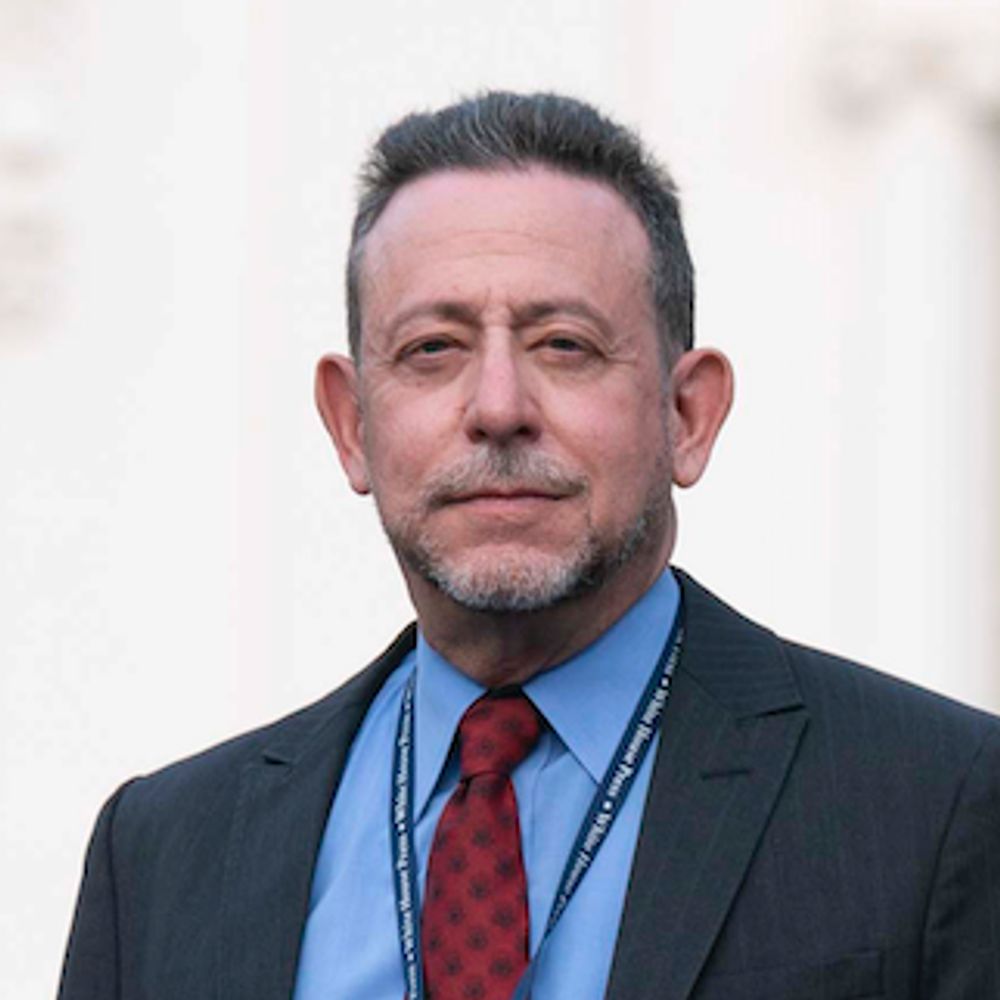
The Washington Post’s founding Global Opinions editor, Karen Attiah, says she was fired for her Bluesky posts about the killing of Charlie Kirk and political violence. https://www.independent.co.uk/news/world/americas/us-politics/washington-post-fired-charlie-kirk-karen-attiah-b2826734.html
September 15, 2025 at 1:23 PM
The Washington Post’s founding Global Opinions editor, Karen Attiah, says she was fired for her Bluesky posts about the killing of Charlie Kirk and political violence. https://www.independent.co.uk/news/world/americas/us-politics/washington-post-fired-charlie-kirk-karen-attiah-b2826734.html
Math for Journalists by @naelshiab
"This interactive notebook aims to help journalists understand math concepts often used in news stories."
https://observablehq.com/@nshiab/math-for-journalists
#journalism #ddj
"This interactive notebook aims to help journalists understand math concepts often used in news stories."
https://observablehq.com/@nshiab/math-for-journalists
#journalism #ddj

Math for journalists
This interactive notebook aims to help journalists understand math concepts often used in news stories. Questions? Comments? Reach out: nael.shiab@cbc.ca. Thank you to Arthur Charpentier, professor in the mathematics department of the Université du Québec à Montréal, who kindly reviewed this notebook. 🙏 Table of contents Averages and medians Averages Medians Which one to use? Quantiles Rolling averages Proportions and ratios Calculating proportions and ratios Ratios Different decimal bases Using plain lang
observablehq.com
September 15, 2025 at 12:09 PM
Math for Journalists by @naelshiab
"This interactive notebook aims to help journalists understand math concepts often used in news stories."
https://observablehq.com/@nshiab/math-for-journalists
#journalism #ddj
"This interactive notebook aims to help journalists understand math concepts often used in news stories."
https://observablehq.com/@nshiab/math-for-journalists
#journalism #ddj
Zu meinem Glück hab ich vor seiner Ermordung noch nie von Charlie Kirk gehört. Jetzt beginnt offenbar die "nichts schlechtes über Tote sagen"-Verherrlichung, die mit einer Ablehnung von politischer Gewalt verwechselt wird.
Warum das keine gute Idee, sollte @ErinInTheMorn lesen: Eine Sammlung […]
Warum das keine gute Idee, sollte @ErinInTheMorn lesen: Eine Sammlung […]
Original post on mastodon.social
mastodon.social
September 12, 2025 at 2:29 PM
Zu meinem Glück hab ich vor seiner Ermordung noch nie von Charlie Kirk gehört. Jetzt beginnt offenbar die "nichts schlechtes über Tote sagen"-Verherrlichung, die mit einer Ablehnung von politischer Gewalt verwechselt wird.
Warum das keine gute Idee, sollte @ErinInTheMorn lesen: Eine Sammlung […]
Warum das keine gute Idee, sollte @ErinInTheMorn lesen: Eine Sammlung […]