




Jesse Bellemare
@bellemare-jesse.bsky.social
Plant ecologist & associate prof at Smith College / PUI / plant conservation & climate change / seed dispersal & biogeography / forest ecology / dad, husband, gardener
Reposted by Jesse Bellemare
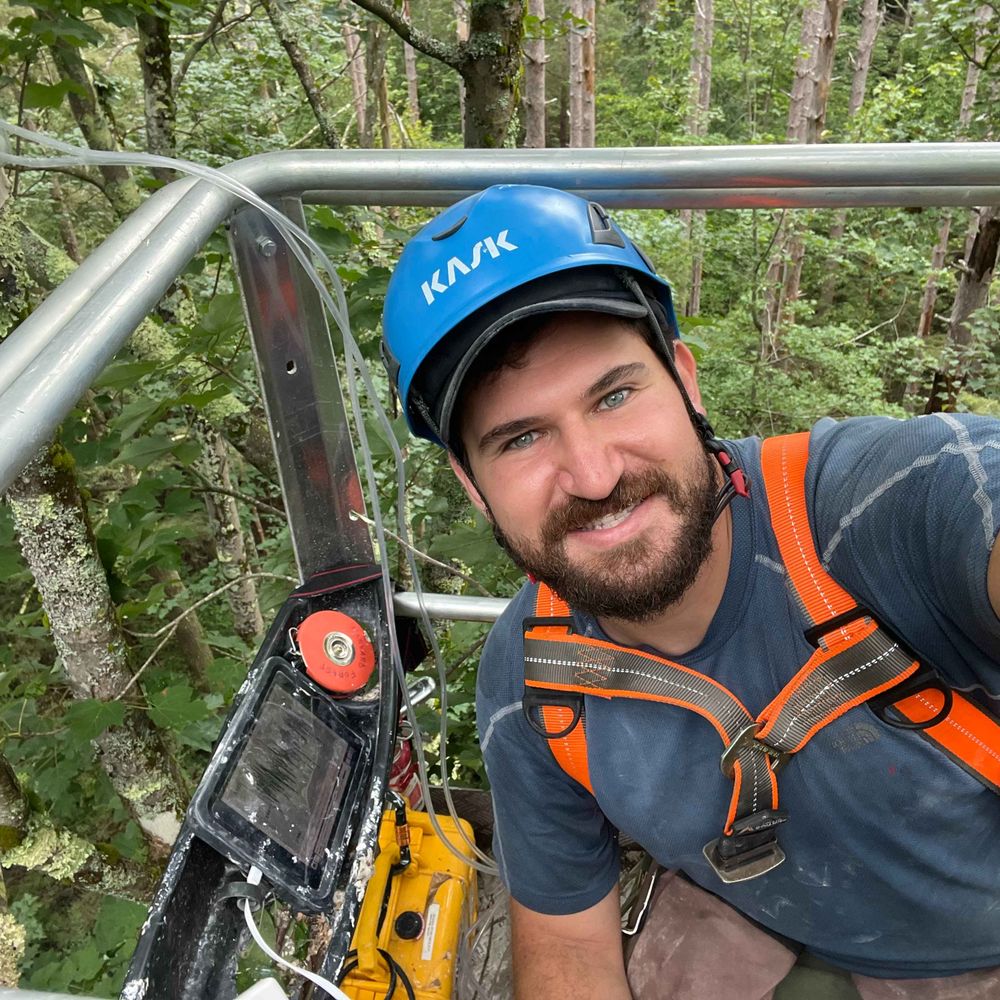
Such a fun project & massive team effort. We sampled tree cores my 1st yr of grad school then took a year to figure out how to grind wood… ! But we were amazed to find such a complex & unexpected ecosystem inside trees. And we’ve just scratched the surface! We explored 150 trees— 3 trillion to go!

#NatMicroPicks
Hidden microbial world in trees🌳
Living wood hosts trillions of bacteria making trees a complex ecosystems with major roles in forest health and function.
#PlantMicro #MicroSky
www.nature.com/articles/s41...
Hidden microbial world in trees🌳
Living wood hosts trillions of bacteria making trees a complex ecosystems with major roles in forest health and function.
#PlantMicro #MicroSky
www.nature.com/articles/s41...
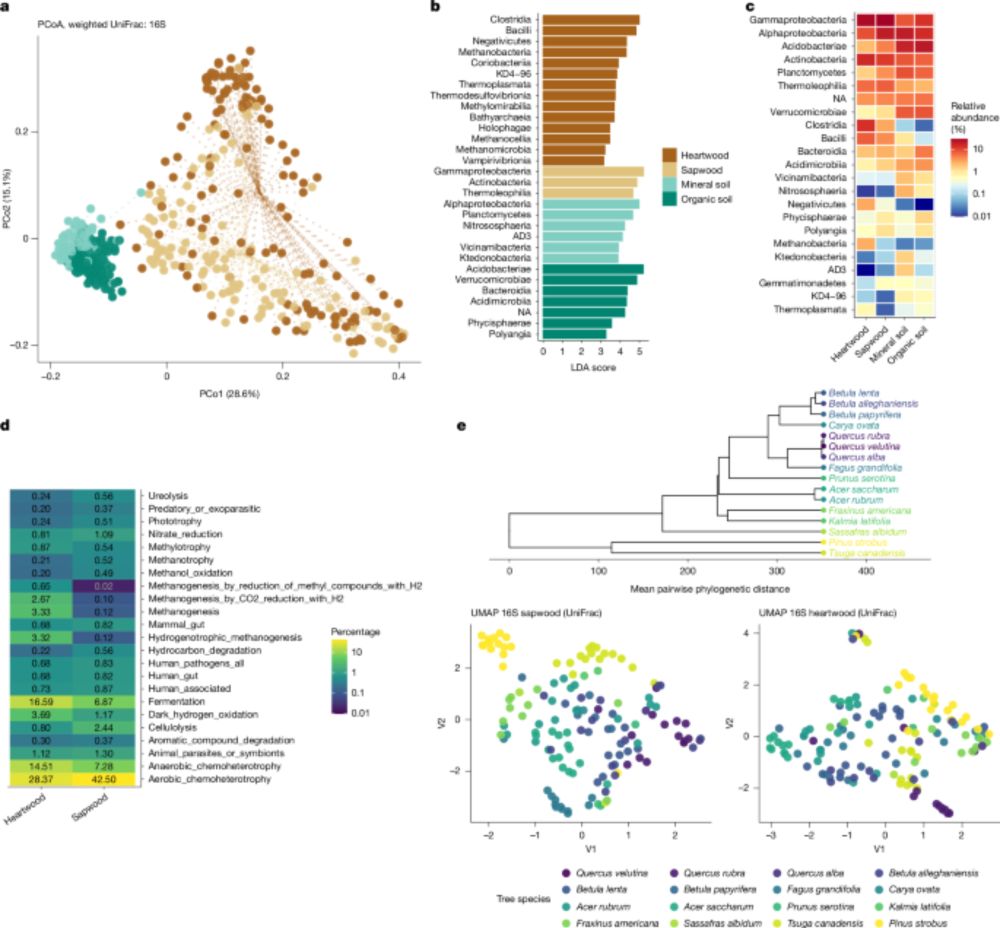
A diverse and distinct microbiome inside living trees - Nature
Microbiome analyses of living trees show that a single tree can host approximately one trillion bacteria, with microbial communities distinctly partitioned between heartwood and sapwood and with minim...
www.nature.com
August 10, 2025 at 12:23 PM
Such a fun project & massive team effort. We sampled tree cores my 1st yr of grad school then took a year to figure out how to grind wood… ! But we were amazed to find such a complex & unexpected ecosystem inside trees. And we’ve just scratched the surface! We explored 150 trees— 3 trillion to go!
Reposted by Jesse Bellemare

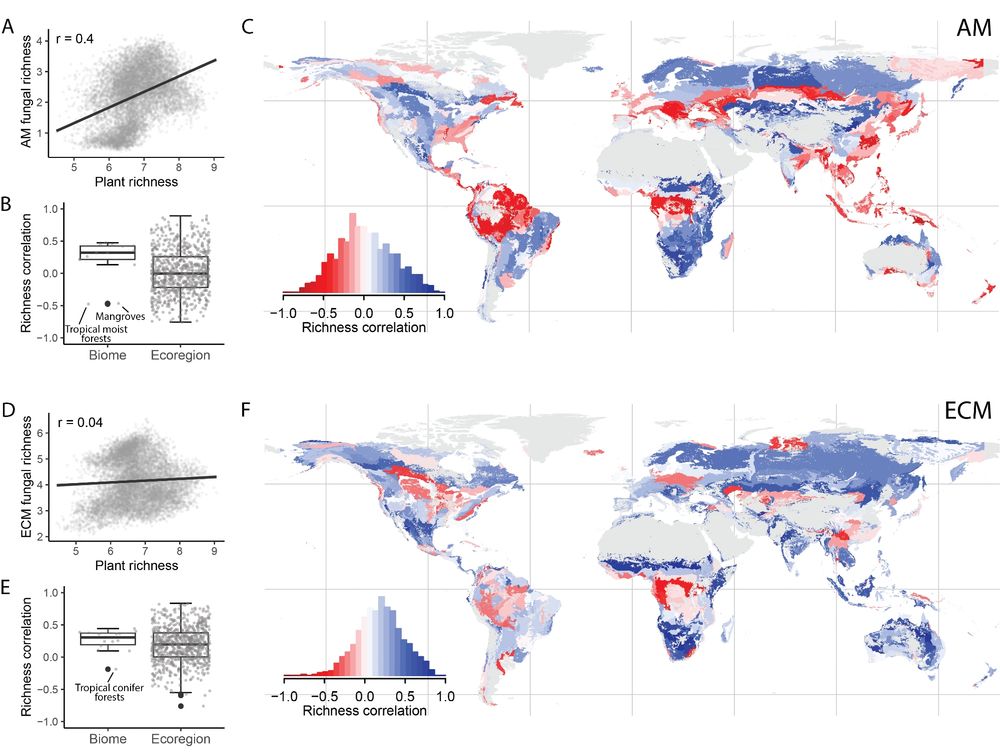
Our paper mapping plant and mycorrhizal fungal diversity correlations is out! Relationships are weak at the global level, but both positive and negative at smaller scales. Plants are not always proxies for fungi — fungi need their own conservation focus @spun.earth @ethz.ch
doi.org/10.1038/s414...
doi.org/10.1038/s414...
August 1, 2025 at 12:49 AM
Our paper mapping plant and mycorrhizal fungal diversity correlations is out! Relationships are weak at the global level, but both positive and negative at smaller scales. Plants are not always proxies for fungi — fungi need their own conservation focus @spun.earth @ethz.ch
doi.org/10.1038/s414...
doi.org/10.1038/s414...
Reposted by Jesse Bellemare

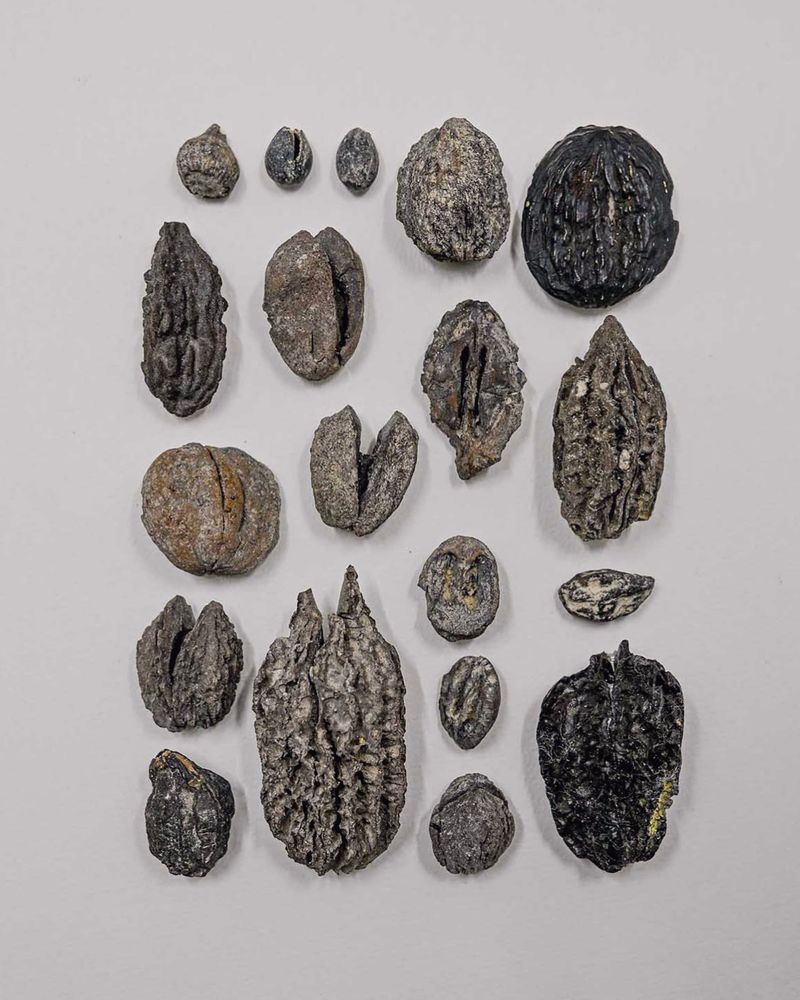
5-25 mio years old fossil nuts - European forests of that time were rich in genera: butternuts (Juglans), hickories (Carya), storax trees (Styrax), hazelnuts (Corylus) and mastic seeds (Mastixia). Most of these species later went extinct in Europe during the ice ages.
May 26, 2025 at 7:24 PM
5-25 mio years old fossil nuts - European forests of that time were rich in genera: butternuts (Juglans), hickories (Carya), storax trees (Styrax), hazelnuts (Corylus) and mastic seeds (Mastixia). Most of these species later went extinct in Europe during the ice ages.
Reposted by Jesse Bellemare

Convergent acquisition of disulfide-forming enzymes in malodorous flowers | Science www.science.org/doi/10.1126/...

Convergent acquisition of disulfide-forming enzymes in malodorous flowers
Identifying the metabolic and genetic changes that confer evolutionary novelty is essential for understanding the factors facilitating or constraining the occurrence of traits. We show that dimethyl d...
www.science.org
May 9, 2025 at 1:34 AM
Convergent acquisition of disulfide-forming enzymes in malodorous flowers | Science www.science.org/doi/10.1126/...
Reposted by Jesse Bellemare

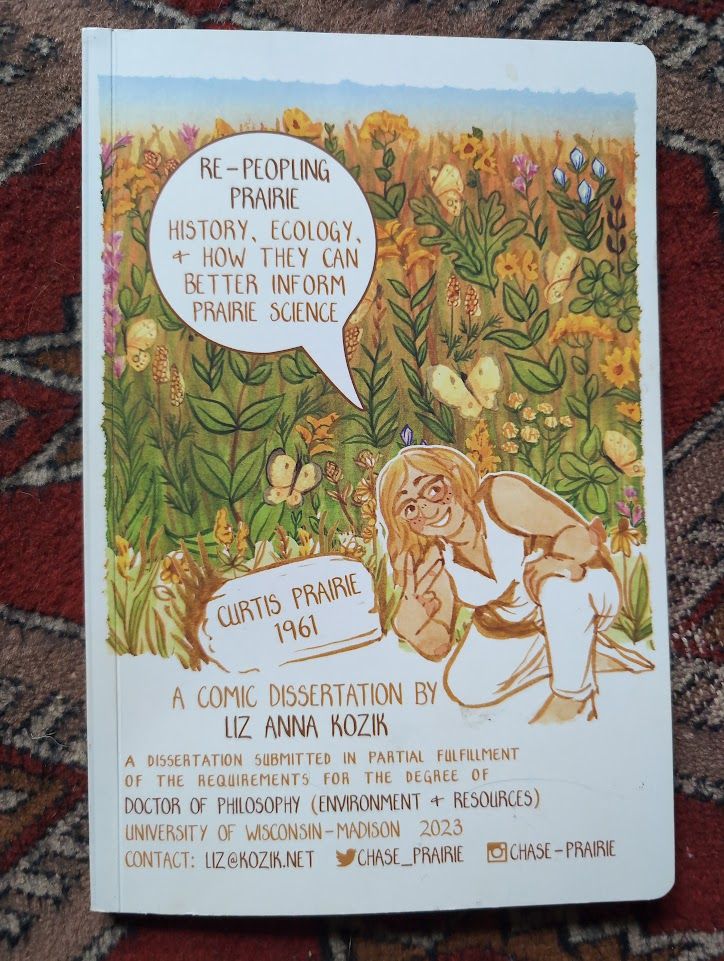
The dissertation! 150 pages of prairie, history, & more pawpaws than you'd expect.
I've sold over 850 copies of this baby, and the world being what it is, it's far too expensive to print another edition right now.
Check it out in pdf form:
drive.google.com/file/d/104cf...
I've sold over 850 copies of this baby, and the world being what it is, it's far too expensive to print another edition right now.
Check it out in pdf form:
drive.google.com/file/d/104cf...
May 4, 2025 at 8:09 PM
The dissertation! 150 pages of prairie, history, & more pawpaws than you'd expect.
I've sold over 850 copies of this baby, and the world being what it is, it's far too expensive to print another edition right now.
Check it out in pdf form:
drive.google.com/file/d/104cf...
I've sold over 850 copies of this baby, and the world being what it is, it's far too expensive to print another edition right now.
Check it out in pdf form:
drive.google.com/file/d/104cf...
Reposted by Jesse Bellemare
If you're not already following Dr Liz Anna Kozik, do! She's a great artist, science communicator, restorationist, prairie ecologist, activist... her dissertation alone is worth the price of admission.
May 5, 2025 at 2:17 AM
If you're not already following Dr Liz Anna Kozik, do! She's a great artist, science communicator, restorationist, prairie ecologist, activist... her dissertation alone is worth the price of admission.
Reposted by Jesse Bellemare

Even common plants with broad-scale distributions are going to feel the effects of climate change. We modeled plant responses using species distribution modeling and demographic surveys to find that B. stricta is at risk of decline. @science.org
www.science.org/doi/10.1126/...
www.science.org/doi/10.1126/...

Adaptation and gene flow are insufficient to rescue a montane plant under climate change
Climate change increasingly drives local population dynamics, shifts geographic distributions, and threatens persistence. Gene flow and rapid adaptation could rescue declining populations yet are seld...
www.science.org
May 1, 2025 at 6:59 PM
Even common plants with broad-scale distributions are going to feel the effects of climate change. We modeled plant responses using species distribution modeling and demographic surveys to find that B. stricta is at risk of decline. @science.org
www.science.org/doi/10.1126/...
www.science.org/doi/10.1126/...
Reposted by Jesse Bellemare

Did you ever wonder when to use "conifer", "gymnosperm", "needleleaf", "angiosperms" and "broadleaves"? Us too so we transformed the discussion into this viewpoint. I hope you enjoy the reading as much as we enjoyed the writing! @kateplantphys.bsky.social nph.onlinelibrary.wiley.com/doi/full/10....
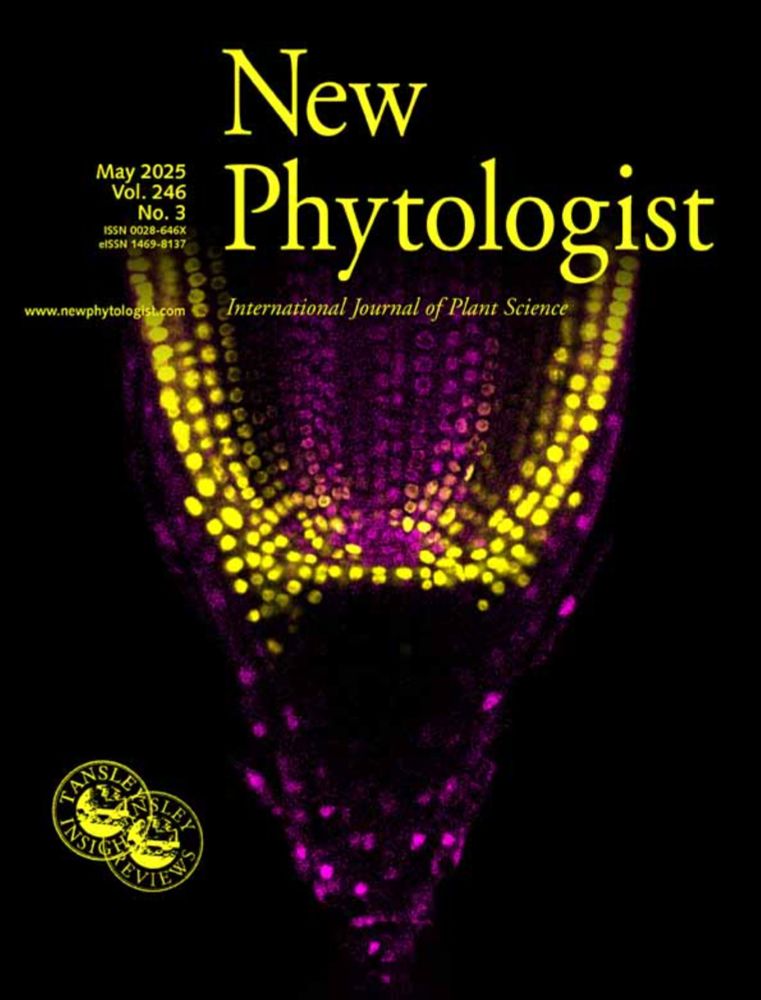
Cones and consequences: the false dichotomy of conifers vs broad‐leaves has critical implications for research and modelling
In plant science research and modelling, particularly from the northern hemisphere, the terms ‘needle-leaved’ and ‘conifer’ along with ‘broad-leaved’ and ‘angiosperm’ are often used synonymously, cre...
nph.onlinelibrary.wiley.com
April 23, 2025 at 8:02 AM
Did you ever wonder when to use "conifer", "gymnosperm", "needleleaf", "angiosperms" and "broadleaves"? Us too so we transformed the discussion into this viewpoint. I hope you enjoy the reading as much as we enjoyed the writing! @kateplantphys.bsky.social nph.onlinelibrary.wiley.com/doi/full/10....
Reposted by Jesse Bellemare

🌿 Our new study in @natplants.nature.com: Most European temperate forest plants are associated with semi-open, herbivore-shaped habitats—not closed-canopy #forests 🐎🌳🔆🌸 Highlights the need for trophic #rewilding in #conservation & need to avoid uniform dense #reforestation🌿
📄 doi.org/10.1038/s414...
📄 doi.org/10.1038/s414...

Temperate forest plants are associated with heterogeneous semi-open canopy conditions shaped by large herbivores - Nature Plants
Temperate forest plants favour heterogeneous semi-open woodlands associated with high herbivore densities, rather than uniform closed-canopy forests. Herbivore loss is therefore a probable driver of e...
doi.org
April 14, 2025 at 11:30 AM
🌿 Our new study in @natplants.nature.com: Most European temperate forest plants are associated with semi-open, herbivore-shaped habitats—not closed-canopy #forests 🐎🌳🔆🌸 Highlights the need for trophic #rewilding in #conservation & need to avoid uniform dense #reforestation🌿
📄 doi.org/10.1038/s414...
📄 doi.org/10.1038/s414...
Reposted by Jesse Bellemare
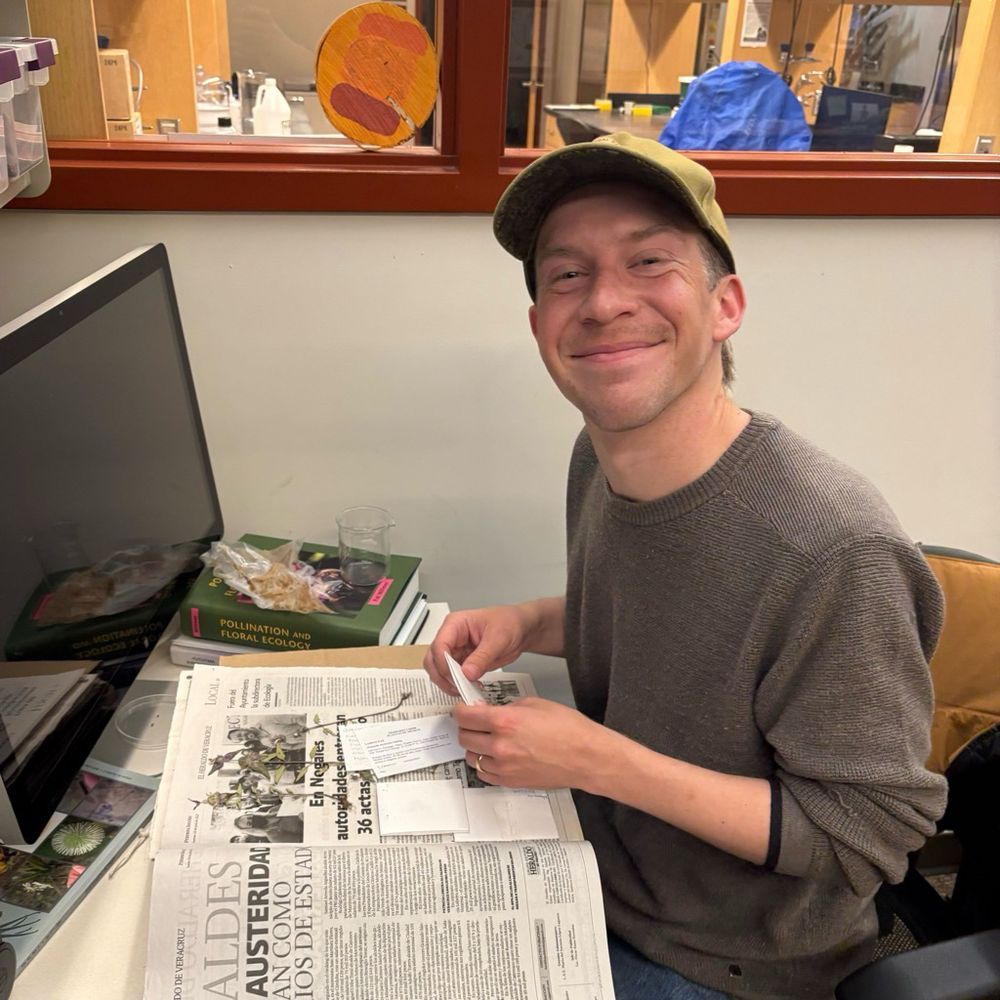
Hot off the presses and so so thrilled. Thanks to @inaturalist.bsky.social + computer vision we found something beautifully simple: Red and orange flowers bloom later than all the other colors in the eastern United States. Paper here: authors.elsevier.com/a/1kwzh3QW8S...

April 14, 2025 at 9:50 PM
Hot off the presses and so so thrilled. Thanks to @inaturalist.bsky.social + computer vision we found something beautifully simple: Red and orange flowers bloom later than all the other colors in the eastern United States. Paper here: authors.elsevier.com/a/1kwzh3QW8S...
Reposted by Jesse Bellemare

New research by R. Muthukrishnan and colleagues explores how species adapt to climate change by altering phenology, behavior, and/or range. We worked together to create an illustration demonstrating ecological responses to a warming climate. Check it out: onlinelibrary.wiley.com/doi/10.1111/...

April 10, 2025 at 8:30 AM
New research by R. Muthukrishnan and colleagues explores how species adapt to climate change by altering phenology, behavior, and/or range. We worked together to create an illustration demonstrating ecological responses to a warming climate. Check it out: onlinelibrary.wiley.com/doi/10.1111/...
Reposted by Jesse Bellemare

I have created a feed "plant insect ecology" for posts on the biology, ecology, evolution, & natural history of plants & insects... to post, simply include #plant-insect. Please post images, opportunities, academic articles w/ links, etc.
DM w/ suggestions, it will take some days to optimize
DM w/ suggestions, it will take some days to optimize
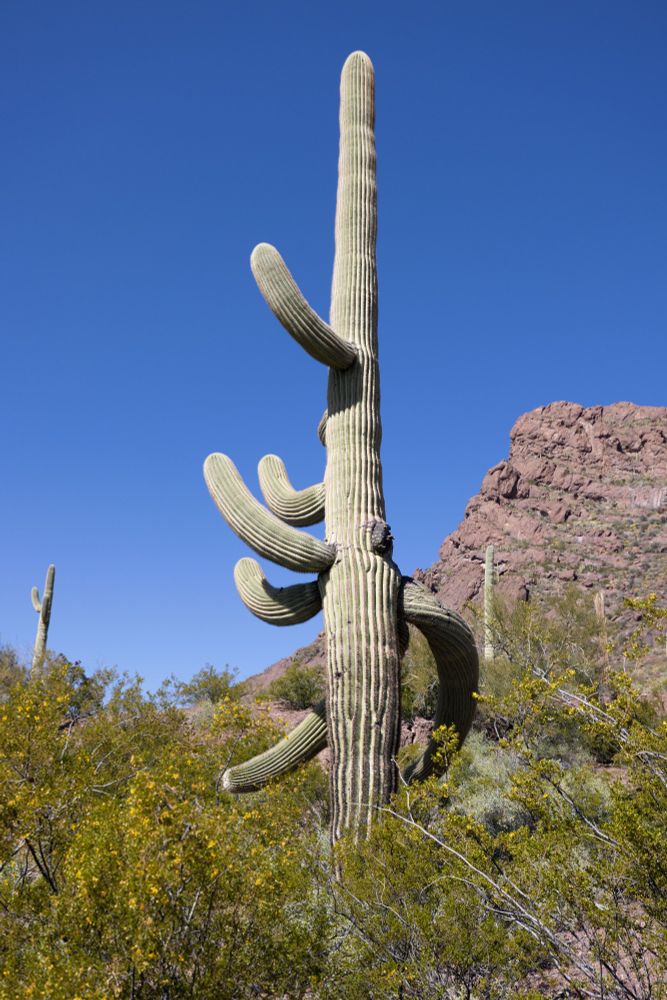
April 3, 2025 at 9:26 PM
I have created a feed "plant insect ecology" for posts on the biology, ecology, evolution, & natural history of plants & insects... to post, simply include #plant-insect. Please post images, opportunities, academic articles w/ links, etc.
DM w/ suggestions, it will take some days to optimize
DM w/ suggestions, it will take some days to optimize
Reposted by Jesse Bellemare
Shifting, expanding, or contracting? Range movement consequences for biodiversity 🌎🌐🧪 www.cell.com/trends/ecolo...

Shifting, expanding, or contracting? Range movement consequences for biodiversity
Climate change is causing species ranges to shift, expand, and contract, with divergent
and underappreciated consequences for local and global biodiversity. Widespread range
shifts should increase loc...
www.cell.com
March 14, 2025 at 12:53 PM
Shifting, expanding, or contracting? Range movement consequences for biodiversity 🌎🌐🧪 www.cell.com/trends/ecolo...
Reposted by Jesse Bellemare

Closeups of historical seaweed pressings from the University Herbarium in Berkeley for #PhycologyFriday
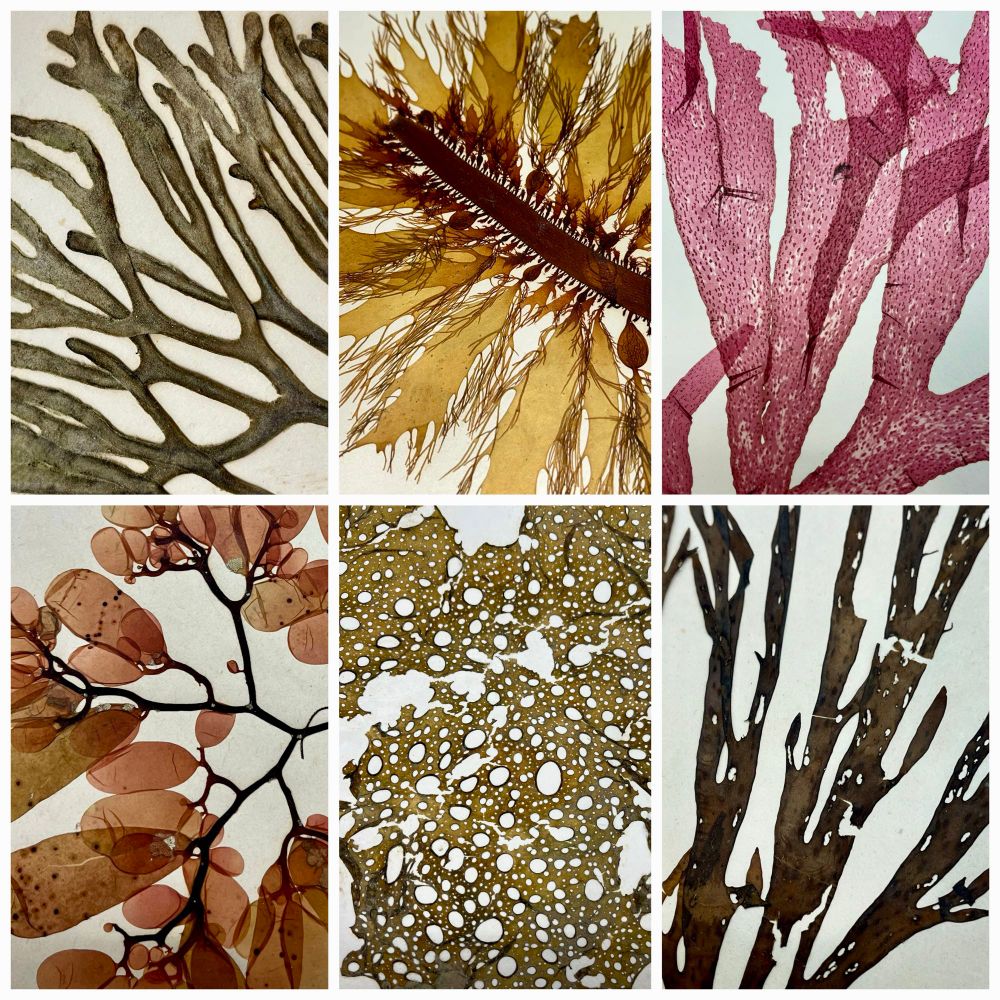
March 14, 2025 at 10:01 PM
Closeups of historical seaweed pressings from the University Herbarium in Berkeley for #PhycologyFriday
Reposted by Jesse Bellemare

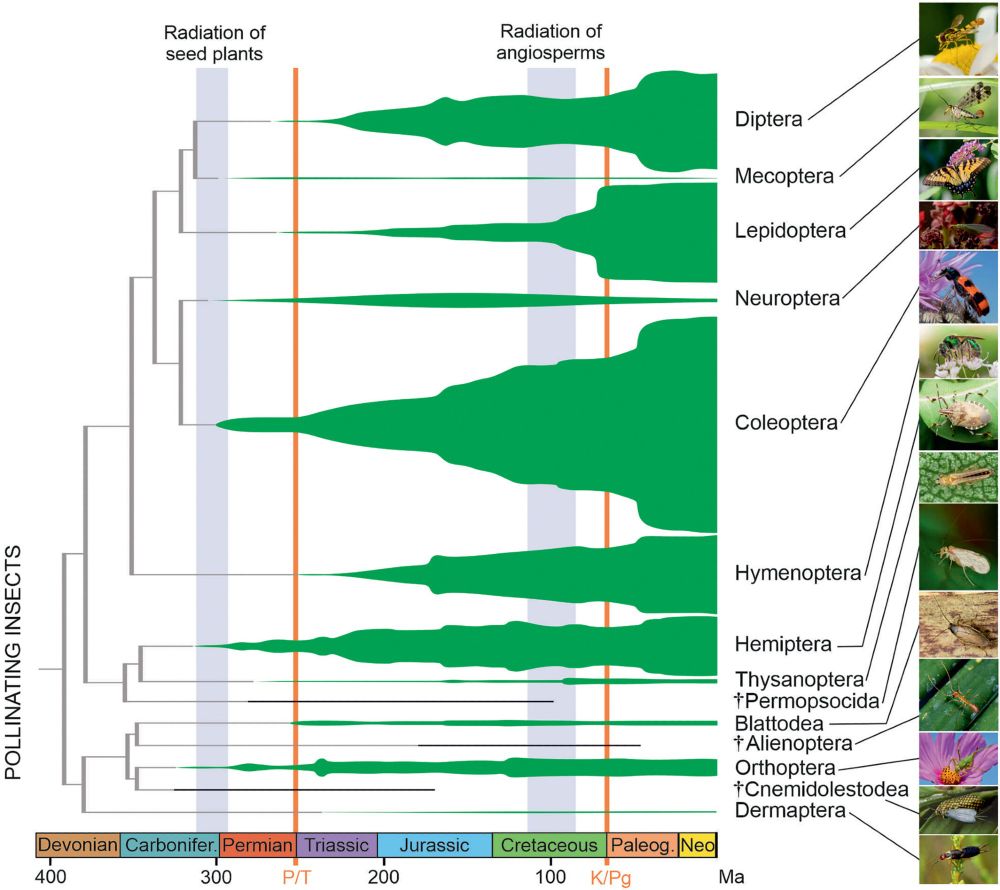
Excited to see this out!! In this thought-provoking review led by @davidperis.bsky.social and Ricardo Pérez-de la Fuente we further demonstrate that insect #pollination was once widespread among #gymnosperms and existed long before the origin of #angiosperms
onlinelibrary.wiley.com/doi/full/10....
onlinelibrary.wiley.com/doi/full/10....
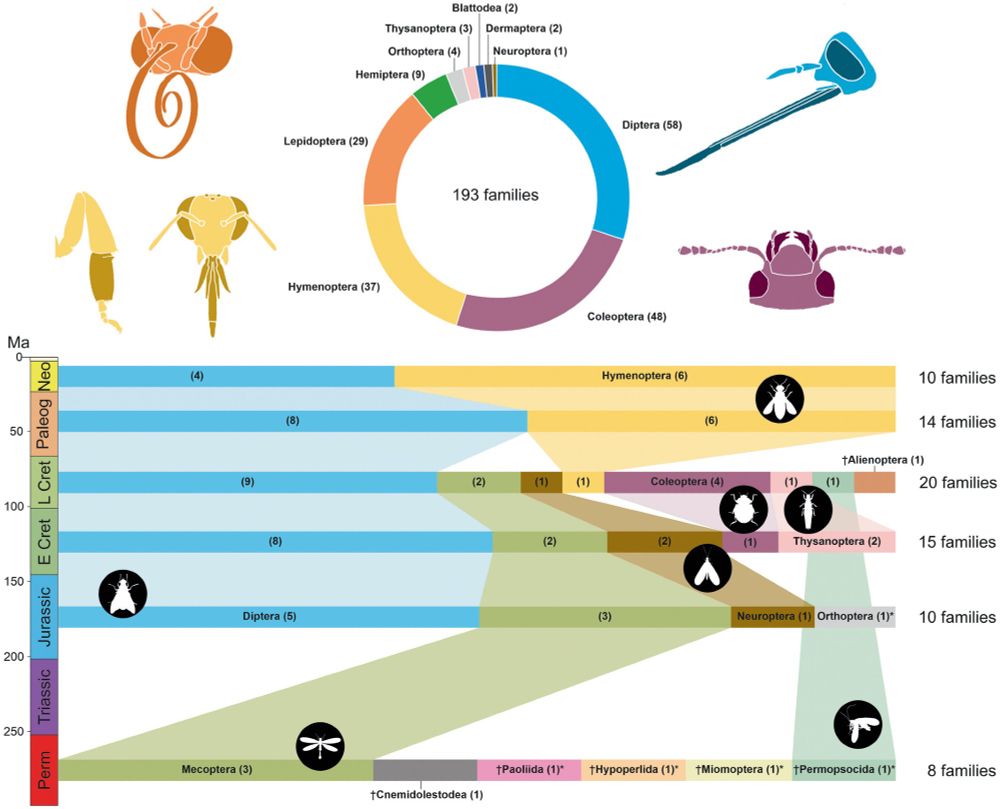
March 12, 2025 at 11:57 PM
Excited to see this out!! In this thought-provoking review led by @davidperis.bsky.social and Ricardo Pérez-de la Fuente we further demonstrate that insect #pollination was once widespread among #gymnosperms and existed long before the origin of #angiosperms
onlinelibrary.wiley.com/doi/full/10....
onlinelibrary.wiley.com/doi/full/10....
Reposted by Jesse Bellemare

The importance of the plant mycorrhizal collaboration niche across scales
@natrevbiodiv.bsky.social by Mari Moora and colleagues
www.nature.com/articles/s44...
@natrevbiodiv.bsky.social by Mari Moora and colleagues
www.nature.com/articles/s44...

The importance of the plant mycorrhizal collaboration niche across scales - Nature Reviews Biodiversity
The mycorrhizal symbiosis between plants and fungi is critical to the success of both partners. This Perspective explores how plant reliance on mycorrhizae varies across ecological scales and how the ...
www.nature.com
March 1, 2025 at 12:46 PM
The importance of the plant mycorrhizal collaboration niche across scales
@natrevbiodiv.bsky.social by Mari Moora and colleagues
www.nature.com/articles/s44...
@natrevbiodiv.bsky.social by Mari Moora and colleagues
www.nature.com/articles/s44...
Reposted by Jesse Bellemare
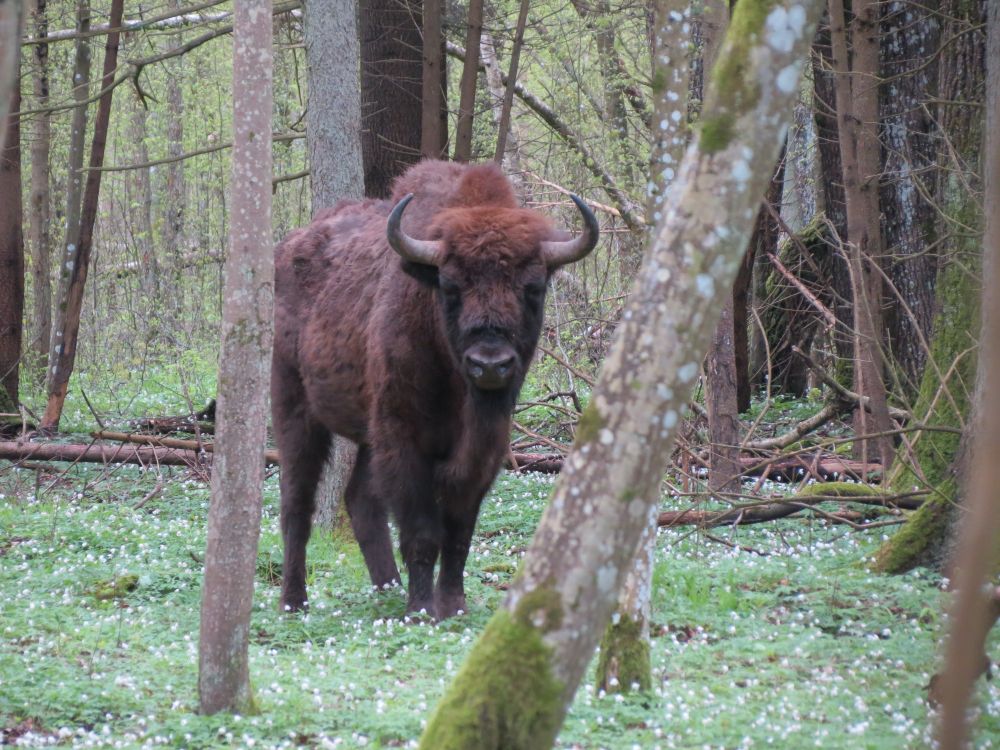
Our new #OpenAccess paper
How can long-term #ecology studies survive & resist political & social change, authoritarianism, war, but also embrace positive change?
The Białowieża Forest as an example of the resilience of long-term studies in a changing world:
www.sciencedirect.com/science/arti... 1/
How can long-term #ecology studies survive & resist political & social change, authoritarianism, war, but also embrace positive change?
The Białowieża Forest as an example of the resilience of long-term studies in a changing world:
www.sciencedirect.com/science/arti... 1/

March 1, 2025 at 1:22 PM
Our new #OpenAccess paper
How can long-term #ecology studies survive & resist political & social change, authoritarianism, war, but also embrace positive change?
The Białowieża Forest as an example of the resilience of long-term studies in a changing world:
www.sciencedirect.com/science/arti... 1/
How can long-term #ecology studies survive & resist political & social change, authoritarianism, war, but also embrace positive change?
The Białowieża Forest as an example of the resilience of long-term studies in a changing world:
www.sciencedirect.com/science/arti... 1/
Reposted by Jesse Bellemare

Found some beautifully preserved horsetails from the Whitby plant beds!
Ravenscar group Middle Jurassic (aalenian stage) #FossilFriday #paleontology #paleobotany #geology
Ravenscar group Middle Jurassic (aalenian stage) #FossilFriday #paleontology #paleobotany #geology


February 21, 2025 at 9:11 AM
Found some beautifully preserved horsetails from the Whitby plant beds!
Ravenscar group Middle Jurassic (aalenian stage) #FossilFriday #paleontology #paleobotany #geology
Ravenscar group Middle Jurassic (aalenian stage) #FossilFriday #paleontology #paleobotany #geology
Reposted by Jesse Bellemare

www.indefenseofplants.com/podcast/2025... awesome episode of @shellygaynor.bsky.social work on Galax!

Ep. 513 - The Enigma of the Galax Genome — In Defense of Plants
In Defense of Plants' Matt Candeias talks with Dr. Shelly Gaynor about the enigma that is polyploidy in Galax urceolata.
www.indefenseofplants.com
February 16, 2025 at 11:01 PM
www.indefenseofplants.com/podcast/2025... awesome episode of @shellygaynor.bsky.social work on Galax!
Reposted by Jesse Bellemare

Rewilding cannot ignore the massive ecological voids left by the human-driven Pleistocene extinctions of megafauna.
By focusing solely on species lost since the last Ice Age (eg: lynx, wolves), we're *totally* failing to see the full picture.
nsojournals.onlinelibrary.wiley.com/doi/10.1111/...
By focusing solely on species lost since the last Ice Age (eg: lynx, wolves), we're *totally* failing to see the full picture.
nsojournals.onlinelibrary.wiley.com/doi/10.1111/...

Shifting baselines and the forgotten giants: integrating megafauna into plant community ecology
The extensive, prehistoric loss of megafauna during the last 50 000 years led early naturalists to build the founding theories of ecology based on already-degraded ecosystems. In this article, we out...
nsojournals.onlinelibrary.wiley.com
February 14, 2025 at 8:54 AM
Rewilding cannot ignore the massive ecological voids left by the human-driven Pleistocene extinctions of megafauna.
By focusing solely on species lost since the last Ice Age (eg: lynx, wolves), we're *totally* failing to see the full picture.
nsojournals.onlinelibrary.wiley.com/doi/10.1111/...
By focusing solely on species lost since the last Ice Age (eg: lynx, wolves), we're *totally* failing to see the full picture.
nsojournals.onlinelibrary.wiley.com/doi/10.1111/...
Reposted by Jesse Bellemare

Plant translocations and reintroductions for conservation purposes are often unsuccessful. Sandrine Godefroid and colleagues have summed up the outcome of over 3000 plant translocations across Europe, their outcome and reason for success or failure.
link.springer.com/article/10.1...
link.springer.com/article/10.1...

January 22, 2025 at 8:06 PM
Plant translocations and reintroductions for conservation purposes are often unsuccessful. Sandrine Godefroid and colleagues have summed up the outcome of over 3000 plant translocations across Europe, their outcome and reason for success or failure.
link.springer.com/article/10.1...
link.springer.com/article/10.1...
Photosynthetic suction cups… Hoya imbricata (Apocynaceae) ascending a brick wall in the Lyman Plant House at Smith College Botanic Garden.


February 13, 2025 at 8:05 PM
Photosynthetic suction cups… Hoya imbricata (Apocynaceae) ascending a brick wall in the Lyman Plant House at Smith College Botanic Garden.
Reposted by Jesse Bellemare

"Global plant crisis as botanic gardens exhaust ability to save plants from extinction." cosmosmagazine.com/people/socie...
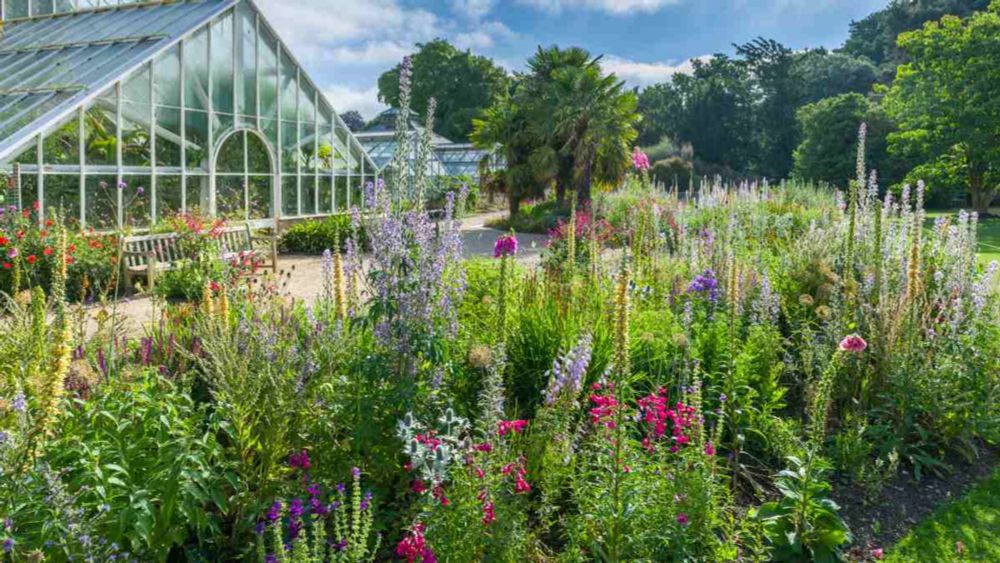
Plant crisis for 3,500 botanic gardens worldwide
A century’s worth of data reveals that botanic gardens and arboreta have reached capacity, impacting their scientific and conservation goals.
cosmosmagazine.com
February 7, 2025 at 1:53 AM
"Global plant crisis as botanic gardens exhaust ability to save plants from extinction." cosmosmagazine.com/people/socie...
Reposted by Jesse Bellemare
Calling grad students researching rare & endangered plants native to the U.S.! Apps close soon for the 🌺 Catherine H. Beattie Graduate Fellowship in Plant Conservation 🌺
📆 due 1/31/25
💸research grant <=$4.5k, compensation for work at a botanical garden by the student
saveplants.org/about-us/fel...
📆 due 1/31/25
💸research grant <=$4.5k, compensation for work at a botanical garden by the student
saveplants.org/about-us/fel...

Apply for Our Fellowships - Center for Plant Conservation
The Catherine H. Beattie Fellowship provides annual research grants to graduate students whose projects focus on a specific rare plant native to the U.S.
saveplants.org
January 17, 2025 at 6:28 PM
Calling grad students researching rare & endangered plants native to the U.S.! Apps close soon for the 🌺 Catherine H. Beattie Graduate Fellowship in Plant Conservation 🌺
📆 due 1/31/25
💸research grant <=$4.5k, compensation for work at a botanical garden by the student
saveplants.org/about-us/fel...
📆 due 1/31/25
💸research grant <=$4.5k, compensation for work at a botanical garden by the student
saveplants.org/about-us/fel...
Reposted by Jesse Bellemare
Abundant non-native monarch butterflies feeding on non-native milkweeds on the big island of Hawaii


December 22, 2024 at 9:13 PM
Abundant non-native monarch butterflies feeding on non-native milkweeds on the big island of Hawaii