




Reposted by Afonso Mota

There are strange organisms flourishing in the darkest depths of Earth’s crust, @karenlloyd.bsky.social reports. Their existence is challenging the very foundations of life & evolution as we know it.
#microbes #intraterrestrials #microbiology
#microbes #intraterrestrials #microbiology

There’s Life Inside Earth’s Crust | NOEMA
Revelations about microbes living deep inside Earth’s crust are challenging scientists’ conceptions of life and how it evolves.
www.noemamag.com
April 18, 2025 at 5:34 PM
There are strange organisms flourishing in the darkest depths of Earth’s crust, @karenlloyd.bsky.social reports. Their existence is challenging the very foundations of life & evolution as we know it.
#microbes #intraterrestrials #microbiology
#microbes #intraterrestrials #microbiology
Reposted by Afonso Mota

Simply put, this is bad science, worse science communication, and deeply misleading to the public.
I know we all want to find alien life, but this is not it.
Should we observe K2-18b more to be sure? Absolutely. Only better data (and independent analyses) will reveal K2-18b's secrets.
I know we all want to find alien life, but this is not it.
Should we observe K2-18b more to be sure? Absolutely. Only better data (and independent analyses) will reveal K2-18b's secrets.
April 17, 2025 at 4:08 PM
Simply put, this is bad science, worse science communication, and deeply misleading to the public.
I know we all want to find alien life, but this is not it.
Should we observe K2-18b more to be sure? Absolutely. Only better data (and independent analyses) will reveal K2-18b's secrets.
I know we all want to find alien life, but this is not it.
Should we observe K2-18b more to be sure? Absolutely. Only better data (and independent analyses) will reveal K2-18b's secrets.
Reposted by Afonso Mota
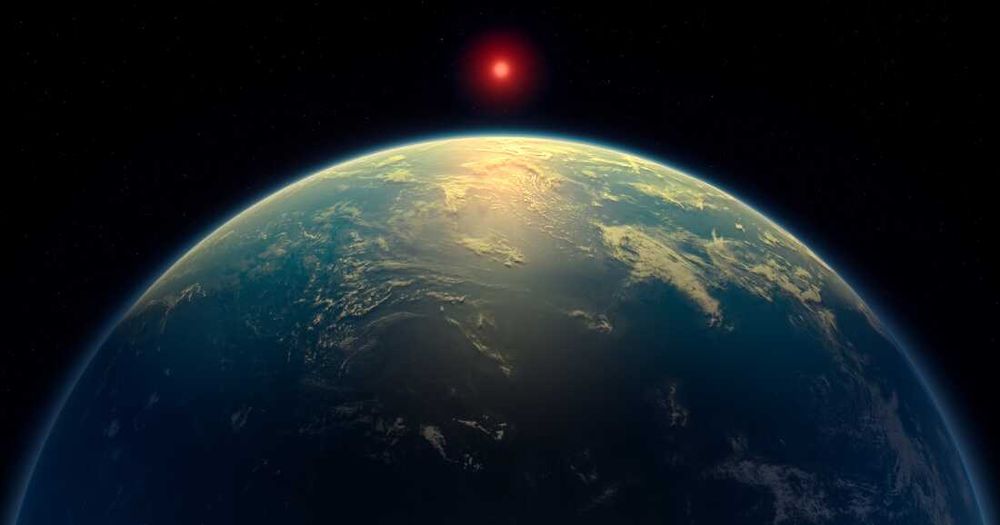
𝗡𝗼, 𝗮 𝗯𝗶𝗼𝘀𝗶𝗴𝗻𝗮𝘁𝘂𝗿𝗲 𝘄𝗮𝘀 𝗻𝗼𝘁 𝗷𝘂𝘀𝘁 𝗱𝗲𝘁𝗲𝗰𝘁𝗲𝗱 𝗶𝗻 𝗞𝟮-𝟭𝟴𝗯'𝘀 𝗮𝘁𝗺𝗼𝘀𝗽𝗵𝗲𝗿𝗲.
K2-18b is back in the news, now with a bold claim that biosignature molecules (DMS and/or DMDS) have been 'detected at 3σ'.
Most exoplanet astronomers are extremely sceptical about these claims, let's see why (1/n).
🔭🧪🪐 #exoplanet
K2-18b is back in the news, now with a bold claim that biosignature molecules (DMS and/or DMDS) have been 'detected at 3σ'.
Most exoplanet astronomers are extremely sceptical about these claims, let's see why (1/n).
🔭🧪🪐 #exoplanet
April 17, 2025 at 4:08 PM
𝗡𝗼, 𝗮 𝗯𝗶𝗼𝘀𝗶𝗴𝗻𝗮𝘁𝘂𝗿𝗲 𝘄𝗮𝘀 𝗻𝗼𝘁 𝗷𝘂𝘀𝘁 𝗱𝗲𝘁𝗲𝗰𝘁𝗲𝗱 𝗶𝗻 𝗞𝟮-𝟭𝟴𝗯'𝘀 𝗮𝘁𝗺𝗼𝘀𝗽𝗵𝗲𝗿𝗲.
K2-18b is back in the news, now with a bold claim that biosignature molecules (DMS and/or DMDS) have been 'detected at 3σ'.
Most exoplanet astronomers are extremely sceptical about these claims, let's see why (1/n).
🔭🧪🪐 #exoplanet
K2-18b is back in the news, now with a bold claim that biosignature molecules (DMS and/or DMDS) have been 'detected at 3σ'.
Most exoplanet astronomers are extremely sceptical about these claims, let's see why (1/n).
🔭🧪🪐 #exoplanet
Reposted by Afonso Mota
Shocking Spherules!
Last week the Perseverance Science Team were astonished by a strange rock comprised of hundreds of millimeter-sized spheres… and the team are now working hard to understand their origin.
science.nasa.gov/blog/shockin... #Mars 🧪🔭
Last week the Perseverance Science Team were astonished by a strange rock comprised of hundreds of millimeter-sized spheres… and the team are now working hard to understand their origin.
science.nasa.gov/blog/shockin... #Mars 🧪🔭

March 22, 2025 at 9:06 PM
Shocking Spherules!
Last week the Perseverance Science Team were astonished by a strange rock comprised of hundreds of millimeter-sized spheres… and the team are now working hard to understand their origin.
science.nasa.gov/blog/shockin... #Mars 🧪🔭
Last week the Perseverance Science Team were astonished by a strange rock comprised of hundreds of millimeter-sized spheres… and the team are now working hard to understand their origin.
science.nasa.gov/blog/shockin... #Mars 🧪🔭
Reposted by Afonso Mota
Reposted by Afonso Mota

Parker space probe safe! 👍
#space #sun #nasa #hamradio 🇺🇸
Parker got more than seven times closer to the sun than previous spacecraft, traveling at a maximum speed of about 430,000 mph. It's the fastest spacecraft ever built
#space #sun #nasa #hamradio 🇺🇸
Parker got more than seven times closer to the sun than previous spacecraft, traveling at a maximum speed of about 430,000 mph. It's the fastest spacecraft ever built

NASA's Parker Solar Probe safe after historic closest-ever approach to sun
NASA's Parker Solar Probe hurtled through the sizzling solar atmosphere and passed within a record-breaking 3.8 million miles of the sun's surface.
www.cbsnews.com
December 27, 2024 at 4:26 PM
Reposted by Afonso Mota

Recovery of highly contiguous genomes from complex terrestrial habitats reveals over 15,000 novel prokaryotic species and expands characterization of soil and sediment microbial communities www.biorxiv.org/content/10.1... #jcampubs
December 27, 2024 at 7:10 PM
Recovery of highly contiguous genomes from complex terrestrial habitats reveals over 15,000 novel prokaryotic species and expands characterization of soil and sediment microbial communities www.biorxiv.org/content/10.1... #jcampubs
Reposted by Afonso Mota

Have you ever dreamed of playing a retro video game themed on the origin of life and astrobiology? If yes, I just made the perfect game for you!
Let me know your score and let's see if you can create life on your planet! 🧪
www.lucatonietti.com/origin-of-li...
#astrobiology
Let me know your score and let's see if you can create life on your planet! 🧪
www.lucatonietti.com/origin-of-li...
#astrobiology

December 20, 2024 at 12:10 AM
Have you ever dreamed of playing a retro video game themed on the origin of life and astrobiology? If yes, I just made the perfect game for you!
Let me know your score and let's see if you can create life on your planet! 🧪
www.lucatonietti.com/origin-of-li...
#astrobiology
Let me know your score and let's see if you can create life on your planet! 🧪
www.lucatonietti.com/origin-of-li...
#astrobiology
Reposted by Afonso Mota

Census of Deep Life is the largest compendium of subsurface microbiological samples sequenced together to-date. We found some pretty cool microbial trends across major provinces of Earth's subsurface. Nice job pulling this together, @emilruff.bsky.social www.science.org/doi/epdf/10....
A global comparison of surface and subsurface microbiomes reveals large-scale biodiversity gradients, and a marine-terrestrial divide
You have to enable JavaScript in your browser's settings in order to use the eReader.
www.science.org
December 19, 2024 at 2:31 AM
Census of Deep Life is the largest compendium of subsurface microbiological samples sequenced together to-date. We found some pretty cool microbial trends across major provinces of Earth's subsurface. Nice job pulling this together, @emilruff.bsky.social www.science.org/doi/epdf/10....
Reposted by Afonso Mota

A new analysis of data from the Juno spacecraft suggests that the ice shell covering the ocean on Jupiter's moon Europa might be WAY thicker than anticipated. (With comments from @theplanetaryguy.bsky.social)
Possibly bad news for any hope of life signs from Europa Clipper, currently en route. 🧪🔭
Possibly bad news for any hope of life signs from Europa Clipper, currently en route. 🧪🔭

Surprisingly thick ice on Jupiter’s moon Europa complicates hunt for life
Revelation is blow to hopes for habitability and future space missions
www.science.org
December 19, 2024 at 7:17 PM
A new analysis of data from the Juno spacecraft suggests that the ice shell covering the ocean on Jupiter's moon Europa might be WAY thicker than anticipated. (With comments from @theplanetaryguy.bsky.social)
Possibly bad news for any hope of life signs from Europa Clipper, currently en route. 🧪🔭
Possibly bad news for any hope of life signs from Europa Clipper, currently en route. 🧪🔭
Reposted by Afonso Mota
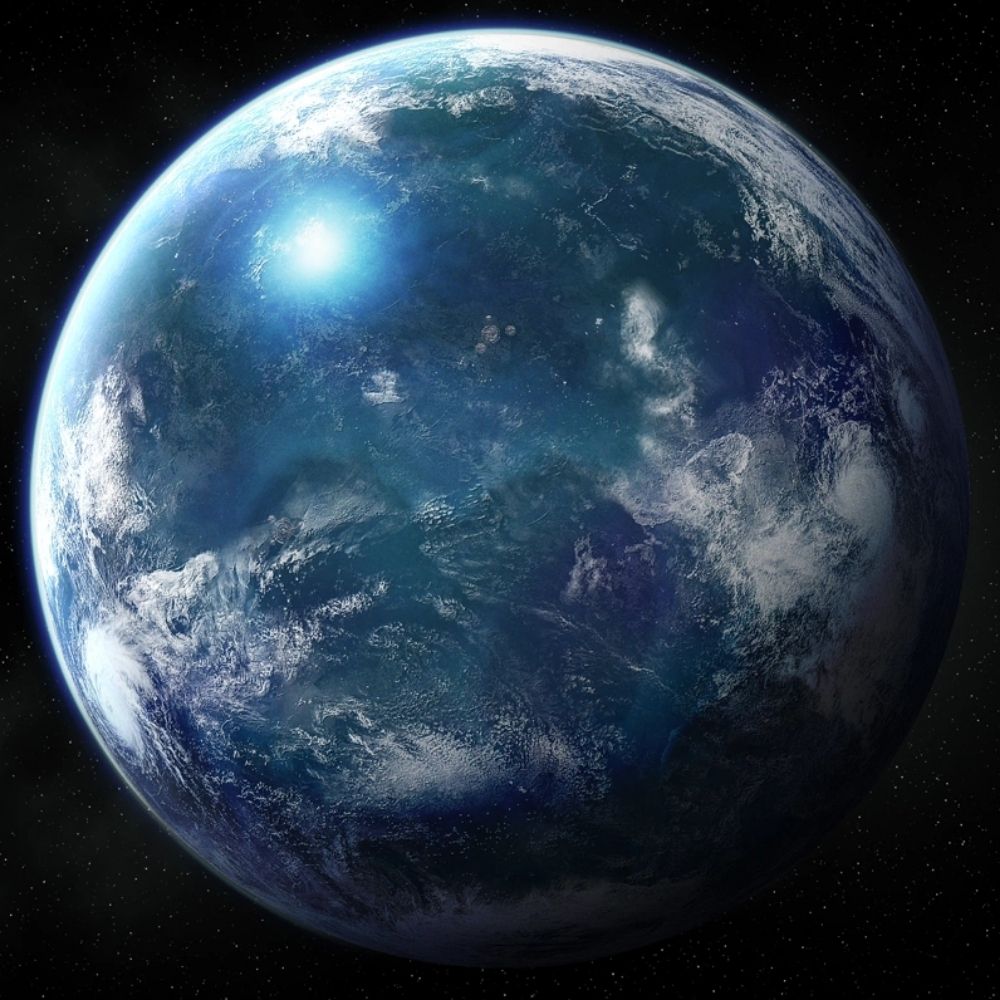
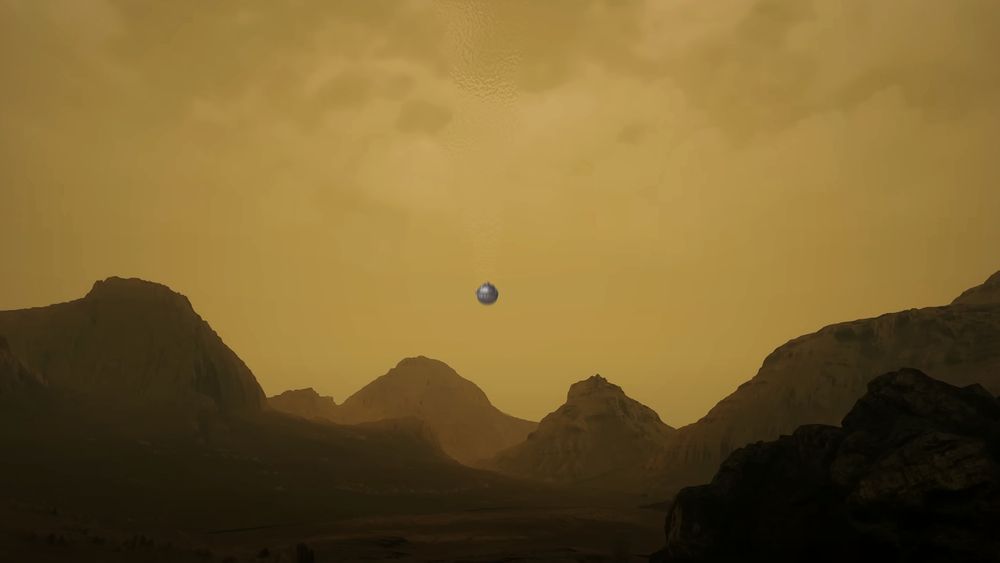
Did you know we're sending a probe all the way to the Venus surface to figure out if the planet was ever Earthlike?
Read about NASA's incredible DAVINCI mission, and the first aerial photographs humans will ever take of Venus...
science.nasa.gov/uncategorize...
Read about NASA's incredible DAVINCI mission, and the first aerial photographs humans will ever take of Venus...
science.nasa.gov/uncategorize...
December 17, 2024 at 3:23 AM
Did you know we're sending a probe all the way to the Venus surface to figure out if the planet was ever Earthlike?
Read about NASA's incredible DAVINCI mission, and the first aerial photographs humans will ever take of Venus...
science.nasa.gov/uncategorize...
Read about NASA's incredible DAVINCI mission, and the first aerial photographs humans will ever take of Venus...
science.nasa.gov/uncategorize...
Reposted by Afonso Mota

❗The 2024 BacDive release is now online❗
New strains from the @leibniz-dsmz.bsky.social catalogue, new data provided by DSMZ curators, and information on type strains of newly described species were added to the database. 🦠
BacDive now contains 2,709,516 data points on 99,392 strains!
New strains from the @leibniz-dsmz.bsky.social catalogue, new data provided by DSMZ curators, and information on type strains of newly described species were added to the database. 🦠
BacDive now contains 2,709,516 data points on 99,392 strains!

December 17, 2024 at 2:24 PM
❗The 2024 BacDive release is now online❗
New strains from the @leibniz-dsmz.bsky.social catalogue, new data provided by DSMZ curators, and information on type strains of newly described species were added to the database. 🦠
BacDive now contains 2,709,516 data points on 99,392 strains!
New strains from the @leibniz-dsmz.bsky.social catalogue, new data provided by DSMZ curators, and information on type strains of newly described species were added to the database. 🦠
BacDive now contains 2,709,516 data points on 99,392 strains!
Reposted by Afonso Mota

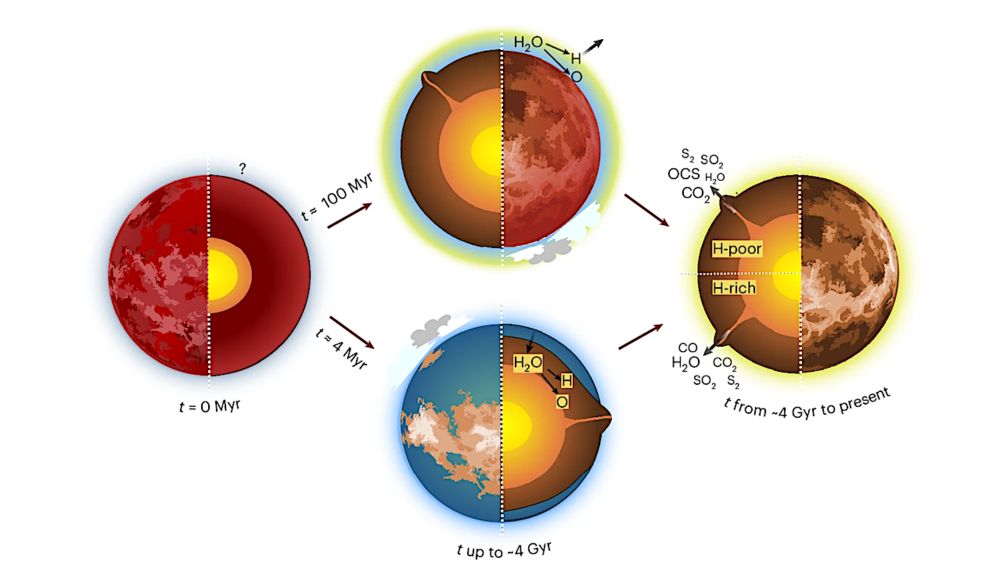
Research Suggests That Venus Never Had Liquid Water On Its Surface
astrobiology.com/2024/12/rese... #astrobiology #exoplanet #Venus #biosignature
astrobiology.com/2024/12/rese... #astrobiology #exoplanet #Venus #biosignature
Research Suggests That Venus Never Had Liquid Water On Its Surface - Astrobiology
A team has found that Venus has never been habitable, despite decades of speculation that Venus was once much more like Earth than it is today.
astrobiology.com
December 3, 2024 at 6:01 PM
Research Suggests That Venus Never Had Liquid Water On Its Surface
astrobiology.com/2024/12/rese... #astrobiology #exoplanet #Venus #biosignature
astrobiology.com/2024/12/rese... #astrobiology #exoplanet #Venus #biosignature