




Tamer Ali
@tamerbio.bsky.social
Father, husband, and epigeneticist exploring the science of gene regulation and inheritance. Passionate about family, discovery, and the power of epigenetics to shape health and future generations. 🇵🇸🇵🇸🇵🇸
Reposted by Tamer Ali

How to stop the revolving door of German academia www.nature.com/articles/d41...

How to stop the revolving door of German academia
Germany is one of the most popular destinations for students and scholars worldwide, but those pursuing academic careers face significant hurdles to success.
www.nature.com
November 28, 2025 at 8:28 PM
How to stop the revolving door of German academia www.nature.com/articles/d41...
Reposted by Tamer Ali

Protocol for the generation of low-input Hi-C sequencing libraries of FACS-isolated mitotic cells #protocol #starprotocols #cellpress

Protocol for the generation of low-input Hi-C sequencing libraries of FACS-isolated mitotic cells
High-throughput chromosome conformation capture (Hi-C) is a powerful tool to investigate 3D genome architecture. Here, we present a protocol for preparing low-input Hi-C libraries from mitotic cells isolated by fluorescence-activated cell sorting (FACS) to study chromatin conformation in mitotic cells. We describe steps for mitotic arrest, harvest and fixation of cultured cells, staining with an anti-Mitotic Protein Marker (MPM2), and isolation of mitotic cells. We then detail procedures for qua...
dlvr.it
December 3, 2025 at 4:08 PM
Protocol for the generation of low-input Hi-C sequencing libraries of FACS-isolated mitotic cells #protocol #starprotocols #cellpress
HFpEF in animals models are a
step forward but still fall short in several crucial
ways, particularly by not capturing the severity
of heart failure features common in patients:
www.nature.com/articles/s44...
step forward but still fall short in several crucial
ways, particularly by not capturing the severity
of heart failure features common in patients:
www.nature.com/articles/s44...

Modeling HFpEF in animals - Nature Cardiovascular Research
There is great interest in modeling human HFpEF in animals to identify underlying mechanisms and ultimately improve sorely needed therapies. Our current models are a step forward but still fall short ...
www.nature.com
December 2, 2025 at 2:27 PM
HFpEF in animals models are a
step forward but still fall short in several crucial
ways, particularly by not capturing the severity
of heart failure features common in patients:
www.nature.com/articles/s44...
step forward but still fall short in several crucial
ways, particularly by not capturing the severity
of heart failure features common in patients:
www.nature.com/articles/s44...
Reposted by Tamer Ali

In a new Science study, researchers describe MetaEdit, a strategy that enables targeted insertion of large DNA sequences into the genome of bacteria within the mouse gut environment.
Learn more in a new #SciencePerspective: https://scim.ag/3KgwXbN
Learn more in a new #SciencePerspective: https://scim.ag/3KgwXbN

Programmable DNA insertion in native gut bacteria
A gene-editing approach enables modification of bacteria within the mouse gut
scim.ag
December 1, 2025 at 8:11 PM
In a new Science study, researchers describe MetaEdit, a strategy that enables targeted insertion of large DNA sequences into the genome of bacteria within the mouse gut environment.
Learn more in a new #SciencePerspective: https://scim.ag/3KgwXbN
Learn more in a new #SciencePerspective: https://scim.ag/3KgwXbN
Reposted by Tamer Ali

Online Now: In vivo proteomic labeling reveals diverse proteomes for therapeutic targets Online now:

In vivo proteomic labeling reveals diverse proteomes for therapeutic targets
Wang et al. establish an in vivo proteomic labeling (IVPL) system combining the Btn-Ph-3F substrate with APEX2-EGFPf/f Cre crosses to map cell-type-specific proteomes in intact organs and trace patient-derived exosomal proteins. IVPL identifies LDHAL6A as a pro-metastatic driver and highlights its potential as a therapeutic target in TNBC.
dlvr.it
December 1, 2025 at 8:14 PM
Online Now: In vivo proteomic labeling reveals diverse proteomes for therapeutic targets Online now:
Reposted by Tamer Ali

FYI: New online! Nascent transcription quantification with scFLUENT-seq

Nascent transcription quantification with scFLUENT-seq
Nature Reviews Genetics, Published online: 10 November 2025; doi:10.1038/s41576-025-00913-3In this Tools of the Trade article, Shaoqian Ma discusses scFLUENT-seq, a method that enables quantitative, genome-wide analysis of nascent transcription in single cells.
www.nature.com
December 2, 2025 at 3:04 AM
FYI: New online! Nascent transcription quantification with scFLUENT-seq
Reposted by Tamer Ali
An RNA interference therapeutic potentially achieves functional cure of chronic hepatitis B virus infection @natcomms.nature.com
www.nature.com/articles/s41...
www.nature.com/articles/s41...

December 1, 2025 at 5:26 PM
An RNA interference therapeutic potentially achieves functional cure of chronic hepatitis B virus infection @natcomms.nature.com
www.nature.com/articles/s41...
www.nature.com/articles/s41...
Reposted by Tamer Ali

Long noncoding RNA-dependent control of Myc transcriptional bursting

Long noncoding RNA-dependent control of Myc transcriptional bursting
Li et al. show that the chromatin-associated long noncoding RNA Pvt1 is a negative regulator of Myc transcription by increasing local RNA concentration and limiting bursting from the Myc promoter. This mechanism serves to restrain Myc levels and restrict its proliferative and oncogenic activities.
dlvr.it
October 29, 2025 at 12:36 PM
Long noncoding RNA-dependent control of Myc transcriptional bursting
Reposted by Tamer Ali
Happy to share our latest publication, in which we show that the arrangement of nucleosomes around CTCF sites contributes to higher-order organisation of chromatin into TADs: www.embopress.org/doi/full/10....

October 27, 2025 at 11:49 AM
Happy to share our latest publication, in which we show that the arrangement of nucleosomes around CTCF sites contributes to higher-order organisation of chromatin into TADs: www.embopress.org/doi/full/10....
Reposted by Tamer Ali
Finally, someone has solved a real problem with AI! No more having to take a paper in the format for a journal that rejected you, and reformat it for a new journal. Well done!! formatmypaper.com

October 15, 2025 at 6:33 AM
Finally, someone has solved a real problem with AI! No more having to take a paper in the format for a journal that rejected you, and reformat it for a new journal. Well done!! formatmypaper.com
Reposted by Tamer Ali

awesome new work by my @gladstoneinst.bsky.social and @ucsanfrancisco.bsky.social colleagues incl @vram142.bsky.social on how chromatin remodelers affect mesoscale chromatin organization www.science.org/doi/10.1126/...

ATP-dependent remodeling of chromatin condensates reveals distinct mesoscale outcomes
Adenosine triphosphate (ATP)–dependent chromatin remodeling enzymes mobilize nucleosomes, but how such mobilization affects chromatin condensation is unclear. We investigate effects of two major remod...
www.science.org
October 2, 2025 at 6:18 PM
awesome new work by my @gladstoneinst.bsky.social and @ucsanfrancisco.bsky.social colleagues incl @vram142.bsky.social on how chromatin remodelers affect mesoscale chromatin organization www.science.org/doi/10.1126/...
Reposted by Tamer Ali

New Article! Spatially resolved in situ profiling of mRNA life cycle at transcriptome scale in intact cells and tissues using STARmap PLUS, RIBOmap and TEMPOmap

Spatially resolved in situ profiling of mRNA life cycle at transcriptome scale in intact cells and tissues using STARmap PLUS, RIBOmap and TEMPOmap
Nature Protocols, Published online: 30 September 2025; doi:10.1038/s41596-025-01248-3This protocol for imaging-based highly multiplexed in situ profiling of the spatial transcriptome uses three methods: antibody-based protein comapping with STARmap PLUS, ribosome-bound mRNA mapping with RIBOmap and spatiotemporal transcriptome mapping with TEMPOmap.
bit.ly
September 30, 2025 at 11:07 AM
New Article! Spatially resolved in situ profiling of mRNA life cycle at transcriptome scale in intact cells and tissues using STARmap PLUS, RIBOmap and TEMPOmap
No loxP. No fixed sites. Bridge recombinases work like CRISPR—powered only by bRNA.
www.science.org/doi/10.1126/...
www.science.org/doi/10.1126/...
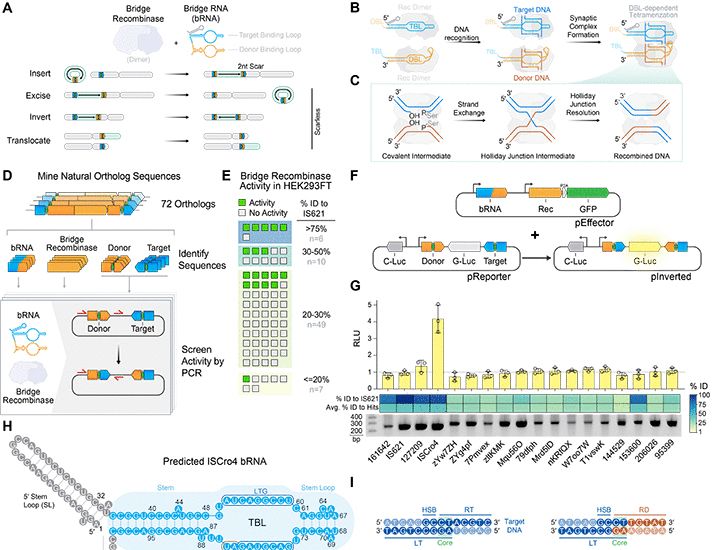
Megabase-scale human genome rearrangement with programmable bridge recombinases
Bridge recombinases are naturally occurring RNA-guided DNA recombinases that we previously demonstrated can programmably insert, excise, and invert DNA in vitro and in Escherichia coli. In this study,...
www.science.org
September 30, 2025 at 8:05 PM
No loxP. No fixed sites. Bridge recombinases work like CRISPR—powered only by bRNA.
www.science.org/doi/10.1126/...
www.science.org/doi/10.1126/...
Reposted by Tamer Ali

Joint profiling of chromatin accessibility and CRISPR edits via double-stranded DNA deaminases
www.nature.com/articles/s4...
www.nature.com/articles/s4...

Joint profiling of chromatin accessibility and CRISPR edits via double-stranded DNA deaminases
Nature Methods - Targeted deaminase-accessible chromatin sequencing (TDAC-seq) measures chromatin accessibility across long chromatin fibers at targeted loci using double-stranded DNA cytidine...
www.nature.com
September 14, 2025 at 1:15 PM
Joint profiling of chromatin accessibility and CRISPR edits via double-stranded DNA deaminases
www.nature.com/articles/s4...
www.nature.com/articles/s4...
Reposted by Tamer Ali
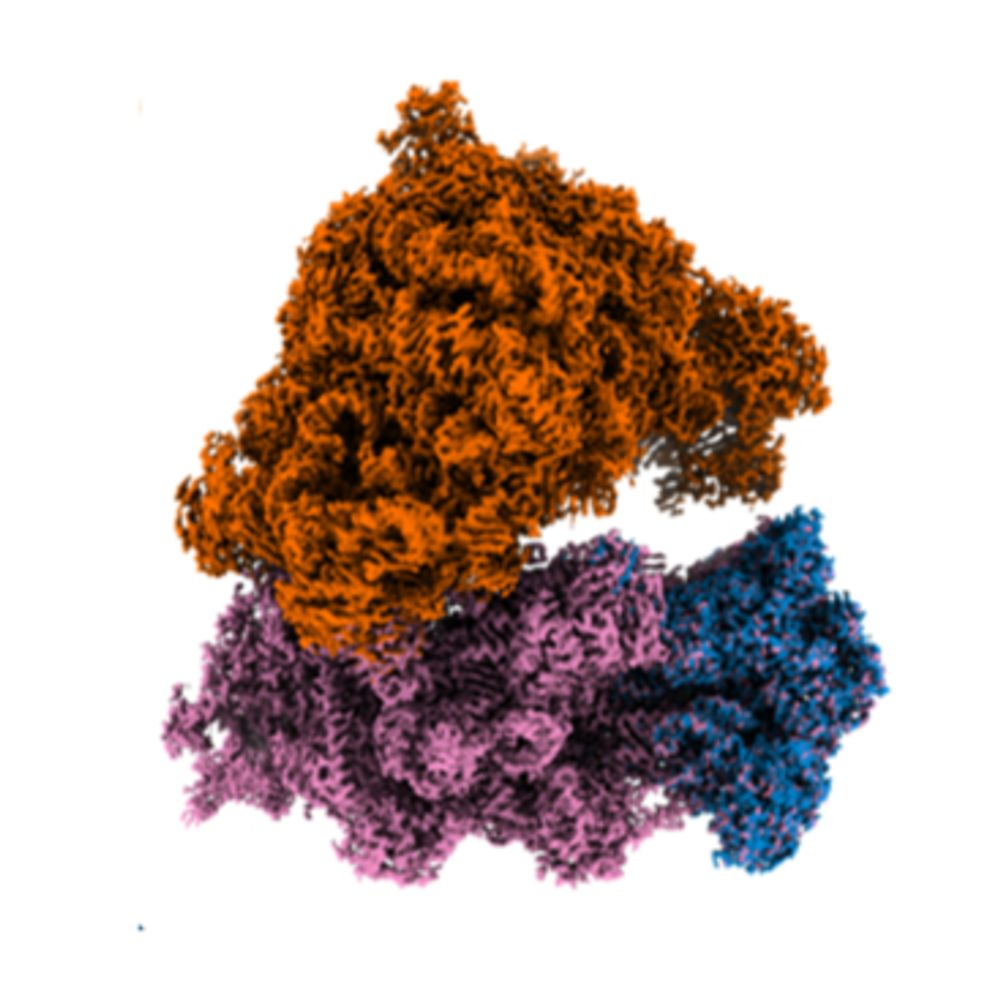
We are looking for a new postdoctoral fellow interested in the further development of our RAPPL technology and studies of translational complexes. Preference will be given to candidates with either structural biology or ribosome profiling backgrounds.
www.nature.com/articles/s41...
www.nature.com/articles/s41...

A rapid, simple, and economical method for the isolation of ribosomes and translational machinery for structural and functional studies - Nature Communications
Here, the authors present a method to rapidly isolate actively translating ribosomes in a time- and cost-effective manner using poly-lysine. The method is compatible with a wide variety of cell and ti...
www.nature.com
September 14, 2025 at 9:46 AM
We are looking for a new postdoctoral fellow interested in the further development of our RAPPL technology and studies of translational complexes. Preference will be given to candidates with either structural biology or ribosome profiling backgrounds.
www.nature.com/articles/s41...
www.nature.com/articles/s41...
Reposted by Tamer Ali
New at BMC Methods: ShortStop: a machine learning framework for microprotein discovery
bmcmethods.biomedcentral.com/articles/10....
bmcmethods.biomedcentral.com/articles/10....

ShortStop: a machine learning framework for microprotein discovery - BMC Methods
The human genome contains over 3 million small open reading frames (smORFs, ≤ 150 codons). Ribosome profiling and proteogenomics transformed our understanding of these sequences by showing that t...
bmcmethods.biomedcentral.com
August 6, 2025 at 10:11 AM
New at BMC Methods: ShortStop: a machine learning framework for microprotein discovery
bmcmethods.biomedcentral.com/articles/10....
bmcmethods.biomedcentral.com/articles/10....
Reposted by Tamer Ali
Online Now: Extrachromosomal DNA biogenesis is dependent on DNA looping and religation by YY1-Lig3-PARylation complex Online now:

Extrachromosomal DNA biogenesis is dependent on DNA looping and religation by YY1-Lig3-PARylation complex
Qin et al. show that Lig3 PARylation promotes ecDNA formation, requiring YY1-mediated DNA looping. The Lig3-YY1 complex establishes a PARylation-dependent acidic microenvironment, inducing unstable Z-DNA transition states, which are religated by Lig3, ultimately mediating the biogenesis of ecDNA.
dlvr.it
August 5, 2025 at 3:19 PM
Online Now: Extrachromosomal DNA biogenesis is dependent on DNA looping and religation by YY1-Lig3-PARylation complex Online now:
Reposted by Tamer Ali

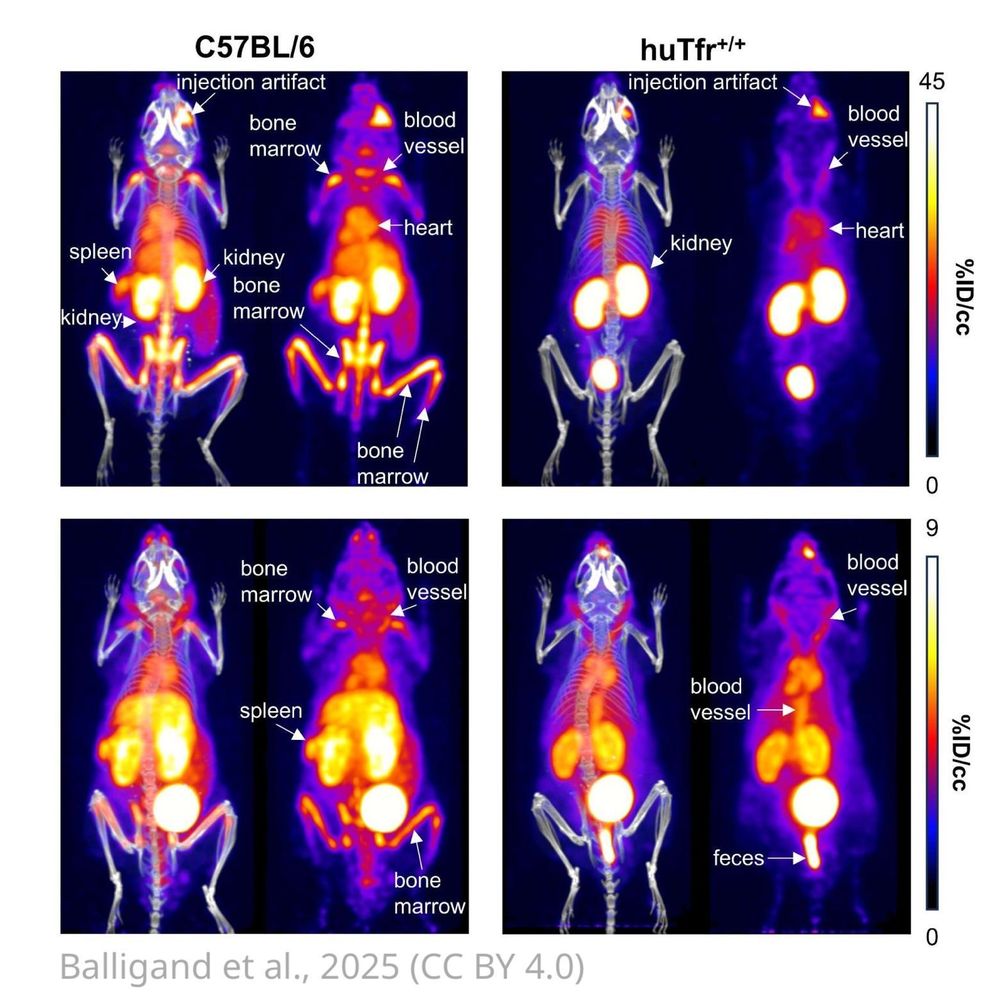
This highly innovative in-vivo cell-tracking tool uses nanobody-based PET imaging to track unmodified transplanted cells in immunocompetent mice and avoids bulky antibodies or genetic engineering.
buff.ly/W2layjv
buff.ly/W2layjv
August 3, 2025 at 8:21 AM
This highly innovative in-vivo cell-tracking tool uses nanobody-based PET imaging to track unmodified transplanted cells in immunocompetent mice and avoids bulky antibodies or genetic engineering.
buff.ly/W2layjv
buff.ly/W2layjv
Reposted by Tamer Ali

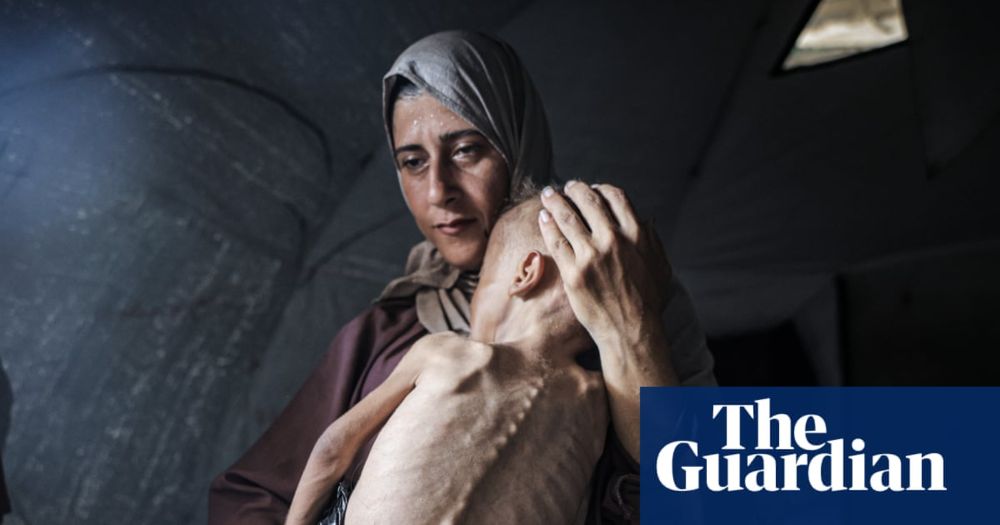
This is why Israel refuses to allow the international press access to Gaza.
Because images like this make it impossible to deny that this is genocide.
Because images like this make it impossible to deny that this is genocide.

An aerial view of what the Gaza City area looked like this week. Taken from a Jordanian military aircraft, by our colleague Heidi Levine.

August 3, 2025 at 10:57 AM
This is why Israel refuses to allow the international press access to Gaza.
Because images like this make it impossible to deny that this is genocide.
Because images like this make it impossible to deny that this is genocide.
Reposted by Tamer Ali
Nature Method: Temporal and spatial omics technologies for 4D profiling
www.nature.com/articles/s4...
www.nature.com/articles/s4...
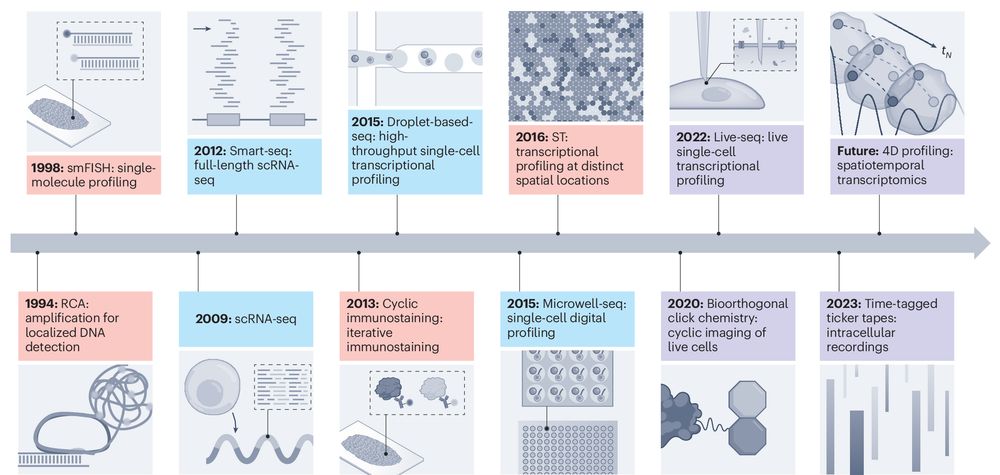
Temporal and spatial omics technologies for 4D profiling
Nature Methods - This Perspective explores advances and future directions in spatiotemporal omics methods for four-dimensional profiling.
www.nature.com
August 3, 2025 at 2:15 PM
Nature Method: Temporal and spatial omics technologies for 4D profiling
www.nature.com/articles/s4...
www.nature.com/articles/s4...
Reposted by Tamer Ali
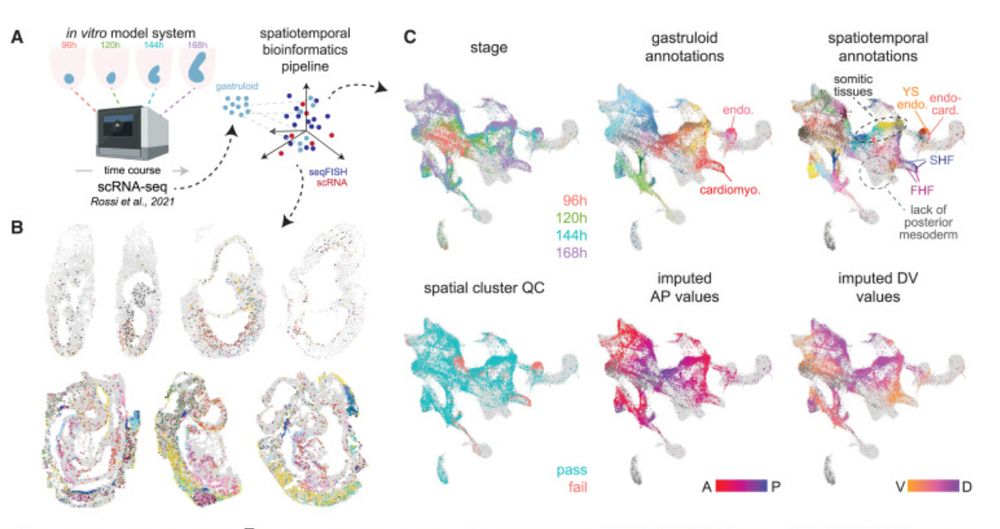
Further evidence that the #gastruloid system models the natural embryo from this spatiotemporal map of mouse #gastrulation
www.cell.com/cell-reports...
important as it provides a context for the, some times surprising, findings that the model is providing.
www.cell.com/cell-reports...
important as it provides a context for the, some times surprising, findings that the model is providing.
August 3, 2025 at 10:04 PM
Further evidence that the #gastruloid system models the natural embryo from this spatiotemporal map of mouse #gastrulation
www.cell.com/cell-reports...
important as it provides a context for the, some times surprising, findings that the model is providing.
www.cell.com/cell-reports...
important as it provides a context for the, some times surprising, findings that the model is providing.
Reposted by Tamer Ali

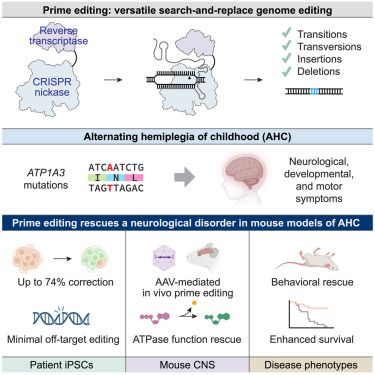
Now online! In vivo prime editing rescues alternating hemiplegia of childhood in mice
In vivo prime editing rescues alternating hemiplegia of childhood in mice
Prime editing and base editing in mouse models and human cells effectively correct mutations in a gene that causes a childhood neurodevelopmental disorder called alternating hemiplegia of childhood. In vivo prime editing in the brain results in significant improvements in neurological symptoms and lifespan, highlighting a potential one-time gene therapy approach for the disorder.
dlvr.it
July 22, 2025 at 12:42 PM
Now online! In vivo prime editing rescues alternating hemiplegia of childhood in mice
Reposted by Tamer Ali
One-shot prime genome editing ("CRISPR 3.0") of the brain in vivo corrected AHC, a rare genetic disorder, in the mouse model. Another big step forward in the genome editing field.
www.cell.com/cell/fulltex...
www.cell.com/cell/fulltex...
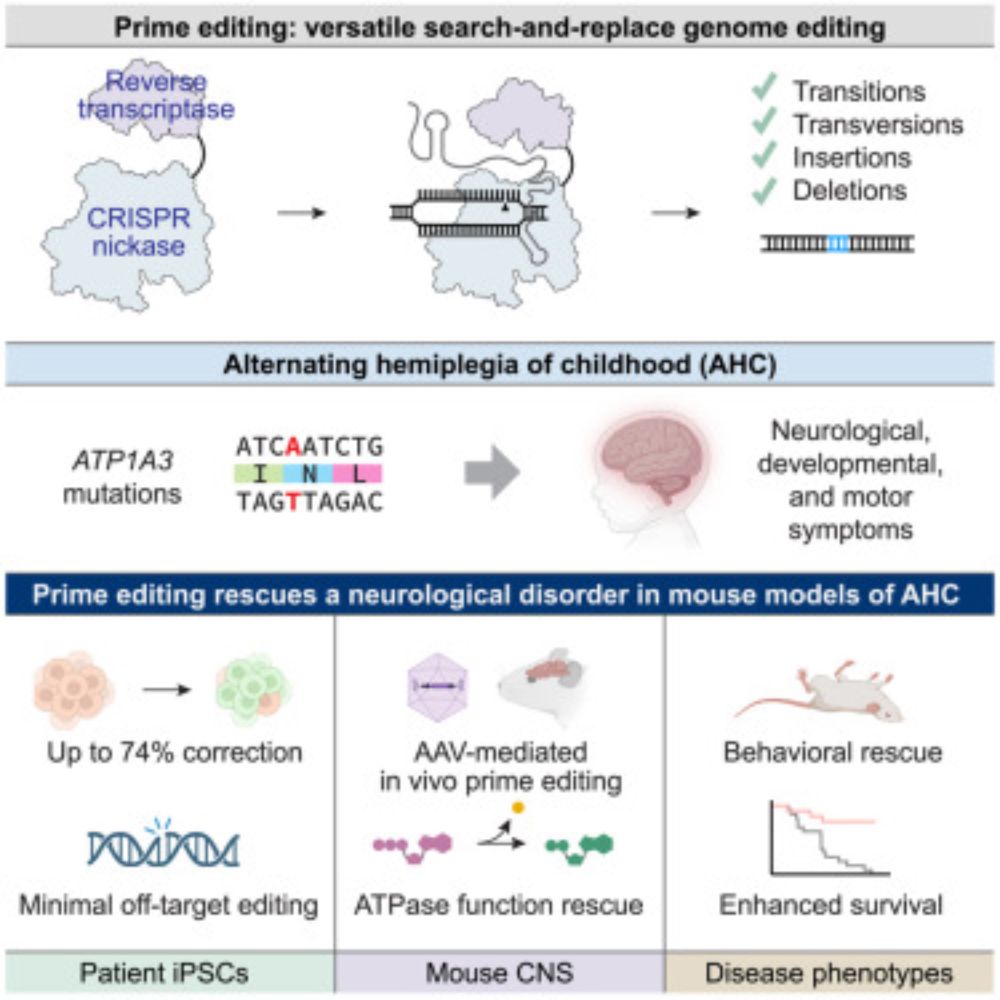
In vivo prime editing rescues alternating hemiplegia of childhood in mice
Prime editing and base editing in mouse models and human cells effectively correct
mutations in a gene that causes a childhood neurodevelopmental disorder called alternating
hemiplegia of childhood. I...
www.cell.com
July 21, 2025 at 2:50 PM
One-shot prime genome editing ("CRISPR 3.0") of the brain in vivo corrected AHC, a rare genetic disorder, in the mouse model. Another big step forward in the genome editing field.
www.cell.com/cell/fulltex...
www.cell.com/cell/fulltex...
Reposted by Tamer Ali

We have created a new DNase I- & ATAC-seq peak caller that uses an adaptive background model that controls for copy number variation & aneuploidy. It performs a per-nucleotide test (+FDR correction) and is very fast. Please try it out and give us feedback!
github.com/vierstralab/...
github.com/vierstralab/...

GitHub - vierstralab/hotspot3: A chromatin accessibility peak caller with an adaptive background model
A chromatin accessibility peak caller with an adaptive background model - vierstralab/hotspot3
github.com
July 8, 2025 at 3:07 AM
We have created a new DNase I- & ATAC-seq peak caller that uses an adaptive background model that controls for copy number variation & aneuploidy. It performs a per-nucleotide test (+FDR correction) and is very fast. Please try it out and give us feedback!
github.com/vierstralab/...
github.com/vierstralab/...