




Shounak Gupta
@shounakgupta.bsky.social
Reposted by Shounak Gupta

#PathSky 64M, upper chest wall skin lesion. There was some discussion of whether this strikingly “packeted”, strongly S100 protein-positive lesion might be a traumatic neuroma.


March 20, 2025 at 3:26 PM
#PathSky 64M, upper chest wall skin lesion. There was some discussion of whether this strikingly “packeted”, strongly S100 protein-positive lesion might be a traumatic neuroma.
Reposted by Shounak Gupta
#PathSky 37M with a colonic mass. PMH significant only for a thin melanoma of the arm. Long sweeping fascicles of myofibroblasts, thin-walled vessels, perivascular edema, nuclear beta-catenin. “Desmoid- next case.” So why share it here?


March 21, 2025 at 7:24 PM
#PathSky 37M with a colonic mass. PMH significant only for a thin melanoma of the arm. Long sweeping fascicles of myofibroblasts, thin-walled vessels, perivascular edema, nuclear beta-catenin. “Desmoid- next case.” So why share it here?
Reposted by Shounak Gupta
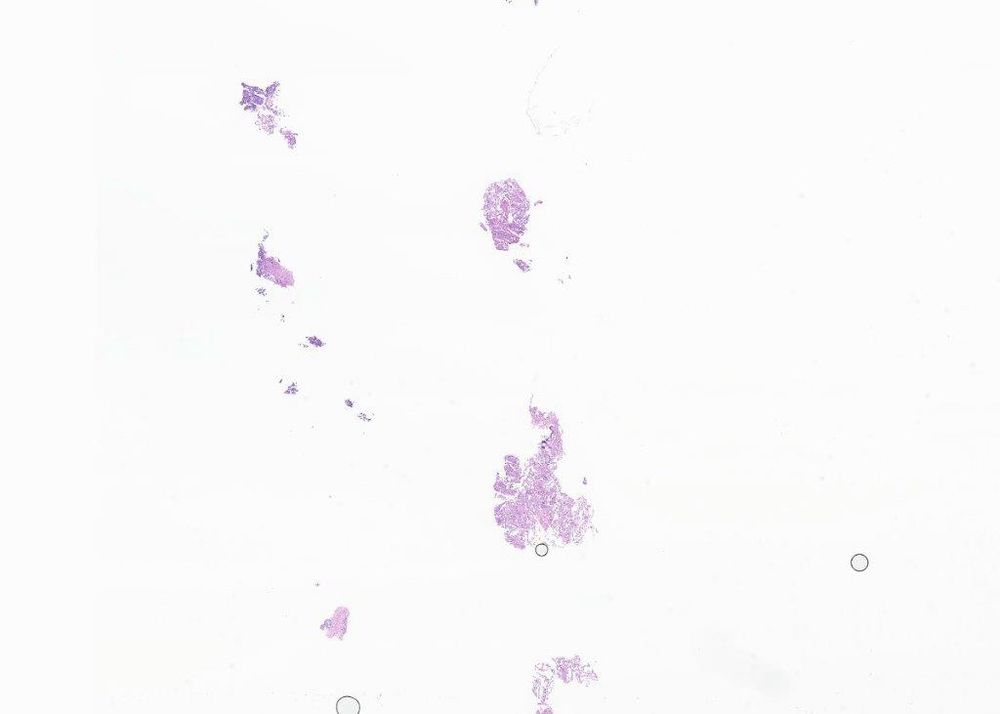
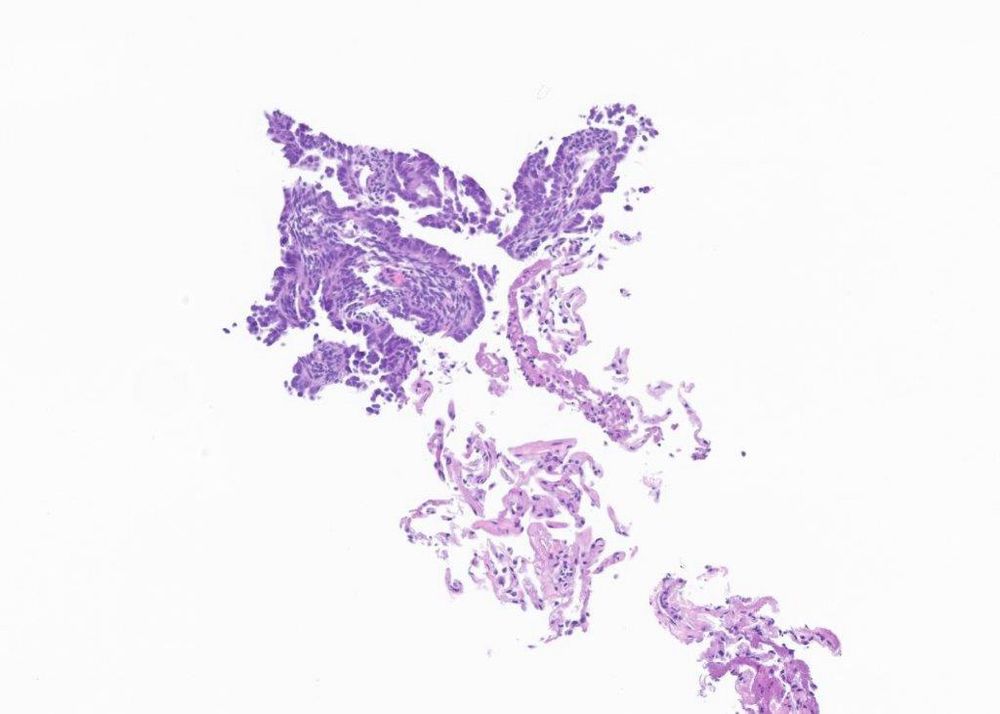
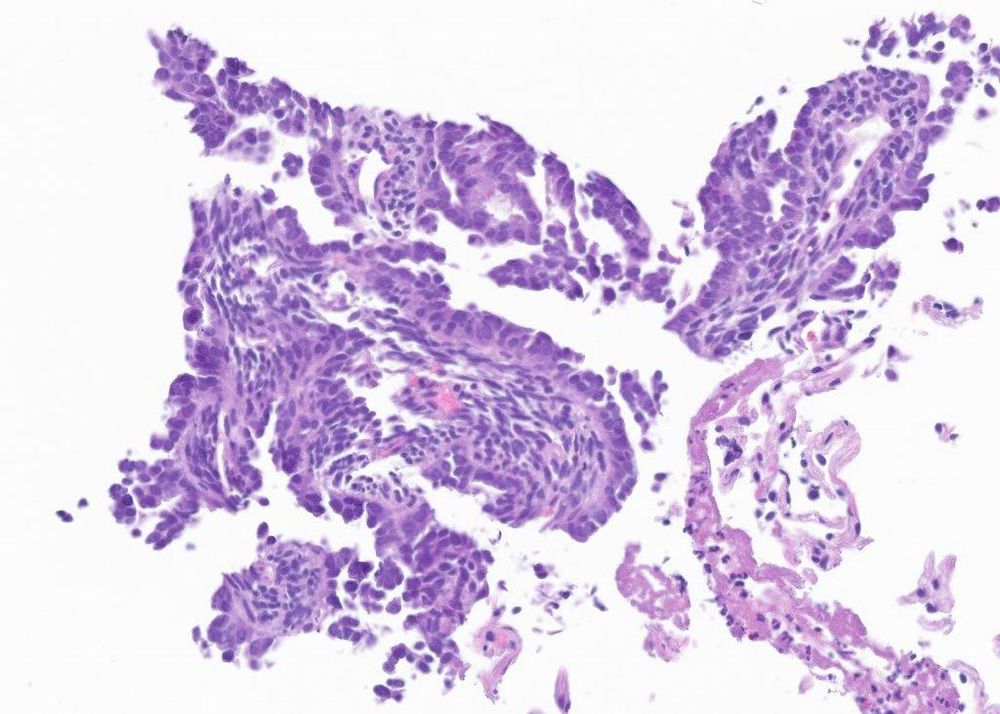
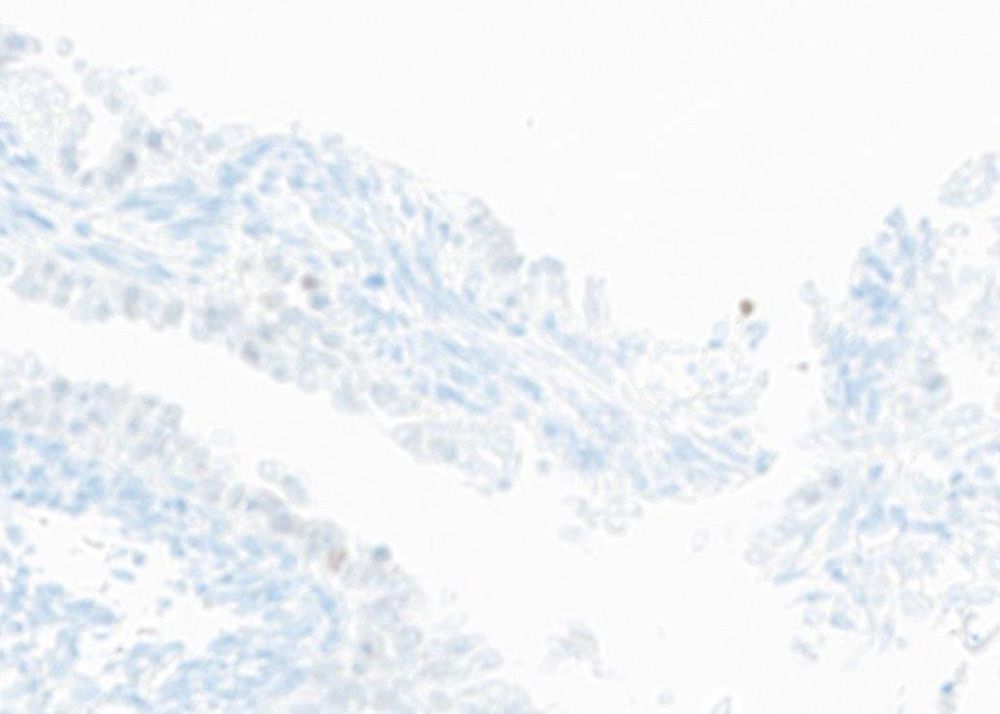
#PathSky 84M with lung nodule, signed out as “adenocarcinoma, favor pulmonary origin”. There is supposed to be a bit of TTF1 expression, but it is subtle to say the least.
March 18, 2025 at 6:40 PM
#PathSky 84M with lung nodule, signed out as “adenocarcinoma, favor pulmonary origin”. There is supposed to be a bit of TTF1 expression, but it is subtle to say the least.
Reposted by Shounak Gupta
#PathSky Older adult with a large, prolapsing esophageal mass. An excellent example of a “giant fibrovascular polyp” of the esophagus. Except that essentially 100% of these turn out to be well-differentiated ( or less often dedifferentiated) liposarcomas.
pubmed.ncbi.nlm.nih.gov/28984298/
pubmed.ncbi.nlm.nih.gov/28984298/


January 24, 2025 at 8:37 PM
#PathSky Older adult with a large, prolapsing esophageal mass. An excellent example of a “giant fibrovascular polyp” of the esophagus. Except that essentially 100% of these turn out to be well-differentiated ( or less often dedifferentiated) liposarcomas.
pubmed.ncbi.nlm.nih.gov/28984298/
pubmed.ncbi.nlm.nih.gov/28984298/
Reposted by Shounak Gupta
Forgot the BRAF photo.

January 23, 2025 at 6:00 PM
Forgot the BRAF photo.
Reposted by Shounak Gupta

Fun EM finding: crystalline proto-renin granules in a renin producing cell of the juxta glomerular apparatus. Important not to confuse this with some sort of pathologic crystal. #renalpath #nephsky #pathsky

January 7, 2025 at 5:08 PM
Fun EM finding: crystalline proto-renin granules in a renin producing cell of the juxta glomerular apparatus. Important not to confuse this with some sort of pathologic crystal. #renalpath #nephsky #pathsky
Reposted by Shounak Gupta
It is nicely positive for SMA, caldesmon and desmin (not shown). But- it is also positive for both MyoD1 and myogenin. NGS found SRF::NCOA2. Leiomyomatous spindle cell RMS. The NCOA2 fused ones usually have a good prognosis. C. Dehner, now at IU, wrote a nice paper pubmed.ncbi.nlm.nih.gov/37422156/

Fusion-driven Spindle Cell Rhabdomyosarcomas of Bone and Soft Tissue: A Clinicopathologic and Molecular Genetic Study of 25 Cases - PubMed
The evolving classification of rhabdomyosarcoma (RMS) now includes spindle cell RMS (SRMS). Bone/soft tissue SRMS often harbor TFCP2, or less often MEIS1 rearrangements. We studied 25 fusion-driven SR...
pubmed.ncbi.nlm.nih.gov
January 6, 2025 at 8:30 PM
It is nicely positive for SMA, caldesmon and desmin (not shown). But- it is also positive for both MyoD1 and myogenin. NGS found SRF::NCOA2. Leiomyomatous spindle cell RMS. The NCOA2 fused ones usually have a good prognosis. C. Dehner, now at IU, wrote a nice paper pubmed.ncbi.nlm.nih.gov/37422156/
Reposted by Shounak Gupta

Just learned about bluesky! For a first post, here is an image of ductal type prostate cancer. Diagnostic criteria can be controversial but common features are columnar cells and papillary structures. Typically considered grade 4. #GUpath

December 12, 2024 at 4:25 PM
Just learned about bluesky! For a first post, here is an image of ductal type prostate cancer. Diagnostic criteria can be controversial but common features are columnar cells and papillary structures. Typically considered grade 4. #GUpath
Reposted by Shounak Gupta
#slidearchiveseries SMARCB1 deficient renal medullary carcinoma
#gupath #pathsky #pathoutpic
🩸 young pts with sickle cell trait
🔬 cribriform, reticular, nested growth
🎨 PAX8, broad spectrum CKs, CEA, p53
⚠️ OCT3/4 ➕ (50%), pitfall with GCT
🔑 SMARCB1 / INI1 inactivation
#gupath #pathsky #pathoutpic
🩸 young pts with sickle cell trait
🔬 cribriform, reticular, nested growth
🎨 PAX8, broad spectrum CKs, CEA, p53
⚠️ OCT3/4 ➕ (50%), pitfall with GCT
🔑 SMARCB1 / INI1 inactivation


December 12, 2024 at 10:54 PM
#slidearchiveseries SMARCB1 deficient renal medullary carcinoma
#gupath #pathsky #pathoutpic
🩸 young pts with sickle cell trait
🔬 cribriform, reticular, nested growth
🎨 PAX8, broad spectrum CKs, CEA, p53
⚠️ OCT3/4 ➕ (50%), pitfall with GCT
🔑 SMARCB1 / INI1 inactivation
#gupath #pathsky #pathoutpic
🩸 young pts with sickle cell trait
🔬 cribriform, reticular, nested growth
🎨 PAX8, broad spectrum CKs, CEA, p53
⚠️ OCT3/4 ➕ (50%), pitfall with GCT
🔑 SMARCB1 / INI1 inactivation
Reposted by Shounak Gupta
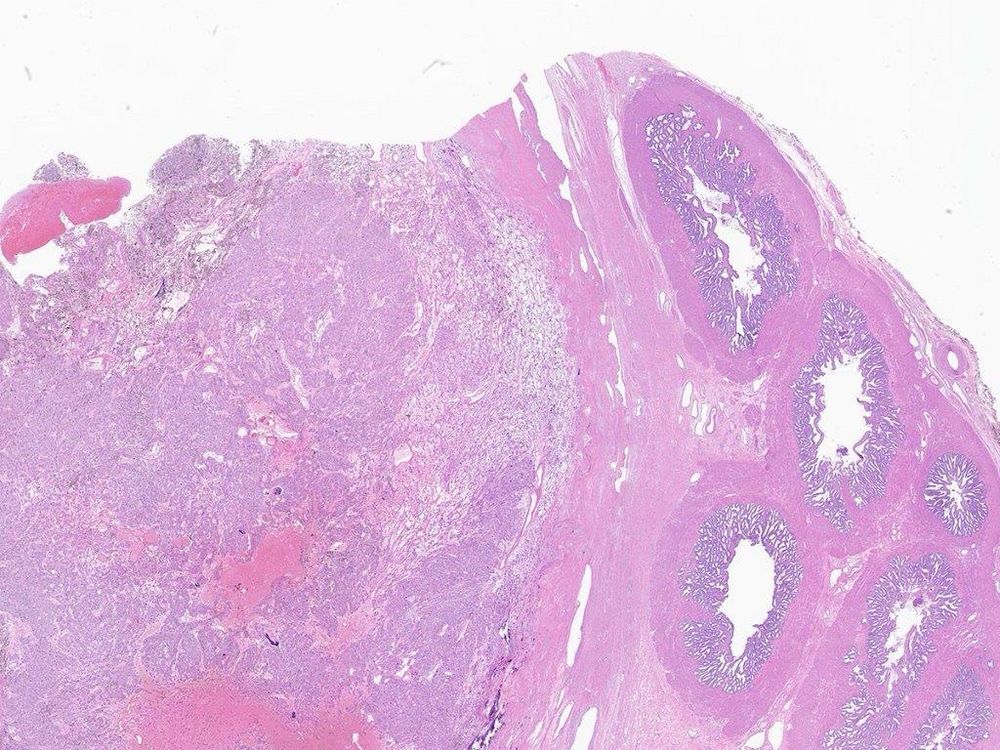
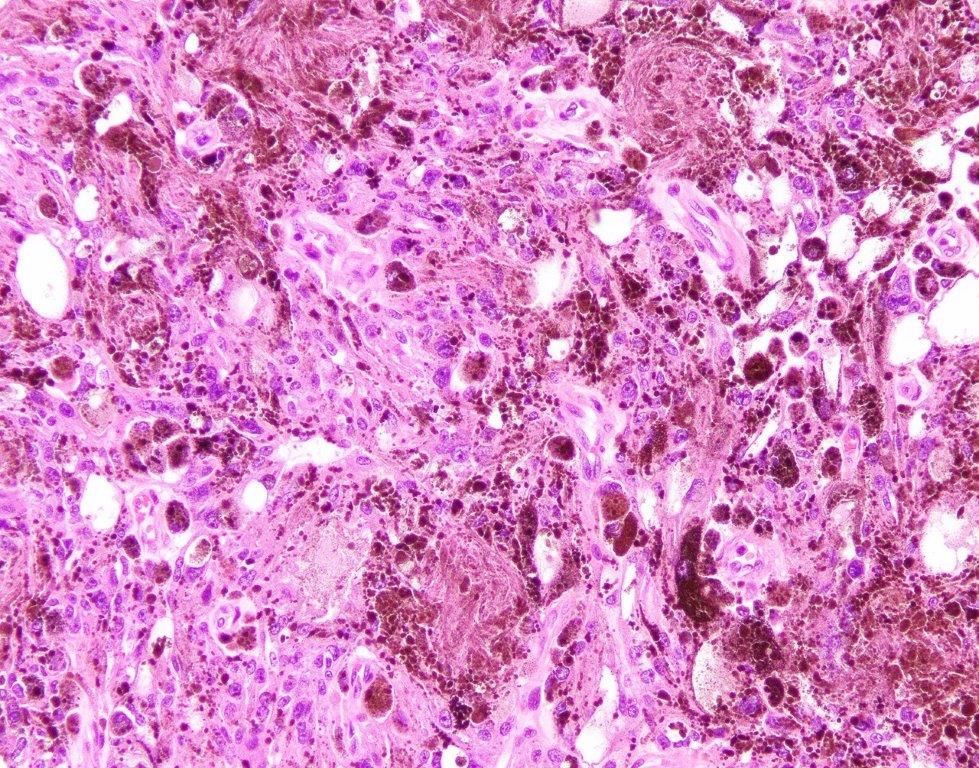
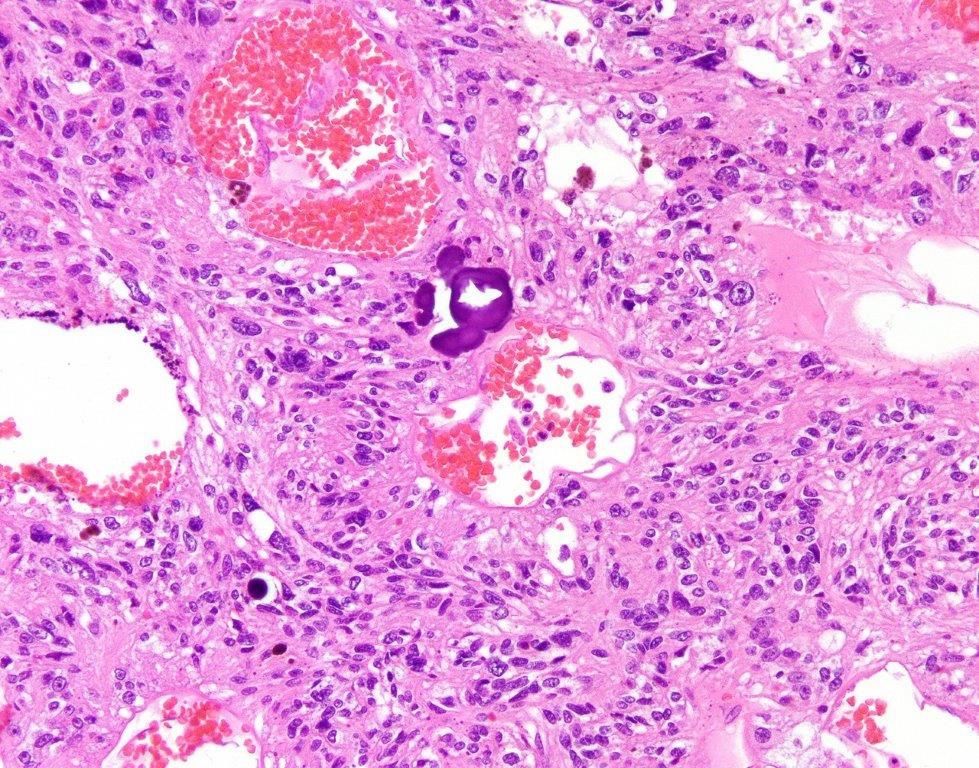
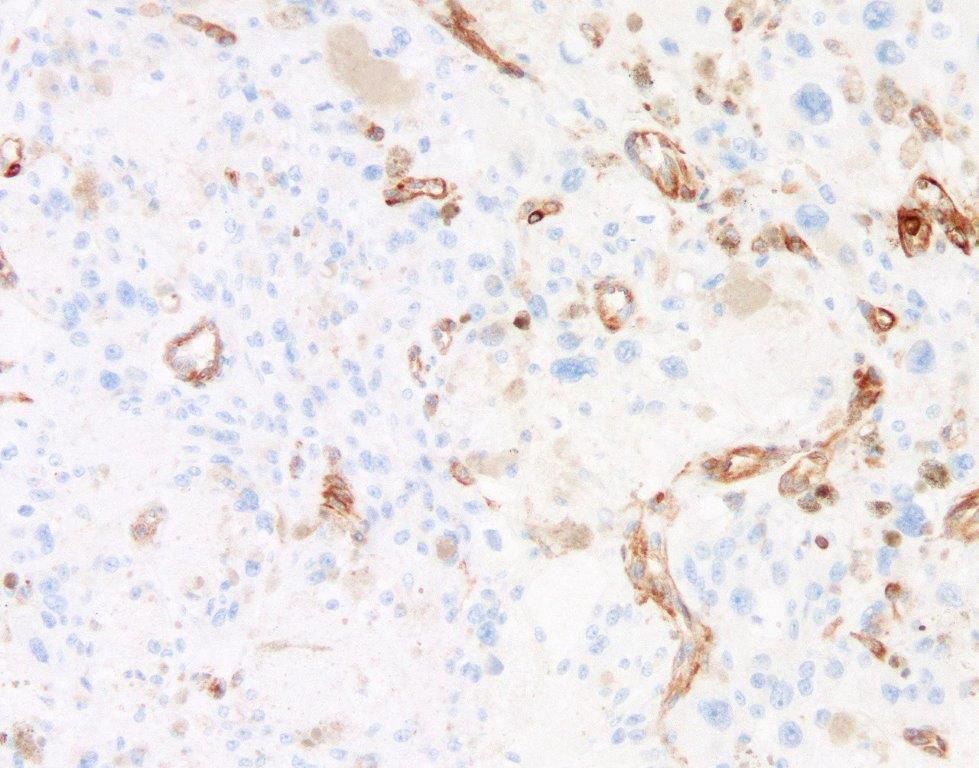
#PathSky 34M with a jet-black mass next to the seminal vesicle. Melanoma? A very occasional psammoma body was present, and expression of PRKAR1A was completely lost. Malignant melanotic nerve sheath tumor (previously “melanotic schwannoma”) in an unusual location.
December 4, 2024 at 4:57 PM
#PathSky 34M with a jet-black mass next to the seminal vesicle. Melanoma? A very occasional psammoma body was present, and expression of PRKAR1A was completely lost. Malignant melanotic nerve sheath tumor (previously “melanotic schwannoma”) in an unusual location.
Reposted by Shounak Gupta
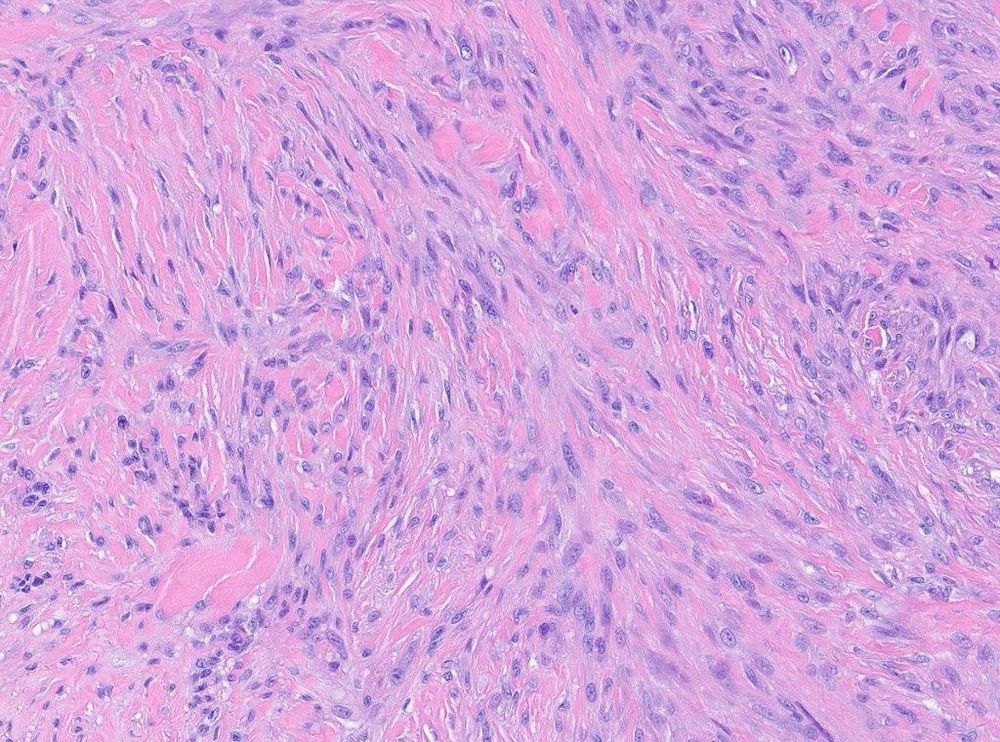
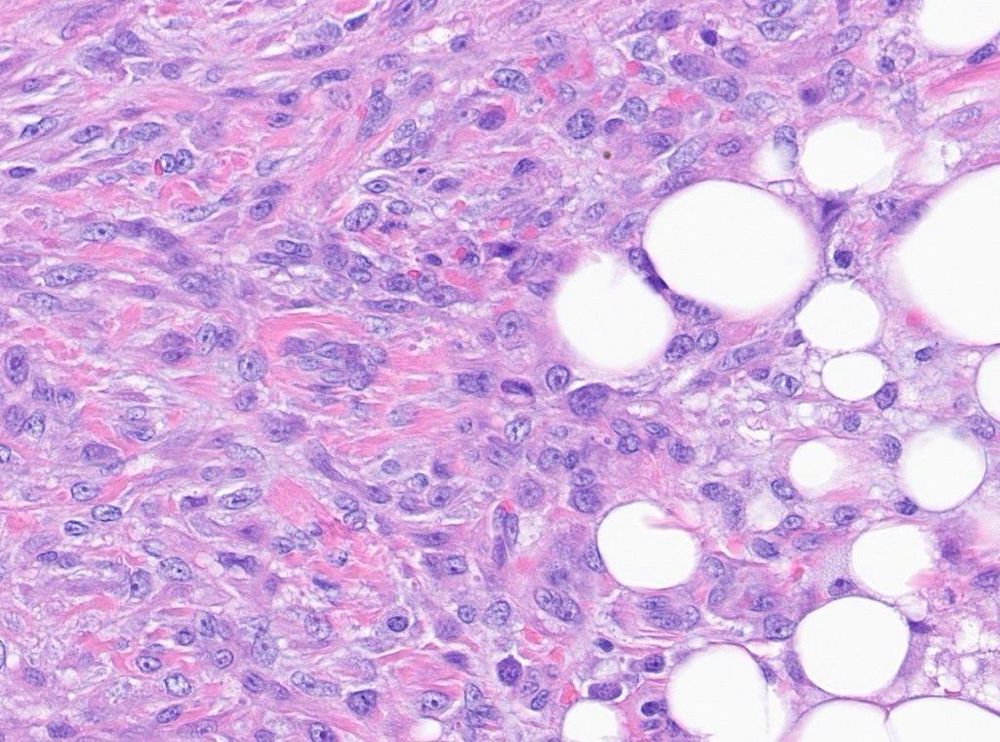
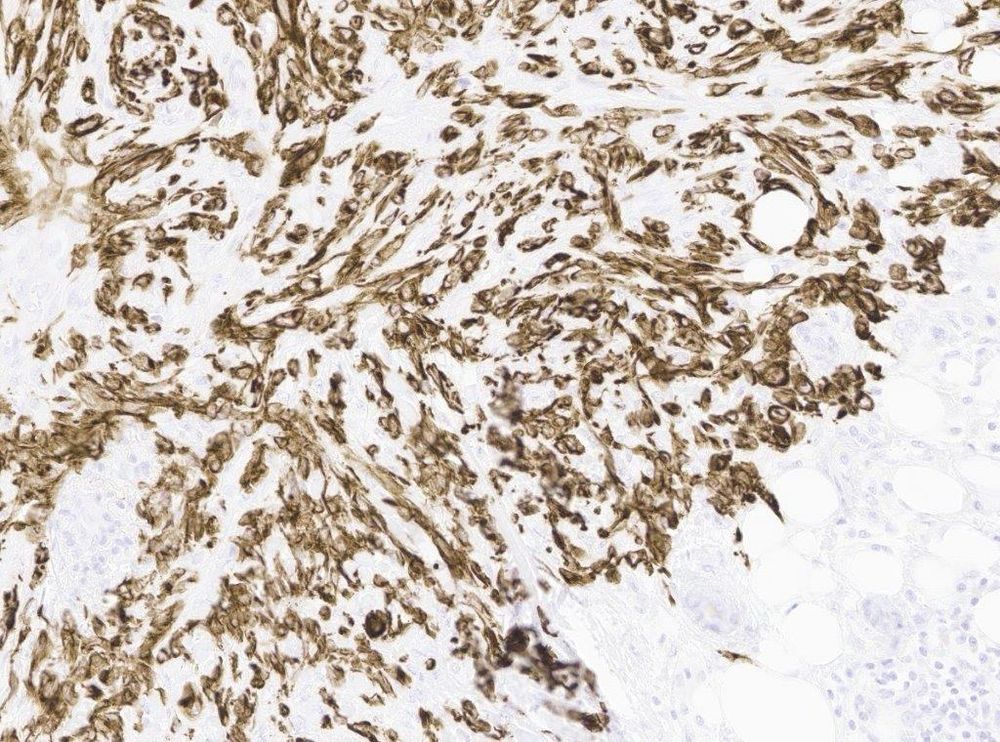
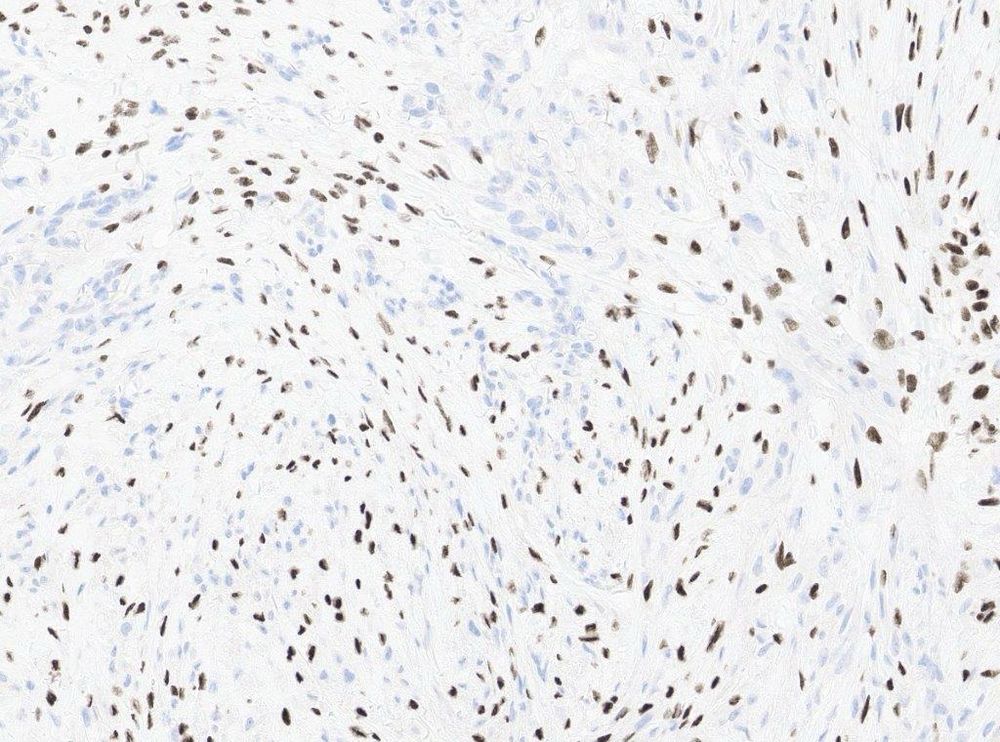
#PathSky Hand mass, 32M. Bland spindle cell tumor with collagen trapping- just an FH, right? Also some less bland epithelioid areas. This is a predominantly spindled epithelioid sarcoma- “modulation” from epithelioid to spindled cells is an under appreciated morphological hallmark. See Comment.
November 22, 2024 at 2:48 PM
#PathSky Hand mass, 32M. Bland spindle cell tumor with collagen trapping- just an FH, right? Also some less bland epithelioid areas. This is a predominantly spindled epithelioid sarcoma- “modulation” from epithelioid to spindled cells is an under appreciated morphological hallmark. See Comment.
Here is a snapshot of ongoing work to assess HRD status using a clinically validated CGP assay that was presented at AMP

November 25, 2024 at 3:47 PM
Here is a snapshot of ongoing work to assess HRD status using a clinically validated CGP assay that was presented at AMP
Reposted by Shounak Gupta
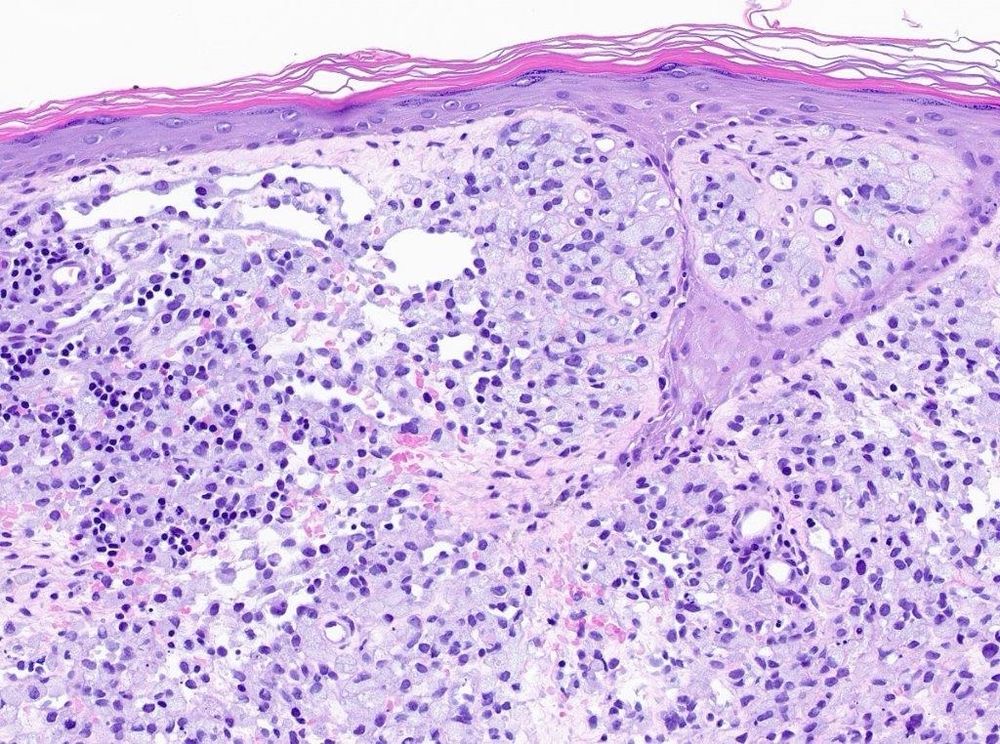
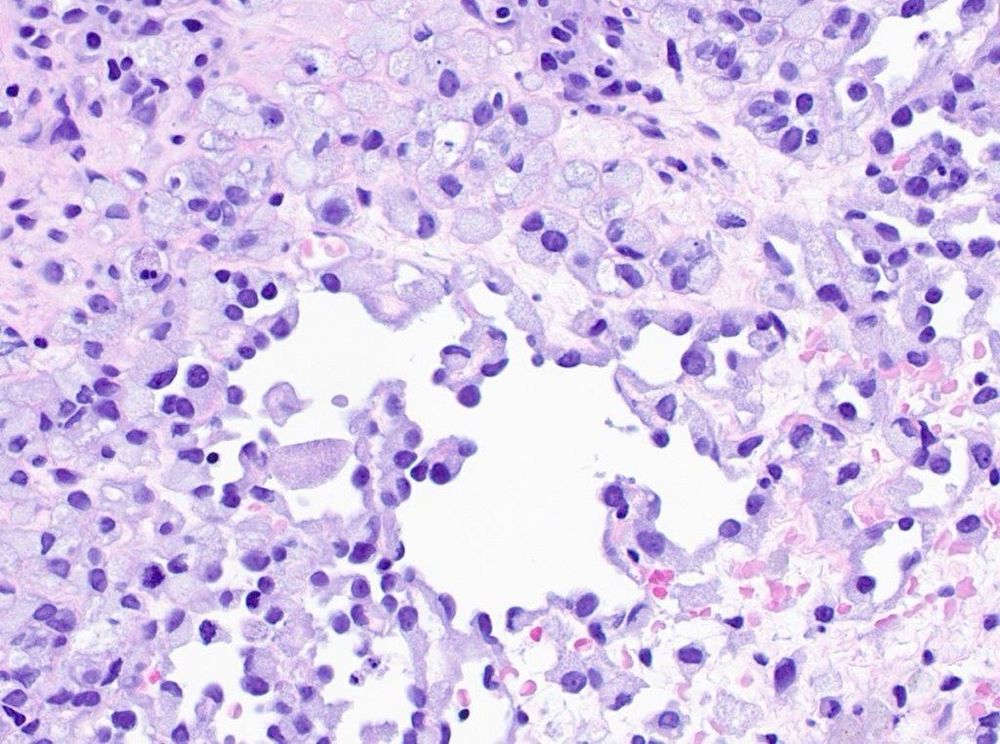
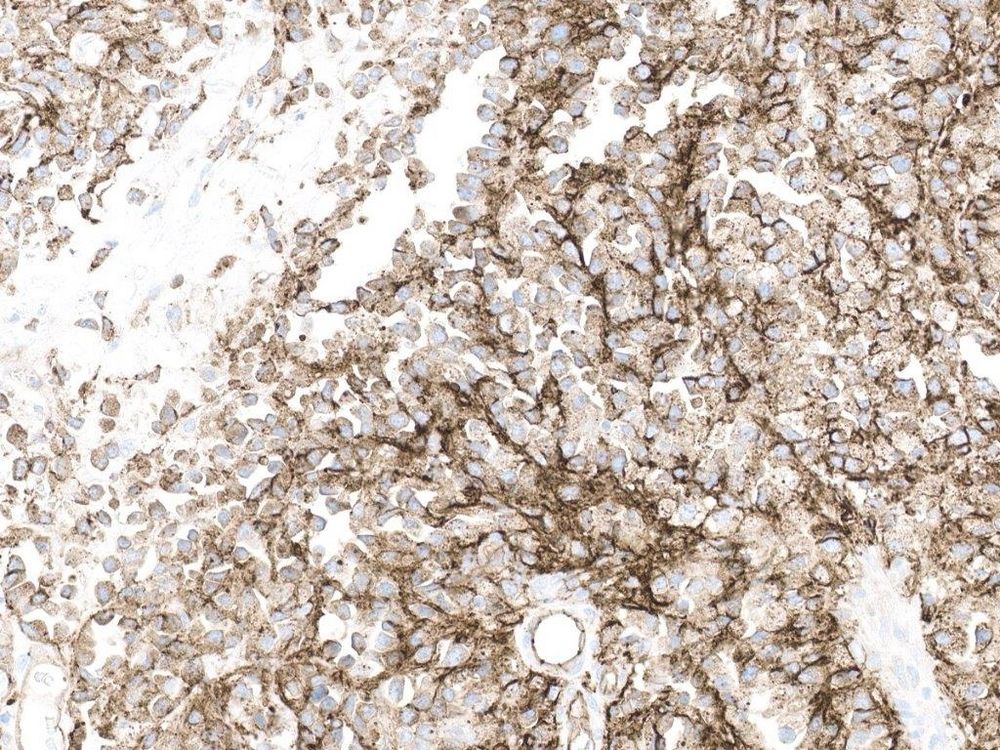
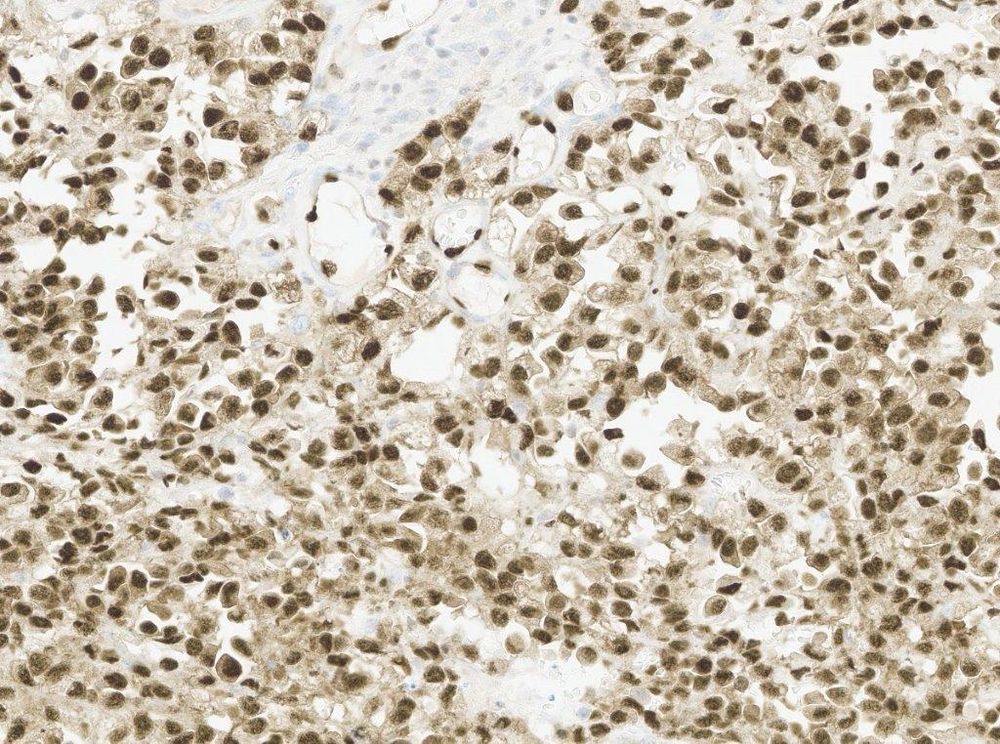
#PathSky. As long as I’m sitting here in Sunday doing a frozen….
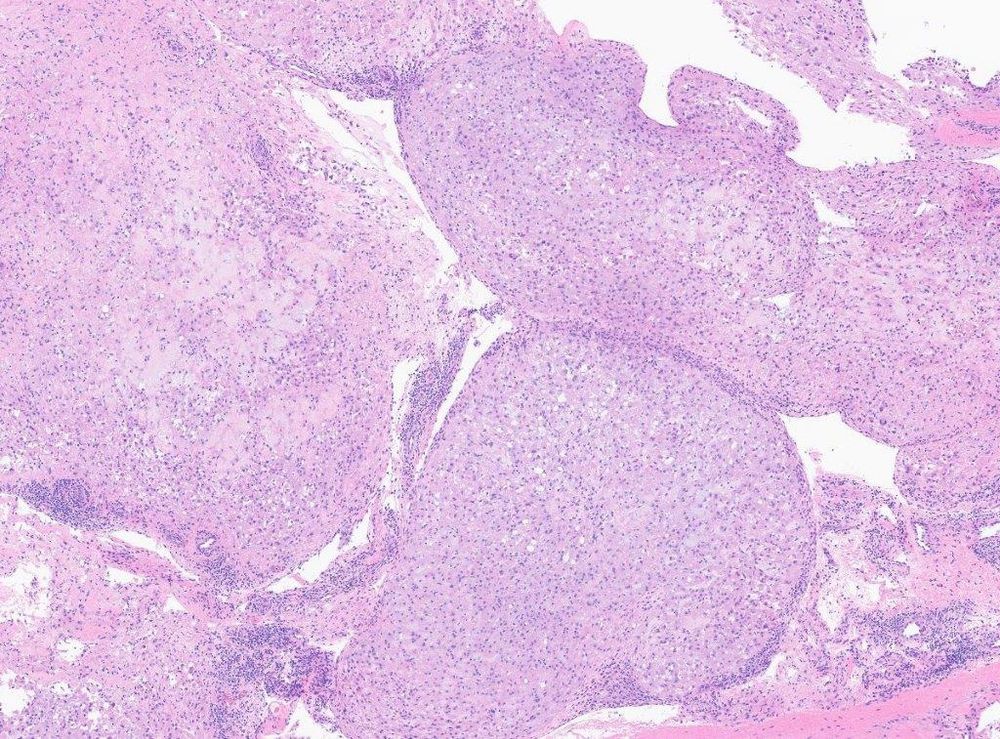
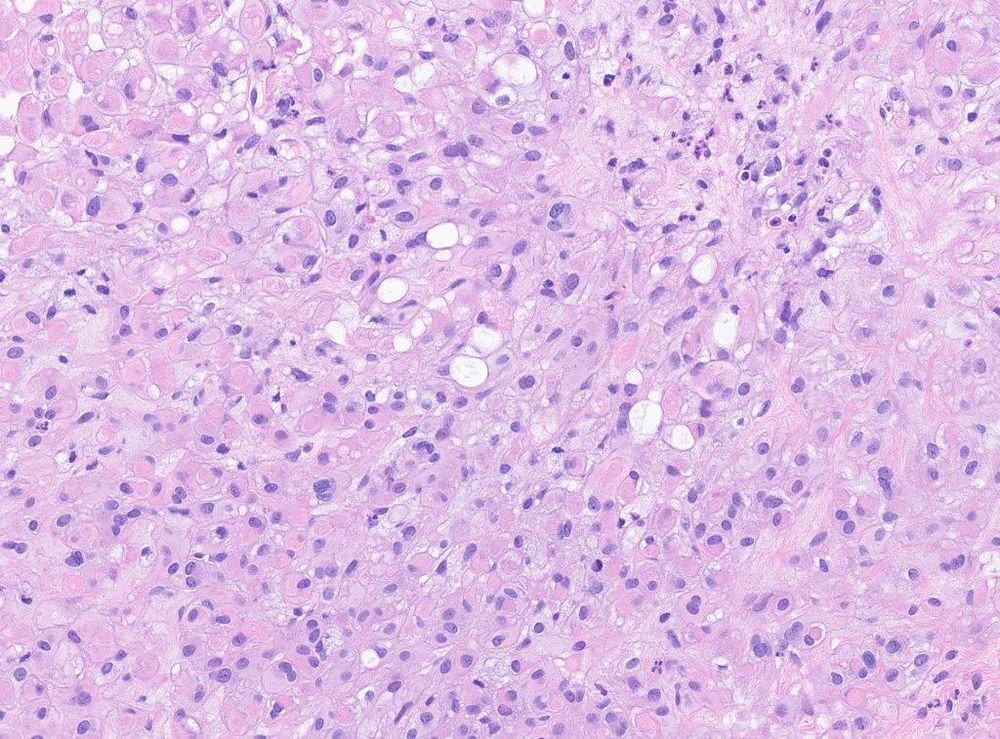
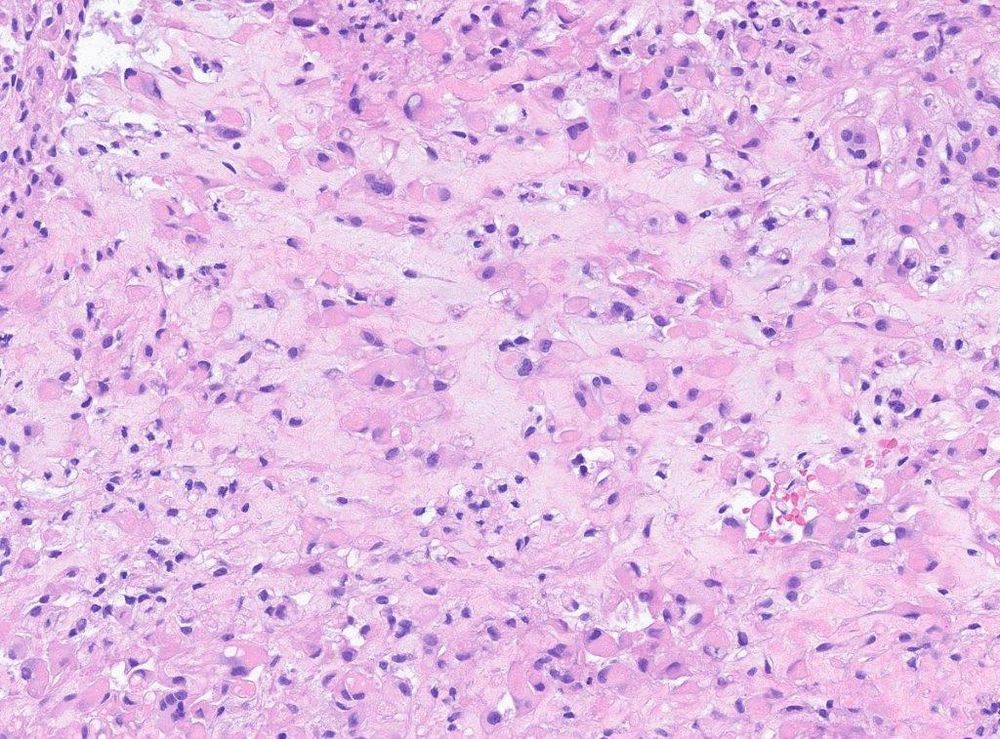
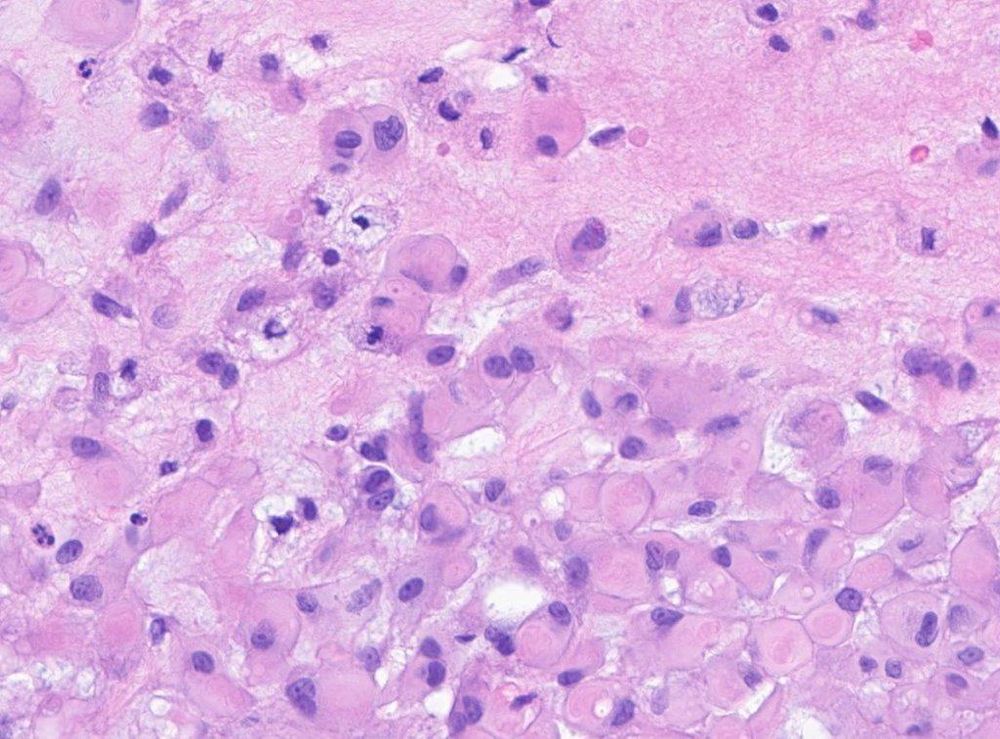
73F, arm. Foamy cell angiosarcoma- a very difficult, very rare subtype.
pubmed.ncbi.nlm.nih.gov/20175826/
73F, arm. Foamy cell angiosarcoma- a very difficult, very rare subtype.
pubmed.ncbi.nlm.nih.gov/20175826/
November 24, 2024 at 8:29 PM
#PathSky. As long as I’m sitting here in Sunday doing a frozen….
73F, arm. Foamy cell angiosarcoma- a very difficult, very rare subtype.
pubmed.ncbi.nlm.nih.gov/20175826/
73F, arm. Foamy cell angiosarcoma- a very difficult, very rare subtype.
pubmed.ncbi.nlm.nih.gov/20175826/
I am happy to present the results of ongoing work focused on optimizing MSI assessment using smaller targeted NGS panels that was recently presented at AMP

November 25, 2024 at 3:45 PM
I am happy to present the results of ongoing work focused on optimizing MSI assessment using smaller targeted NGS panels that was recently presented at AMP
Reposted by Shounak Gupta

A stunning image for #FoxOfTheDay shared by @Fox.Family._ on Instagram.

November 21, 2024 at 10:24 AM
A stunning image for #FoxOfTheDay shared by @Fox.Family._ on Instagram.
Reposted by Shounak Gupta
#PathSky
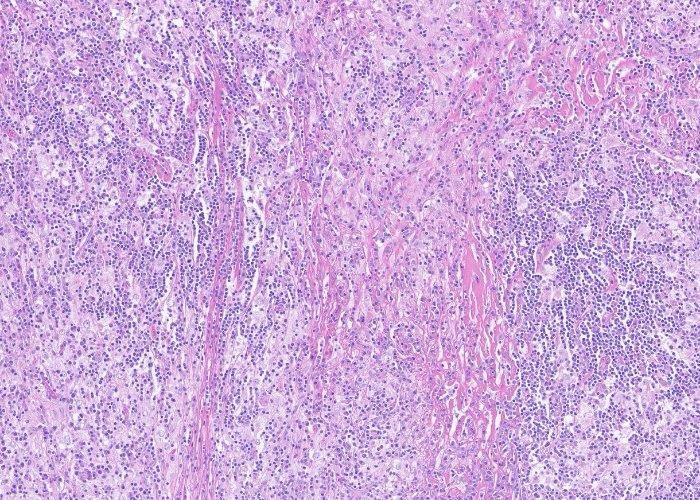
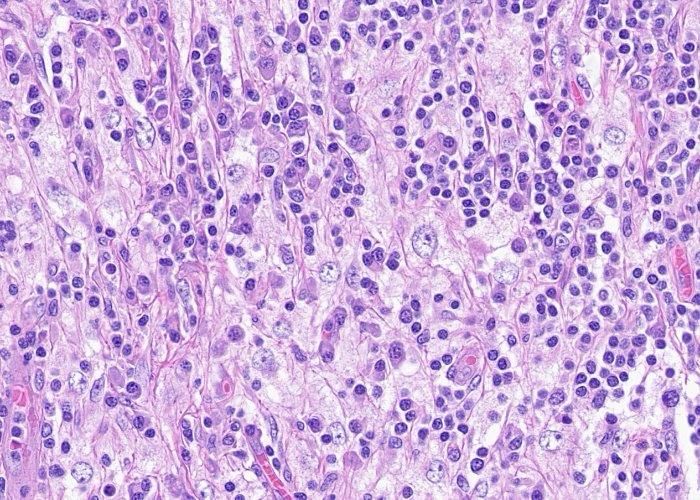
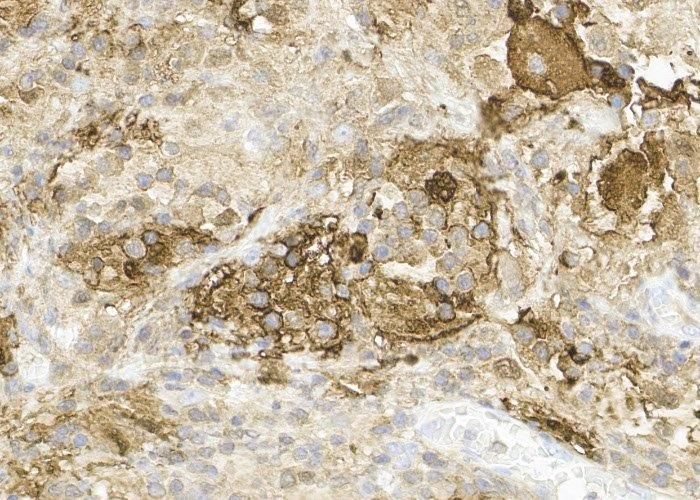
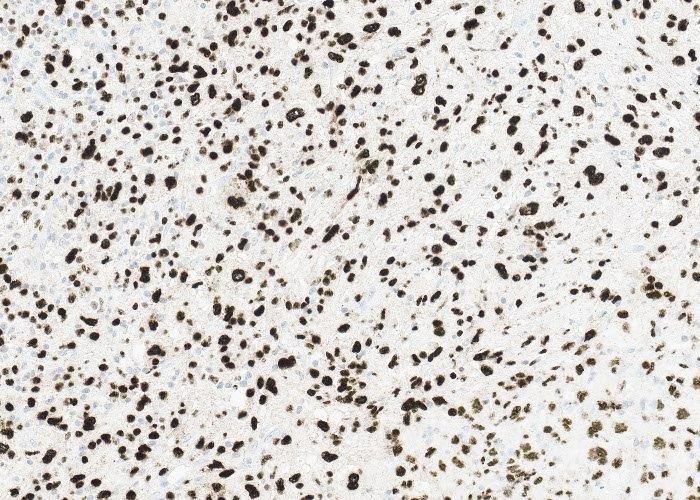
Scalp mass, 33M. Just a nice example of soft tissue Rosai-Dorfman disease. I think this low power “pale->pink->blue” look is a good low power clue. In addition to S100 protein, Karen Rech’s group here at Mayo have shown OCT2 to be valuable in this dx. pubmed.ncbi.nlm.nih.gov/33177341/
Scalp mass, 33M. Just a nice example of soft tissue Rosai-Dorfman disease. I think this low power “pale->pink->blue” look is a good low power clue. In addition to S100 protein, Karen Rech’s group here at Mayo have shown OCT2 to be valuable in this dx. pubmed.ncbi.nlm.nih.gov/33177341/
November 21, 2024 at 8:08 PM
#PathSky
Scalp mass, 33M. Just a nice example of soft tissue Rosai-Dorfman disease. I think this low power “pale->pink->blue” look is a good low power clue. In addition to S100 protein, Karen Rech’s group here at Mayo have shown OCT2 to be valuable in this dx. pubmed.ncbi.nlm.nih.gov/33177341/
Scalp mass, 33M. Just a nice example of soft tissue Rosai-Dorfman disease. I think this low power “pale->pink->blue” look is a good low power clue. In addition to S100 protein, Karen Rech’s group here at Mayo have shown OCT2 to be valuable in this dx. pubmed.ncbi.nlm.nih.gov/33177341/