


Smriti Verma
@microsmriti.bsky.social
I am a Staff Scientist at DKFZ. #BasicScientist and proud of it! Here for posts about cool science and funny lab memes. #Microsky #Cancer
Pinned

Reposted by Smriti Verma

Molecular mechanisms of host-microbiome interactions:
We teamed up w/ @cp-cellchembiol.bsky.social for a Collection of articles uncovering mechanisms by which microbes communicate w/their hosts, shedding light on various conditions & offering therapeutic avenues.Enjoy!
www.cell.com/cp/collectio...
We teamed up w/ @cp-cellchembiol.bsky.social for a Collection of articles uncovering mechanisms by which microbes communicate w/their hosts, shedding light on various conditions & offering therapeutic avenues.Enjoy!
www.cell.com/cp/collectio...

October 7, 2025 at 7:15 PM
Molecular mechanisms of host-microbiome interactions:
We teamed up w/ @cp-cellchembiol.bsky.social for a Collection of articles uncovering mechanisms by which microbes communicate w/their hosts, shedding light on various conditions & offering therapeutic avenues.Enjoy!
www.cell.com/cp/collectio...
We teamed up w/ @cp-cellchembiol.bsky.social for a Collection of articles uncovering mechanisms by which microbes communicate w/their hosts, shedding light on various conditions & offering therapeutic avenues.Enjoy!
www.cell.com/cp/collectio...
Reposted by Smriti Verma

Antimicrobial resistance is projected to cause 39 million deaths worldwide over the next 25 years
go.nature.com/42x5KHD
go.nature.com/42x5KHD

The rise of ‘nightmare bacteria’: antimicrobial resistance in six charts
Data reveal how the global challenge to reduce deaths and infections from drug-resistant bacteria is not going according to plan.
go.nature.com
October 7, 2025 at 4:26 PM
Antimicrobial resistance is projected to cause 39 million deaths worldwide over the next 25 years
go.nature.com/42x5KHD
go.nature.com/42x5KHD
I am happy and proud to share this study.
Here we delve into the mechanisms of protection provided by antibodies targeting the O-specific polysaccharide of LPS of Vibrio cholerae previously shown by our group to be a determinant of protection against cholera.
journals.asm.org/doi/10.1128/...
Here we delve into the mechanisms of protection provided by antibodies targeting the O-specific polysaccharide of LPS of Vibrio cholerae previously shown by our group to be a determinant of protection against cholera.
journals.asm.org/doi/10.1128/...

Human antibody targeting Vibrio cholerae O1 O-specific polysaccharide induces an amotile hypovirulent bacterial phenotype: mechanism of protection against cholera | mBio
Immunity to cholera is largely mediated by antibodies targeting the O-specific polysaccharide (OSP) of Vibrio cholerae, including through agglutination as well as inhibition of bacterial motility. Here, we used bacterial transcriptomic, biochemical, and cellular analyses to evaluate additional effects of OSP-specific antibodies on V. cholerae in complex media containing mucin and in a human enteroid-derived monolayer colonization model. We found that anti-OSP antibody in mucin impacts bacterial motility, growth, metabolic activity, extracellular matrix production, and levels of cyclic di-GMP. We did not observe a direct effect on bacterial viability, sodium motive force gradient, membrane integrity for large molecules, or virulence gene or regulon expression in bacterial cultures, although cholera toxin detection was significantly decreased in the enteroid model. Our results uncover the broad impact of anti-OSP antibodies in the presence of mucin on V. cholerae physiology and suggest several ways OSP-specific antibodies mediate protection against cholera in humans.
journals.asm.org
September 16, 2025 at 3:53 PM
I am happy and proud to share this study.
Here we delve into the mechanisms of protection provided by antibodies targeting the O-specific polysaccharide of LPS of Vibrio cholerae previously shown by our group to be a determinant of protection against cholera.
journals.asm.org/doi/10.1128/...
Here we delve into the mechanisms of protection provided by antibodies targeting the O-specific polysaccharide of LPS of Vibrio cholerae previously shown by our group to be a determinant of protection against cholera.
journals.asm.org/doi/10.1128/...
Reposted by Smriti Verma

Why would anyone want to be a scientist?
"Doing good science requires the utmost exertion of body, mind and spirit, yet is consistently filled with failure and rejection."
journals.biologists.com/jcs/article/...
"Doing good science requires the utmost exertion of body, mind and spirit, yet is consistently filled with failure and rejection."
journals.biologists.com/jcs/article/...

September 7, 2025 at 12:06 PM
Why would anyone want to be a scientist?
"Doing good science requires the utmost exertion of body, mind and spirit, yet is consistently filled with failure and rejection."
journals.biologists.com/jcs/article/...
"Doing good science requires the utmost exertion of body, mind and spirit, yet is consistently filled with failure and rejection."
journals.biologists.com/jcs/article/...
Reposted by Smriti Verma

A good way to think about institutional research culture!

September 1, 2025 at 7:57 AM
A good way to think about institutional research culture!
Reposted by Smriti Verma
Vibrio cholerae motility is associated with inter-animal transmission www.nature.com/articles/s41... 🦠

Vibrio cholerae motility is associated with inter-animal transmission - Nature Communications
Determinants of Vibrio cholerae transmission are incompletely understood. Here, the authors use an infant mouse model to show that events in the intestine govern inter-animal transmission and that bac...
www.nature.com
August 30, 2025 at 6:00 PM
Vibrio cholerae motility is associated with inter-animal transmission www.nature.com/articles/s41... 🦠
www.linkedin.com
August 6, 2025 at 8:12 PM
Reposted by Smriti Verma
The brains of people writing an essay with ChatGPT are less engaged than those of people blocked from using any online tools for the task
https://go.nature.com/44yqUXb
https://go.nature.com/44yqUXb
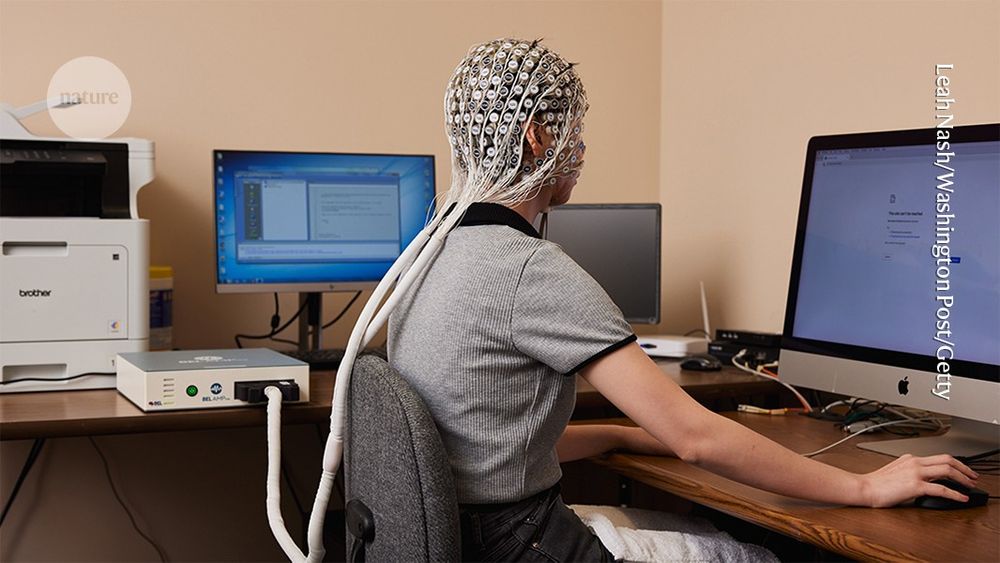
Does using ChatGPT change your brain activity? Study sparks debate
Scientists warn against reading too much into the small experiment getting lots of buzz.
go.nature.com
June 26, 2025 at 10:48 AM
The brains of people writing an essay with ChatGPT are less engaged than those of people blocked from using any online tools for the task
https://go.nature.com/44yqUXb
https://go.nature.com/44yqUXb
Reposted by Smriti Verma
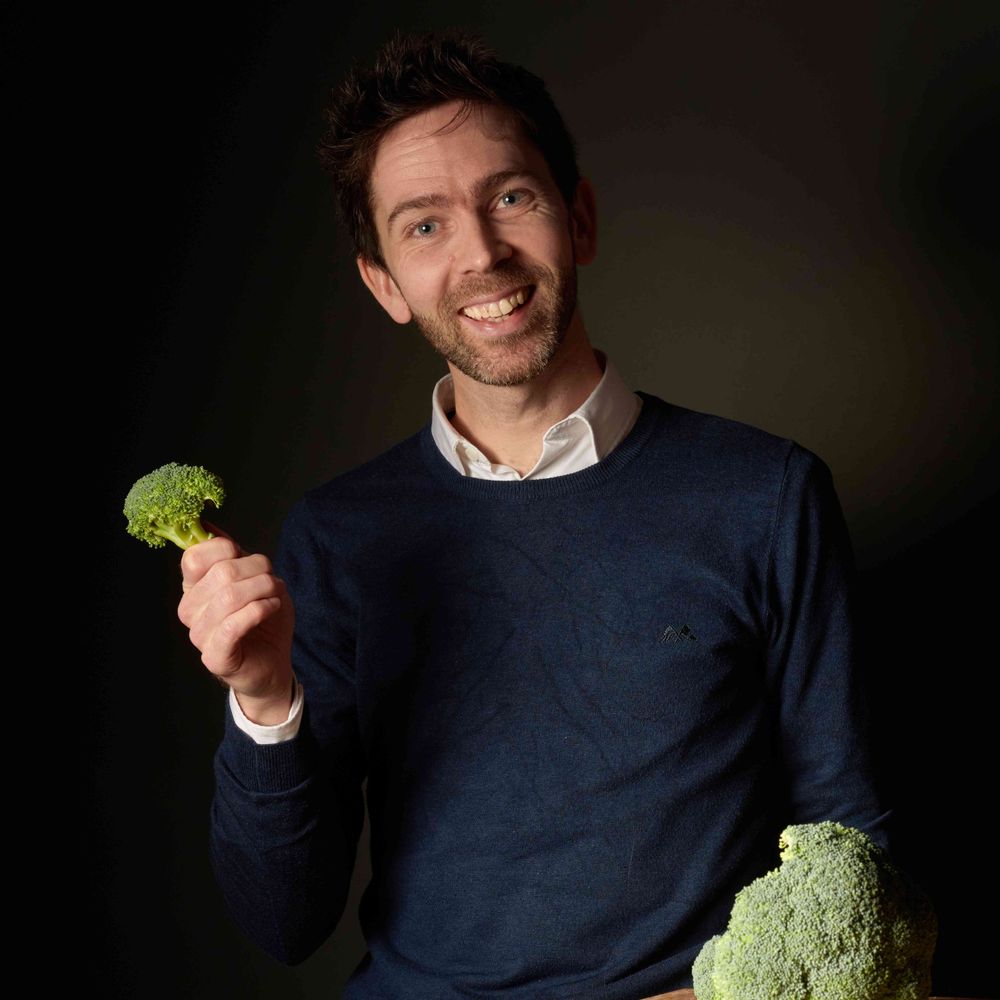
Today we publish an (in my opinion) important paper in
@naturemicrobiol.bsky.social 🍾 showing that gut physiology and environment are factors explaining substantial variations in human gut #microbiome composition and #metabolism🦠
Fantastic work Procházková et al. 👏
www.nature.com/articles/s41...
@naturemicrobiol.bsky.social 🍾 showing that gut physiology and environment are factors explaining substantial variations in human gut #microbiome composition and #metabolism🦠
Fantastic work Procházková et al. 👏
www.nature.com/articles/s41...
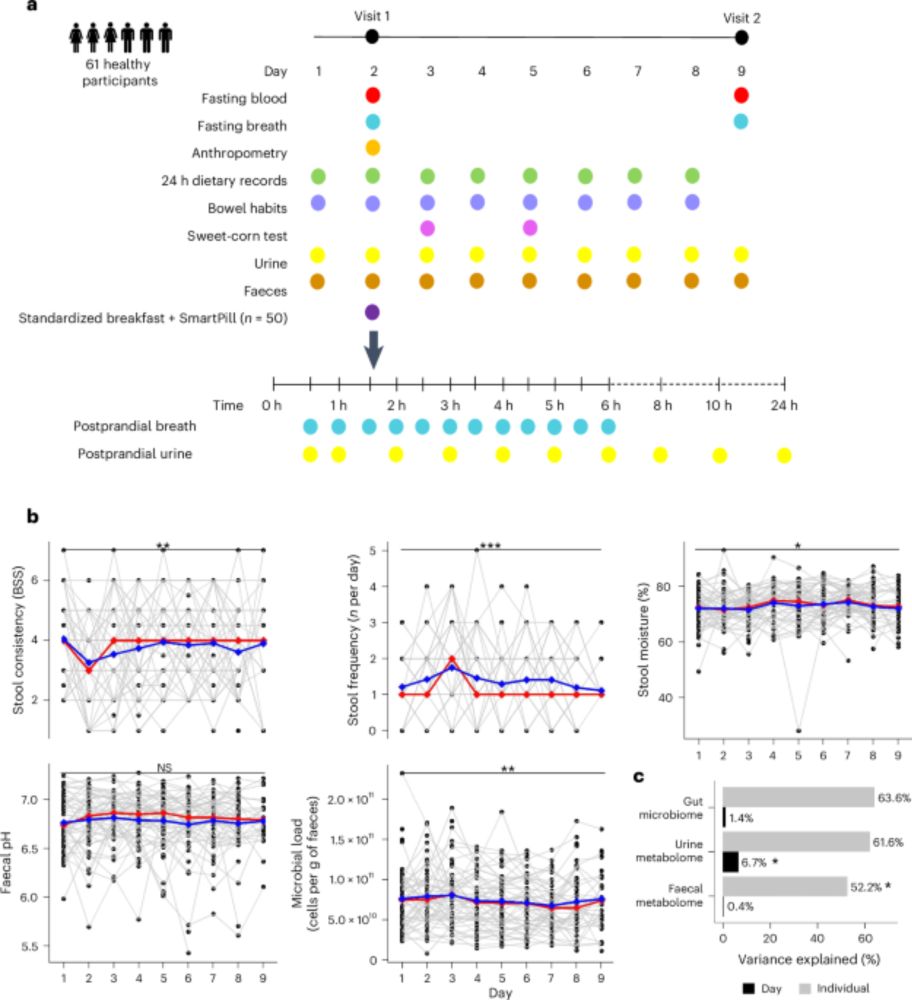
Gut physiology and environment explain variations in human gut microbiome composition and metabolism - Nature Microbiology
An observational longitudinal clinical trial, incorporating a SmartPill and metabolomics, reveals the role of host factors in shaping the gut microbiome in healthy human adults.
www.nature.com
November 27, 2024 at 10:36 AM
Today we publish an (in my opinion) important paper in
@naturemicrobiol.bsky.social 🍾 showing that gut physiology and environment are factors explaining substantial variations in human gut #microbiome composition and #metabolism🦠
Fantastic work Procházková et al. 👏
www.nature.com/articles/s41...
@naturemicrobiol.bsky.social 🍾 showing that gut physiology and environment are factors explaining substantial variations in human gut #microbiome composition and #metabolism🦠
Fantastic work Procházková et al. 👏
www.nature.com/articles/s41...
Reposted by Smriti Verma
Even a small amount of physical activity does a lot of good for promoting health, as supported by wearable sensor data in large studies
www.nature.com/articles/s41...
www.nature.com/articles/s41...


January 6, 2025 at 7:17 PM
Even a small amount of physical activity does a lot of good for promoting health, as supported by wearable sensor data in large studies
www.nature.com/articles/s41...
www.nature.com/articles/s41...
Reposted by Smriti Verma

Posting it on Bluesky to save the post:
My grandfather built motors that powered big machines. In a lab not so different from his workshop, my colleagues and I uncovered the assembly of the bacterial motor. www.nature.com/articles/s41... @natureportfolio.bsky.social #MolecularNodes #Science #STEM
My grandfather built motors that powered big machines. In a lab not so different from his workshop, my colleagues and I uncovered the assembly of the bacterial motor. www.nature.com/articles/s41... @natureportfolio.bsky.social #MolecularNodes #Science #STEM
January 5, 2025 at 2:41 AM
Posting it on Bluesky to save the post:
My grandfather built motors that powered big machines. In a lab not so different from his workshop, my colleagues and I uncovered the assembly of the bacterial motor. www.nature.com/articles/s41... @natureportfolio.bsky.social #MolecularNodes #Science #STEM
My grandfather built motors that powered big machines. In a lab not so different from his workshop, my colleagues and I uncovered the assembly of the bacterial motor. www.nature.com/articles/s41... @natureportfolio.bsky.social #MolecularNodes #Science #STEM
Reposted by Smriti Verma

OUT NOW: Bacteria use exogenous peptidoglycan as a danger signal to trigger biofilm formation
by Knut Drescher & co
www.nature.com/articles/s41...
by Knut Drescher & co
www.nature.com/articles/s41...

Bacteria use exogenous peptidoglycan as a danger signal to trigger biofilm formation - Nature Microbiology
Peptidoglycan released by neighbouring kin or non-kin cell lysis induces physiological changes that protect from a range of stresses, including phage predation.
www.nature.com
January 3, 2025 at 4:23 PM
OUT NOW: Bacteria use exogenous peptidoglycan as a danger signal to trigger biofilm formation
by Knut Drescher & co
www.nature.com/articles/s41...
by Knut Drescher & co
www.nature.com/articles/s41...
Reposted by Smriti Verma

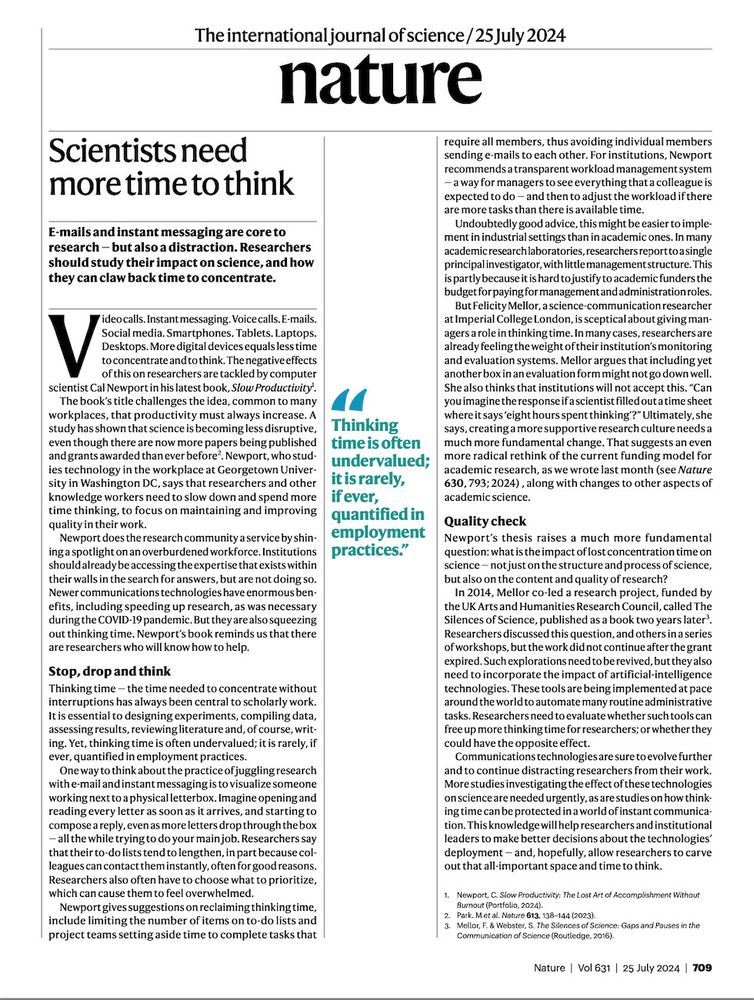
Good piece by @natureportfolio.bsky.social. The erosion of thinking time—driven by admin, bureaucracy, industry agendas, and unrealistic output targets—stifles curiosity-led science. These pressures undermine innovation and the intellectual freedom vital for real progress. 🧪🌱🌍 #ScienceIsNotBusiness
December 26, 2024 at 2:52 PM
Good piece by @natureportfolio.bsky.social. The erosion of thinking time—driven by admin, bureaucracy, industry agendas, and unrealistic output targets—stifles curiosity-led science. These pressures undermine innovation and the intellectual freedom vital for real progress. 🧪🌱🌍 #ScienceIsNotBusiness
“I feel so lonesome when I get hay fever or a cold”. - Kurt Vonnegut, Slapstick
Meant to be a description of telepathy in the book, but also true for immigrants when sick and away from family.
Meant to be a description of telepathy in the book, but also true for immigrants when sick and away from family.
December 26, 2024 at 8:32 PM
“I feel so lonesome when I get hay fever or a cold”. - Kurt Vonnegut, Slapstick
Meant to be a description of telepathy in the book, but also true for immigrants when sick and away from family.
Meant to be a description of telepathy in the book, but also true for immigrants when sick and away from family.
Reposted by Smriti Verma
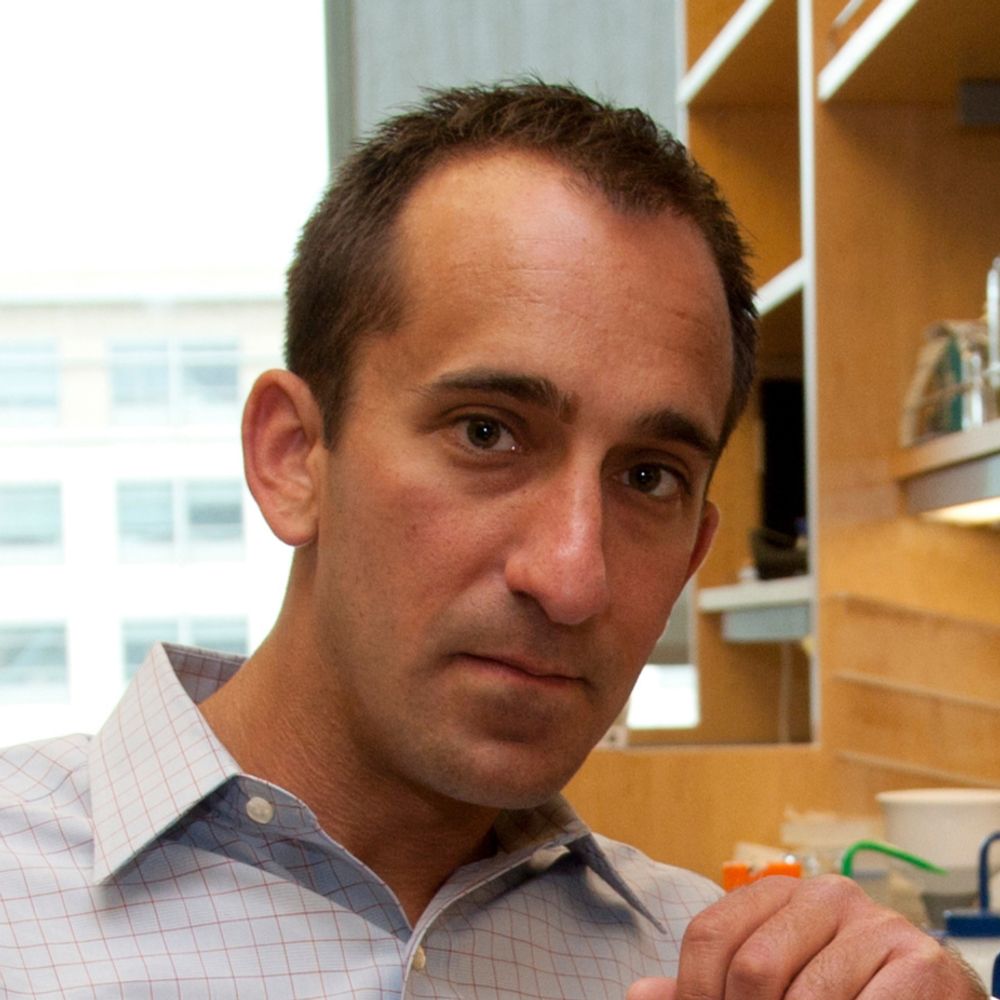
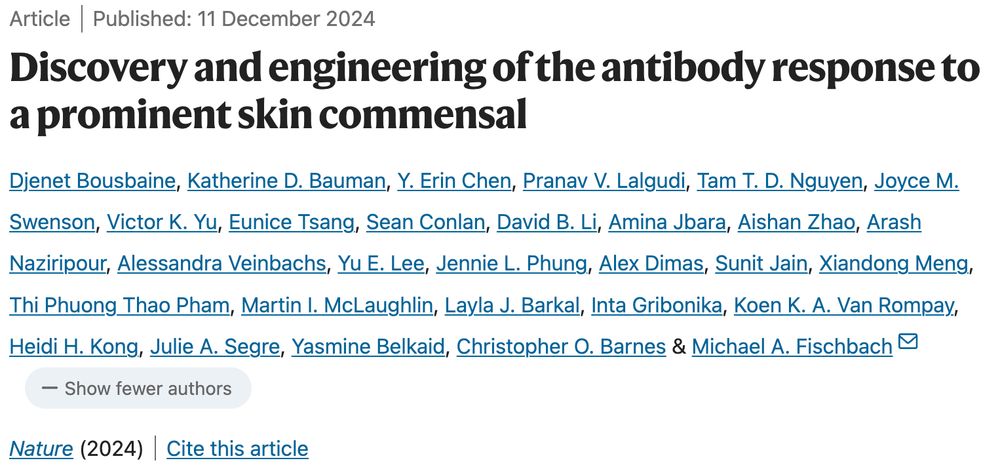
Today we report that an engineered skin bacterium, swabbed gently on the head of a mouse, can unleash a potent antibody response against a pathogen. Could lead to topical vaccines that are applied in a cream. @djenetbousbaine.bsky.social led the charge... @natureportfolio.bsky.social 1/55
December 11, 2024 at 4:29 PM
Today we report that an engineered skin bacterium, swabbed gently on the head of a mouse, can unleash a potent antibody response against a pathogen. Could lead to topical vaccines that are applied in a cream. @djenetbousbaine.bsky.social led the charge... @natureportfolio.bsky.social 1/55
Reposted by Smriti Verma
The Kerala Health Department is launching "Saukhyam Sada" to promote antibiotic literacy. As part of the SPARK program, over 17,000 volunteers will visit homes to educate people about the risks of improper antibiotic use.
Isn't it cool?
health.economictimes.indiatimes.com/amp/news/pol...
Isn't it cool?
health.economictimes.indiatimes.com/amp/news/pol...
Kerala Health Department to hold antibiotic literacy drive in village panchayats - ET HealthWorld
Kerala Health Department: The initiative is being carried out as part of the SPARK (Students Programme Against Antimicrobial Resistance Kerala) programme of the State Drugs Control Department in assoc...
health.economictimes.indiatimes.com
December 22, 2024 at 11:05 AM
The Kerala Health Department is launching "Saukhyam Sada" to promote antibiotic literacy. As part of the SPARK program, over 17,000 volunteers will visit homes to educate people about the risks of improper antibiotic use.
Isn't it cool?
health.economictimes.indiatimes.com/amp/news/pol...
Isn't it cool?
health.economictimes.indiatimes.com/amp/news/pol...
Reposted by Smriti Verma

60% drop in #global mortality, but we still have a long way to go as #diarrheal diseases remain a leading killer in #children and #elderly 🦠 🧫
#Microsky #IDsky
#Microsky #IDsky

Diarrheal diseases remain a leading killer for children under 5, adults 70+
New global study reports a 60% drop in global mortality from diarrheal diseases, but children and the elderly still have the highest death rates, particularly in sub-Saharan Africa and South Asia.
www.healthdata.org
December 21, 2024 at 2:44 PM
26 hours without electricity in my apartment building…. Turning into a real black (and cold) Friday for me

November 29, 2024 at 10:04 PM
26 hours without electricity in my apartment building…. Turning into a real black (and cold) Friday for me
Reposted by Smriti Verma
Blood vessel wall (endothelial) inflammation as a key to multi-organ complications of Covid and #LongCovid
@science.org
science.org/doi/10.1126/...
@science.org
science.org/doi/10.1126/...
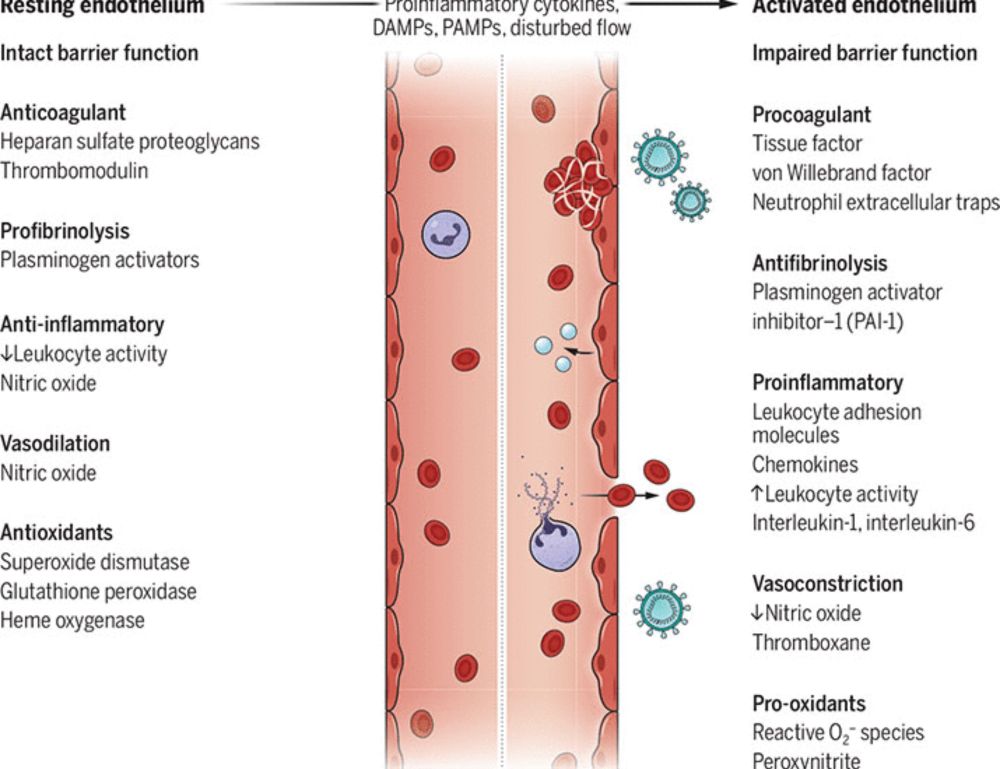
Endothelial inflammation in COVID-19
Disrupted endothelial function underlies the multiorgan complications of COVID-19
science.org
November 28, 2024 at 8:33 PM
Blood vessel wall (endothelial) inflammation as a key to multi-organ complications of Covid and #LongCovid
@science.org
science.org/doi/10.1126/...
@science.org
science.org/doi/10.1126/...
I hope all recognize that translational and basic science each bring important contributions, and neither should be seen as superior.
"Whatever the need for further investment in translation, one must acknowledge that basic research has served us extremely well."
journals.asm.org/doi/full/10....
"Whatever the need for further investment in translation, one must acknowledge that basic research has served us extremely well."
journals.asm.org/doi/full/10....

Lost in Translation—Basic Science in the Era of Translational Research | Infection and Immunity
ABSTRACT The concept of translational research, which aims to facilitate the application of
basic scientific discoveries in clinical and community settings, is currently in vogue.
While there are powe...
journals.asm.org
November 25, 2024 at 3:52 PM
I hope all recognize that translational and basic science each bring important contributions, and neither should be seen as superior.
"Whatever the need for further investment in translation, one must acknowledge that basic research has served us extremely well."
journals.asm.org/doi/full/10....
"Whatever the need for further investment in translation, one must acknowledge that basic research has served us extremely well."
journals.asm.org/doi/full/10....
Reposted by Smriti Verma
Word of the day is ‘librocubicularist’: one who loves nothing better than reading in bed.
(Not easy to say, but I’m glad to know it exists).
(Not easy to say, but I’m glad to know it exists).
November 24, 2024 at 10:47 AM
Word of the day is ‘librocubicularist’: one who loves nothing better than reading in bed.
(Not easy to say, but I’m glad to know it exists).
(Not easy to say, but I’m glad to know it exists).
I feel so seen 😆😆
Word of the day is ‘quiddler’ (19th century): one who pays great attention to trivial matters as a way of avoiding the important ones.
November 21, 2024 at 12:20 PM
I feel so seen 😆😆
Reposted by Smriti Verma
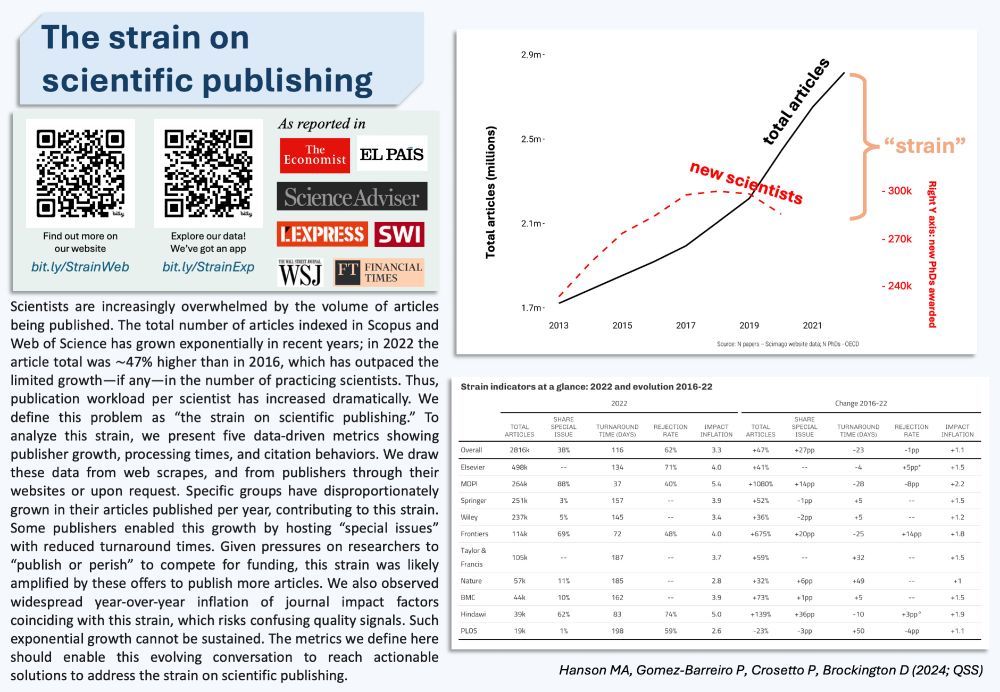
The strain on scientific publishing: we set out to characterise the remarkable growth of the scientific literature in the last few years, in spite of declining growth in total scientists. What is going on?
direct.mit.edu/qss/article/...
A 🧵 1/n
#AcademicSky #PhDchat #ScientificPublishing #SciPub
direct.mit.edu/qss/article/...
A 🧵 1/n
#AcademicSky #PhDchat #ScientificPublishing #SciPub
November 19, 2024 at 12:27 PM
The strain on scientific publishing: we set out to characterise the remarkable growth of the scientific literature in the last few years, in spite of declining growth in total scientists. What is going on?
direct.mit.edu/qss/article/...
A 🧵 1/n
#AcademicSky #PhDchat #ScientificPublishing #SciPub
direct.mit.edu/qss/article/...
A 🧵 1/n
#AcademicSky #PhDchat #ScientificPublishing #SciPub